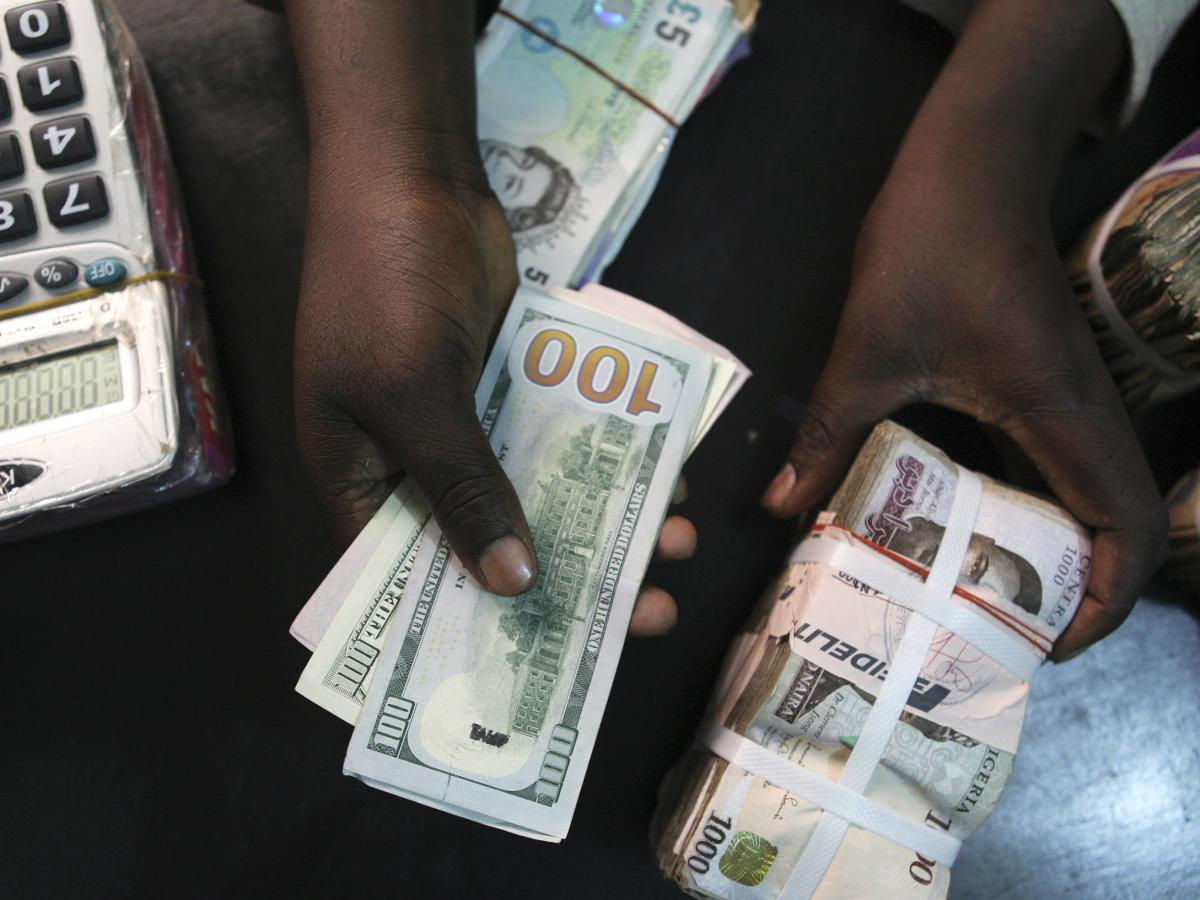
In a recent article, Prof. Ndubuisi Ekekwe extends best wishes to policymakers as they endeavor to formulate crucial policies for Nigeria’s economic stability. Highlighting the urgency of the situation, he notes that the Federal Government has disclosed plans to raise $10 billion to address persistent challenges faced by the country’s currency, the Naira. The primary goal of this financial initiative is to enhance liquidity in the foreign exchange market, particularly amid growing concerns over the Naira’s sharp decline, reaching an unprecedented low of 1,850 per dollar at the parallel market on Tuesday.

While acknowledging the importance of effective solutions, Prof. Ekekwe issues a cautionary note, urging the nation to avoid a potential vicious circle where raising funds today to combat crises may lead to a perpetual dependence on debt markets for tomorrow’s challenges.

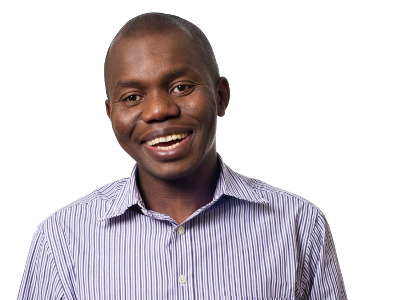
Prof. Ekekwe proposes a strategic examination of critical anchors and enablers to liberate Nigeria from persistent currency paralysis. He emphasizes the need to scrutinize Nigeria’s fiscal architecture, which has significantly impacted productivity and economic output, suggesting a potential reorganization of the nation’s structure.Dr Ndubuisi Ekekwe Data Science Scholar and Entrepreneur - Data Scientist  Network (Data Science Nigeria)

Advocating for proactive measures, Prof. Ekekwe recommends that national leaders march to the National Assembly with a document outlining full fiscal federalism. According to his projections, if implemented within six months, this fiscal federalism could lead to a notable appreciation of the Naira to N650/$. Additionally, he proposes the establishment of Regional Police (not state police) to address territorial vices, expressing reservations about the maturity of democracy in allowing some governors full control of the police. He supports the idea of Regional Police, such as the Southeast Police Force, under the control of the five governors with quarterly rotating chairmanship.

Reflecting on Nigeria’s historical development, Prof. Ekekwe underscores the positive outcomes of regional governance, noting that during such periods, the exchange rate was not a significant problem, and Nigeria experienced rapid development and productivity. He posits that a return to organizing around regions could revive that heritage.

In conclusion, Prof. Ekekwe asserts that implementing fiscal federalism, where every region retains its earnings and pays taxes to the federal government, is the most effective strategy to bolster the Naira in the current economic landscape.

Co-Founder and CEO of Versofy SOLAR, Ross Mains-Sheard’s comment regarding the solar tax break incentive decision at the 2024 Budget Speech


The financial impacts of load shedding and renewable energy featured prominently in Minister of Finance Enoch Godongwana’s 2024 Budget Speech.  South Africa faced a record 332 days of load shedding in 2023, significantly hindering the county’s economic growth and burdening households.

While the adoption of rooftop solar is widely recognised as a means of alleviating the country’s ongoing energy crisis, incentives for solar energy installations by individual households were cut from this year’s budget. Amid broader fiscal constraints, this is an understandable but nonetheless disappointing outcome for South African households, which should be incentivised to make the transition to solar in the form of tax breaks, subsidies, and feed-in tariffs. Government incentives have a crucial role to play in driving solar energy adoption, particularly for households relying on a rent-to-own or a solar subscription model, which cannot afford to purchase solar panels and the necessary accompanying equipment outright.

Despite this, innovative South African companies have an opportunity to continue developing the infrastructure and technology that support a mass transition to renewable energy.


In a historic milestone, Colette Offiong Bassey has shattered a 44-year-old record at the University of Calabar, Nigeria, by becoming the first-ever graduate to achieve a first-class honor in the Department of Linguistics and Communications Studies.

Remarkably, Colette accomplished this extraordinary feat while heavily pregnant during her final year examinations. Undeterred by the challenges, she sat for her exams on Wednesday and, to everyone’s amazement, gave birth to a baby boy just days later on Saturday.

The university, in an official statement, has verified that Colette Offiong Bassey is now etched in history as the first individual to attain a first-class degree from the Department of Linguistics and Communications Studies since its inception in 1977.

The statement reads: “Bassey Colette Offiong emerged as the sole first-class student from Linguistics and Nigerian Languages in the 2018/2019 session,” making her the inaugural recipient of this prestigious honor in the department’s illustrious history.

This remarkable accomplishment is a testament to Colette’s resilience and dedication, making her an inspiration to the academic community and beyond.

Small businesses are embracing digitalization and catering to their customer needs through a variety of online channels. With new technologies emerging such as artificial intelligence, there is no time like the present to help your small business grow by taking advantage of the online world.


GoDaddy shares five tips to help your small business grow with an online presence.

It starts with a domain name

When getting started, check availability of domain names for the desired name. A domain name can be considered a business’ piece of real estate and identity on the internet. It is a way for customers to easily find a business online.

Choosing and registering a domain name for your business that’s memorable is increasingly important in an expanding digital marketplace, as it helps to shape your online business identity. If the .com extension is not available, there are many new extensions available, such as: .shop; .co.; .photography; .tech, to name a few, for you to consider which can help define your business.  After choosing a domain name register it with a reliable hosting provider right away.

Build a website 

Websites help create visibility for small businesses and act as a home base for your business on the internet, even if you have a brick-and-mortar store.  A website can help consumers easily find your business, learn about your product offerings and services, and contact you for more information.

A well-designed professional looking website can offer an engaging customer experience with the use of text along with photo images and video.  Having a website gives you control over the messaging about your business and can serve as a hub by linking with your social media channels.

Listen to your customers

The growth of your business is directly related to customer satisfaction. Listen to your customers and pay attention to the needs of your target market. Identify their problems and pain points. How can your offerings act as a solution? Is it possible to develop new products to help solve these problems?  Engage for customer feedback and keep an eye on customer behaviour changes and audience interests.

Develop a business support system

By developing a strong business support system, entrepreneurs can benefit from new ideas on ways to address a particular issue or ideas for growth. In addition to close family and friends, consider mentors and business coaches who can provide relevant insights into your business.

Review your business plan

Many entrepreneurs make a business plan at the beginning of their business journey, but do not take the time to revisit it from time-to-time. So, analysing aspects of that business plan like target audience and competitors, examining cash flows and what can make the business profitable, while also checking timelines to reach business goals is all equally essential to help ensure continued growth of your business.

The United Nations Economic Commission for Africa (ECA) and Google LLC (Google) have signed a landmark Memorandum of Understanding (MoU) to foster and accelerate digital transformation in Africa on the margins of the 2024 edition of the Africa Business Forum.


The partnership is founded on the complementary expertise and strengths of both parties who wish to collaborate on activities to support ECA’s mandate such as digital development in Africa in line with the African Union Digital Transformation Strategy for Africa (2020-2030) and Google’s Digital Sprinters Framework, and to leverage the power of information and communication technologies (ICTs) for the benefit of Africa’s digital economy. As a general framework for collaboration, the MoU will seek to further explore specific key areas of interest pertaining to digital skills development for Africa’s burgeoning young population, startup development, increasing financial inclusion, strengthening cybersecurity and online safety measures, and advancing AI policy research for policymakers on the continent.

ECA’s Executive Secretary, Mr. Claver Gatete, acknowledged Google’s pivotal role in improving Africa’s connectivity infrastructure, supporting Africa’s innovators and entrepreneurs, and building digital capacity in emerging technologies through skills development for researchers, students and educators.

“This partnership holds the potential to produce significant and influential outcomes in tackling digital challenges and narrowing the digital divide across the African continent,” Mr. Gatete remarked.

Africa, with the lowest internet penetration rate globally, sees 63% of its population without internet access. The ECA is committed to closing digital divides by promoting infrastructure development and affordability, sound regulatory environment, and fostering digital skills.

To tap into Africa’s digital transformation potential to meet the Sustainable Development Goals and Agenda 2063, it is crucial that the continent’s youth—projected to account for nearly half of the global youth population by 2030—are prepared for a digital future and the 4th Industrial Revolution.

Doron Avni, Google’s Vice President of Government Affairs & Public Policy, Emerging Markets, said: “With advanced technologies like AI, the most profound transformation is yet to come. Collaboration will be essential if Africa is to realize this opportunity and ensure no-one is left behind. We are excited to collaborate with the ECA to work towards this shared objective.”

As part of the Agreement, Google and ECA will endeavor to begin collaboration on the three following areas:

First, Startup development: Google will endeavor to partner with ECA to reach its target to enable 1M startups to generate USD 100B in revenue by 2033. We will focus on tech startups solving for the United Nations Sustainable Development Goals in Africa by providing them with mentorship and coaching from hundreds of Google employees.

Second, Computer Science Education: Second, Computer Science Education: Starting in 2024, ECA, Camden Trust and Google will endeavor to upskill over 5000 young African students and 200 teachers on computer science and robotics to support their participation in the World Robot Olympiad global competition and increase Africa’s representation. The organizations aim to operate in more than 10 countries, including Ethiopia, Equatorial Guinea, Ghana, Kenya, Mozambique, Nigeria, Rwanda, Senegal, Tanzania, South Africa, South Sudan, Uganda, and Zimbabwe.

And third area of collaboration is Cybersecurity: ECA and Google will endeavor to collaborate to foster a resilient culture of digital security within the region. We will do this through dialogues with public officials, training workshops and the sharing of best practices. Additionally, the partnership seeks to conduct collaborative research on Cybersecurity and its connection to achieving the SDGs and Agenda 2063.

Sitting on an estimated 203 trillion cubic feet of natural gas, Nigeria is on a mission to monetize its gas resources and become a leading LNG exporter to global markets. Its most notable project – the $5-billion Nigeria LNG Train 7 expansion – is set to boost processing capacity by 35% from 22 million tonnes to 30 million tonnes per year. This means higher gas volumes to export to gas-hungry markets like Europe, which Nigeria exported 9.4 billion cubic meters of LNG to in 2023. Yet in order to accelerate exports, the country requires substantial investment in deepwater gas projects and infrastructure development. The upcoming Invest in African Energy 2024 forum – taking place in Paris on May 14-15 – will showcase Nigerian and African investment opportunities in deepwater exploration, gas monetization and midstream infrastructure, as the continent enters a new phase of development.


IOCs Double Down Offshore


Nigeria has issued a call for upstream investment, with a strong focus on deep offshore and a 2024 licensing round on the cards to attract new explorers. Supermajor Shell answered the call last week, announcing plans to deepen its investments in deepwater and invest $1 billion over the next decade to develop Nigeria’s gas supplies. Its primary prospects include extending the life of the Bonga FPSO vessel, developing its Bonga North, Bonga South-West and Nnwa Doro assets, and maturing several projects planned to come onstream in the short-, medium- and long-term.


Earlier this month, TotalEnergies started production at the Akpo West field offshore Nigeria, adding 14,000 barrels of condensate production per day, to be followed by an additional 4 million cubic meters of gas per day by 2028. Chevron is also scaling up investments in Nigeria’s deepwater space, with upcoming plans to conduct seismic data acquisition in several deepwater blocks and expand its Agbami field project. The American multinational also acquired a stake in offshore OPL 215 – joining TotalEnergies on the block – and renewed three of its deepwater licenses for a period of 20 years. As IOCs double down on new exploration and development activities, this opens up opportunities for offshore drilling contractors, service providers and national companies to play an active role in Nigeria’s deepwater revival.


Sufficient Gas Infrastructure Needed


Nigeria is also utilizing gas monetization as a means of eliminating gas flaring, having flared around 275 million cubic feet per day in 2023. The gas flared in Nigeria has the potential to generate 1.125 GW of power for the country, representing substantial opportunities in gas-to-power infrastructure. Meanwhile, the Nigerian Upstream Petroleum Regulatory Commission awarded 48 flaring gas sites for commercialization, as part of efforts to expand the domestic gas market and decarbonize upstream activities.


Nigeria’s gas production – expected to reach 12.2 billion cubic feet per day by 2030 – is also being driven by major pipeline projects, including the Nigeria-Morocco pipeline and Ajaokuta-Kaduna-Kano (AKK) pipeline. Capable of delivering 3 billion cubic feet per day, the Nigeria-Morocco pipeline spans 13 West African countries and represents the path to Nigeria accessing the European market. The two countries met last month to fast-track development of the project, which is awaiting a final investment decision. Meanwhile, the AKK pipeline will transport up to 2 billion cubic feet of gas per day from southern to central Nigeria – with a focus on driving power generation, industrialization and new job opportunities – and is expected to be completed by mid-2024.

Organized by Energy Capital & Power, IAE 2024 (https://apo-opa.co/3UMOOtQ) is an exclusive forum designed to facilitate investment between African energy markets and global investors. Taking place May 14-15, 2024 in Paris, the event offers delegates two days of intensive engagement with industry experts, project developers, investors and policymakers. For more information, please visit www.Invest-Africa-Energy.com.

Canon Inc. (Canon-CNA.com) announced today that the company’s interchangeable-lens digital cameras (digital SLR and mirrorless cameras) have maintained the No. 1 share1 of the global market for 21 consecutive years from 2003 to 2023.


Canon’s EOS series of interchangeable lens digital cameras are imaging systems based on the basic concept of “Speed, Comfort, and High Image Quality,” for which the company has developed proprietary key components, including CMOS image sensors, the DIGIC image processors, and interchangeable lenses. Putting together a wide-ranging product lineup –from high-performance flagship models that are highly trusted by professionals to entry-level models that allow users to enjoy full-scale shooting with easy operation, as well as a rich selection of over 1152 RF and EF series lenses that make a wealth of creative expression possible – Canon continues to support the diverse needs of customers.


During the dawn of digital SLR cameras, Canon introduced its breakthrough EOS 300D (EOS Digital Rebel or EOS Kiss Digital in other regions) in September 2003. By launching this groundbreaking camera, which was competitively priced and featured a compact, lightweight design, Canon spurred growth in the digital SLR market, capturing the top share of the global market and heralding the age of digital SLR cameras. Since that time, Canon has continued to launch a range of groundbreaking products, including the professional-model EOS-1D series and the EOS 5D series, which paved the way for digital SLR video recording. Canon’s desire to further expand the boundaries of visual expression led to its next-generation EOS R System, launched in October 2018, that includes the full-frame mirrorless camera EOS R5 – the first camera to feature 8K video recording3 – released in July 2020 and the EOS R3 in November 2021, which features tracking of fast-moving subjects and continuous shooting performance. In addition, Canon launched the EOS VR System, designed to record video for virtual reality content, in December 2021.


In 2023, Canon led demand for mirrorless cameras and lenses by further expanding its lineup of EOS R series cameras and lenses. This expanded lineup included the EOS R50 (released in March 2023), an APS-C size mirrorless camera complete with easy-to-use and convenient functions, the EOS R8 (released in April 2023), a full-frame camera that is both small and lightweight while demonstrating high performance and the EOS R100 (released in June 2023), an APS-C size mirrorless camera that even beginner photographers can use to enjoy full-fledged shooting, and 9 RF lenses4.


Additionally, Canon-brand cameras comprised the number one share5 of Rugby World Cup France 2023, demonstrating that they have earned the deep trust of professional photographers. Based on the support from this wide range of customers, Canon managed to secure the No. 1 share of the global market for the 21st consecutive year.


Canon will continue to refine its proprietary imaging technologies while bringing fulfillment and excitement to people’s daily lives as well as promoting the spread of photo and video culture by providing products, services, and solutions that meet its customers’ diverse needs.


1 Based on a Canon survey.

2 Types of lenses sold vary according to each market. Includes 4 types of extenders. Among lenses announced as of February 19, 2024.

3 Among digital interchangeable-lens cameras released prior to 8 July 2020.

4 In 2023, Canon released the following nine RF lenses: RF 135mm F1.8 L IS USM (January), RF-S 55-210mm F5-7.1 IS STM (March), RF 24-50mm F4.5-6.3 IS STM (April), RF 100-300mm F2.8 L IS USM (May), RF 28mm F2.8 STM (July), RF 10-20mm F4 L IS STM (October), RF 200-800mm F6.3-9 IS USM (December), RF 24-105mm F2.8 L IS USM Z (December), RF-S 10-18mm F4.5-6.3 IS STM (December).

5 Average of data obtained from 4 matches – semifinals (2 matches), 3rd place qualifier, and final match of the tournament. Based on a Canon survey.


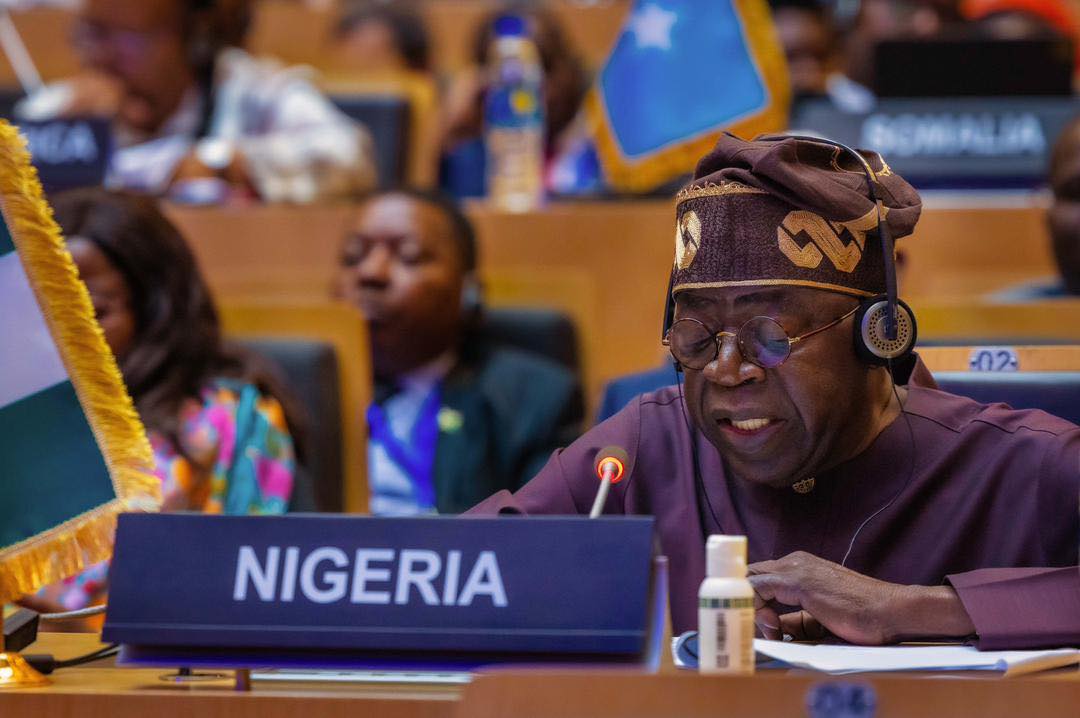
President Bola Tinubu of Nigeria declared Nigeria’s readiness to host the African Central Bank in adherence to the Abuja Treaty during his address at the 37th Ordinary Session of the Assembly of Heads of State and Government of the African Union (AU) in Addis Ababa, Ethiopia, on Saturday.

President Tinubu emphasized his administration’s commitment to collaborate with the African Union Commission and member states to ensure the timely establishment of the African Central Bank by the scheduled year 2028. The President underscored that Africa’s success in addressing challenges lies in resolute unity, cautioning against perpetuating existing problems and creating new ones.

“In confronting the hurdles threatening our mission for qualitative democratic governance and economic development, we must rely on deep-rooted solidarity and resolve as a continent,” President Tinubu asserted.

Addressing regional concerns, President Tinubu commented on military takeovers in Guinea, Burkina Faso, Mali, and Niger. He urged for continued regional cooperation despite disagreements, emphasizing the importance of a united West Africa. “The drive for a peaceful, strong, and united West Africa is bigger than any one person or group of people,” he stated.

President Tinubu also highlighted the significance of education, the theme of this year’s summit, in addressing Africa’s challenges. He stressed the need to remodel educational systems to foster creative solutions and achieve the Agenda 2063 objectives. The President outlined Nigeria’s commitment to education, citing initiatives such as school feeding programs, curriculum redesign, and efforts to position Nigeria as an Information and Communication Technology hub.

Furthermore, President Tinubu extended an invitation to the Africa Counter-Terrorism Summit scheduled for April 2024 in Abuja. The summit aims to comprehensively address the root causes of violent extremism, including poverty, inadequate political access, and the propagation of hateful ideologies.

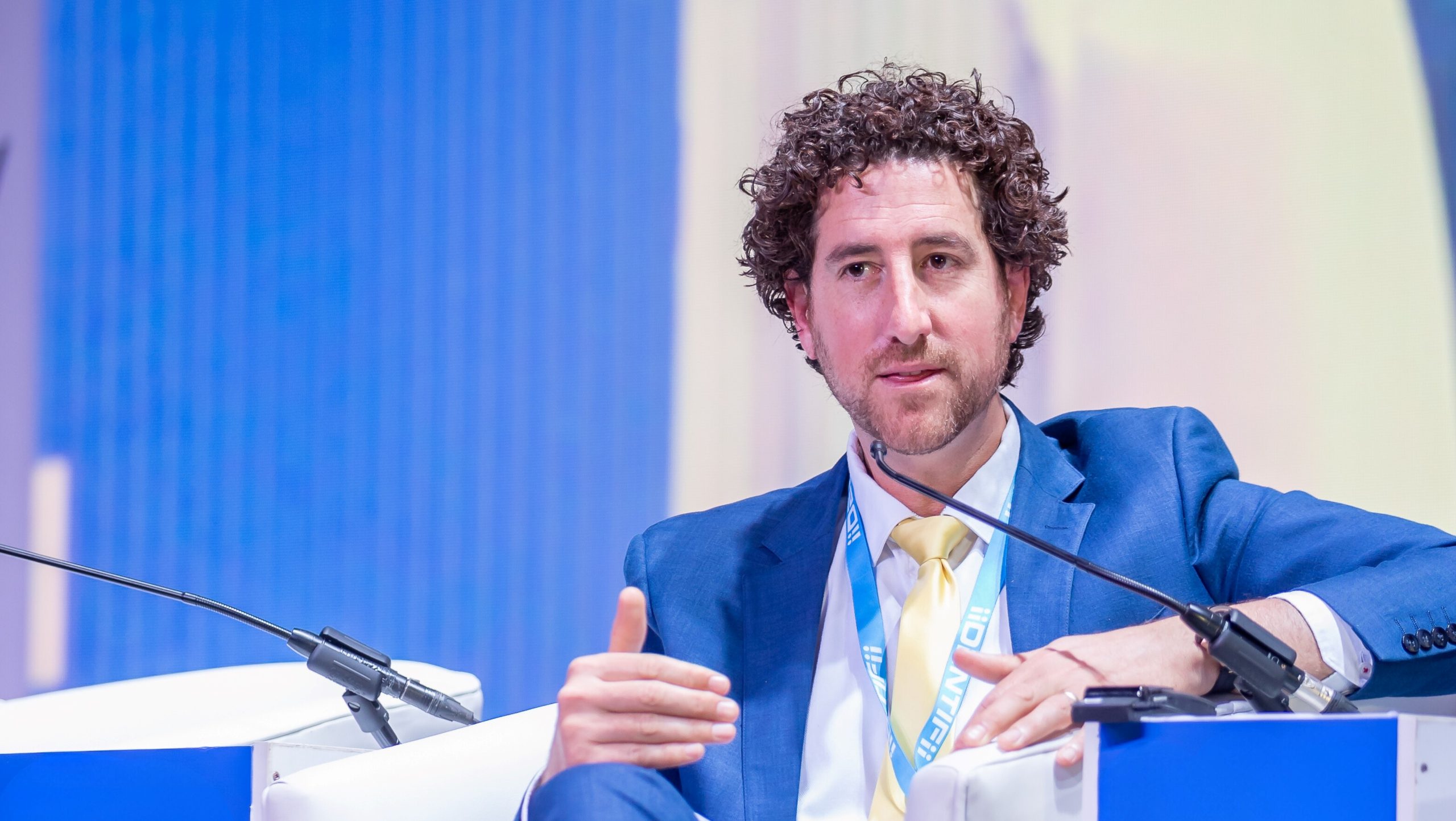
Mobile networks must not be complacent about SIM swap fraud and they need to prioritise the protection of customers. This is according to Gur Geva, Founder and CEO of iiDENTIFii (www.iiDENTIFii.com).


“Although SABRIC has noted a slight decline in reported SIM swap fraud in its latest report, mobile service providers still need to tighten up their data security to protect against fraudsters using false identities and SIM swap scams,” says Geva.


This is particularly relevant as telecommunications and banking industries become increasingly intertwined. Banks now offer mobile services, while mobile network operators provide financial services, and so there is a convergence between the regulatory requirements of FICA and RICA. This shift has led to heightened identity theft risks, requiring mobile operators to adopt stringent identity verification practices inspired by the financial sector’s standards.


Operators need to define practical, robust security solutions that adhere to and surpass current telco legislation. Geva says, “In order to combat SIM swap and identity fraud, networks should focus on the provision of simple, scalable and safe digital identity. This has a far-reaching impact, not only on safer mobile use and the protection of consumers from fraud, but also on the ability of consumers to access mobile, financial and governmental services through their phones.”


The current state of SIM swap fraud

SABRIC’s 2022 crime report (https://apo-opa.co/3HRlavN) notes that mobile banking fraud saw a 9% reduction in reported incidents in 2022, and that SIM swap incidents declined from 87% in 2021 to 76% (7 657) in 2022. While this reduction is positive, there are still thousands of SIM swap fraud incidents reported each year.


“Cyber-crime will continue to evolve, and networks need to be prepared for increasingly sophisticated SIM swap attacks. Their strongest line of defense is in securing the identity of a person’s identity to each SIM,” says Geva.


The effectiveness of this approach has been demonstrated in nations such as Kenya, Namibia, Pakistan and Russia, which have all been enforcing varying levels of biometric SIM registration to deter fraudsters.


Increasing legislation to prevent attacks

The nature of these SIM-related crimes goes beyond financial crimes and SIM swap fraud.


“For the cost of a few unregistered SIM cards at R5 each from a roadside vendor, planning a murder becomes untraceable by police through RICA, and thus virtually risk-free,” says Natasha Mazzone, the DA’s Shadow Minister of Communications and Digital Technologies in an article on RICA legislation (https://apo-opa.co/3HRtZp4).


SIM swaps are still a major problem, and networks still have a way to go in protecting consumers

In 2022, ICASA published draft regulations that would require mobile network operators to collect subscriber biometric data. ICASA said these regulations would reduce instances of mobile number hijacking via fraudulent SIM swaps and number porting. However, this was met by hesitance from consumers and organisations such as Communications Risk Information Centre (COMRiC). Consumers feared that the collection of biometric data would compromise their privacy, while COMRiC felt that biometrics as a single solution was too limited in its scope and challenging to implement at scale.


What networks can do

Mobile networks (as owners of the SIM and the technology behind it) should consider implementing clear strategies and leading technologies to mitigate SIM swap fraud and protect their customers. And while SIM swaps constitute one problem, identity fraud is far more problematic.


“When it comes to securing a person’s identity, we believe that face biometrics offer the most secure solution,” adds Geva.


In South Africa, face biometrics would be able to verify whether the person registering a SIM is live and doing it in the present moment, as well as binding the SIM card to that applicant’s identity and facial image. It can validate barcoded identification documents presented, RICA or FICA details and a facial image back to the Department of Home Affairs. This prevents identity fraud and proves that the individual applying for services online is a ‘live’ person and not a deepfake. SIM swaps become a moot point, as all SIM cards are then data bound to a legitimate individual with accurate RICA requirements.


The question of surveillance

Biometrics are deeply personal, but opt-in biometrics do not open consumers up to surveillance.


“Because biometric technology only started making its way into the mainstream relatively recently, consumers are still unsure of what the technology entails and how it may be used. This, naturally, leads to some misconceptions and fears. The reality is that opt-in biometrics are the most secure way to identify someone – and keep their information and identity safe from misuse – and these differ a great deal from biometrics used for surveillance,” says Geva.


Remote biometric onboarding links a person’s biometric data, whether their face or fingerprint, to their account so that they, and only they, can access the account safely and securely. This protects them from fraud.


The question of implementation

In terms of successfully rolling out biometric identity for mobile phones in Africa to protect consumers and companies from SIM-related crime, two key criteria need to be met: scalability and accessibility.


“I urge network providers in Africa to invest in enterprise-grade identity platforms that are robust, scalable and built to handle growing subscribers and fraud-prevention demands,” says Geva. “For example, most of South Africa’s leading banks have relied on our own enterprise-grade platform at iiDENTIFI to roll out fast and effective mobile banking verification initiatives at scale. This has proven that, with a simple, fast and friction-free tool, consumers are willing to pass through an extra layer of digital protection.”


“SIM swaps are still a major problem, and networks still have a way to go in protecting consumers. By securing identity for all SIM at the moment of registration, it is possible to make great leaps in providing protection against SIM-related crimes.”

Kaspersky (www.Kaspersky.co.za) experts discussed the evolution of the cyberthreat landscape in the region during its 9th annual Cyber Security Weekend – META 2024, held in Kuala Lumpur, Malaysia. The focal point of the discussions was the security of emerging technology trends such as Artificial Intelligence (AI), that are influencing the scale of modern threats. In parallel, threats targeting industrial control systems within critical infrastructure, in the Middle East, Africa, and Asia were also discussed. Kaspersky’s Cyber Immunity approach took centre stage as a way to create solutions that are virtually impossible to compromise and that minimise the number of potential vulnerabilities.


As the cybersecurity landscape evolves, cyber threats continue to become diverse and sophisticated

In the African region, Kaspersky’s telemetry showed the number of overall cyberthreats in South Africa decreased by 29% in 2023 as compared to 2022. At the same time, phishing attacks that use social engineering tactics to scam people into revealing sensitive information rose by 29%. Over the same period, Kenya saw a decrease in overall threats by 8% while an increase was seen in ransomware attacks by 68%, backdoors by 47%, exploits by 22% and phishing by 19%. Nigeria saw an overall decrease in all threats by 10% while banking malware attacks designed to collect online banking credentials and other sensitive information from infected machines increased by 8%.

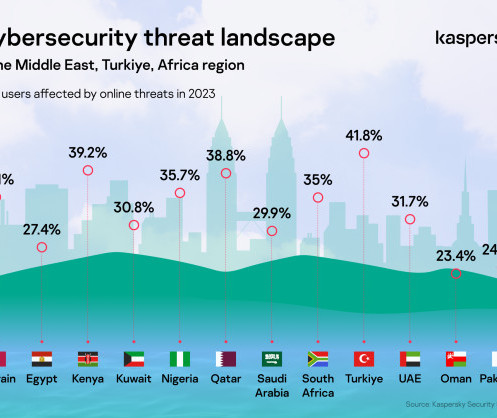
According to Kaspersky’s analysis, online threats caused by vulnerabilities on web pages, in emails or webservices, have fluctuated significantly in the region. Turkiye saw the highest number of users affected by online threats (41.8%), followed by Kenya (39.2%), Qatar (38.8%) and South Africa (35%). Fewer users were affected in Oman (23.4%) and Egypt (27.4%) followed by Saudi Arabia (29.9%) and Kuwait (30.8%).

“As the cybersecurity landscape evolves, cyber threats continue to become diverse and sophisticated. This trend is particularly evident due to the emergence of advanced technologies like AI and the escalating geopolitical and economic turbulence within the Middle East, Turkiye, Africa (META) region. These factors collectively contribute to the surge in cybercrime and the heightened complexity of cyberattacks,” comments Amin Hasbini, Director of META Research Center Global Research and Analysis Team (GReAT), Kaspersky.