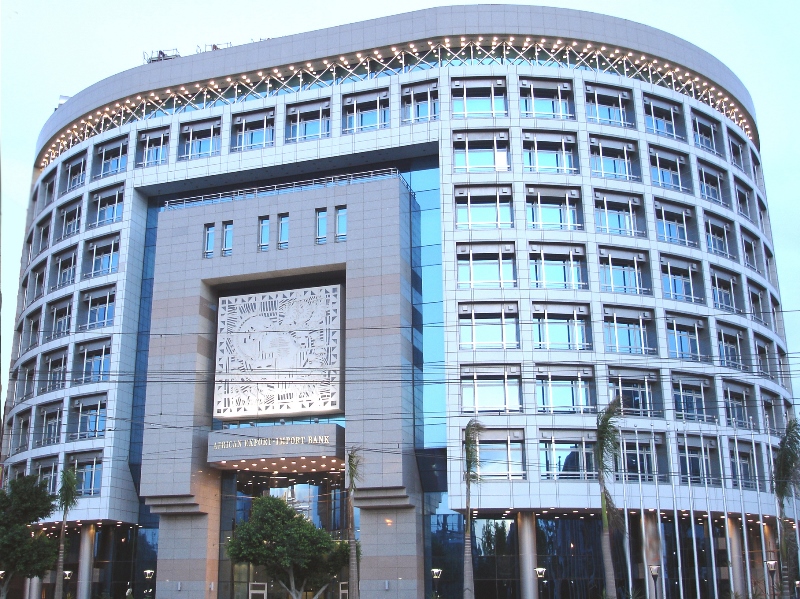
African Export-Import Bank (Afreximbank) (www.Afreximbank.com) has partnered with Sterling Bank to introduce the innovative supply chain finance product ‘Payables Finance’, in Nigeria. This product, branded as ‘Afreximbank Tradelink,’ is one of Afreximbank’s digital offerings under the umbrella of the Africa Trade Gateway (ATG). ATG provides African corporates and commercial banks with relevant digital tools to access market information, connect with buyers and sellers across the continent for efficient marketing and procurement, facilitate Know Your Customer (KYC) processes, and promote trade payments between African countries in local currencies.


Payables Finance enables suppliers to access financing from the banking system by obtaining early payment for invoices which have been approved for payment by their corporate buyers. The buyers continue to receive trade credit from the suppliers, and the suppliers finance their working capital through the early payment received, enabling them to grow their business. The financing cost is linked to the credit rating of the corporate buyers, thereby making this product particularly valuable for SME suppliers who may face challenges in accessing bank finance at competitive pricing.

Payables Finance is the fastest growing trade finance product globally and there is an enormous opportunity for African businesses to benefit from it. The partnership with Sterling Bank is a unique and innovative arrangement which leverages the complementary strengths of both institutions to provide a comprehensive market-led solution to Nigerian corporates and their suppliers. Under this arrangement, Afreximbank will provide financing to corporates and banks in both US Dollars and Euros while Sterling Bank will manage financing in Naira. Suppliers of Nigerian corporates can thus benefit from financing in both local and foreign currency as per their requirements.

The launch in Nigeria is a first step in Afreximbank’s plans to introduce Payables Finance across Africa in partnership with leading African financial institutions

Haytham ElMaayergi, Executive Vice President of Afreximbank Global Trade Bank, welcomed the launch as another milestone in realising the Bank’s vision of transforming Africa’s trade. He said: “Afreximbank identified supply chain finance as a solution for improving access to trade finance in Africa and embarked on a journey to increase penetration through financial intervention and capacity building. The Bank’s Factoring Working Group has done extremely well to provide lines of credit to support factoring and has actively promoted factoring across the continent in collaboration with other institutions.” He added that the introduction of Payables Finance is the next step on the Bank’s roadmap for supply chain finance across Africa.

“African businesses now have the opportunity to harness the potential of this product, which has been widely adopted globally, at an accelerated pace by learning from the experiences of other regions and using the latest technologies which have been developed,” he explained.

Commenting on this partnership, Gwen Mwaba, Director & Global Head Trade Finance, Afreximbank said: “The launch in Nigeria is a first step in Afreximbank’s plans to introduce Payables Finance across Africa in partnership with leading African financial institutions. The product, which will deploy world class technology and a collaborative delivery model and will contribute towards achievement of the Bank’s strategic objective of reducing the trade finance gap in Africa, particularly for the Small and Medium Enterprises (SMEs) segment.”

Chukwuka Onuaguluchi, Ecosystem Banking Head at Sterling Bank, said: “Sterling Bank is committed to meeting the trade finance needs of Nigerian corporates and their suppliers and we are proud to introduce this much-needed product in partnership with Afreximbank for the benefit of Nigerian businesses.”

Afreximbank provides both US Dollar and Euro financing to businesses in its member countries across Africa and in Caribbean Community (CARICOM) member countries. The launch in Nigeria will be followed by similar partnerships in other African countries to expand local currency financing capability across the continent in a phased manner. Adoption of the product will be supported by capacity building events to increase awareness of supply chain finance and its benefits. The product rollout in Nigeria is complemented by a workshop targeting corporate institutions and banks, in collaboration with Woodhall Capital, a leading finance company in Nigeria.

Underpinning the delivery of these new financial products is a market-leading supply chain finance platform, developed by UK-based fintech Demica, a leader in working capital solutions. Demica works with the world’s leading banks to power their supply chain finance solutions. In 2021, the company established a partnership with Afreximbank to extend this technology to banks across Africa.
 

This equity investment will support Zeepay in expanding its geographical footprint and in deepening its offering to IMTOs as well as senders and recipients of remittances

Africa50 and Oikocredit lead equity investment in Ghanaian fintech Zeepay to support Africa expansion; The investment will support the expansion of Zeepay’s cross-border remittances and mobile financial services business across Africa and the Caribbean; The investment was made by Africa50, Oikocredit, Injaro Ghana Venture Capital Fund (IGVCF) and Verdant Capital Hybrid Fund (www.Verdant-Cap.com), with a follow-on investment from Investisseurs & Partenaires (I&P).

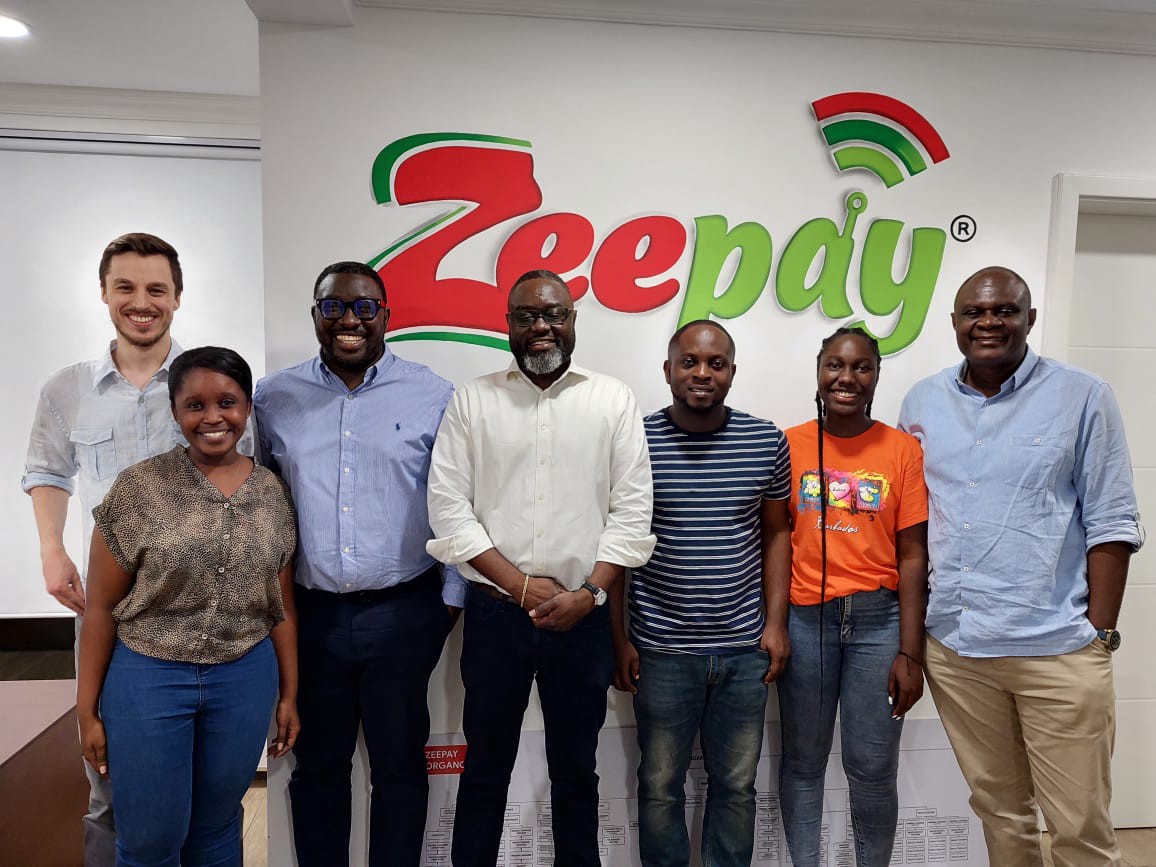
Ghanaian fintech company Zeepay Ghana Ltd announced the completion of an equity investment by pan-African investment firms Africa50, Oikocredit, Injaro, Verdant Capital Hybrid Fund, and I&P. The funds will go towards expanding Zeepay’s operations in Africa and the Caribbean.

Zeepay is a fast-growing payment infrastructure company with a footprint in more than 20 countries globally. Since its inception in 2014, Zeepay has specialised in facilitating the instant settlement of remittances into mobile money wallets in Africa and the Caribbean on behalf of leading international money transfer organizations (IMTOs). Last year, the Company settled over 10 million remittance transactions worth over $ 3 billion in value.

The company’s vision is to promote financial inclusion and transform cross-border payments, particularly in low-income countries. This equity investment will support Zeepay in expanding its geographical footprint and in deepening its offering to IMTOs as well as senders and recipients of remittances.

Andrew Takyi-Appiah, the Founder & CEO of Zeepay Ghana Ltd, commented: “We would like to thank all our stakeholders, including our customers, shareholders, and staff, for all the support in bringing this round to a close. The raise will greatly assist us in completing our ongoing expansion drive into the rest of Africa. Our short to medium plan is to expand our mobile money reach into a minimum of 10 countries within the next two years, leveraging remittances in partnership with MoneyGram, and we are delighted to see this vision come through.”

“Africa50 is delighted to be partnering with Zeepay to support its leading role in the digital payments infrastructure space on the African continent and beyond. Foreign currency inflows from remittances are the lifeline for many African economies with sizable diaspora populations, especially in the current economic environment. Zeepay provides a local, affordable, secure, and convenient money transfer solution for the industrious African diaspora to support their loved ones,” said Raza Hasnani, Managing Director and Head of Infrastructure Investments at Africa50.

Oikocredit is delighted to partner with Zeepay as we grow our global portfolio of impactful fintechs. Remittances are essential to financial inclusion for many households in Zeepay’s countries of operation, and its digital wallets help overcome challenges around transparency, cost, convenience, speed and safety for both senders and receivers of funds. We are pleased to partner with a fast-growing African business led by a capable team and look forward to supporting its growth,” said Samuel Kibiri, Equity Officer for Africa at Oikocredit.

“I&P’s follow-on investment in Zeepay demonstrates our conviction in the success and prospects of the business. We are proud to have partnered with a highly capable promoter and management team in delivering impressive financial and social returns over the past two years with our initial investment. We are excited to be joined by new like-minded investors and remain fully committed to supporting Zeepay to attain its goal of becoming a leading pan-African mobile financial services business impacting the lives of millions of underserved users across Africa and the Caribbean,” said Sebastien Boyé, Co-CEO of I&P.

“The Injaro team is honoured to partner with the Zeepay team, which Andrew Takyi-Appiah, a dynamic and visionary young Ghanaian entrepreneur, leads. We look forward to working together to achieve the ambitious goal of creating a successful Ghanaian multinational and a market leader in the fintech space. It is especially gratifying to finance Zeepay with Ghanaian capital as this ensures that profits from this investment flow back into the local economy to trigger a virtuous cycle of economic development. We believe that this investment represents an important first step in building linkages between Ghana’s pension funds and exceptional local businesses, which are important drivers of Ghana’s economic growth”, remarked Jerry Parkes, Managing Director of Injaro Investment Advisors Limited.

Kwabena Appenteng, Director at Verdant Capital, said, “Zeepay offers investors like Verdant an attractive combination of hard currency earnings through its remittance-to-the-wallet business and growth opportunities across the continent. Testament to the strength of the management team at Zeepay: the business reached profitability earlier in its lifecycle than other fintechs and has maintained strong profitability while growing and diversifying its footprint and revenue base.

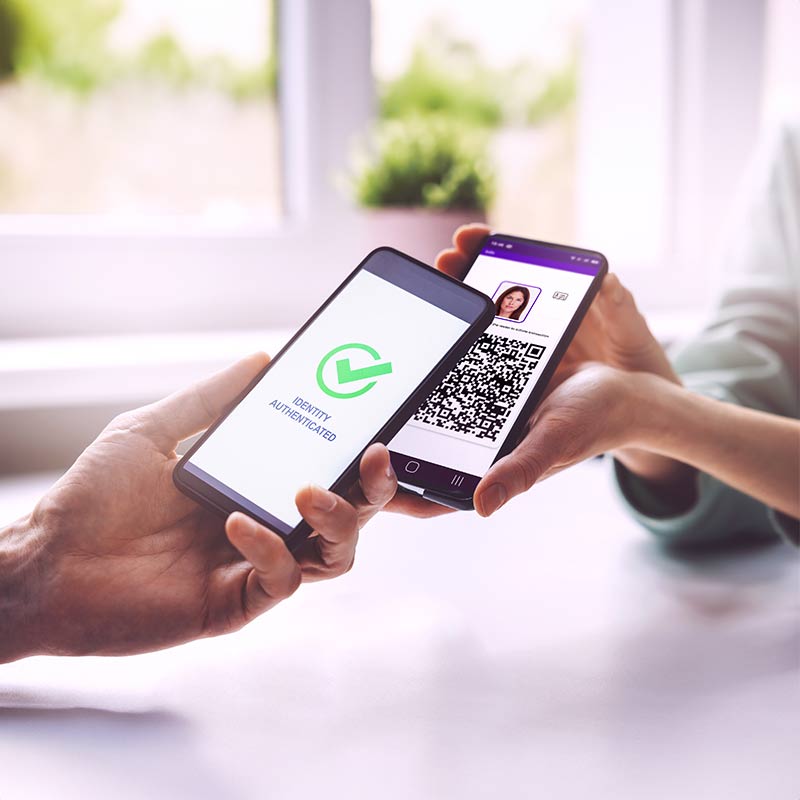
The powerful biometric matching system will be able to handle 1 million 1:1 and 1:N identity verification searches per day

IDEMIA Smart Identity (www.IDEMIA.com) has renewed its commitment to Nigeria’s National Identity Management Commission (NIMC) by implementing an upgrade of the entire biometric identification system, which will accommodate 250 million records. This project, supported by the World Bank through its ID4D initiative, will ensure that each citizen’s identity in the civil database remains unique.

On February 28, 2024, IDEMIA Smart Identity and NIMC agreed to renew their long-standing collaboration and upgrade NIMC’s biometric system to become the most advanced biometric system in the world, comparable only with Aadhaar in India. The powerful biometric matching system will be able to handle 1 million 1:1 and 1:N identity verification searches per day.

The initial system was designed to support 100 million records but has already reached around 90 million records and requires this extension to address the whole Nigerian population. In context, NIMC is already positioned to achieve the sustainable development goals target set for 2030 by the United Nations, which calls for a legal identity for all by the year 2030.*

In addition, the system upgrade is going to allow NIMC to be compliant with OSIA, an open standard set of interfaces (APIs) that enables seamless connectivity between all components of the identity management ecosystem.

“We are very proud to continue our long-standing collaboration with NIMC for the greater good of Nigeria’s growing population. The new powerful system is future-proof and will ensure that all Nigerians have access to a secured, trusted identity, enabling them to exercise their rights and responsibilities as a citizen. Moreover, this contract, in the most populous country in Africa, demonstrates IDEMIA’s capability to deploy its technologies on a very large scale,” explains Olivier Charlanes, Senior Vice President of Middle East and Africa at IDEMIA Smart Identity.

“Taking this next step in the enhancement of our system with IDEMIA Smart Identity was a natural choice for us. We wanted to ensure that we deliver the best-in-class solution to our fellow Nigerians, and the pure power of the biometric matching we will receive ensures that the solution is future-proof for our growing population,” explains Engr. Abisoye Coker-Odusote, CEO, National Identity Management Commission (NIMC) and Chairman of the OSIA Advisory Committee.

*United Nations Sustainable Development Goals (SDG) 16.9: “By 2030, provide legal identity for all, including birth registration.”

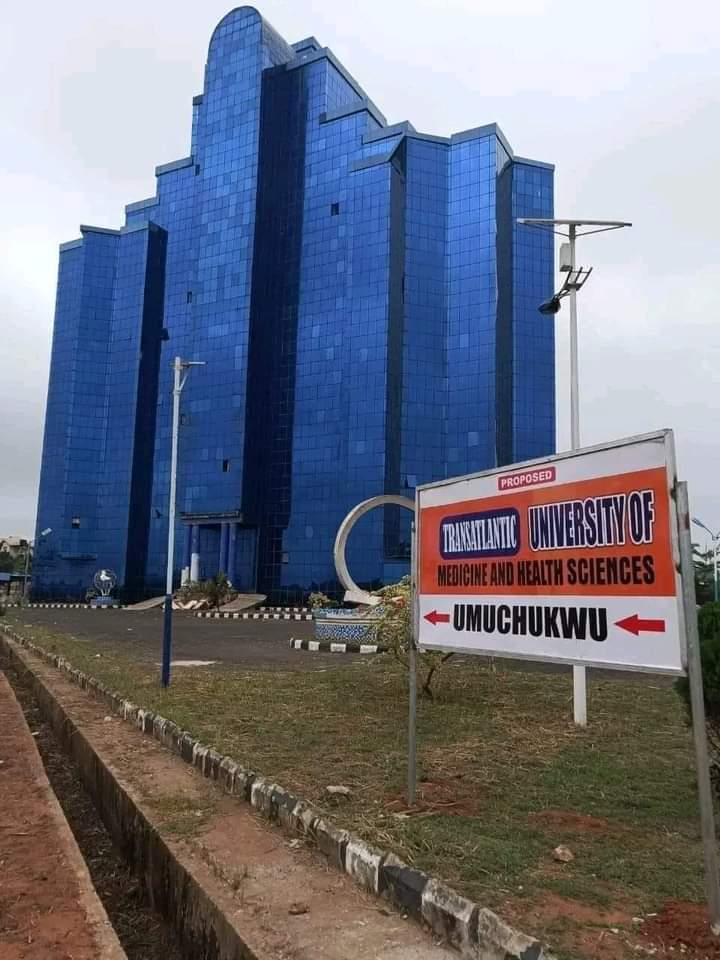
In a groundbreaking initiative set to transform the healthcare landscape of Nigeria, Dr. Godwin Maduka, alongside his dedicated team, announces the establishment of Translantic Medical University in Umuchukwu, Anambra State.

Built on the foundation of a once-renowned hospital edifice, the transformation of this facility into a state-of-the-art teaching hospital and university marks a significant milestone not only for Anambra State but for Nigeria and Africa as a whole. With a commitment to producing world-class medical professionals, Translantic Medical University aims to address the critical shortage of healthcare personnel in Nigeria, catering to the needs of over 200 million Nigerians.

Dr. Godwin Maduka, a native of Anambra State, recognized the urgent need for capacity building in the medical field and took the initiative to establish one of the largest hospitals in Sub-Saharan Africa in his hometown of Umuchu, now renamed Umuchukwu. This visionary project underscores Dr. Maduka’s commitment to advancing healthcare education and service delivery in Nigeria.

Translantic Medical University is poised to become a center of excellence for medical education, training, and research, producing some of the finest doctors and medical professionals in Igbo land and Nigeria. Leveraging Dr. Maduka’s extensive experience as a medical director in the USA, the university will offer world-class education and training, positioning Anambra State as a hub for medical innovation and excellence in the country.

This commendable initiative reflects Dr. Godwin Maduka’s unwavering dedication to bridging the gap in Nigeria’s healthcare system and ensuring access to quality healthcare for all. Translantic Medical University is set to play a pivotal role in shaping the future of healthcare in Nigeria and beyond.

 Translantic Medical University is a leading institution dedicated to excellence in medical education, research, and healthcare delivery. Located in Umuchukwu, Anambra State, the university is committed to producing world-class medical professionals equipped to address the evolving healthcare needs of Nigeria and beyond. Led by Dr. Godwin Maduka, a visionary leader in the field of healthcare, Translantic Medical University aims to revolutionize medical education and service delivery in Africa


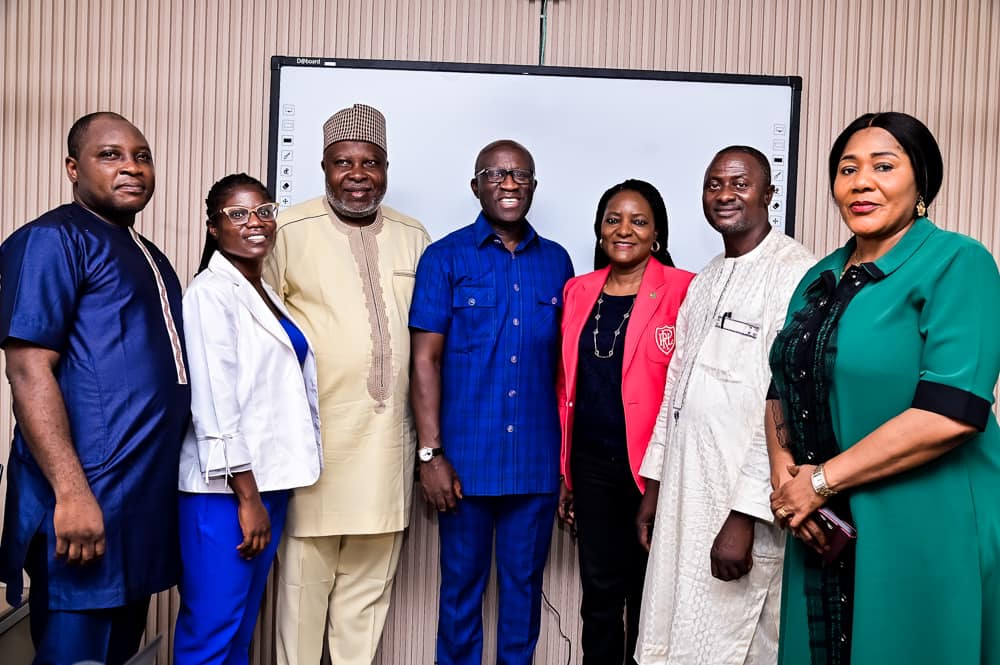
Dr. Vincent Olatunji, the National Commissioner/CEO of the Nigeria Data Protection Commission (NDPC), spearheaded a pivotal meeting with representatives from the African Union Commission (AUC) and German Development Cooperation (GIZ). Led by Amazouz Souhila, a senior ICT policy developer from AUC/GIZ, the gathering aimed to explore avenues for collaboration under the “Technical Assistance Programme on Data Policy and Governance” for the NDPC.

The strategic discussions underscored the commitment of all parties involved to bolstering Nigeria’s data protection ecosystem. Dr. Olatunji, accompanied by the management team of NDPC, emphasized key areas of focus, including Awareness Creation, Capacity Building, and the development of Regulations and Sectoral Guidelines. These initiatives are crucial for fostering a robust data protection framework that safeguards the rights and privacy of Nigerian citizens.

The AUC officials reaffirmed their dedication to enhancing the NDPC’s capabilities, offering support to fulfill its mandate effectively. Additionally, they expressed readiness to share insights and experiences with other African nations, fostering collaboration and knowledge exchange within the realm of data protection governance.

The collaborative efforts between NDPC, AUC, and GIZ represent a significant step towards advancing data protection initiatives in Nigeria and across the African continent. By leveraging collective expertise and resources, the stakeholders aim to drive sustainable progress and ensure the responsible handling of data in an increasingly digitalized world.


Source: IT EDGE NEWS


The NNPC Academy, a subsidiary of the Nigerian National Petroleum Corporation (NNPC), organized a thought-provoking lecture focusing on career advancement and leadership within the oil, gas, and energy industry. The session, held at the prestigious University of Abuja Business School, featured insights from Mrs. Folashade Adekeye, the esteemed Managing Director of NNPC Academy.

Addressing an audience of MBA and DBA students, Mrs. Adekeye shared invaluable perspectives gleaned from her extensive experience in the sector. With a keen focus on navigating career trajectories and assuming leadership roles, she provided practical guidance to aspiring professionals eager to make their mark in the energy industry.

Central to the lecture was a compelling case study drawn from NNPC Ltd., offering attendees a firsthand understanding of the challenges and opportunities inherent in the energy sector. Mrs. Adekeye’s expertise and adeptness in elucidating complex industry dynamics enriched the learning experience, equipping participants with actionable insights to propel their careers forward.

The session underscored NNPC Academy’s commitment to nurturing talent and fostering leadership excellence within the energy domain. By facilitating engaging discussions and knowledge-sharing initiatives, the academy aims to empower the next generation of industry leaders, driving innovation and sustainable growth in the sector.

Participants lauded the event for its relevance and timeliness, expressing gratitude for the invaluable perspectives offered by Mrs. Adekeye. As the energy landscape continues to evolve, initiatives such as these play a pivotal role in preparing professionals to navigate the complexities of the industry with confidence and competence.


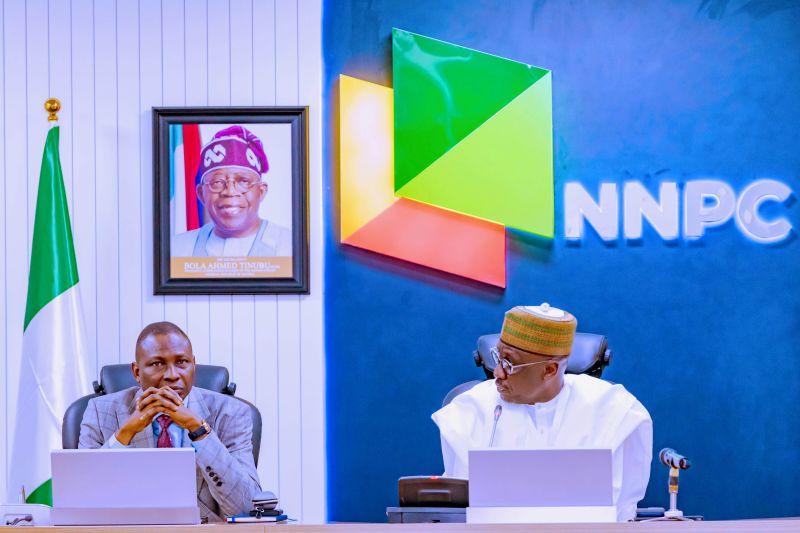
The Nigerian National Petroleum Company Limited (NNPC Ltd.) has appealed to the Economic and Financial Crimes Commission (EFCC) to help tackle the menace of crude oil theft in the country.

The Group Chief Executive Officer of the company, Mr. Mele Kyari, made the appeal at an interactive session with the EFCC’s helmsman, Mr. Ola Olukoyede, which held at the NNPC Towers in Abuja on Monday.

Speaking passionately about the efforts by NNPC Ltd to eradicate corruption from its system and stem crude oil theft and pipeline vandalism, Kyari contended that going by the volume of oil stolen daily and the brazenness with which the perpetrators operate, crude oil theft was the most humongous and virulent economic crime in Nigeria that must attract the attention of the EFCC.

“As we continue to do our best to deepen transparency and stamp out corruption from the system, there is one big challenge that you will need to help us with, Mr. Chairman. That challenge is crude theft. It fits into everything you have said—the people, the asset, the opportunity, and the absence of deterrence.”

“We have deactivated 6,409 illegal refineries in the Niger Delta region. Today, we have disconnected up to 4,846 illegal pipes connected to our pipelines, that is out of 5,543 such illegal connection points. That means there are a vast number of such connections that we have not removed.

“These things don’t just happen from the blues. They happen in communities and locations we all know. As we remove one illegal connection, another one comes up. It is sad, Mr. Chairman.”

“This kind of thing does not happen anywhere else in the world. When we say illegal connections, they are not invisible things, they are big pipes that require some level of expertise to be installed. Some of them are of the same size as the trunk line itself. No one would produce crude oil knowing fully well that it is not going to get to the terminal. That is why nobody is putting money into the business. So, you can’t grow production.”


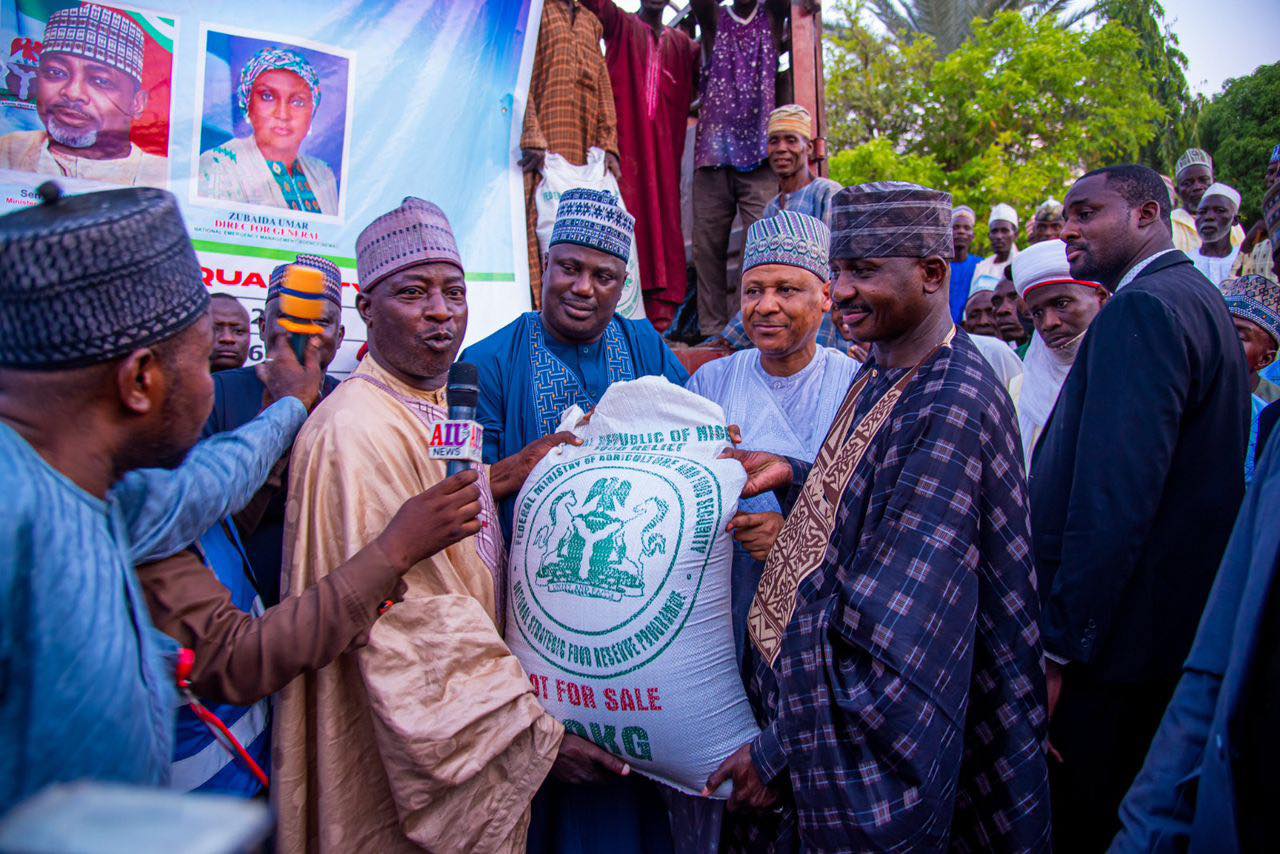
In a significant move to alleviate the plight of vulnerable Nigerians, President Bola Ahmed Tinubu has authorized the release of 42,000 metric tonnes of grains from the National Strategic Grain Reserve. This decision aims to address food insecurity and ensure essential sustenance reaches those most in need across the nation.

The Honorable Minister of Information & National Orientation, Mohammed Idris, FNIPR, joined hands with H.E. Ahmad Aliyu Sokoto, Governor of Sokoto State, along with esteemed colleagues, the Honorable Minister of Agriculture and Food Security, Senator Abubakar Kyari, and the Minister of State, Senator Dr. Aliyu Sabi Abdullahi, to initiate the distribution process.

Supported by the National Emergency Management Agency (NEMA), the distribution efforts are closely monitored by security agencies to guarantee transparency and accountability at every stage.

In an assurance to the nation, Mohammed Idris affirmed that the distribution will encompass every state, ensuring equitable access to essential grains. He pledged to provide regular updates and comprehensive information on the distribution progress, fostering transparency and public confidence in the initiative.

This strategic intervention underscores the government’s commitment to prioritizing the welfare of its citizens, particularly during challenging times, and demonstrates a collaborative effort between federal and state authorities to address pressing humanitarian needs.


Barbra Okafor, a recent graduate from the prestigious London School of Economics and Political Science (LSE), has emerged from a transformative academic journey, marked by resilience, growth, and profound introspection.

While Babra graduated with Distinction in Media and Communications from LSE, the true essence of their journey lies beyond academic accolades. With a rich career background spanning illustrious companies such as TikTok, BBC, TRACE, and NCBN,Barbra Okafor brought a wealth of experience to the halls of LSE.

Describing their experience at LSE as akin to navigating a beautiful storm,Barbra Okafor recounts the initial shock of re-entering academia after a fulfilling career. The intensity of the academic environment, coupled with a part-time role as a video and podcast producer at LSE, posed significant challenges. Despite moments of doubt, Barbra Okafor found solace in the wise counsel of their academic advisor, who emphasized the importance of embracing the journey, regardless of its challenges.

Throughout their time at LSE, Babra discovered the transformative power of community and self-reflection. Engaging in spirited discussions and shared moments of growth, [Your Name] found inspiration from esteemed educators like Professor Shakuntala Banaji, whose teachings ignited a passion for critical thinking and societal change.

Now, having graduated in December, Babra reflects on the value of slowing down and celebrating personal progress amidst the pursuit of new opportunities. Grateful for the experiences and connections forged at LSE, Babra looks ahead with eagerness, carrying invaluable lessons learnt from their journey.

From being featured in LSE’s graduation video to contributing to the vibrant campus community,Barbra Okafor’s journey serves as a testament to resilience, growth, and the enduring pursuit of knowledge.


No alt text provided for this image


Honourable Minister of Power, Adebayo Adelabu, engaged with journalists in a question and answer session during a Ministerial Press Briefing organized by the Minister of Information and National Orientation, Mohammed Idris, on Friday, April 5th, 2024. The session aimed to address various concerns surrounding Nigeria’s power supply and the government’s efforts to enhance the country’s energy infrastructure.

In response to inquiries regarding the Memorandum of Understanding (MOU) signed with Germany to bolster Nigeria’s power supply, Honourable Minister Adelabu elucidated on the developments since the agreement’s inception in 2018. He acknowledged the challenges encountered, particularly amid the COVID-19 pandemic and the transition to a new government. However, he expressed optimism following recent discussions with German counterparts and the signing of an acceleration agreement in December 2023. The pilot phase of the project, which includes the installation of power transformers and mobile substations, is nearing completion, signaling significant progress towards enhancing the nation’s transmission and distribution infrastructure.

Dispelling misconceptions surrounding the connectivity of the Zungeru hydroelectric power plant to the national grid, Honourable Minister Adelabu clarified that the plant is operational and capable of evacuating power. He emphasized ongoing efforts to finalize the technical handover process, with power generation already initiated and expected to ramp up in the coming weeks.

Addressing concerns regarding power plants receiving payments without supplying electricity, the Minister assured transparency and accountability in government operations, asserting that no power plant would receive payments without fulfilling its obligation to generate power.

In response to queries regarding the government’s role in the power sector, Honourable Minister Adelabu emphasized the importance of privatization while acknowledging its shortcomings. He underscored the government’s commitment to optimizing the performance of private sector operators and ensuring the sector’s efficiency and effectiveness.

Regarding concerns over the rationalization of power consumption, the Minister urged prudence and efficient energy management among consumers, emphasizing the need for reporting any service deficiencies to the Nigerian Electricity Regulatory Commission (NERC).

Honourable Minister Adelabu concluded the session by reiterating the government’s dedication to addressing challenges in the power sector and enhancing electricity access and reliability nationwide.