Professor Ndubuisi Ekekwe, an esteemed entrepreneur and lecturer at the Tekedia Institute Faculty, has voiced concerns over Nigeria’s rapid depletion of foreign reserves in a bid to defend the Naira. Drawing on Igbo wisdom, Prof. Ekekwe emphasized the importance of strategic foresight in addressing the underlying challenges facing the nation’s economy.

“In the Igbo Nation, the elders will say that ‘a bird which flew from the ground only to perch on an ant-hill is still very much on the ground,'” remarked Prof. Ekekwe. “This analogy underscores the reality that Nigeria’s reliance on foreign reserves to bolster the Naira is akin to short-term solutions that fail to address deeper structural issues.”

Recent reports indicate that Nigeria’s Central Bank is grappling with the fastest decline in foreign-exchange reserves in four years, sparking concerns about the sustainability of the country’s economic stability. Prof. Ekekwe cautioned against solely relying on depleting reserves to shore up the Naira, stressing the need for a comprehensive long-term strategy.

“While draining foreign reserves may provide temporary relief, it is imperative to consider the ramifications once these reserves are exhausted,” noted Prof. Ekekwe. “True economic resilience lies in fortifying the Naira through sustainable policies that stimulate domestic production and employment growth.”

Highlighting Nigeria’s potential to navigate currency challenges, Prof. Ekekwe underscored the importance of endogenous policies aimed at bolstering the Naira from within. He emphasized the critical role of the Central Bank in not only managing inflation but also fostering employment opportunities through strategic interest rate management.

“For far too long, Nigeria has overlooked the imperative of nurturing domestic industries and fostering employment,” observed Prof. Ekekwe. “To achieve lasting economic stability, we must prioritize policies that promote industrial growth and address youth unemployment.”

As Nigeria confronts the complexities of currency defense and economic resilience, Prof. Ekekwe’s insights serve as a timely call to action for policymakers and stakeholders to adopt a holistic approach towards achieving sustainable development and prosperity.


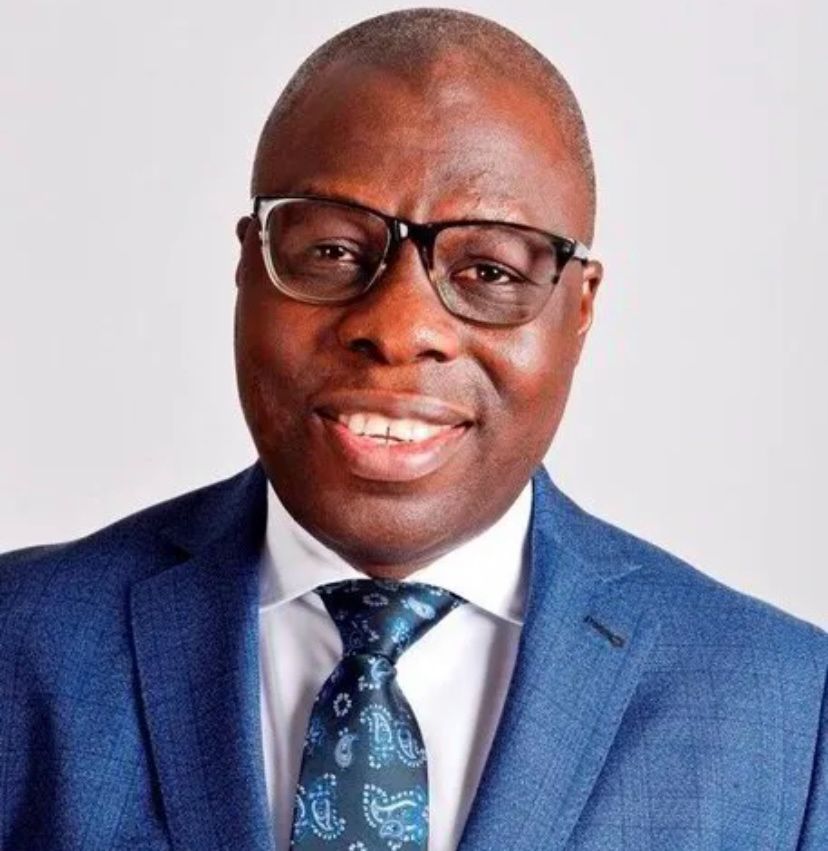
Shell, a prominent player in the global oil industry, has announced the appointment of Leye Falade as the Managing Director of Brunei LNG. Brunei LNG, a significant liquefied natural gas (LNG) facility with a capacity of 7.2 MMTPA, is situated in Lumut and is jointly owned by the Government of Brunei, Shell, and Mitsubishi.

In his new role, Mr. Leye Falade will assume responsibility for overseeing Shell’s operations at the LNG plant. Prior to this appointment, Mr. Falade served briefly as the Country Chairman of Shell Namibia. He brings a wealth of experience to his new position, having previously served as the General Manager for Production at Nigeria Liquefied Natural Gas Company (NLNG).

Originally from Nigeria, Mr. Falade holds a degree in Electrical/Electronics Engineering from the University of Ibadan and earned an MBA from Henley Business School in the UK. He is also an alumnus of the London Business School and INSEAD.

With over 26 years of experience in the upstream petroleum and integrated gas sectors, Mr. Falade boasts a robust background in asset management, production, and delivery. His extensive career has seen him work across multiple countries in Europe, Asia, Africa, and the Middle East, further enriching his expertise in the industry.

Mr. Falade’s appointment underscores Shell’s commitment to leveraging top-tier talent to drive operational excellence and ensure the continued success of its LNG operations in Brunei.


Zoracom, a leading IT firm renowned for its commitment to employee welfare, recently spearheaded initiatives aimed at promoting holistic health awareness among its workforce. With a focus on dental and eye care, these endeavors underscore Zoracom’s dedication to fostering a culture of well-being within the organization.

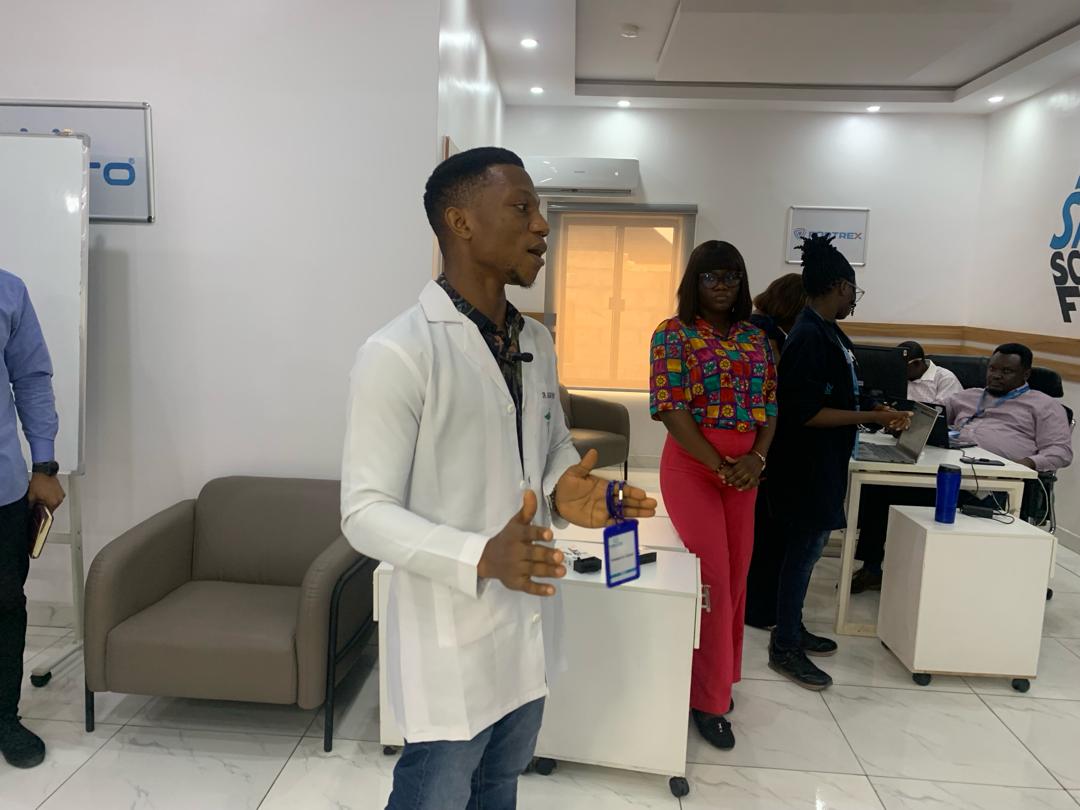
The company’s proactive approach to employee health was evident in the recent eye care and dental wellness campaigns conducted onsite. Through informative sessions and engaging activities, Zoracom employees were empowered with valuable knowledge and resources to prioritize their dental and eye health.

“We believe that a healthy workforce is the cornerstone of a thriving organization,” remarked Nwachukwu a top  senior executive  at Zoracom. “By prioritizing initiatives like these, we not only enhance the well-being of our team members but also contribute to a more productive and vibrant workplace.”

Capturing the essence of these initiatives, a series of photographs showcase moments of enlightenment and engagement during the eye care and dental wellness sessions held at Zoracom. From informative presentations to interactive discussions, the images encapsulate the spirit of empowerment and camaraderie that permeated throughout the events.

“We are proud to champion holistic health awareness among our team,” added the executive. “At Zoracom, we recognize the importance of nurturing both the physical and mental well-being of our employees, and we remain committed to providing them with the necessary support and resources to thrive.”

As Zoracom continues to prioritize employee welfare and wellness, these initiatives serve as a testament to the company’s unwavering dedication to creating a healthy and vibrant work environment.

May be an image of 5 people, people studying and text that says "WORK RIGHT, REWORA RE WADM SUT EXP 2 zmart M"

“We believe that a healthy workforce is the cornerstone of a thriving organization,” remarked Nwachukwu a top  senior executive  at Zoracom. “By prioritizing initiatives like these, we not only enhance the well-being of our team members but also contribute to a more productive and vibrant workplace.”

May be an image of ‎12 people, people studying, newsroom and ‎text that says "‎WORK RIGHT.N IR الها RE EMPE EXPE‎"‎‎

May be an image of 5 people, people studying and text that says "WORK RIGHT, REWORA RE WADM SUT EXP 2 zmart M"


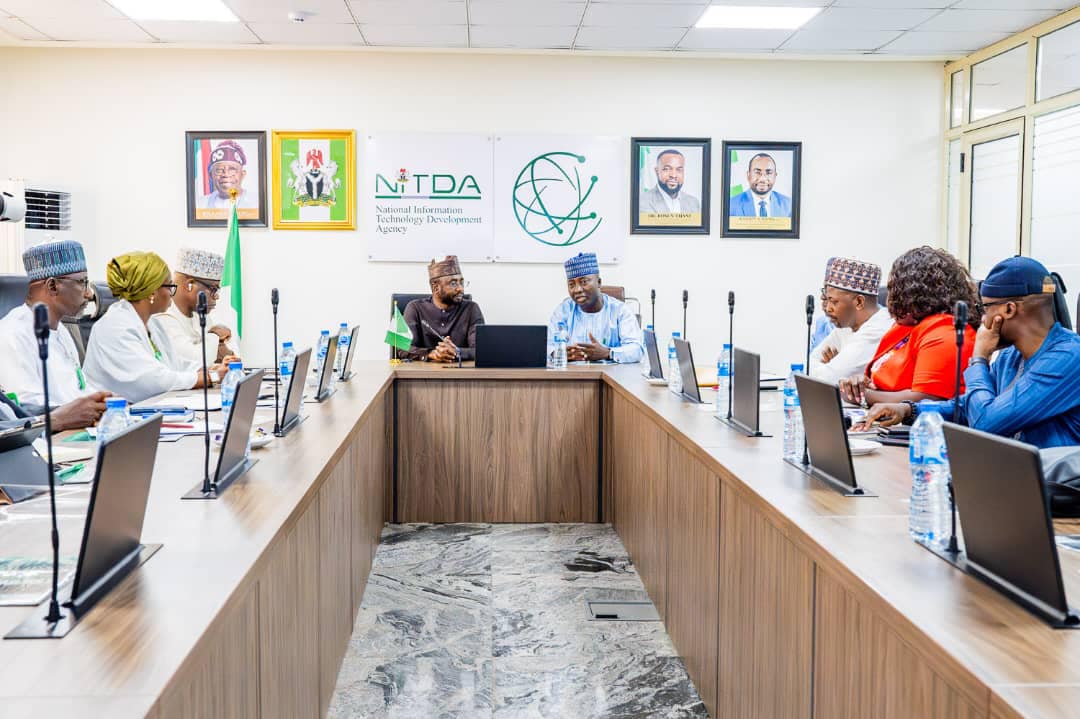
The National Information Technology Development Agency (NITDA) recently welcomed a delegation from the National Institute for Policy and Strategic Studies (NIPSS) for a comprehensive study tour. Led by Brigadier General Abdulrahman Idris, the delegation comprised participants from the esteemed Senior Executive Course 46.

The primary objective of this engagement was to afford the participants a valuable opportunity to engage directly with NITDA, facilitating the gathering of pertinent data. The insights garnered are intended to fuel recommendations and devise robust implementation strategies. These initiatives are strategically aimed at bolstering support for the digital economy and fostering sustainable job creation, in alignment with the agenda set forth by President Bola Ahmed Tinubu’s administration.

This collaborative effort underscores the significance of harnessing technology and digital innovation as key drivers of economic advancement and the generation of employment opportunities. By synergizing the expertise and resources of NITDA and NIPSS, this partnership strives to pave the way for a more digitally inclusive and economically vibrant future.

Global leaders have issued urgent appeals for restraint following Iran’s unprecedented missile and drone strikes on Israel, amid fears of a potential wider conflict in the region.

Iran launched the attack in retaliation for an airstrike, widely attributed to Israel, which destroyed Tehran’s consular building in the Syrian capital earlier this month.

The strikes have significantly heightened tensions in the Middle East, coming amidst a deadly conflict between Israel and the Palestinian militant group Hamas in Gaza, which has been ongoing for the past six months.

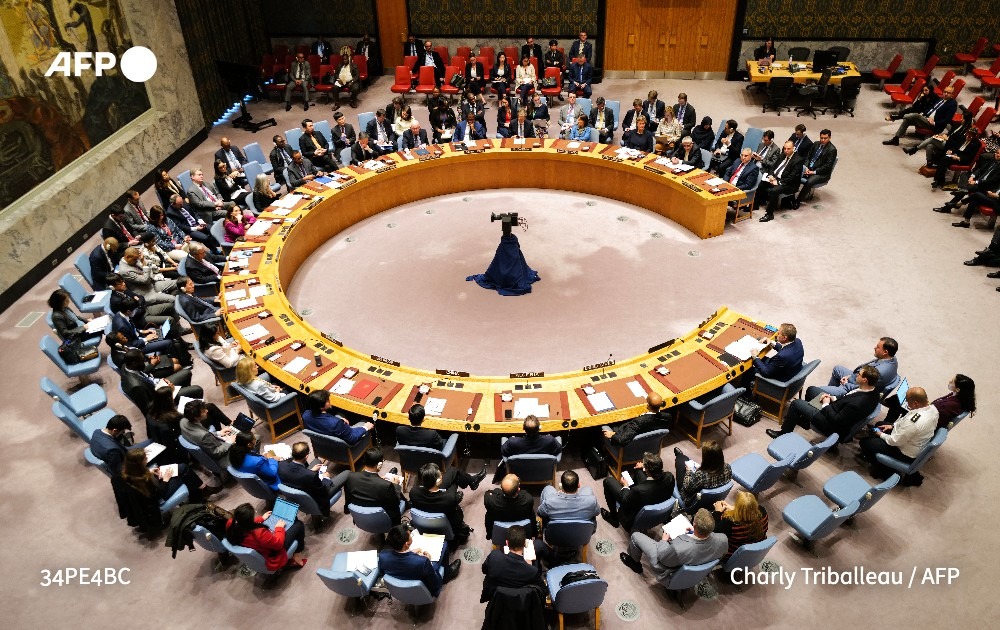
United Nations Secretary-General Antonio Guterres emphasized the critical need for peace, stating, “Neither the region nor the world can afford more war.” Speaking at an emergency meeting of the UN Security Council, he warned, “The Middle East is on the brink. Now is the time to defuse and de-escalate.”

The international community is closely monitoring the situation, with hopes for a swift resolution to prevent further escalation of hostilities in the region.

The wait is finally over as global icon Beyoncé debuts her latest musical masterpiece, “Cowboy Carter,” a celebration of her deep southern roots and the second installment of her highly acclaimed “Renaissance” trilogy.

Featuring 27 tracks infused with the rich sounds of country music, Beyoncé’s latest studio album is a testament to her versatility and musical evolution. From soulful ballads to energetic anthems, “Cowboy Carter” showcases Beyoncé’s unparalleled talent and creativity, highlighted by the addition of strings and pedal steel guitar.

In a nod to collaboration, the album includes captivating duets with chart-toppers Miley Cyrus and Post Malone, adding a new dimension to Beyoncé’s signature sound. Furthermore, fans can expect breathtaking renditions of iconic classics such as Dolly Parton’s ‘Jolene’ and The Beatles’ timeless hit ‘Blackbird.’

“Cowboy Carter” marks Beyoncé’s eighth studio album, solidifying her status as a trailblazing force in the music industry. With each release, Beyoncé continues to push boundaries and captivate audiences worldwide, reaffirming her place as one of the greatest artists of our time.

Beyoncé is a multi-award-winning artist, producer, and philanthropist known for her groundbreaking contributions to music and culture. With a career spanning decades, Beyoncé continues to inspire and empower audiences worldwide through her artistry and activism.

Germany has made history by becoming the largest EU country to legalize recreational cannabis, marking a significant shift in drug policy despite opposition from various sectors.

Under the groundbreaking new law, adults over 18 years old are now permitted to possess up to 25 grams of dried cannabis and cultivate up to three marijuana plants in their homes, representing a substantial departure from previous regulations.

The move positions Germany among the most progressive nations in Europe regarding cannabis legislation, joining the ranks of Malta and Luxembourg, which paved the way by legalizing recreational use in 2021 and 2023, respectively.

Germany’s decision comes amid evolving attitudes towards cannabis across the continent. Even in the Netherlands, renowned for its historically lenient stance on the drug, recent years have seen a tightening of regulations aimed at curbing cannabis tourism.

Despite objections from opposition politicians and medical associations, Germany’s move signals a decisive step towards embracing the benefits of cannabis legalization while addressing associated challenges.


The USD is on the downward trend, and it may reach unexpectedly low before June as petroleum marketers started lifting AGO (Diesel) from Dangote refinery earlier this week. PMS lifting to commence in May. This will further crash the USD.

The reason being that large percentage of the importers sourcing the USD are petroleum products importers, now that they pay in Naira for lifting from Dangote refinery, there will be a less pressure on the USD and dollar will be more available to other importers who do not need as much dollars as petroleum products importers.

The CBN has also tightened the noose on the banks. Nobody can get the USD without actually needing it. You submit your three years tax certificates, international passport, visa, oversea’s vendor’s account number (in which the bank will help you pay as you will not be given any physical dollar), proforma and any other document as may be required by your bank.

Similarly, your bank will have to apply to the CBN portal on your behalf, and upon qualifying for the application, your bank will pay the said amount into your overseas vendor’s account. There is no room for hoarding of the USD, which will, in turn, cause unnecessary artificial scarcity in the market.

As an importer sourcing dollars from the bank, you are only entitled to 20 percent of the total sum needed, and note that this will not be given to you in cash either. It will be paid into your dollar card which you can only spend outside the country when you travel abroad for your importation activities. You don’t have any business spending dollars in Nigeria.

The same thing goes for those who patronise the bereaux de change. Before you can get the USD from the aboki, you must definitely need it outside the shore of Nigeria. There are no longer undocumented transactions. You have to submit your NIN and BVN. If you are going to study abroad and you want to pay your school fees, you must submit a copy of your admission letter, school invoice, and account number. Then the aboki will help you pay.

No longer undocumented transactions, and you can not collect it from the aboki, let alone hoarding it. Just like an importer, you as a student are also entitled to 20 percent of the total amount. You may need some money outside the school fees, like accommodation, transportation and some other miscellanies. Don’t forget that aboki will not give you this 20 percent in cash. It will be paid into a designated facility designed by the CBN.

You may think you can buy your way and play the game, but I doubt it because no aboki will want to toy with his business. As a matter of fact, they all now register with 250k for one state operation and 500 million Naira deposit. For an aboki that wants to operate nationwide, they have to register with 500k and deposit 2 billion Naira. You heard me right, 2 billion Naira. And any infraction may make them lose their deposit.

No, aboki will even favor you at the expense of his business because the CBN is now giving them 20,000 dollars per week to trade with, and they will pay the Naira equivalent to the CBN Though they have not reached the target, they can only get 10k USD for now, and as more dollars are available, they can get the 20k USD as promised.

I don’t think any aboki will want to play any dirty game to lose this opportunity, because henceforth, they have to account for how the USD given to them the previous week was used with documents to back it up before they can qualify for another allocation. And you think with all these stringes attached, an aboki will want to favor you as a customer to lose his business? Not even a politician can make him play the ball. For your information, about 4173 abokis were deregistered, and licenses were withdrawn. We are only left with manageable 1500 plus. Any uncomplied aboki will be deregistered with the speed of light.

In a long while, this month of March was the only month the federal allocation would be shared without a dollar going up. Instead, it nosedived. I trust our super corrupt governors before these policies, they would have converted their state allocations to dollars, weakened our Naira, and strengthened the dollars. Very unpatriotic it sounds. Another shocker is that commercial banks can not hoard dollars again. They are given a threshold to maintain, and any excess should be sold to their customers.

This also includes the profits they make on the dollar transactions that used to be shared by the shareholders before now. Any profit from the dollar transactions should be reinjected into their dollar business, and when the threshold is reached, they should sell the spillovers. Is God not wonderful? Our almighty banks, abokis, and super governors are all caged with one stroke of policies. Nigeria is on the right tracks, and we are going to get it right.


The officers of the NPF have excelled at the just concluded US Special Program for Embassy Augmentation Response (SPEAR) team mission at Amman, Jordan.

The training, which commenced on the 10th of March 2024 and concluded on the 3rd of April 2024, was designed to enhance the team’s skills in responding to various emergencies and tactical situations. The program was conducted by the US Navy Seals and covered a wide range of topics, including several tactical drills and assessments, ensuring a well-rounded and thorough learning experience.

The NPF is incredibly proud of these gallant men for their commitment and hard work throughout the training program as they were lauded as the best set to ever be trained. This achievement not only demonstrates their dedication to professional growth but also strengthens the capabilities of the Nigeria Police Force towards improved service delivery and sustainable national security and safety.

The team was led by the Squadron Commander 23PMF, ACP Itse Daniel Amah.

The Inspector-General of Police, IGP Kayode Adeolu Egbetokun PhD, NPM., extends his heartfelt congratulations to the team and looks forward to seeing the positive impact of their enhanced skills. He also appreciates the US Consulate General and other active organizers for their exceptional support in organising such training to upscale the men’s intellectual and professional capabilities.


All around the world businesses are pulling out the stops to achieve growth in what can best be described as challenging economic conditions. Africa is no exception. The continent has long been recognised for its immense potential, and as such businesses across sectors are investing heavily into the continent. Advancements in technology make serving the unbanked and underserved populations in Africa more viable than ever before. However, that does not mean growth comes easily. It is a hyper competitive and complex environment where genuinely understanding your customer is key to growth.

Even with this textbook understanding, there is a strong urge to take the “build it and they will come” approach because we can get caught up in our own technology and view problems from our frame of reference while ignoring the customer. This is typified in the African market where we see multiple shiny apps being dropped across markets with massive investments behind them only to be followed by a scaling down of operations as customer uptake and usage have not met expectations.

Instead, leading fintechs that show consistent growth have a deep understanding of their customers’ needs and then constantly listen to their customers. Having a deep understanding of customer needs results in innovative solutions. But that is only half of what you need. Listening to customers as you build those solutions is what guarantees market adoption and success. It also allows you to discover further unmet needs. Without listening you fall into the trap of building it and hoping customers will come.

The point here is that you need to listen to customers that are already talking to you. Yes, A fintech can listen directly to its customers in the form of focus groups or formal surveys where customers can engage and tell it directly and clearly what they don’t like, what they do, and what they want. But in a fast-paced environment it is not always possible to engage in traditional research to uncover what your customers are saying. More importantly, businesses need to develop the capacity to use existing touch points where customers are already talking to them to gather the insights needed for successful product development.

Social media is a massively useful tool for this. If a business is using its social media only as a marketing or customer service tool it is missing the boat. By mining the comments coming through social media channels, including positive and negative feedback, businesses have a treasure trove of data on their customers’ voice.

Internal support tickets are another avenue. Whether customers are emailing, submitting comments through various platforms or calling into a contact centre, they are telling you about their problems. Often, this information starts and stops with frontline staff. Fintechs, or any businesses, need to have the right processes to gather that information effectively and feed it up to the product development team.

Of course, it is great when customers explicitly tell you what they want or need through these channels but regardless of what they say, every interaction can implicitly give you direction. For example, if customers continue to complain about something, they may not be telling you what to do or what to change, but they are telling you that your current solution is not working. An effective business must address those problems because that’s how to genuinely serve customers.

Of course, listening is only worth anything if you do something about it. The amount of data and insights being mined can become overwhelming and so businesses need a quick way of scoring opportunities. It is impossible to have all possible information to calculate the most accurate return on investment. Rather, the business needs a quick, effectively designed scoring system or process that can help decision-makers weigh up revenue opportunities and customer service opportunities.

The team needs to balance these opportunities based on the business’s long-term strategy and on what the most pressing need is for customers. This is important because in a highly competitive world, customer retention is golden. Beyond this, an effective scoring system keeps the development roadmap full.

Beyond scoring, prioritising opportunities is also influenced by where a business is in its development cycle, which development teams have immediate capacity, and which of the top opportunities can fit into the development roadmap immediately. Certainly, from an innovative fintech’s perspective, the goal should be to get a Minimum Viable Product (MVP) out of the gates as quickly as possible as opposed to chasing the Rolls Royce solution at the outset. This is critical if the fintech wishes to be agile and relevant as opposed to producing one shiny, state-of-the-art product a year with no real knowledge of how customers will react to it.Digital Wallet Enables Financial Inclusion in Africa - IT-Online

One of the most important ways a fintech can listen to its customers is to gauge how they engage with its products. By using agile methods and principles, and building iteratively — from getting an MVP into testing and then exposed to the market, all the way through phase two and three development — a successful fintech is able to use its tight feedback loops to continually listen to customers. This way the product’s development is influenced by the needs of the customer all through its development, meaning the product is effectively serving needs and not just being pushed into the market.

A customer may not understand or use a product the way it was designed — this is incredibly useful information during development phases. Mukuru develops with a finger on the pulse of feedback loops because developing products for the unbanked is not the same as developing products out of Silicon Valley: Solutions don’t yet exist and they need to be built from scratch.

Of course, not all resources can go into new features and a portion of development should go into maintenance and support for live products — after all, the brand promise must be kept. It’s a balancing act that each company must manage.

This is how fintechs such as Mukuru evolve into next-generation digital financial services providers. The brand promise is pinned on growing diverse products on the same platform, using the same payment rails and methods that customers have used and grown to trust.

This is, at its core, financial inclusion because it takes the unbanked and underserved on a journey from remittances, to wallets, to the ability to purchase online goods and services, to credit, funeral cover and more. None of this is possible without developing products based on the exact needs of your customer base.


By Mike Cook, Mukuru

Head of Wallet and VAS; Lorraine Nyawo, Mukuru Head of Product Domain: Financial Services