The forum gathered leaders in government, finance and business from across the Economic Community of West African States (ECOWAS). They unpacked ways that investment can improve farming and food security across West Africa.


The ECOWAS Bank for Investment and Development (EBID) hosted the event in Lome, Togo, from 4 to 5 April.

Togo Prime Minister Victoire Tomegah Dogbé opened the forum, held under the theme ‘Transforming ECOWAS Communities in a Challenging Environment’.

She emphasized the need for a wide range of investment across human capital, energy, the digital economy, and infrastructure.

Ngozi Okonjo-Iweala, Director-General of the World Trade Organization (WTO), spoke by video about how regional integration can strengthen investments.

Simon Tiemtore, President of Vista Group Holding, and Kanayo Awani, Executive Vice President of the African Export-Import Bank (Afreximbank) stressed the importance of collaborative efforts and innovative strategies to advance investment priorities.

Discussions during the forum addressed crucial topics such as food security, fortifying agricultural supply chains, and enhancing security in West Africa.

Panellists proposed strategies for tackling challenges in agriculture, underscoring the significance of cooperation and innovation for sustainable development.

They underscored major challenges around access to finance, which seriously affects small businesses, particularly for agribusinesses and young entrepreneurs. Among the solutions discussed were ways development finance institutions such as EBID could make facilitate access to loans.

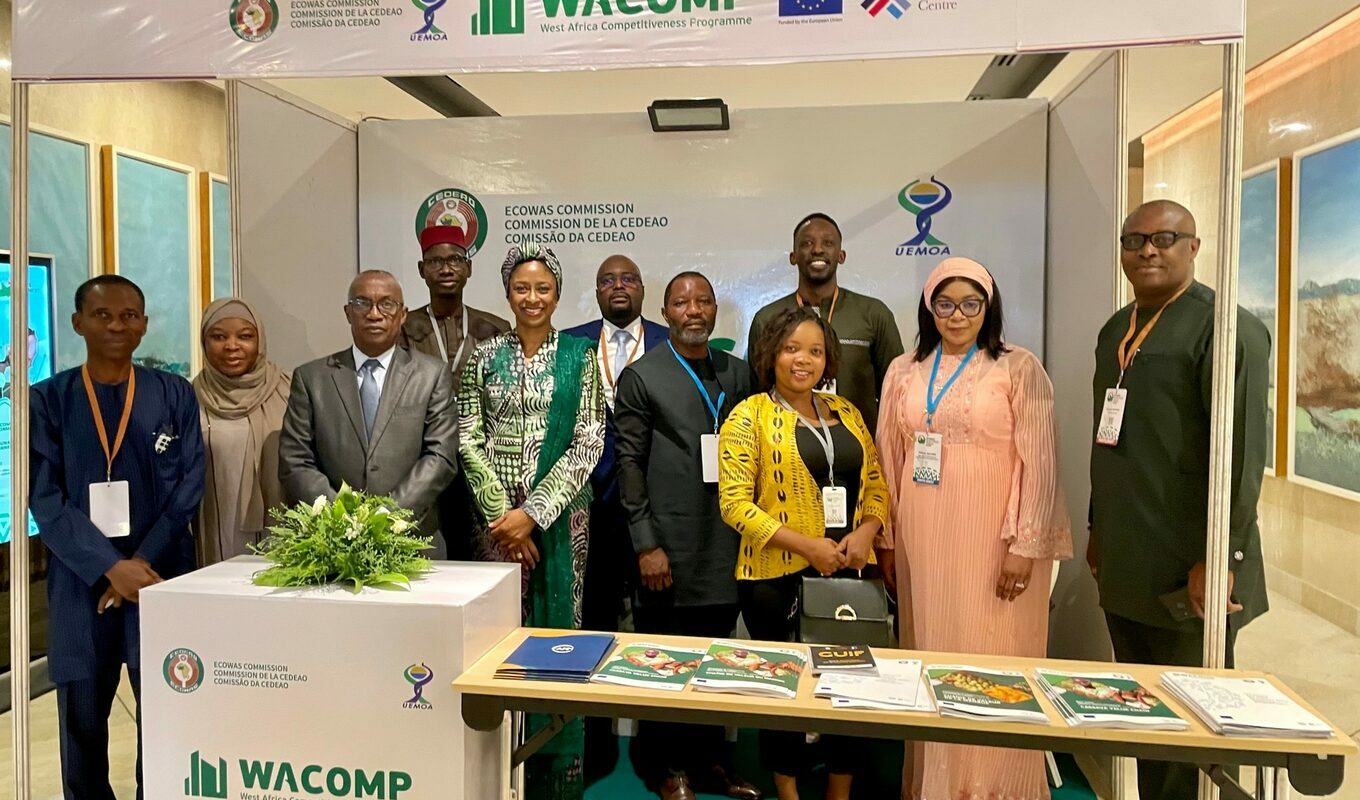
This is one of the issues that the International Trade Centre (ITC) addresses with the ECOWAS Commission through the West Africa Competitiveness Programme (WACOMP).

WACOMP facilitated the participation of nine investment promotion agencies from West Africa. These agencies showcased investment projects in their countries. The delegates engaged with business leaders on investments in critical areas such as agriculture, infrastructure development, support to small businesses, energy and climate change.

Participants deliberated on concrete projects and investment opportunities, with a focus on fostering employment, financing infrastructure, and embracing climate-resilient energy solutions. Along with  ITC and the ECOWAS Commission, the delegation met with EBID management on how to strengthen collaboration to support the inflow of investment in the region.

The Executive Secretary of the African Refiners and Distributors Association (ARDA), Anibor Kragha, will speak at the African Energy Week (AEW): Invest in African Energy conference – taking place from November 4–8 in Cape Town. Kragha’s return to the conference will not only improve the understanding of the state of play of Africa’s downstream industry but draw insight into strategies for addressing challenges to the sector’s development.


Africa is advancing its downstream infrastructure under efforts to scale-up energy security continent-wide. As the sole pan-African organization representing the African downstream sector, ARDA is at the forefront of this expansion, advocating for increased investment in infrastructure development and modernization and promoting greater participation by local companies. With African petroleum demand set to increase from current estimates of 4.1 million barrels per day (bpd) to over 5.3 million bpd by 2040, strengthening refining capacity and distribution is critical. During AEW: Invest in African Energy, Kragha will outline investment opportunities in this area.

AEW: Invest in African Energy is the platform of choice for project operators, financiers, technology providers and government, and has emerged as the official place to sign deals in African energy. Visit www.AECWeek.com for more information about this exciting event.

ARDA is spearheading both the rollout of new facilities as well as the modernization of existing downstream infrastructure to meet the continent’s needs

Across the continent, efforts to bolster refining capacity to meet rising demand for petroleum are leading to new developments taking off across the downstream sector. In Nigeria, the Dangote Refinery – Africa’s largest refining facility – started producing diesel and aviation fuel in January 2024. The 650,000-bpd facility will cater to Nigeria’s domestic energy requirements while positioning the country as a key exporter upon full operational capacity – likely expected in mid-2025. The Nigerian National Petroleum Corporation, an ARDA member, is also advancing the upgrading of the Port Harcourt refinery, with operations slated to commence in 2024 following the receipt of crude oil shipments from Shell in February.

Meanwhile, the first phase of Sentuo Oil Refinery Limited’s 120,000-bpd refinery in Ghana started operations in January 2024. The facility will process two million tons per annum of crude oil in the first phase and five million tons in the second phase, supporting the country’s industrialization efforts. While in Gabon, plans are underway to expand the processing capacity of the Port Gentil refinery to meet the rising demand for diesel and butane.

In Angola, national oil company (NOC) Sonangol – an ARDA member – awarded a project management contract for the 200,000 bpd Lobito Refinery to engineering firm KBR in April 2024. The contract advances the construction of the $6 billion facility. Once operational, the facility will be Angola’s largest refinery, increasing the country’s oil processing capacity by 200%. Angola is also developing several other refinery projects, including the 60,000 bpd Cabinda and 100,000 bpd Soyo facilities – all of which aim to bolster regional energy security by leveraging Angolan oil and gas resources. Progress is underway to modernize the existing Luanda Refinery which is responsible for 20% of the country’s demand.

In addition to refining, African countries are investing heavily in oil and gas storage capacity. Notably, Botswana Oil Limited, a member of ARDA and the country’s NOC, is seeking proposals for the Tshele Hills Oil Storage Development project, furthering Botswana’s fuel storage infrastructure for enhanced energy security. A tender was issued in November 2023, offering a strategic opportunity for downstream investors. The Kenya Pipeline Company is also committed to increasing storage capacity in the country, acquiring the now-defunct Kenya Petroleum Refineries Ltd’s assets in 2023. With the acquisition, the company has assumed management of 45 storage tanks with a capacity of 484 million liters, as well as the new Kipevu Oil Terminal 2 – which will double the country’s handling capacity from 35,000 tons.

“Meeting the growing demand for petroleum across Africa requires significant investments across the downstream sector. ARDA is spearheading both the rollout of new facilities as well as the modernization of existing downstream infrastructure to meet the continent’s needs. The association will continue to be instrumental in ensuring Africa meets its goal of making energy poverty history by 2030,” stated NJ Ayuk, the Executive Chairman of the African Energy Chamber.

Boasting a membership of 74 African oil refiners, importers, terminal operators, energy marketers, distributors and regulators, ARDA facilitates the exchange of technical and commercial best practices, advancing the growth of Africa’s downstream industry. At AEW: Invest in African Energy 2024, Kragha will engage in high-level panel discussions, spotlighting Africa’s downstream project pipeline and attractive investment opportunities.


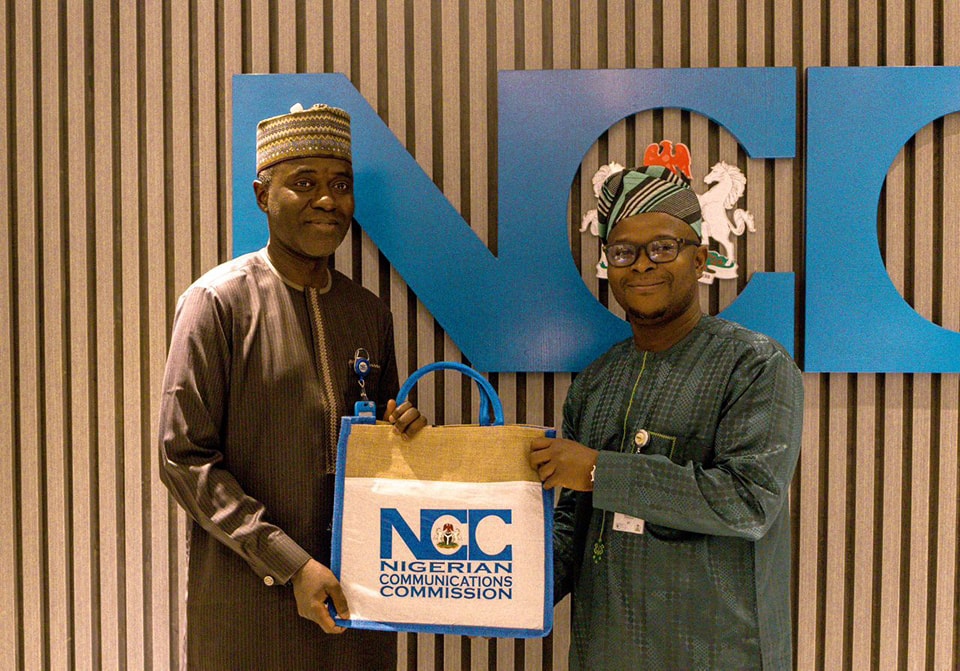
In a bid to foster collaboration and strengthen partnerships within Nigeria’s telecommunications sector, Dr. Aminu Maida, the Executive Vice Chairman/Chief Executive Officer (EVC/CEO) of the Nigerian Communications Commission (NCC), welcomed a delegation from Galaxy Backbone. Led by the Managing Director/Chief Executive Officer, Prof. Ibrahim A. Adeyanju, the delegation visited the NCC headquarters for a courtesy visit.

The meeting, which took place at the NCC’s headquarters in Abuja, provided an opportunity for both parties to explore avenues for cooperation and exchange ideas on advancing Nigeria’s digital infrastructure. Dr. Maida, renowned for his visionary leadership in the telecommunications industry, expressed his delight at hosting the esteemed delegation from Galaxy Backbone.

During the discussions, Dr. Maida and Prof. Adeyanju highlighted the importance of collaboration between regulatory bodies and key players in the telecommunications ecosystem to drive innovation and expand access to digital services across the country. They emphasized the need for synergies in infrastructure development, regulatory frameworks, and capacity building initiatives to accelerate Nigeria’s digital transformation agenda.May be an image of 12 people

The courtesy visit underscores the commitment of both the NCC and Galaxy Backbone to advancing Nigeria’s telecommunications landscape and harnessing the transformative power of technology to drive socio-economic development. As Nigeria continues its journey towards a digital economy, partnerships between regulatory agencies and infrastructure providers are essential to bridging the digital divide and empowering citizens with access to affordable, high-quality connectivity.

Following the productive discussions, Dr. Maida and Prof. Adeyanju expressed their optimism about the potential for future collaborations and pledged to work closely together to address the challenges and opportunities facing Nigeria’s telecommunications sector. Their shared commitment to fostering innovation and driving inclusive growth reaffirms the importance of public-private partnerships in shaping Nigeria’s digital future.

Anthony Emeka Nwosu


The courtesy visit underscores the commitment of both the NCC and Galaxy Backbone to advancing Nigeria’s telecommunications landscape and harnessing the transformative power of technology to drive socio-economic development. As Nigeria continues its journey towards a digital economy, partnerships between regulatory agencies and infrastructure providers are essential to bridging the digital divide and empowering citizens with access to affordable, high-quality connectivity.

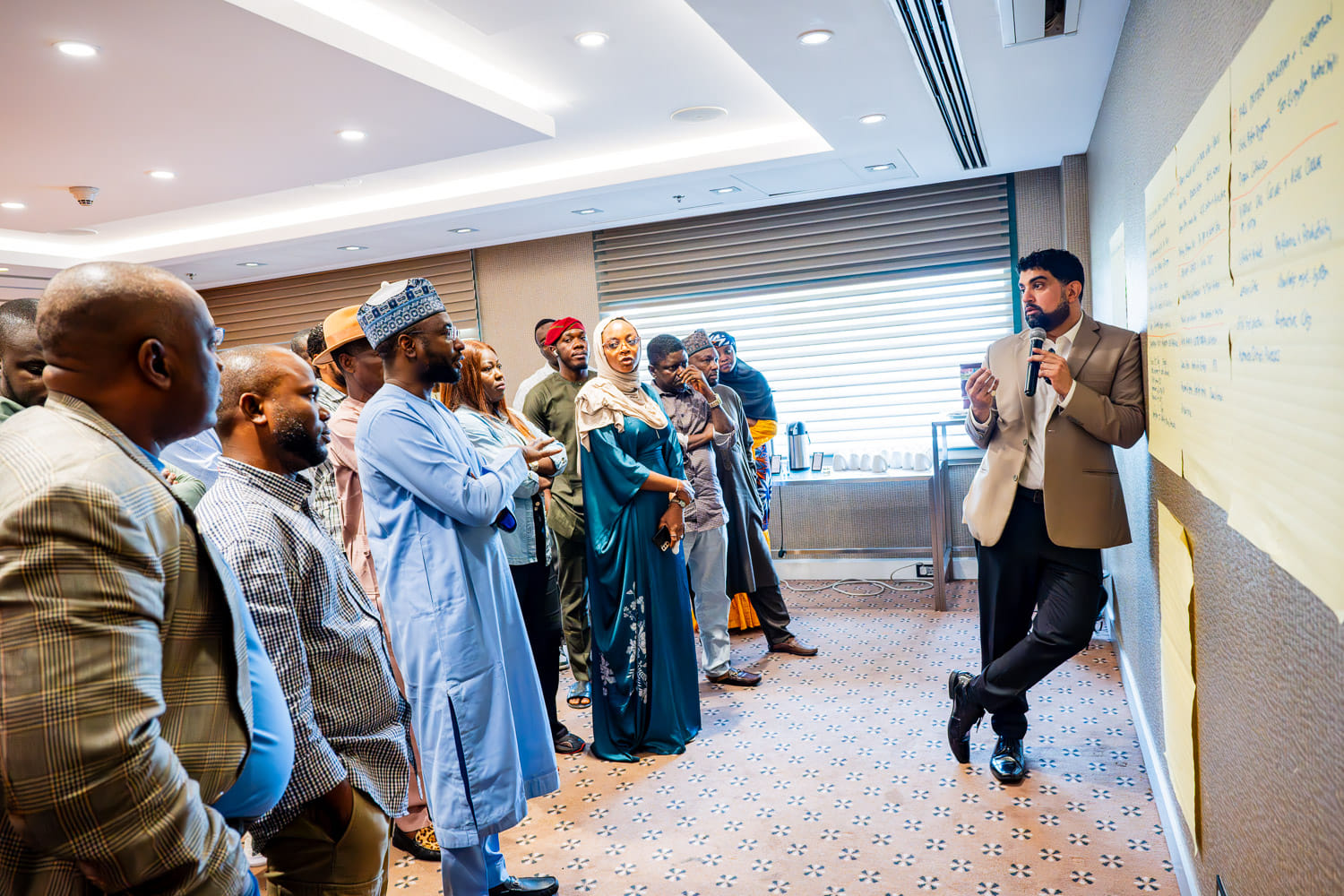
In a bid to bolster its operational efficiency and adaptability in the digital era, the National Information Technology Development Agency (NITDA) convened a two-day “Working Backwards Engagement” workshop in collaboration with Amazon Web Service (AWS). The event, held at the prestigious Transcorp Hilton Hotel in Abuja, underscored NITDA’s commitment to staying at the forefront of technological advancements and fostering strategic partnerships.

Aligned with the overarching objectives of the President Bola Ahmed Tinubu-led administration, NITDA’s Director General, Kashifu Inuwa Abdullahi, emphasized the importance of improving governance to enhance effective service delivery. With a keen focus on Pillar 8 of the administration’s priority areas, the workshop aimed to equip NITDA’s team with enhanced capabilities to meet stakeholders’ expectations. Director General Abdullahi’s strategic vision is articulated in the agency’s Strategic Road and Action Plan 2.0, which outlines a roadmap for achieving organizational goals and delivering tangible outcomes.

The collaborative engagement with AWS signifies NITDA’s unwavering commitment to implementing its Action Plan, with a specific emphasis on forging strategic partnerships and cultivating a vibrant organizational culture. In embracing these pillars, NITDA seeks to navigate the dynamic challenges of the digital age while ensuring effective service delivery and stakeholder satisfaction.

The workshop serves as a testament to NITDA’s proactive approach in leveraging industry partnerships to drive innovation and enhance its operational effectiveness. By harnessing the expertise and resources of AWS, NITDA aims to position itself as a leader in the digital landscape, poised to address the evolving needs of the technology-driven society.

ANTHONY EMEKA NWOSU

May be an image of 8 people and text

Kaspersky (www.Kaspersky.co.za) introduces its new flagship product line ‘Kaspersky Next’ combining robust endpoint protection with the transparency and speed of EDR (Endpoint Detection and Response) alongside the visibility and powerful tools of XDR (Extended Detection and Response). Customers can now choose one of three product tiers tailored to their business requirements, the complexity of their IT infrastructure, and their available resources.

According to Enterprise Strategy Group’s “SOC Modernization and the Role of XDR” report (https://apo-opa.co/3U7TsR1) from a survey conducted together with Kaspersky, 52% of companies state security operations are more difficult today than they were several years ago. Primary reasons for this challenge are: the evolving and rapidly changing threat landscape (41% of respondents named it); the expanding attack surface (40%); the lack of cybersecurity skills or staff to keep up with security analytics and operations (20%).

Amid the constantly evolving cyberthreat landscape, it is vital for companies to have a comprehensive cybersecurity solution they can trust and rely on for effective protection. As a leading innovative and technological company, Kaspersky is continuously developing its solutions to address all the cybersecurity requirements of businesses, helping them build up reliable cybersecurity frameworks.

Kaspersky Next is a new line of cybersecurity products that includes robust endpoint protection powered by AI capabilities, and goes beyond the classic EPP (Endpoint Protection Platform), bringing together EDR and XDR for corporate customers of any size and industry. As the most advanced and effective cybersecurity solutions, EDR and XDR help companies to withstand the more prevalent, evasive, and sophisticated attacks, providing businesses with total visibility, control, rapid response and proactive threat hunting.

Kaspersky Next is deployment-agnostic and allows for both cloud and on-premise installations. Companies can manage it either through a streamlined console to perform core cybersecurity tasks quickly, or via an enterprise-grade console with more granular controls and advanced monitoring.

The new product line helps companies build crucial cybersecurity functions, to provide robust protection against multiple types of threats that business face the most, such as ransomware, malware and data breaches, and avoid infrastructure penetration through Business Email Compromise, supply chain attacks, exploits and other vulnerabilities.

Kaspersky Next includes multiple automation features such as cloud monitoring and blocking, vulnerability and patch management, IoC (Indicator of compromise) scan and playbooks that help businesses not only to support the effective detection and remediation of complex and new threats, but also to significantly reduce the burden on cybersecurity teams by minimising the number of routine cybersecurity tasks.

Kaspersky Next currently comprises of three product tiers:

Kaspersky Next EDR Foundations provides powerful endpoint protection that identifies and neutralises threats before they can harm business processes. Flexible, straightforward security controls and built-in IT scenarios enable hands-off operation and let companies customise their security policies to suit their unique needs. This solution is recommended for companies where information security is performed by IT departments.

Kaspersky Next EDR Optimum provides strong endpoint protection with essential EDR functionality, advanced controls, patch management and cloud security. Threat visibility, investigation and response are guided to help businesses deflect attacks rapidly and with minimal resources. This solution is recommended for companies with small information security teams.

Kaspersky Next XDR Expert aggregates, analyses and correlates data from various sources across an organisation’s IT infrastructure, providing real-time visibility and deep insights into evolving cyber risks to deliver advanced threat detection and automated response. It’s the robust cybersecurity solution that can also integrate with third-party vendors. This solution is recommended for companies with experienced cybersecurity teams or Security Operations Centers (SOC).

Kaspersky Next is a part of the company’s B2B product ecosystem and it is designed to be directly compatible with other Kaspersky solutions and services. With the growing demand for more comprehensive cybersecurity protection, companies can also easily migrate from one tier to another depending on their current cybersecurity requirements.

Anton Ivanov, Chief Technology Officer at Kaspersky, said: “Today we are launching our market-leading XDR and reinventing our corporate product offering, as we embark on a new chapter of our history as a B2B vendor. Kaspersky Next makes EDR and XDR simpler for companies and organisations of all sizes. We are bringing top protection powered by unique expertise to all customers – from those with zero cybersecurity officers to those that have experienced cybersecurity teams. Our goal is to allow companies to build reliable and cost-effective information security systems of the highest quality for their specific requirements.”

 

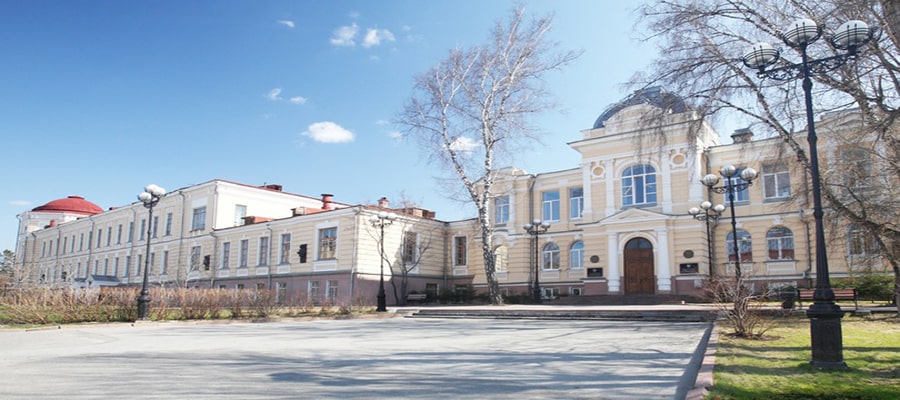
In a groundbreaking achievement, Justin Chukwudi Olewuezi has etched his name in the annals of Nigerian academic history by becoming the first Nigerian to graduate as a Doctor from Siberia State Medical University in Tomsk. Olewuezi, a standout student from the Siberia State Medical University in Tomsk, Russia, has not only achieved this historic milestone but has also secured the title of the best graduating student in the Department of Medicine. His stellar academic performance is evidenced by an exceptional Cumulative Grade Point Average (CGPA) of 5.00 out of 5.00.

His academic journey began at Tomsk Polytechnic University, where he immersed himself in the study of the Russian language alongside various scientific subjects. Subsequently, he transitioned to the Siberian State Medical University in Tomsk to pursue his medical education

.Revolutionizing Healthcare Education in Nigeria: Translantic Medical University Established in Anambra StateSiberian State Medical University - Foreign Studies

Dr. Olewuezi’s achievement is further underscored by the fact that he attained the highest possible grade point average in the university’s 135-year history. His remarkable feat not only brings honor to himself but also shines a spotlight on the potential and brilliance of Nigerian students on the global stage.

As Nigerians celebrate this extraordinary accomplishment, Olewuezi’s achievement serves as a testament to the power of determination, hard work, and dedication in pursuing academic excellence.

ANTHONY EMEKA NWOSU


Recently, Ramsey Nouah,a popular legengary thespian/actor celebrated his birthday but as a popular individual, lots are being said about hus acting prowess and Mavis took this to a new level. In a thought-provoking commentary on the acting talents within the Nigerian film industry, Mavis Ishanqueen has ignited discussions surrounding the performances of renowned actor Ramsey Nouah.

In her recent piece reflecting on the achievements of Majid Michel, Ishanqueen candidly discussed what she perceives as a potential limitation in Nouah’s acting repertoire – his accent. She highlighted how this aspect may have constrained his ability to fully immerse himself in certain roles, thus sparking accusations of shading from some quarters.

Clarifying her stance, Ishanqueen emphasized that her intention was not to cast aspersions but to provide constructive criticism. She emphasized the importance of offering feedback that fosters growth and improvement, a sentiment often overlooked in artistic evaluations.

Drawing from Nouah’s background, Ishanqueen shed light on his upbringing in Lagos, where despite being born to a Lebanese father and Nigerian mother, but Contrary to prevailing opinions, Ishanqueen challenged the notion that Nouah was superior to Michel in terms of acting prowess. She argued that true mastery of the craft lies in the ability to convincingly embody a diverse range of characters, a feat she believes Nouah fell short of achieving due to typecasting.

Expressing concern over the Nigerian film industry’s tendency to prioritize commercial success over artistic merit, Ishanqueen cautioned against perpetuating stagnant storylines and applauding mediocrity. She called for a reevaluation of standards and a commitment to nurturing talent that pushes boundaries and challenges conventions.

In closing, Ishanqueen reaffirmed her commitment to promoting excellence within the industry, despite the controversy her analysis may have sparked. She urged stakeholders to embrace constructive criticism as a catalyst for positive change and innovation, ensuring that Nigerian cinema continues to evolve and captivate audiences worldwide.


Anthony Emeka Nwosu


Drawing from Nouah’s background, Ishanqueen shed light on his upbringing in Lagos, where despite being born to a Lebanese father and Nigerian mother, but Contrary to prevailing opinions, Ishanqueen challenged the notion that Nouah was superior to Michel in terms of acting prowess. She argued that true mastery of the craft lies in the ability to convincingly embody a diverse range of characters, a feat she believes Nouah fell short of achieving due to typecasting.


President Bola Tinubu extends hearty congratulations to Mr. Tunde Onakoya for achieving a groundbreaking milestone in the realm of chess, heralding Nigeria’s resilience, self-belief, and ingenuity on the global stage.

On Saturday, Mr. Onakoya etched his name in history by shattering the Guinness World Record for the longest chess marathon, engaging in a gripping battle for over 58 hours and emerging victorious in every encounter.

President Tinubu lauds the Nigerian Chess Champion and visionary behind Chess in Slums Africa for his remarkable accomplishment, applauding not only his exceptional performance but also the noble cause driving his remarkable feat – raising funds to empower African children through the game of chess.

In praising Mr. Onakoya’s achievement, the President underscores the indomitable spirit prevalent among Nigeria’s youth, characterized by a resolute determination to effect positive change, defy the odds, and pioneer innovative solutions to the nation’s challenges, even amidst adversity.

President Tinubu emphasizes that Nigeria’s youth have consistently showcased their prowess across diverse fields, from music and entertainment to education, science, and technology, affirming that greatness knows no boundaries.

The President commends the unwavering unity displayed by Nigerians, transcending artificial barriers, as evidenced by their overwhelming support for Mr. Onakoya’s historic endeavor.

Assuring the nation’s citizens, President Tinubu reaffirms his administration’s unwavering commitment to fostering an environment conducive to the exploration and expression of youth talents, ensuring they emerge as beacons of excellence and embodiments of Nigeria’s limitless potential on the global stage.

In a significant development for Nigeria’s digital landscape, Meta’s senior executive team, spearheaded by Sir Nick Clegg, President of Global Affairs, paid a visit to the country. The delegation, which included Kojo Boakye, Vice President of Public Policy for Africa, the Middle East, and Turkey, along with Adaora Ikenze, Director of Public Policy for Anglophone West Africa, convened at Meta’s facilities for a series of engaging discussions.

The agenda encompassed a wide array of topics, ranging from Artificial Intelligence (AI) to exploring avenues for Nigerian businesses to capitalize on monetization opportunities across Meta’s platforms. Additionally, the dialogue delved into the imperative of fortifying global digital infrastructure to enhance resilience.

Meta’s longstanding commitment to fostering innovation and connectivity was underscored throughout the discussions. The company’s investment in critical technologies and platforms has played a pivotal role in enabling individuals worldwide to create, engage, and collaborate effectively in the digital realm. As such, Meta emerges as a key partner in Nigeria’s endeavors to harness the potential of the digital economy for inclusive economic growth and prosperity.May be an image of 2 people

Of notable mention was Meta’s investment in the 2Africa submarine cable project, which holds strategic significance, particularly in light of recent developments. This initiative underscores the value of the partnership between Meta and Nigeria, emphasizing the shared commitment to advancing connectivity and digital infrastructure on the continent.

Expressing appreciation for Meta’s contributions, Nigerian officials commended the company’s dedication to driving technological advancements that benefit communities globally. The visit further solidified the foundation for ongoing collaboration between Nigeria and Meta, with both parties expressing enthusiasm for future endeavors aimed at leveraging digital innovations for the mutual benefit of all stakeholders.

As Nigeria continues its journey towards digital transformation, partnerships with industry leaders like Meta are poised to play a pivotal role in shaping the nation’s digital landscape and unlocking new opportunities for growth and development.

Stay tuned for further updates on the evolving collaboration between Nigeria and Meta as they work towards a digitally empowered future.

ANTHONY EMEKA NWOSU

As Nigeria continues its journey towards digital transformation, partnerships with industry leaders like Meta are poised to play a pivotal role in shaping the nation’s digital landscape and unlocking new opportunities for growth and development.


Recent data reveals a significant variance in air ticket prices to London among various aviation firms, sparking fierce competition in the industry. The cost differentials are as follows:

  • Airpeace: ₦816,130
  • British Airways: ₦981,848
  • Egypt Air: ₦585,620
  • Royal Air Maroc: ₦569,422
  • Rwanda Air: ₦679,070
  • Ethiopian Air: ₦677,824
  • Turkish Airlines: ₦807,408
  • Air France: ₦1.1 million
  • KLM: ₦1.1 million
  • Lufthansa: ₦1 million
  • Virgin Atlantic: ₦1.1 million

This data highlights a stark contrast to previous pricing trends, particularly before the introduction of Airpeace’s competitive fares. Historically, the cost of flying from Nigeria to London ranged between ₦3 to ₦4 million Naira. However, Airpeace disrupted the market by offering significantly lower fares, with one-way tickets priced around ₦500,000.

In response to Airpeace’s disruptive influence, foreign airlines have adjusted their pricing strategies in a bid to regain market dominance. The latest tactic involves undercutting Airpeace’s fares to lure customers away from the Nigerian carrier.

Concerns have been raised regarding the potential consequences of favoring foreign airlines over indigenous carriers. There is a fear that if Nigerian travelers consistently opt for foreign airlines due to lower rates, Airpeace may struggle to remain competitive, ultimately leading to a return to exploitative pricing practices.

Nigerians, known for their extensive travel habits, are urged to consider the broader implications of their purchasing decisions. Supporting indigenous airlines like Airpeace is seen as crucial in safeguarding against exploitation and ensuring a competitive and fair aviation market.

The sentiment is echoed by industry observers and advocates, including Wale Jana, who emphasizes the importance of “buynigeriantogrowthenaira.”

As the airfare battle intensifies, stakeholders are closely monitoring developments in the aviation sector, mindful of the implications for both consumers and domestic carriers.

©️ Wale Jana