As Governor A.A Sule Visits NASENI to Facilitate Discussions on the Project

The National Agency for Science and Engineering Infrastructure (NASENI), is set to collaborate with Nasarawa state government and Bobtrack Tractors, a division of Saint Bob Motors Limited to start the manufacturing and assembling of tractors in the north-central geo-political zone.

The facilities and infrastructure available at one of NASENI’s Institutes, Agricultural Machinery and Equipment Development Institute (AMEDI), Lafia, Nasarawa state will be used for assembling and manufacturing of the tractors.

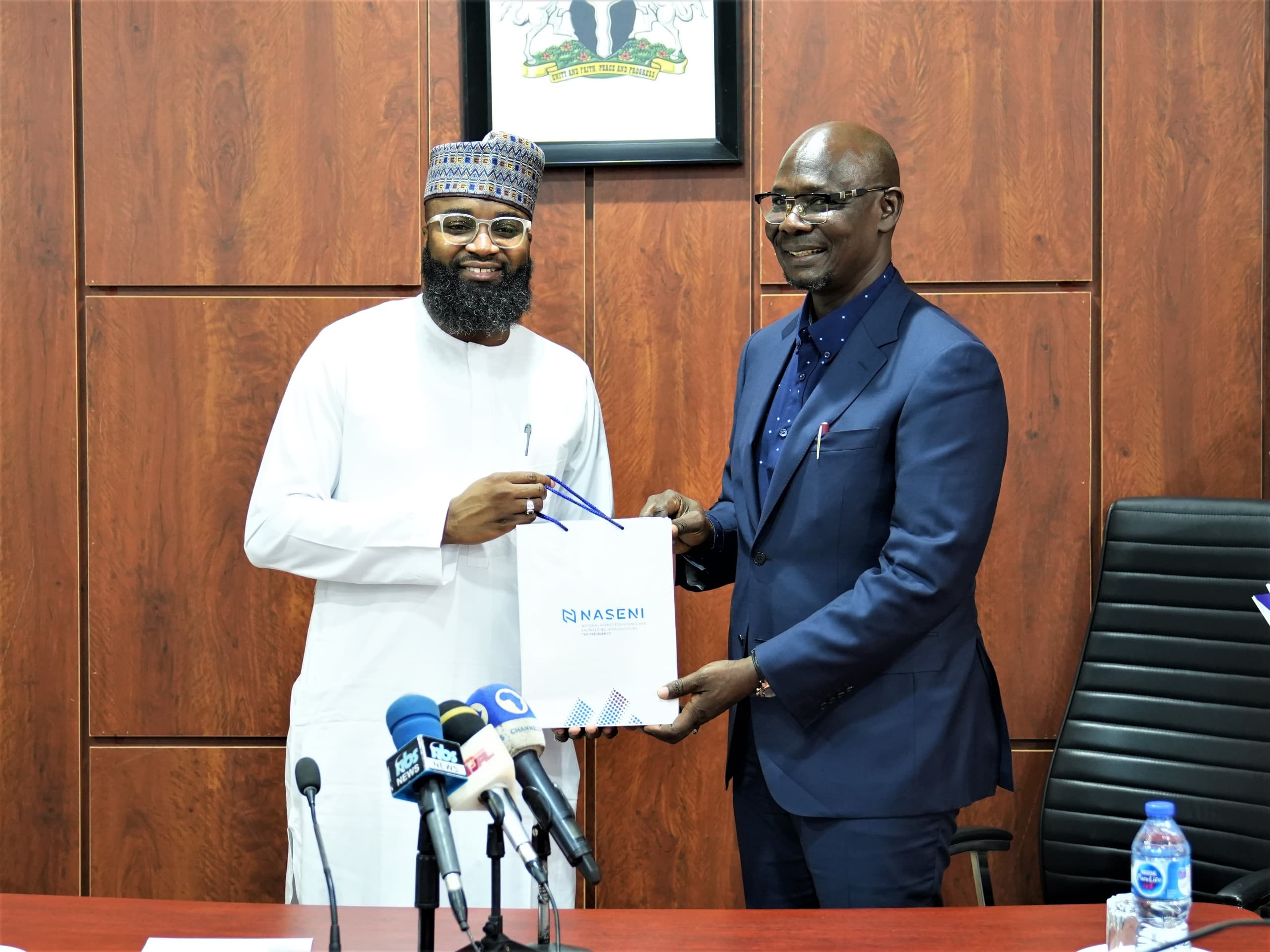
According to the Executive Vice Chairman/Chief Executive Officer, NASENI, Mr. Khalil Suleiman Halilu, the project which is aimed at creating wealth and jobs for Nigerian youths is in line with President Tinubu’s Renewed Hope Agenda of ensuring food security and promotion of mechanized farming and agro-business in the country. Halilu disclosed this when the Executive Governor of Nasarawa State, Engr. Abdulahi A. Sule led a delegation comprising of Bob Track Tractors to pay a visit to  the Agency’s headquarters in Abuja on Monday, April 22nd, 2024.

Mr. Halilu who assured Governor Sule and the delegation of  NASENI’s readiness to do business with them, said, “the Agency is willing to partner with you and sign the memorandum of understanding (MoU) so that in the next couple of weeks we will move into action.”

He disclosed that Mr. President had recognized NASENI as a national brand and its National Tractor Recovery Programme wherein 55,000 tractors would be refurbished for mechanized farming nationwide.

In his remarks, Governor Sule said, he aligned with NASENI’s vision of collaborating and promoting made-in-Nigeria goods and also believed that government’s role is to provide a level playing field necessary for businesses to thrive.

The  objective of his visit, he said, was to introduce the Bob Track Tractors which deals in assembling and manufacturing of tractor and farm implements with offices in Port Harcourt to NASENI so that it could utilize the existing facilities at AMEDI, Lafia for assembling of tractors instead of acquiring a new land for the business.

The CEO of Bob Track Tractors, Mr. Ibifiri A.C. Bob Manuel said, “We are ready to take up the facility that you have in Nasarawa State, create employment and wealth for the youths in the area and also use it as a hub to drive mechanized agricultural vision of the present administration. We are willing to invest in Nasarawa state with help of His Excellency, his team and NASENI.”


Without any doubt, the Internet and its associated technologies and tools, including software applications, have created some of the most radical possibilities in the human experience, particularly in the last decade. These have certainly extended the frontiers of human freedoms and expression, while similarly enabling innovation across different forms of utilisation, and more so serving as catalyst to the ability of citizens to engage with political processes – for good and for bad.


Despite an earlier period in which there were deliberations on the possible roles and impacts of digital platforms, such as the social media, on political participation and elections, the increased access to the Internet and broadband, alongside the wider uptake of social media as essential to human reality, have made the interface between these platforms and elections a lot clearer. This has especially been evident in the last few electoral cycles, whether in the United States, Europe, or Nigeria.


The 2008 presidential election in America could be considered as the watershed moment for a new form of voting behaviour, evolving with the widespread usage of platforms like Facebook, MySpace, YouTube, podcasting and mobile messaging in the communication of political interests with citizens.


Dr. Ibietan’s path-breaking book, Cyber Politics: Social Media, Social Demography, and Voting Behaviour in Nigeria, broaches a radical new territory in bridging psephology (i.e. the study of elections) and communications scholarship through an examination of the interface between social media networks and voting behaviour in the country. It draws its insights from a deeply methodical study of Nigeria’s 2015 presidential election, unearthing the intersections of social and demographic factors, digital social mediation and the remarkable impact of these variables on the voting behaviour of the electorate.


It is worthy of note that the referenced national polling presented one of the most significant evidence of how social media use can shape the course of an election, having the then political opposition gaining huge mileage from its ability to deploy social media platforms towards shaping and controlling public debates, and hence triumphing at the ballot.


These days, the preponderance of data more easily reveals the impact of social media on political engagement and elections, both in emergent and evolved democracies. It requires little clairvoyance that with the spike in upheavals instigated by economic dysfunctions across the world, social media will certainly play more consequential roles in driving electoral choices going forward.


Dr. Ibietan’s book speaks to the reality of how the demographics of voting is now in favour of digital natives, whose engagements are set to upend the traditional media approaches, hence the great value in seeking an understanding of the growing interface across cyber politics, social media networks and social demography. Specifically, the author utilises tested theoretical models and research methods to scrutinise the impact of social media on contemporary politics.


Most significantly, the cutting edge of this vibrant scholarly endeavour is its proposal of a bold new methodology and approach to communications, described as the Channel-Factor Model, which situates the relationship among social media and other variables within a political environment. It is a framework for re-engineering political communication in Africa that is as radical as it is innovative.


Cyber Politics: Social Media, Social Demography and Voting Behaviour in Nigeria is an absorbing and persuasive book that adds huge insightful value to an understanding of the interactions between politics, social media networks and other variables that influence the behaviour of voters in a democracy. Therefore, we particularly appreciate Dr. Omoniyi Ibietan,  a staff of the Nigerian Communications Commission, for this contribution to political communication scholarship.


Last year, the World Economic Forum called Africa the “world leader” in digital and mobile banking. There’s no doubt that banking in Africa has undergone significant changes in the last few years and that it will continue to change and grow in the coming years.


How can business leaders prepare for this? How has the landscape shifted? And, most importantly, what opportunities does this create?


The Banking on the Future with EFT Corporation Conference, taking place from 13 to 15 May 2024 in Victoria Falls, will bring together C-suite executives from more than 70 of Africa’s premier banks to address these pivotal conversations. Attendees can anticipate indispensable insights from keynote speakers as well as valuable networking opportunities.


As a leader in the digital payment ecosystem, EFT Corporation (EFTCorp) aims to provide a comprehensive exploration of the digital banking landscape in Africa and the transformative potential it holds for businesses and communities alike at this event.


Carefully curated expertise

With its headquarters in Mauritius and regional offices in Ghana, Kenya, South Africa, Zimbabwe, and Zambia, EFTCorp is uniquely positioned to navigate Africa’s dynamic market landscape and to provide its current and future customers with opportunities to do so too at the Banking on the Future Conference.


The event will host several industry leaders in one space, with opportunities for attendees to network and see how they can make the best of the vast digital opportunities in Africa while contributing to the continent’s emerging markets.


The conference will cover a range of critical topics shaping the digital banking landscape in Africa. It will delve into the growing fintech ecosystem and the ongoing digital transformation sweeping the continent, exploring its impact on financial services.


Here’s what attendees can look forward to:

  • A keynote presentation by Prof Adrian Saville, Professor of Economics Finance and Strategy at GIBS and an expert in economic performance and markets. He is a well-known and experienced presenter to global audiences and receiver of the Excellence in Teaching Award at GIBS on ten occasions.
  • Fascinating presentations by industry experts from PWC, Simon-Kucher, Mastercard, Diamond Trust Bank, Ukheshe, Stratus, Thales, ACI, and Visa will delve into various aspects of the banking landscape, including:
  • An introduction to the growth of digital banking in Africa, with further exploration and discussion on how this can enable businesses, improve customer experiences, and increase revenue.
  • Opportunities to establish or renew relationships with other players in the African banking ecosystem and finding ways to strategically support one another within regions.
  • A look into helpful case studies, such as one bank’s journey towards digital transformation, offering insights into successful strategies as well as the challenges it faced, and lessons learned.
  • Discovering ways to drive financial inclusion across Africa and in emerging markets, with the aim to bank the unbanked.
  • Examining the pivotal role of youth in driving the growth of micro-enterprises and fostering economic empowerment.


Innovation catalyst

Stephen Enderby, CEO of EFTCorp, says the event will help shape the future of digital banking across Africa. “We believe this conference will provide extraordinary opportunities not only for our current clients, but to anyone interested in the digital banking sphere in Africa now and into the future. To truly make it an event to remember, attendees will be able to take advantage of everything on offer in a relaxed and luxurious setting, creating the perfect atmosphere to network and find creative ways to move forward in this space.”


Carlin Wicomb, Chief Commercial Officer of EFTCorp, says the company is committed to driving digital transformation for each of its valued customers, and this event is just one of the ways it’s doing so. “EFTCorp is Africa’s foremost PCI-compliant payment solutions provider, delivering unparalleled payment architectures and solutions as well as expert consultancy and service, backed by strategic partnerships and industry-leading resources.”


This event will not only allow us to share these expertise with all attendees but also ensure we can offer even better-tailored strategies that empower our customers’ journeys towards digital transformation. At EFTCorp, “We’re banking on the future. Are you?”


Data is the new gold in today’s hyperconnected market, and the threat landscape for Chief Financial Officers (CFOs) is evolving faster than ever. Cybercriminals are becoming increasingly sophisticated in their deviance, employing a dizzying array of tactics to infiltrate and exploit vulnerabilities within financial systems. To navigate this minefield of financial fraud and protect their organisations, CFOs must shed outdated misconceptions and embrace the role of cyber-resilient leaders, says Ryan Mer, CEO of eftsure, a Know Your Payee™ (KYP) and B2B payment fraud prevention platform provider. It is no longer acceptable to simply be a bystander or delegate responsibility to others and rely on other people in the organisation for controls and risk mitigation in their key areas.


Elevating the role of the CFO

Cybersecurity is a business-wide risk that requires more than isolated activities to be addressed. There needs to be strong governance, controls, compliance and responsibility across various key functions of the business, with the finance function probably being the most key.


The CFO must play a leading role in cyber security, as it is potentially disastrous for the finance team to be ignorant of cyber risk. Attackers can target many areas of an organisation, but the dangers are ultimately measured in financial terms: CFOs cannot ignore cyber security simply because it is a complex issue outside their area of expertise. CFO’s may not be responsible for the security of the organisation itself, but it is through their wider network of relationships with customers, suppliers and other stakeholders that they have a key role to play.


The evolving cybercrime landscape

Cyber threats are constantly evolving, and the days of simple phishing scams are long gone. From relentless ransomware to stealthy supply chain attacks and data-hungry zero-day exploits, modern CFOs face a daunting, continuous onslaught of financial cyber threats. These digital dangers can cripple operations, extort hefty ransoms, and steal confidential data, making robust cybersecurity strategies and vigilant awareness an absolute necessity for safeguarding the financial well-being of every business.


The uncomfortable reality of financial cybercrime

Unfortunately, many harmful misconceptions about cybercrime persist, hindering effective mitigation strategies. Some believe their organisation is “too small” to be a target, while others underestimate the sophistication of modern attacks. The harsh reality is that no organisation is immune, irrespective of size or industry. In fact, according to Accenture’s Cybercrime Study, nearly 43% of cyber-attacks are on small businesses, and only 14% of these businesses are prepared to handle the attack. Another common misconception surrounds the “IT’s problem” mindset. Cybercrime is not solely an IT concern; it is a business risk requiring coordinated action across all departments.


Building cyber resilience

So, how can CFOs transform themselves into cyber-resilient leaders? CFOs can adopt a proactive defence approach by investing in cybersecurity infrastructure, including tools like multi-factor authentication, data encryption, and advanced monitoring systems. Regular risk assessments help identify and prioritise vulnerabilities, with prompt patching of these weaknesses to avoid becoming targets for attackers.


Building a culture of security awareness through employee training and having a comprehensive incident response plan are indispensable components of resilience. In terms of financial controls and monitoring, CFOs should implement strong segregation of duties, separating authorisation, execution, and recording of financial transactions. Monitoring financial transactions closely using anomaly detection tools, regular reconciliation of accounts, careful review of vendor contracts for cybersecurity practices, and maintaining cyber insurance are essential measures to mitigate potential financial losses.


Collaboration and leadership play a vital role, with CFOs leading by example and making cybersecurity a top organisational priority. Effective communication about cyber threats and security importance keeps employees and stakeholders informed. Collaboration with IT and other departments, breaking down silos, and fostering a culture of shared responsibility for cybersecurity are fundamental steps, while staying informed about emerging threats and continuously adapting the cybersecurity strategy based on the latest trends and vulnerabilities is imperative for ongoing defence.


Resources for the cyber-resilient CFO

Numerous resources are available to guide CFOs on their journey toward cyber resilience. The World Economic Forum’s “Cyber Readiness Playbook” and the National Institute of Standards and Technology’s (NIST) Cybersecurity Framework provide practical guidance for risk assessment and strategy development. Professional organisations like the Association for Financial Professionals (AFP) offer dedicated cybersecurity resources and training programs.


The tools for financial security

CFOs need to be proactive about the internal controls, oversight and data management processes they have in place to ensure that these risks and strategies are adequately addressed.


However, to assist with the overwhelming challenges faced by CFOs in the digital age, fraud detection and prevention solutions can proactively identify suspicious activity and disrupt fraudulent transactions before they can inflict damage. By integrating seamlessly with existing financial systems, such solutions empower CFOs to gain real-time insights into their financial data, enabling them to make informed decisions and safeguard their organisation’s hard-earned resources.


Don’t just automate; integrate

Because people are often the weakest link in the security chain, most companies today have automated processes in place to minimise the risks associated with manual processes. The next step is to not only automate, but to integrate. A Software as a Service (SaaS) provider like eftsure can help enhance processes and limit payment fraud risks by providing an integrated onboarding, verified master data management and payment screening solution that cross-references the payments an organisation is about to release with a database of verified bank account details. This can be integrated into anything from ERP and accounting systems to sales and customer relationship management systems. The platform alerts you to any potentially compromised payment details, allowing you to deal with the problem before the flow of funds has occurred.


The bottom line: cyber defence is a shared responsibility

Cybercrime might be a complex and ever-evolving threat, but it’s not an insurmountable one. By shedding outdated misconceptions, sharing risk across leadership, embracing a proactive approach, and utilising available technological tools, CFOs can become cyber-resilient leaders, navigating the minefield of financial fraud with confidence and protecting their organisation’s bottom line. Remember, in the digital age, vigilance is not just a necessity, it’s a competitive advantage.



In a bid to tap into the vast potentials and attract investments through Public Private Partnerships (PPPs), the Federal Government (FG) has pledged to expedite developmental initiatives in the Niger Delta Region (NDR). This commitment was reiterated by the Honourable Minister of Niger Delta Development, Engr. Abubakar Momoh (FNSE), during the ongoing National Council on Niger Delta (NCND) meeting themed “Stimulating Strategies for Economic Growth and Development in the Niger Delta Region”. The event is currently taking place at the Unity Hall, Government House Complex, Asaba, Delta State.

Engr. Momoh emphasized the importance of streamlining coordination mechanisms to achieve predetermined goals in the NDR. He highlighted the FG’s directive to consolidate all development plans in the region into a unified strategy, aiming to foster shared objectives and coherent development efforts among stakeholders. Additionally, he announced plans for the implementation of a Maritime Transportation system under a PPP-funded model to kickstart ferry services, marking a pivotal phase in the region’s development agenda.

Stressing the significance of the NCND, Engr. Momoh underscored its role as a high-level platform for key stakeholders to deliberate on pertinent issues affecting the region and chart a course for resolution. He affirmed the Ministry’s commitment to incorporating decisions made at the Council into the blueprint for achieving desired outcomes in the NDR.

Representing President Bola Ahmed Tinubu at the event, Prince Abubakar Audu, Minister of Steel Development, affirmed that the Council’s focus aligns with the core objectives of the administration as outlined in the Renewed Hope Agenda document.

Governor Rt. Hon. (Elder) Sheriff Oborevwori, the host of the event, emphasized the imperative of harnessing the region’s natural resources for inclusive development, aimed at providing employment opportunities for the youth.

Dignitaries present at the Council include Dr. Shuaib Belgore (OON), Permanent Secretary of MNDD; Sir Monday Onyeme, Deputy Governor of Delta State; Chiedu Ebie, Chairman of the Niger Delta Development Commission (NDDC); representatives from state governors’ offices in the NDR; development partners; stakeholders; and traditional rulers from host communities.

Universal Music France (UMF), a division of Universal Music Group (UMG) (www.UniversalMusic.com), the world leader in music-based entertainment, today announced a new strategic relationship with Binetou Sylla, acclaimed producer and founder of leading independent label Wèrè Wèrè Music to lead Def Jam Africa within French-speaking markets on the continent, in collaboration with Universal Music France and its Capitol France division.

Dedicated to developing French-speaking African artists, the partnership will help foster the discovery and nurturing of new and existing talent, enabling Def Jam Africa artists to excel globally and continuing to follow the blueprint of the iconic Def Jam Recordings label, which has led and influenced the cutting-edge in hip-hop and urban culture worldwide for more than 35 years.

With more than 10 years’ experience running independent record labels between Paris and the African continent, including the historic Syllart Records label, Binetou Sylla, brings a wealth of expertise to the newly formed partnership, which will focus on unearthing and producing authentic artists through innovative, pan-African musical projects capable of reaching a global audience. Combined with Universal Music France’s expertise and network, Def Jam artists signed in French-speaking Africa will be uniquely positioned to reach largest possible global audience. Def Jam Africa was first launched across French-speaking markets in 2020, and the appointment of Sylla marks the beginning of an exciting new chapter for the label, with further announcements on signings and projects to follow in the coming months.

African music is fast emerging as the new dominant force in the global music space; the Sub-Saharan African market was the fastest growing region in 2023 according to the IFPI’s Global Music Report (+24.7%). The partnership also complements UMG’s strategy to increase its presence and accelerate its growth in high potential music markets around the world, highlighted by the recently announced acquisition of a majority stake in Nigerian label Mavin Global (subject to regulatory approval).

Binetou Sylla, Director of Syllart Records and founder of Wèrè Wèrè Music, said: “I’m proud to join forces with Universal Music France with a shared vision and passion to develop regional artists in French-speaking Africa internationally.  In partnering with Def Jam and Capitol, Wèrè Wèrè Music is uniquely positioned to deliver commercial and global success to unique African talent from across the continent. Def Jam, our driving force, is a powerful, unifying brand in the French-speaking and international ecosystem. Def Jam Africa is more than just a music label; it is the embodiment of a set of authentic values that make no compromise on artistic excellence.”

Olivier Nusse, President, Universal Music France, said:

“We are incredibly honored to be able to draw on the unique expertise of Binetou Sylla and her team to bring new talent from French-speaking Africa to Africa, France and the rest of the world. In the wake of recent worldwide successes by English-speaking artists, I’m absolutely convinced that the French-speaking scene will also without doubt shine on the world stage, with Def Jam Africa as the spearhead!”

Franck Kacou, Managing Director, Universal Music Africa, said: “Having launched and developed the Def Jam Africa brand in this region of the continent, I’m delighted to see it take on a new dimension through this partnership. I know Binetou’s passion and expertise and combined with the skills of our Capitol and Universal Music France teams, this will only create more opportunities and success for the many talents from French-speaking Africa.”

Alexandre Kirchhoff, Managing Director, Capitol Label Services, said:

“French-speaking Sub-Saharan Africa is the biggest growth engine in Africa and remains a world-class centre of musical talent that has greatly influenced and impacted French music past and present, thanks in particular, to the diasporas. The Capitol team in France is delighted to partner with Binetou Sylla. Our shared vision knows no boundaries, and we look forward to this exciting and what will be an extremely productive musical adventure.”

Revna Biosciences (www.RevnaBio.com) has carved a niche for itself in Ghana and West Africa by being the first facility in the region to secure dual ISO accreditations: ISO 15189:2022 for clinical diagnostics and ISO 20387:2018 for biobanking. This milestone is a testament to RevnaBio’s unwavering commitment to championing precision medicine by propelling molecular diagnostics and therapeutic discovery in the region.


A Pledge to Quality and Patient Care

The American Association for Laboratory Accreditation (A2LA) has bestowed the ISO 15189:2022 accreditation upon Revna Biosciences, acknowledging its dedication to delivering top-tier clinical testing services. The accreditation process entailed a rigorous on-site evaluation by A2LA’s assessors, verifying the facility’s compliance with strict standards of precision, reliability, and patient confidentiality.

Revna Biosciences’ accreditation encompasses an extensive array of human sample tests, including those involving urine, swabs, blood, bone marrow, tissue samples, and plasma. With a specialization in bacteriology, virology, and molecular pathology, the facility is dedicated to providing patients with accurate and dependable diagnoses.

We are dedicated to enhancing access to top-quality healthcare and research facilities, especially in Africa where the demand for such services is paramount

Biobanking Excellence

Revna Biosciences has also earned accreditation for its biobanking practices under ISO 20387:2018. This accreditation spans the entire biospecimen lifecycle, from collection and acquisition to preservation, testing, storage, and distribution of various tissues and blood products. The company’s adherence to international standards guarantees the quality and integrity of biospecimen, thereby contributing to advancements in global medical research.

Dr. Derrick Edem Akpalu, CEO and Co-founder of Revna Biosciences, stated, “Our dual ISO accreditations reflect our commitment to excellence and quality, from sample collection to data analysis. This not only reassures patients but also benefits researchers and industry partners. These accreditations enhance our clinical research services, paving the way for global therapeutics and diagnostics development. By adhering to these ISO standards, we ensure the reliability of our archived biosamples and data, thereby enriching clinicogenomic insights and propelling the advancement of personalized medicine in the region. “

Dr. Yaw Asare-Aboagye, a board member of the company, added, “We aim to meet the highest international standards as we are dedicated to enhancing access to top-quality healthcare and research facilities, especially in Africa where the demand for such services is paramount.”

Global Recognition and Industry Alignment

A2LA, the accrediting organization, is renowned for its Centers for Medicare and Medicaid Services (CMS) Deemed Status and International Laboratory Accreditation Cooperation (ILAC) Recognition, an indication of its reputation as an accrediting board in global clinical diagnostics. Furthermore, RevnaBio is a member of ISBER, an international forum for biobanking that advocates for high-quality standards and innovation in biorepository management. Revna Biosciences’ achievement aligns with global recognition and industry standards, positioning the company at the vanguard of medical innovation.

PalmPay (www.PalmPay.com), a leading pan-African fintech, has been highlighted by the GSMA in the recently released ‘The State of the Industry Report on Mobile Money 2024’  as a key player driving the adoption of mobile money in Nigeria.


In the report, GSMA praised PalmPay as a “prominent non-MNO-led mobile money provider with a significant market share in Nigeria” and a top driver of financial inclusion in Africa’s $912 billion mobile money industry.


Commenting on the report, Sofia Zab, Global Chief Marketing Officer, PalmPay, commented:


“This recognition underscores our commitment to drive financial inclusion and economic empowerment across the continent.


This recognition underscores our commitment to drive financial inclusion and economic empowerment across the continent

“By leveraging the increase in smartphone adoption, PalmPay made a significant contribution to growing the use of mobile money in Nigeria.  Our easy-to-use and comprehensive digital and financial superapp not only provides access to seamless and secure transactions but also opens the door to cutting-edge, affordable financial services for the unbanked and underbanked population.”


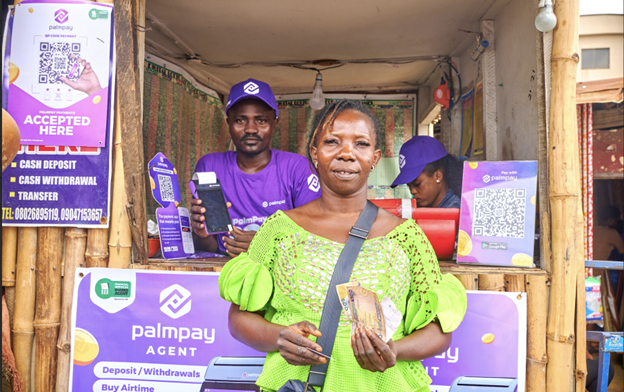
The PalmPay app offers money transfers, airtime, data and bill payments, as well as access to other financial services such as credit and savings. Customers without their own device can access PalmPay’s services through the company’s network of 500,000 mobile money agents.


Since launching in Nigeria in 2019 under a Mobile Money Operator (MMO) license, PalmPay has registered over 30 million accounts on its smartphone apps. In addition to the self-serve app, its network of 1.1 million agents and merchants is serving 15 million customers monthly. The fintech also operates in Ghana and Tanzania.


In the report, Mats Granryd, Director General of GSMA, noted that the industry had grown in the ten years to 2022, with mobile money contributing “$600 billion to the GDP of countries with a mobile money service” and opening up more “opportunities for citizens, businesses and economies across the world.”


He stated that Sub-Saharan Africa has been a driver of mobile money’s success, and was home to almost three-quarters of the world’s accounts. West Africa contributed significantly to the growth of the industry in recent years, with the number of registered mobile money accounts doubling between 2013 and 2023. This growth was mainly driven by Nigeria, Ghana and Senegal.


Tariye Gbadegesin, the newly appointed Chief Executive Officer of Climate Investment Funds (CIF), expressed her gratitude and outlined her vision for the organization in a recent statement on her LinkedIn page.

In her inaugural message shared during the #WBGMeetings, which marked her first month as CEO of CIF, Gbadegesin extended heartfelt appreciation to the organization’s partners for their invaluable contributions and meaningful exchanges throughout the week. She also recognized the dedicated staff for their proactive efforts in amplifying CIF’s mission.

Gbadegesin commended individuals actively involved in advancing climate action ambitions, emphasizing the importance of reducing emissions and transitioning to clean energy sources aligned with the 1.5-degree Celsius target of the Paris Agreement.

Urging boldness and courage, Gbadegesin emphasized the need for financial innovation, mobilization of private capital, and exploration of new funding sources for climate action. She highlighted the importance of integrating new technologies to address emissions in high-impact sectors. Additionally, Gbadegesin stressed the significance of providing critical funding for the most vulnerable communities affected by climate change.

The statement reflects Gbadegesin’s commitment to driving ambitious climate action initiatives and leveraging CIF’s platform to effect meaningful change in combating climate change and supporting vulnerable communities.

As Gbadegesin assumes her role as CEO, stakeholders anticipate a renewed focus on innovative solutions and collaborative efforts to address the urgent challenges posed by climate change.

Gbadegesin’s message underscores the critical role of CIF in advancing global climate goals and signals a proactive approach under her leadership to mobilize resources and drive impactful interventions in the fight against climate change.

ANTHONY EMEKA NWOSU


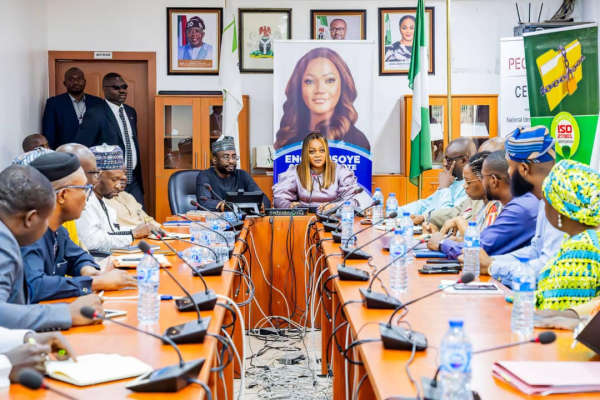
In a significant development aimed at advancing Nigeria’s digital infrastructure, the Director General and Chief Executive Officer of the National Identity Management Commission (NIMC), Engr. Abisoye Coker-Odusote, welcomed the Director General and Chief Executive Officer of the National Information Technology Development Agency (NITDA), Kashifu Inuwa Abdullahi, at the NIMC headquarters in Abuja.

The meeting, which brought together two key figures in the nation’s technological landscape, focused on exploring areas of collaboration between the two agencies. Central to their discussions was the harmonization and implementation of the National Public Key Infrastructure (NPKI), a critical component in ensuring the security and integrity of digital transactions and communications.

Additionally, both parties deliberated on strategies to build Nigeria’s Digital Public Infrastructure stack, a foundational framework that underpins the country’s digital transformation efforts. This framework is essential for facilitating seamless data exchange and interoperability across various government agencies and stakeholders.

One of the key highlights of the meeting was the emphasis on strengthening the enterprise architecture to be implemented across all Ministries, Departments, and Agencies (MDAs). By establishing robust enterprise architecture standards, NIMC and NITDA aim to streamline operations, enhance efficiency, and promote synergy in the delivery of digital services to the Nigerian populace.

The collaboration between NIMC and NITDA underscores the government’s commitment to leveraging technology to drive socio-economic development and improve service delivery. Through concerted efforts and strategic partnerships, both agencies are poised to play pivotal roles in advancing Nigeria’s digital agenda and positioning the country as a leader in the digital space.

As discussions continue and plans are set in motion, stakeholders across various sectors are optimistic about the positive impact that collaboration between NIMC and NITDA will have on Nigeria’s digital future. The synergy between these two agencies is expected to catalyze innovation, foster growth, and ultimately contribute to the nation’s overall progress in the digital era.