Peter Ejiofor, the esteemed Chief Executive Officer of Ethnos Cyber Ltd, is celebrating another year of remarkable leadership and innovation. As the head of one of Victoria Island’s prominent cyber security firms, Peter Ejiofor has been instrumental in steering Ethnos towards unprecedented success in the ever-evolving landscape of cybersecurity.

In a heartfelt tribute posted on the company’s social media page, the organization and its staff extended warm birthday wishes to Peter Ejiofor, acknowledging his invaluable contributions to Ethnos Cyber Ltd. The post read:

“Happy Birthday to the CEO, Ethnos Cyber Ltd [@Peter Ejiofor]. What a privilege it is to be a part of this great family of elite minds. You are an icon of excellence and innovation, and Ethnos has thrived as a result of your leadership. You have shown us what it takes to win. Cheers to many more years of winning and breaking boundaries.”

Under Peter Ejiofor’s visionary guidance, Ethnos Cyber Ltd has established itself as a trailblazer in the field of cybersecurity, offering cutting-edge solutions to safeguard organizations against digital threats. His unwavering commitment to excellence and his ability to inspire and motivate his team have been instrumental in propelling Ethnos Cyber Ltd to new heights of success.

Speaking on the occasion of his birthday, Peter Ejiofor expressed gratitude for the heartfelt messages and warm wishes from his colleagues and the wider community. He emphasized his dedication to driving innovation and delivering exceptional cybersecurity services to Ethnos Cyber Ltd’s esteemed clientele.

As Ethnos Cyber Ltd continues to expand its presence and make strides in the cybersecurity industry, Peter Ejiofor remains steadfast in his commitment to upholding the company’s reputation for excellence and integrity.

Join us in congratulating Peter Ejiofor on his birthday and celebrating his remarkable leadership at the helm of Ethnos Cyber Ltd. Ethnos Cyber Ltd is a leading cybersecurity firm based in Victoria Island, Lagos, specializing in providing comprehensive cybersecurity solutions to businesses and organizations. With a team of highly skilled professionals and cutting-edge technologies, Ethnos Cyber Ltd is committed to safeguarding its clients’ digital assets and protecting them against evolving cyber threats.


ANTHONY EMEKA NWOSU


“Happy Birthday to the CEO, Ethnos Cyber Ltd [@Peter Ejiofor]. What a privilege it is to be a part of this great family of elite minds. You are an icon of excellence and innovation, and Ethnos has thrived as a result of your leadership. You have shown us what it takes to win. Cheers to many more years of winning and breaking boundaries.”


Boxes have a multitude of uses, and the word “box”, lends itself to diverse contexts. For “Ajala Travelers,” the box is a necessity for keeping goods for their endless journeys. In literature, idiomatically, it can be said that “one has been boxed into a corner;” another might say to deal with a conundrum: “think outside the box;” then there is the “Pandora’s box” that no one wants opened. To “box one’s ear’s” refers to a hit on the head, especially around one’s ears. For those who celebrate Christmas, “Boxing Day,” which is the 26th of December, the second day of Christmastide is not to be joked with: A day to unbox gifts. So much for the box.


Another type of boxes exists in the telecommunications world: The SIM Box. Have you ever received an international call but saw a local phone number ring in? That is SIM Boxing in action. Let me explain.


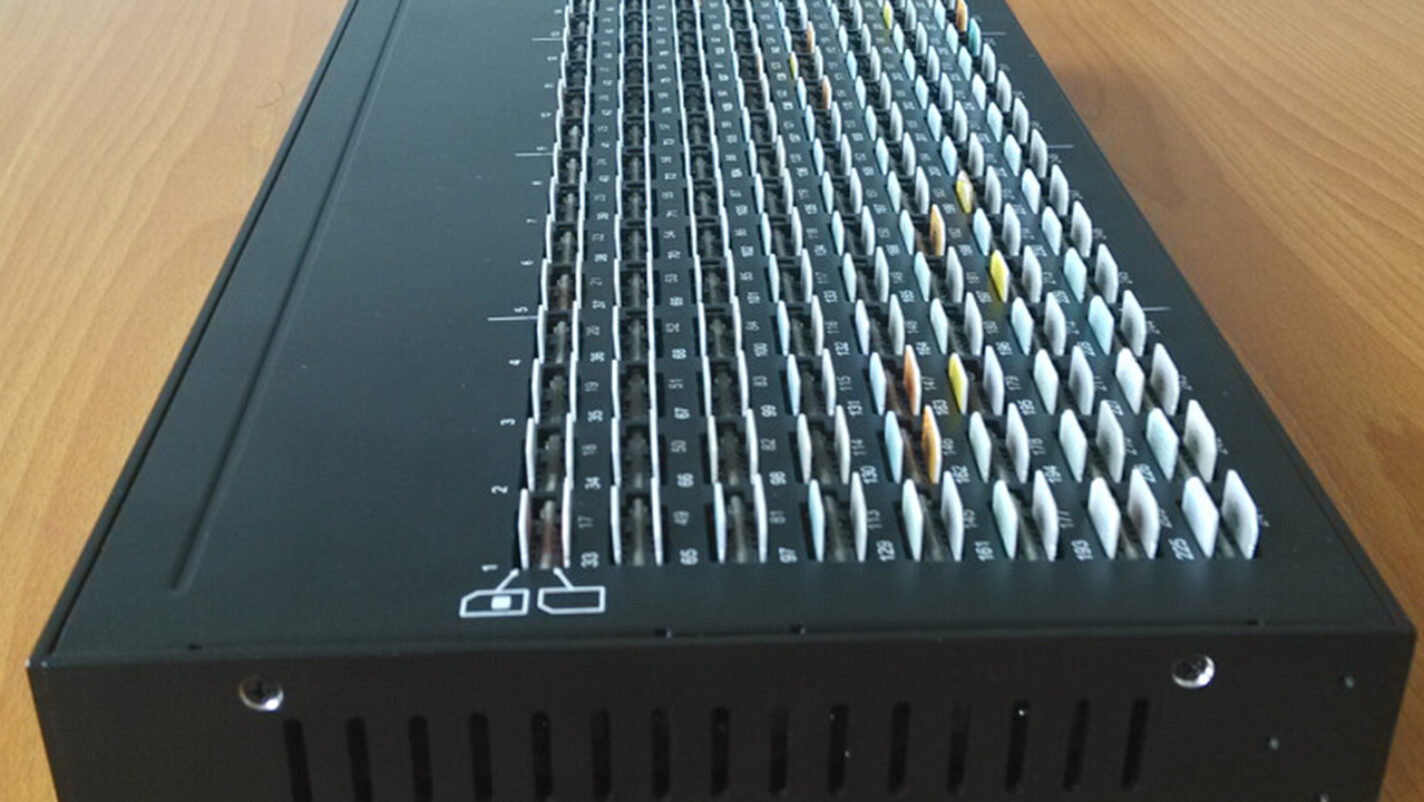
SIM boxing happens when a person uses a special equipment, what is called a SIM Box containing tens to hundreds of SIM Cards—from 32, to 96, to 512 and more SIMs —to terminate international calls by bringing in the international call into the SIM Box using internet connections and regenerating the calls to the called party from one of the hundred SIMs in the box. This way, the called party will see the local number of the SIM from the SIM Box, and not the original international number calling.


With SIM Boxes, the syndicate charges international call carriers lower rates than what regular Nigerian telecommunications operators would charge, as they do not have to pay the full cost of maintaining and operating a phone network. Basically, they are bypassing the normal route for international phone call termination to terminate international calls cheaply and making windfall profits off it.


Take for instance, a telecommunications operator in Nigeria would ordinarily charge international carriers 10cents per minute for terminating an international call in Nigeria. However, by routing the call through a SIM Boxing syndicate, the international telecommunications carrier only pays a fraction of the charge to the syndicate, say 5cents per minute and does not have to pay the full 10cents per minute charge.


The SIM Boxer will terminate this call to the called subscriber at a rate of, say N15 per minute using one of the SIM cards in their SIM Box. The SIM Boxer thus makes a killing from the differential between the rate charged to the international carrier and the rate paid to telecommunications operators whose SIM they utilise in their SIM Boxes, at the expense of our national security and income of mobile network operators and quality of our service to consumers.


Asides the revenue loss that local mobile network operators suffer courtesy the activities of these syndicates, networks face congestion around areas where the illegal call routings via SIM Boxing occurs. With the huge traffic from the boxes, callers around the area see more dropped calls, poor call quality, and slower data speeds.


The introduction of the linking of National Identity Numbers (NIN) to SIMs is one way the Federal Government has worked to tackle this criminal enterprise. With every SIM in the country being linked to an NIN, an identity is tied to the owner of each line, and regulators now have visibility of ownership. That is not all. There is also the “Max-4 Rule” where a subscriber is not allowed to have more than four lines per network operator linked to his NIN. With this rule in place, coupled with the NIN-SIM Linkage, every telephone subscriber in Nigeria would not just be accurately identifiable but limited to having only four telephone lines per subscriber.


To enforce this rule, the Nigerian Communications Commission (NCC) on the 29th of March 2024 announced the deadline for Mobile Network Operators to bar all subscribers who had five lines and above, and whose NIN failed the verification test of biometrics matching.


Over the last few weeks, sources within the NCC have confirmed cases where a single NIN was linked to over 100,000 lines. Some NINs had well over 10,000 SIMS linked to them, others over a thousand, others had hundreds. Many have questioned the reports and asked, what would any single reasonable person be doing with these number of lines? Justifiable questions, because no sane person—who is not running a business—should own more than five SIM cards.


Given the ‘Max 4 Rule’ in place and the NIN-SIM Linkage Policy, SIM Boxers have been boxed into a corner. The applications they use require tens to thousands of SIM Cards, and the imperative to stay anonymous. If these policies are well and fully implemented, this is the death knell for SIM Boxing merchants.


But the regulator, NCC needs to be fast and ready for the battle ahead. SIM Boxing is a billion-dollar criminal enterprise. They are not going to go down without a fight. It is like taking a bone being chewed from the mouth of a bulldog.


Already, the battle seems to have kicked off. A lawyer, Barrister Olukoya Ogunbeje has recently taken the Federal Government, NCC and Mobile Network Operators to court, claiming that the barring of SIMs not linked to NINs goes against his fundamental human rights, and has cost him the loss of business opportunities. Anyone who has Nigeria’s interest at heart ordinarily supports this policy. It then does not add up seeing a so-called activist lawyer take up such a matter that is clearly against the public interest—unless this is the Haka cry of SIM Boxers.


A most interesting observation with his case is that it is not even a class action, but individually driven. It begs the question then, who is funding Barr. Olukoya Ogungbeje? What is his interest in fighting this policy that puts paid to the business of a criminal enterprise? Is he funded by interests in the SIM Boxing world? Time would tell. But in the meantime, NCC must go head on without fear or intimation and clean the Augean stable of SIM ownership in Nigeria.


Suleiman Bala Bakori is a researcher, and writes from the FCT.


In a commendable acknowledgment of his dedication to transparency and good governance within NNPC Limited, Mr. Mele Kyari, the Group CEO, has been bestowed with the prestigious 2024 Nigeria Union of Journalists (NUJ) Good Governance Award.

The accolade, presented during the NUJ’s Good Governance Awards Night & Dinner at Abuja’s Barcelona Hotels, highlights Kyari’s remarkable efforts in advancing accountability and integrity within NNPC Limited. Representing Kyari at the ceremony was the Chief Financial Officer of the Company, Mr. Umar Ajiya, who graciously accepted the award on his behalf.

The event served as a platform to celebrate individuals and organizations committed to fostering good governance practices across various sectors in Nigeria. Kyari’s recognition underscores the vital role of transparency and accountability in driving sustainable development and progress within the nation’s vital industries.

The NUJ Good Governance Award not only acknowledges Kyari’s personal achievements but also reaffirms NNPC Limited’s commitment to upholding the highest standards of governance and ethical conduct.


The Director General of the National Information Technology Development Agency (NITDA), Kashifu Inuwa Abdullahi, took on the co-chairing role alongside US Deputy Secretary of State, Kurt Campbell, in the recent US-Nigeria Binational Commission (BNC) plenary focusing on Digital Economy and Emerging Technologies.

The session, graced by the presence of Minister of Foreign Affairs, Yusuf Tuggar, CEOs, government officials, and representatives from the private sector, was dedicated to fostering research, public-private partnerships, and formulating a Joint Plan of Action to drive digital transformation in Nigeria.

Key discussions during the plenary encompassed collaboration strategies, resource sharing mechanisms, digital literacy programs, and initiatives centered around Artificial Intelligence (AI), Internet of Things (IoT), and Blockchain technologies. In his address, Director General Inuwa commended the unwavering support of the US Mission and underscored the pivotal role of the BNC in propelling Nigeria’s digital economy forward, in alignment with President Bola Ahmed Tinubu’s renewed focus on reforming Nigeria’s economic landscape to deliver sustainable and inclusive growth.


KnowBe4 (www.knowbe4.com), the provider of the world’s largest security awareness training and simulated phishing platform, has just released its highly anticipated 2024 Security Culture Report (https://apo-opa.co/3Wr5p7a) for Africa, providing a detailed analysis of the intricate relationship between security practices and employee behaviours within organisations. Drawing insights from surveys conducted across thousands of organisations worldwide, the full report (https://apo-opa.co/3Wx9hng) offers a comprehensive five-year comparative view, highlighting significant trends shaping the cybersecurity landscape.


“In its section on Africa, the report reveals that organisations evaluated across 20 African countries exhibit an average security culture score of 72, consistent with the previous year,” says Anna Collard, SVP of Content Strategy & Evangelist for KnowBe4 Africa. “This shows a moderate level of readiness in security culture.”

There are noteworthy variations among sectors and countries, emphasising the necessity for targeted interventions to enhance cybersecurity resilience. “The banking sector in Kenya is a standout performer, boasting an impressive average score of 83, attributed to its steadfast commitment to maintaining mature security cultures supported by robust security operations,” explains Collard. “However, industries such as public services, construction, education, and hospitality show lower security culture scores. This shows the importance of developing specific approaches to enhance cybersecurity awareness and practices in these sectors.”

The banking sector in Kenya is a standout performer, boasting an impressive average score of 83

Africa, with its diverse cultural fabric and youthful population projected to dominate the global workforce by 2100, faces escalating cyber risks amidst rapid technological advancements. Challenges, including limited resources, inadequate cyber awareness, and economic constraints, marked the continent’s cybersecurity landscape in 2023. “This shows the need to strengthen cybersecurity readiness given the critical development requirements.”

Kenya (76), Nigeria (75), and Ghana (74) lead the charge in cybersecurity readiness, showcasing robust strategies backed by local governments. Ghana’s significant progress in cybersecurity, evidenced by its climb in the Global Cybersecurity Index, reflects the region’s commitment to cybersecurity excellence.

“With a security culture score of 72, it’s important to address the findings from a separate survey (https://apo-opa.co/44upwDi) on generative AI (GenAI) adoption by organisations in South Africa,” adds Collard. “That survey identified regulatory gaps and a lack of training in countering AI-generated misinformation, highlighting the need for regulations, training programmes, and partnerships to tackle cyber threats such as deepfakes, especially during the upcoming crucial governmental elections.”

The South African Council for Scientific and Industrial Research (CSIR) expects an increase in cyber attacks targeting important infrastructure and government bodies in the coming weeks until South Africans go to the polls. “This highlights the urgent need for stronger cybersecurity measures to protect both public and private sectors, communities, and national economies,” says Collard. “As organisations adapt to the changing cybersecurity environment, promoting a culture of awareness, education, and proactive risk management will be vital in enhancing cyber resilience throughout Africa.”

The security culture score is a global measure used to evaluate organisations based on their approach to security, explains Javvad Malik, Lead Security Awareness Advocate at KnowBe4. “This score reflects how much importance different entities worldwide place on cybersecurity within their organisational culture. In today’s interconnected world, where a mobile device in a remote area can access sensitive accounts, working in isolation on security is no longer effective,” adds Malik. “Collaboration between governments and regulators is essential not just for creating laws but also for demonstrating practical ways to strengthen security culture. Organisations need to prioritise the human element of cybersecurity by focusing on continuous awareness and training efforts rather than relying solely on technological solutions,” Malik concludes.

For the full security culture report covering Africa, click here (https://apo-opa.co/3Wr5p7a). For the comprehensive report covering Africa and five other global regions (North America, South America, Europe, Asia, and Oceania), click here (https://apo-opa.co/3Wx9hng).


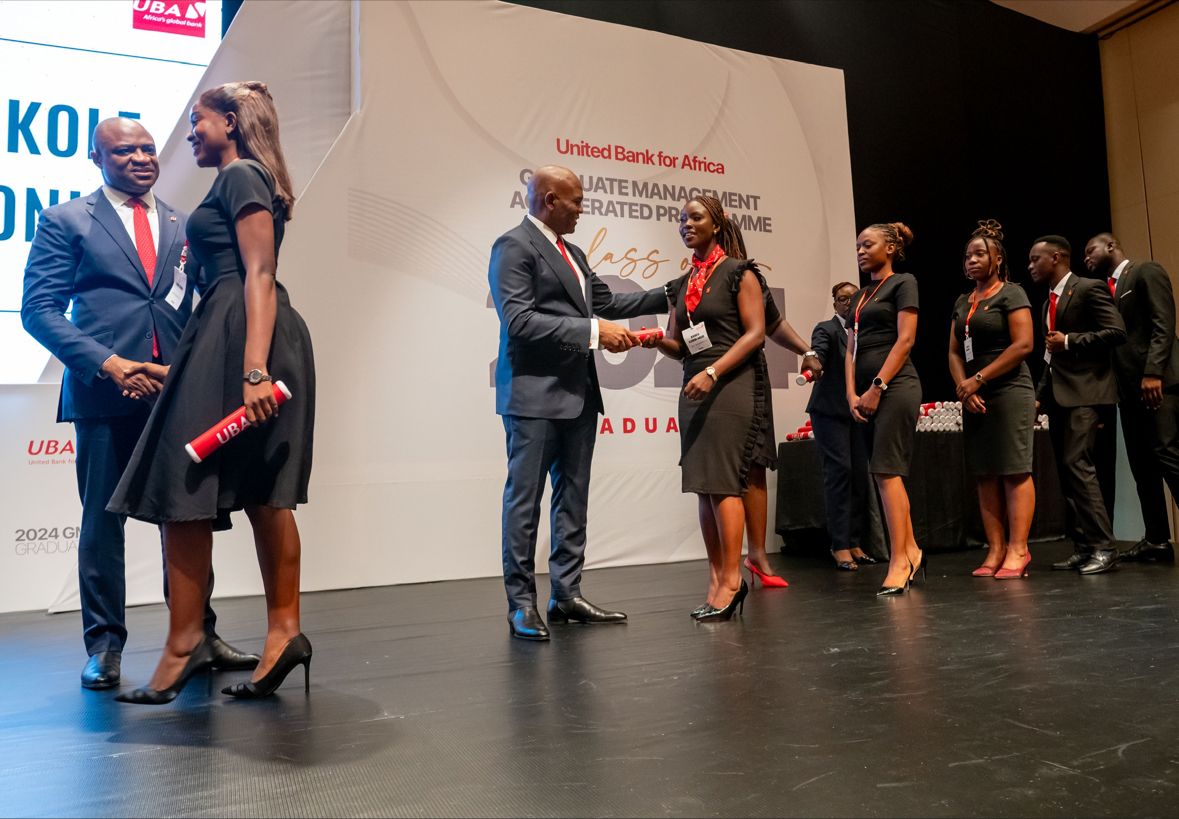
The United Bank for Africa (UBA Group) Academy proudly announces the graduation of the 8th cohort of its esteemed Graduate Management Accelerated Program (GMAP). This program, dedicated to nurturing young African professionals and equipping them with the skillset to drive the deepening of the financial services sector in Africa, marks a significant milestone in UBA Group’s commitment to youth empowerment and talent development.

Reflecting on the occasion, Tony Elumelu, expressed profound sentiments, drawing parallels between his own journey and the transformative impact of training, development, and mentorship. He emphasized the lifelong commitment to ensuring that others receive similar opportunities for growth and advancement.

At Heirs Holdings, the overarching mission is clear: to improve lives and transform Africa through strategic investments in critical sectors of the economy. The UBA Graduate Management Accelerated Program exemplifies this mission, serving as a cornerstone in grooming the next generation of African leaders.

This year, 398 young Africans, selected from a pool of over 100,000 applicants across the continent, will graduate from the program. Following months of rigorous training spanning various departments such as Treasury, Sales, Marketing, Customer Service, Financial Accounting, and Risk Management, these talented professionals are now poised to accelerate their banking careers and drive progress across Africa.No alternative text description for this image

The graduation of the 8th cohort signifies UBA’s unwavering commitment to youth empowerment and talent development. In the face of pervasive unemployment, the private sector plays a pivotal role in partnering with governments to create opportunities for economic growth and livelihood improvement. UBA’s dedication to creating a positive impact through initiatives like the GMAP program underscores its commitment to driving employment, economic growth, and transformative change across Africa.

Addressing the graduates, He emphasized the importance of their success as a beacon of inspiration for other African youth. He underscored the collective responsibility to strive for excellence and contribute to the continent’s progress.

The success of the GMAP program owes much to the leadership of the Group Managing Director of UBA Group, Oliver Alawuba, and his executive team, whose steadfast commitment has propelled the program to new heights.


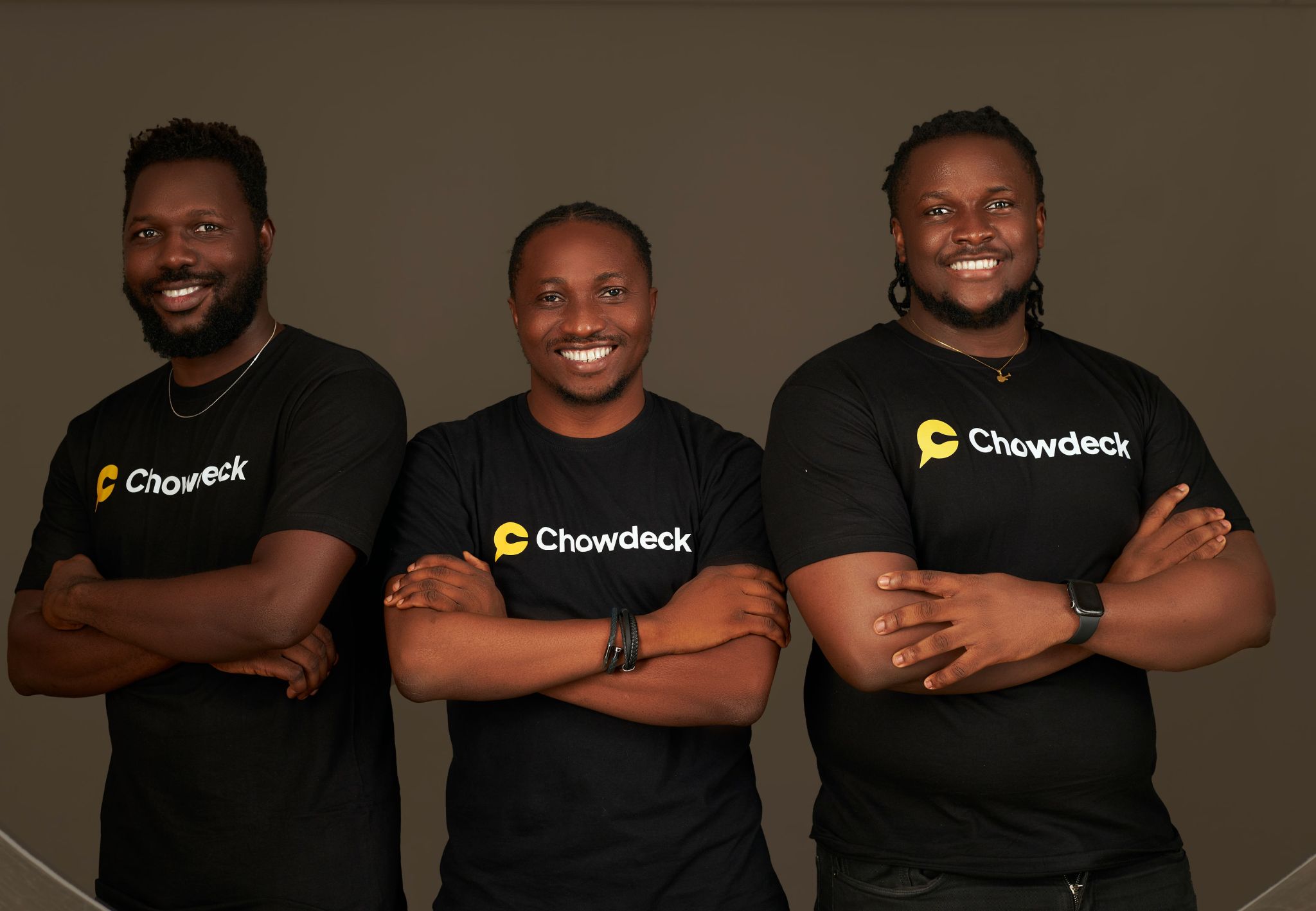
Tobi Fasipe, Rider Operations Lead at Chowdeck, announced today a significant milestone in the company’s journey, as it secured $2.5 million in seed funding. This investment marks a pivotal moment for Chowdeck, highlighting its rapid expansion and commitment to revolutionizing the food delivery landscape in Nigeria.

Fasipe expressed his excitement about the recent achievements, citing the remarkable growth of Chowdeck’s on-demand delivery service. From processing just 1,000 deliveries daily upon his arrival, the company now boasts a dedicated team of over 3,000 riders handling an impressive 14,000 deliveries per day across 8 major Nigerian cities.

The meteoric rise in delivery volumes underscores Chowdeck’s relentless pursuit of excellence and dedication to providing exceptional service to its customers. This commitment is further evidenced by the company’s Gross Merchandise Value (GMV), which skyrocketed from ₦1 billion in October 2023 to an impressive ₦2.4 billion by March 2024, marking a remarkable 140% increase in just six months.

Central to Chowdeck’s success is its investment in its rider network, which forms the backbone of its operations. Riders earn competitive wages ranging between ₦100,000 and ₦150,000, aligning with the monthly salaries of senior civil servants in Nigeria, and empowering them as breadwinners of their families.

The funding round was led by prominent investors, including Y Combinator, Goodwater, Shola Akinlade, Ezra Olubi (Paystack co-founders), Simón Borrero, Juan Pablo Ortega (Rappi co-founders), and June Angelides MBE, among others. Their confidence in Chowdeck’s vision underscores the company’s potential to reshape the food delivery landscape in Africa.

As Chowdeck embarks on the next phase of its growth journey, it remains committed to delivering exceptional service, fostering a culture of innovation, and creating value for all stakeholders. The company extends its gratitude to its customers, riders, vendors, and employees for their unwavering support and dedication.

With its sights set on reshaping the food delivery landscape in Africa, Chowdeck is poised for continued success and growth, promising an extraordinary journey ahead.

Chowdeck is a leading on-demand food delivery service based in Nigeria, dedicated to revolutionizing the food delivery landscape across Africa. With a commitment to exceptional service and innovation, Chowdeck connects customers with their favorite restaurants and vendors, delivering delicious meals straight to their doorsteps.


In a resounding declaration of ambition and determination, the 2024 cohort of UBA Group’s Graduate Management Trainee Program (GMAP) stepped onto the stage last week, marking the beginning of their journey within the prestigious financial institution. Led by a seasoned executive, the induction ceremony not only welcomed the newcomers but also imparted invaluable insights for navigating the intricate pathways of career growth and personal development.

Reflecting on his own humble beginnings, the executive shared anecdotes from his early days as a trainee, highlighting the blend of ambition, thirst for knowledge, and the daunting challenges that lay ahead. Eager to engage with the fresh talent, he opened the floor to questions, unveiling the aspirations and concerns of a generation poised to leave their mark on the world.

Among the plethora of wisdom shared, several key takeaways emerged from the insightful dialogue:

1. Conquering Challenges with Resilience:** Armed with anecdotes from his own journey, the executive emphasized the importance of maintaining a positive mindset in the face of adversity. Drawing inspiration from literary works such as “Think Big” by Ben Carson, he underscored the significance of self-belief and resilience, urging the new recruits to conquer challenges with unwavering determination.

2. Embrace Hard Work and Long-Term Vision:** In a world obsessed with instant gratification, the executive cautioned against the allure of shortcuts, advocating instead for the virtues of hard work and long-term thinking. Encouraging the graduates to define their paths and set ambitious goals, he emphasized the transformative power of dedication and perseverance.

3. Sustained Focus amidst Distractions:** With distractions abound in the modern landscape, maintaining focus emerged as a recurring theme. Stressing the importance of discipline and commitment, the executive urged the graduates to stay steadfast on their journey, surrounded by positive influences and unwavering optimism.

4. Challenges as Catalysts for Growth:** Rather than viewing challenges as insurmountable obstacles, the executive urged the graduates to embrace them as opportunities for growth. Drawing parallels from personal experiences, he underscored the pivotal role of perseverance in building resilience and confidence, essential ingredients for success.

5. Continuous Investment in Self:** As the ceremony drew to a close, the executive left the graduates with a final piece of advice – the importance of continuous self-investment. Whether through reading, mentorship, or personal development initiatives, he emphasized the need for lifelong learning as a cornerstone for personal and professional growth.

As the newest members of the UBA-Tribe embark on their journey, armed with these invaluable insights, they stand poised to carve their own path towards success within one of Africa’s leading financial institutions.


In an exclusive interview, we sit down with Johnson Oyeniyi, a prominent figure in the tech industry and CEO of Flexify Solutions. Oyeniyi sheds light on the pivotal role of artificial intelligence (AI) across various sectors of the economy, with a particular focus on education and food security. Oyeniyi elaborates on the ground-breaking AI-powered solution, “CyberAgric,” developed by Flexify Solutions to tackle food security challenges. He provides insights into how Nigerian farmers can harness this innovative technology to enhance agricultural productivity and ensure food sustainability.
Join us as Anthony Nwosu looks into this conversation, capturing the essence of Oyeniyi’s vision and the transformative potential of AI in addressing pressing societal issues.


Flexify Solutions has emerged as a prominent player in the IT sector, particularly in deploying artificial intelligence (AI) solutions in Nigeria. Can you share some insights into the company’s journey so far?

Flexify Solutions’ journey in the information technology (IT) sector has been marked by significant strides, particularly in the realm of artificial intelligence or known as AI and mobile app deployment within Nigeria. Since our inception, we’ve remained dedicated to leveraging and also deploying cutting-edge technologies to address critical challenges and drive innovation in the Nigerian market.

Our journey began with a vision to harness the power of AI and mobile apps to revolutionize various industries such as healthcare, education, agriculture, and beyond.   During this period, we also recognized the immense potential of mobile technology in the country as statistics show that in Nigeria, among users aged 16 to 64, more than 90% own a mobile phone, with more than 89.2% owning a smartphone and 14.6% owning a feature phone. Based on these statistics, it informed our decision to focus on delivering our AI solutions primarily through a mobile platform, allowing us to reach a wider audience and maximize impact. As a result, we’ve been able to engage with diverse demographics, empowering them with innovative solutions tailored to their needs. Through relentless innovation, a commitment to excellence, and strategic partnerships, such as our collaboration with Cybermate Technologies, a company I am also a founding member, we’ve steadily positioned ourselves as a prominent player in the Nigerian IT landscape. Our journey is fuelled by a passion for transformative technology and a commitment to driving positive change in communities worldwide.

As our footprint expanded, we expanded our operations globally, becoming registered in the United Kingdom and looking ahead, we’re poised to venture into the American market with cutting-edge AI solutions in 2025.

Your portfolio includes FlexKids, FlexFit360, Healthify, and FlexSuite among others. How have you successfully introduced and established these solutions in the Nigerian market?

Embarking on our mission to introduce innovative solutions to Nigeria posed a challenge, given the competitive market landscape and the diverse needs of consumers and businesses. We began by immersing ourselves in the local culture and conducting extensive research to understand the specific pain points. We noticed that there was a high demand for high-quality educational resources, we collaborated closely with Nigerian educators to develop FlexKids, an app tailored to local standards and learning objectives. The app’s success was swift, earning accolades such as the “Teacher Approved” badge from Google within its first month of launch.

Building on this momentum, we addressed the critical need for health and wellness solutions with FlexFit360 and Healthify. These offerings resonated strongly with health-conscious Nigerians, garnering significant user engagement and trust.Our commitment to meeting the needs of Nigerian businesses led to the creation of FlexSuite, a comprehensive business management platform designed to enhance efficiency and competitiveness. Throughout our journey as a firm, we remained dedicated to user-centric design and forged strategic partnerships with local experts, ensuring our solutions resonated with the unique needs of the Nigerian market. As we continue to expand our presence in Nigeria, we take pride in the positive impact our solutions have had, from empowering education to promoting healthier lifestyles and driving business growth. Flexify Solutions remains committed to delivering innovative technology solutions that truly meet the needs and aspirations of Nigerians.

One of your flagship solutions is the AI-powered agritech solution. In light of Nigeria’s food security challenges, how does this technology contribute to addressing these pressing needs?

We recognize the importance of food security in Nigeria, and our AI-powered aggrotech solution, CyberAgric, is designed, in partnership with Cybermate Technologies, to directly address this pressing challenge. By leveraging mobile technology and artificial intelligence, CyberAgric can enhance food security in several keyways and one of its most innovative features is its ability to detect diseases like Cassava Brown Streak Disease (CBSD) in cassava leaves within the first two weeks of infection. This early detection capability is a game-changer, as it enables farmers to isolate and contain the spread of diseases before they can cause widespread crop failure, ultimately protecting crop yields and food supply.

By utilizing smartphone cameras, farmers can capture images of their crops and receive real-time analysis and recommendations, putting advanced agricultural technology literally at their fingertips.

CyberAgric is designed to be accessible to farmers, even in remote areas with limited internet connectivity as the scanning module is built to function offline, ensuring that no farmer is left behind in accessing this critical technology, the idea is for every farmer to benefit from the power of this AI-driven crop monitoring and disease detection solution.

Also, beyond disease detection, it serves as an educational platform, providing farmers with the latest agricultural best practices, updates, and connections to expert resources. This holistic approach not only identifies problems but also equips farmers with the knowledge and tools to implement sustainable solutions.


What led to the decision to focus on maize and cassava farmers specifically?

Through our strategic partnership with Cybermate Technologies, we have combined our expertise in AI and mobile technology with their deep knowledge of agricultural challenges in Nigeria. This collaboration ensures that CyberAgric is tailored to the specific needs and realities of Nigerian farmers, maximizing its impact on food security.

We started with cassava modules and after wide consultations we decided to add Maize (corn) to it. Firstly, both are staple crops that play a crucial role in Nigeria’s food supply and overall agricultural economy. Maize is a vital source of carbohydrates and protein, while cassava is a primary food crop and an important industrial raw material. By targeting these two crops, our aim is to have a direct and significant impact on securing the nation’s food supply and supporting the livelihoods of a large segment of the farming community.

Secondly, both are particularly susceptible to devastating diseases and these diseases can quickly spread and cause substantial yield losses, posing a severe threat to food security. CyberAgric’s advanced disease detection capabilities, leveraging AI and image recognition, are especially valuable in combating these specific crop diseases, enabling early intervention and containment measures.

Furthermore, maize and cassava are widely cultivated by small-scale farmers across Nigeria, who often lack access to advanced agricultural technologies and resources. By tailoring CyberAgric to these crops, we are empowering these small-scale farmers with a powerful tool that can significantly improve their crop management practices, enhance productivity, and ultimately contribute to their economic well-being and food security.

Considering the internet connectivity challenges and the presence of illiterate farmers, how do you ensure accessibility to your solutions for all stakeholders?

Addressing the challenges of internet connectivity and literacy levels among farmers is a critical consideration to ensure that a solution like CyberAgric is accessible to all stakeholders. As mentioned earlier, CyberAgric is designed to function offline, recognizing the limited internet connectivity in many rural areas. This means farmers can capture images of their crops using the mobile app and receive analysis and recommendations without relying on an internet connection. The AI disease detection model is embedded within the app, ensuring its functionality even in areas with poor or no internet access.

We prioritize a user-friendly interface that is intuitive and easy to navigate, even for farmers with limited technological literacy. The app is designed with clear visuals, simple instructions, and local language support, enabling farmers to understand and utilize its features effectively. We also understand that adopting new technologies can be challenging, especially for farmers who may have low literacy levels or limited exposure to digital tools. To address this, we are deploying a team of field agents and agriculture extension workers who will provide hands-on training and support to farmers in their local communities. These agents will guide farmers through the app’s features, demonstrate its usage, and assist with any queries or difficulties they may encounter.

We are also collaborating with local farmer cooperatives, community organizations, and agricultural extension services to leverage their existing relationships with farmers and their understanding of the local context. These partnerships will facilitate knowledge dissemination, training, and adoption of our solutions, ensuring they reach even the most remote and marginalized farming communities.

“CyberAgric can enhance food security in several keyways and one of its most innovative features is its ability to detect diseases like Cassava Brown Streak Disease (CBSD) in cassava leaves within the first two weeks of infection. This early detection capability is a game-changer, as it enables farmers to isolate and contain the spread of diseases before they can cause widespread crop failure, ultimately protecting crop yields and food supply.”


Are there any collaborations or partnerships with government entities to facilitate the adoption of your solutions and support farmers?

Yes, we recognize the importance of collaborating with government entities to facilitate the widespread adoption of this solution and to provide comprehensive support for farmers across Nigeria. We are actively pursuing strategic partnerships with various government agencies and initiatives, and our aim is to leverage their resources, reach, and influence to accelerate the adoption of CyberAgric and support farmers across Nigeria. We believe that these partnerships will not only facilitate access to our solution but also contribute to policy development, knowledge sharing, and the overall advancement of the Nigerian agricultural sector.

How does Flexify Solutions approach training initiatives for farmers, and what potential impact do you foresee on food security in Nigeria and beyond?

We recognize that effective training is crucial for ensuring the successful adoption of CyberAgric and ultimately contributing to food security in Nigeria and beyond. Our approach to training farmers involves a multi-faceted strategy that addresses various challenges and leverages multiple channels. We are deploying a team of skilled field agents and agricultural extension workers who conduct hands-on training sessions and demonstrations directly in farming communities. These sessions would cover the practical usage of the app, including capturing crop images, understanding the AI-powered disease detection results, and implementing recommended actions. Farmers would have the opportunity to ask questions, practice using the app, and receive personalized guidance from our experts. Also, recognizing the varying literacy levels among farmers, we have developed educational resources in multiple formats, including instructional videos, audio guides, and illustrated manuals in local languages.

Like I said earlier, we are also collaborating with farmer cooperatives, associations, and community organizations that have strong connections with local farming communities so as to leverage their existing relationships and trust to disseminate information about the app.By combining these various strategies, we aim to create a comprehensive and accessible training ecosystem that caters to the diverse needs of Nigerian farmers. Our ultimate goal is to empower them with the knowledge and skills necessary to fully utilize the potential of the solution.

We foresee a significant impact on food security in Nigeria in particular and Africa in general. As more farmers adopt CyberAgric and implement its recommendations for early disease detection and preventive measures, crop yields are expected to improve substantially. This increased productivity will contribute to a more reliable and abundant food supply, addressing the pressing challenges of food insecurity in the country and potentially inspiring similar initiatives across the region.

Moreover, by equipping farmers with the latest technological tools and knowledge, we are fostering a more resilient and sustainable agricultural sector, capable of withstanding the challenges posed by climate change, pests, and diseases. This, in turn, will help ensure long-term food security and support the livelihoods of farming communities across Nigeria and beyond.

For illiterate farmers, is there provision for language diversity in accessing and utilizing your solutions?

Yes, addressing language diversity and catering to illiterate farmers is a crucial aspect of our approach. We understand that language barriers and literacy levels can be significant obstacles in the adoption and effective utilization of this app. To ensure accessibility for all farmers, we have implemented a multi-language support, offering interfaces and voice prompts in various local languages commonly spoken in Nigerian farming communities, such as Hausa, Igbo, and Yoruba.

This feature allows farmers to navigate the app, receive instructions, and interpret results in their native tongues, removing language barriers and promoting better understanding.


“We prioritize a user-friendly interface that is intuitive and easy to navigate, even for farmers with limited technological literacy. The app is designed with clear visuals, simple instructions, and local language support, enabling farmers to understand and utilize its features effectively. We also understand that adopting new technologies can be challenging, especially for farmers who may have low literacy levels or limited exposure to digital tools.”



Technology company, Versofy, best known for its solar solutions and services, says that preparing for South Africa’s water crisis should become a significant priority. The company, which is fast becoming a necessity-driven entrepreneurial brand, believes that further use of smart technology will also remain critical when addressing the pressing issues of water scarcity in South Africa.


Ross Mains-Sheard, Co-Founder and CEO of Versofy, says that South Africa’s water crisis is fast approaching scarcity status: “We believe that by promoting self-sufficiency and sustainability through our own smart technology solutions, we will help to address the increasing concerns regarding an imminent water shortage.”


The Development Bank of Southern Africa (DBSA) estimates that 2.2 billion people across the globe don’t have access to clean drinking water. This is of concern when considering that water is a basic need for health and hygiene.   According to DBSA, South Africa’s physical water scarcity will become a reality in 2025, and it’s expected to have a water deficit of 17 percent by 2030. This could also potentially worsen due to climate change.


Mains-Sheard says that action needs to be taken now and that education is critical: “The Institute of Security Studies says that South Africans use more water than the global average. Our per capita daily usage is 234 litres whereas the global consumption average is 173 litres. It is vital that we learn how to conserve water and in that, become more sustainable.”


He says that Versofy will be launching its all-in-one water backup storage and filtration subscription soon: “This is a potential game-changer in water solutions and can assist in solving for necessity. It is also not just a subscription; it’s a commitment to water security. With little upfront costs, our system will offer efficiency, reliability, and a sleek design that seamlessly integrates into anybody’s lifestyle.”


Aside from droughts, South Africa is further plagued with aging treatment plants as well as underused ground water. There is also the imminent shutdown and maintenance of the Lesotho Highlands Water project in October this year.


While there are ways to address these concerns, they are all lengthy. South Africans need to become more self-sustainable now.


Versofy believes that its rental subscription-based model is the logical route to follow. As opposed to a consumption model, Versofy, together with its app and the use of smart technology, will greatly assist in educating and enabling people to use water wisely. This will reduce consumption, as opposed to current models, where usage is encouraged and charged accordingly.


“Investment in water and sanitation will ultimately ensure betterment for all South Africans. Climate change is a reality, as is the infrastructure and lack of accessibility to quality water.  If we can help people become self-sustaining, storing, and using their own water, the overall impact can only be a positive one for the country and its people,” says Mains-Sheard.


Ends.

About Versofy

Versofy SOLAR has embraced technology not only as a tool for business operations but as an integral component of their service offerings.  With affordable finance solutions and the offer of support over the lifetime of each solar system, Versofy SOLAR delivers peace of mind, a hedge against Eskom price increases, protection from load shedding and the promise of contributing to a sustainable tomorrow.


Versofy is part of the renewable revolution that is igniting a new way forward – it’s the future, it’s affordable, it’s reliable, and most importantly, it’s clean – the benefits are vast helping to protect the environment for generations to come. It’s not just sustainable, it’s attainable.  Versofy endeavours to challenge the status quo by placing their customer’s needs first. With the help of technology, Versofy promises that they will do all in their power to act swiftly and efficiently to service their customer’s needs, both before and after the installation of Versofy’s product.


Versofy is about creating a sustainable future, fostering a sense of community, and continuously innovating to meet the needs of the present while anticipating those of the future – how can we turn great ideas into solutions that make a tangible difference to people, communities, and by extension, South Africa and the World.


Versofy’s insurance product is underwritten by Mutual & Federal Risk Financing Limited, a licensed non-life insurer and authorised FSP.