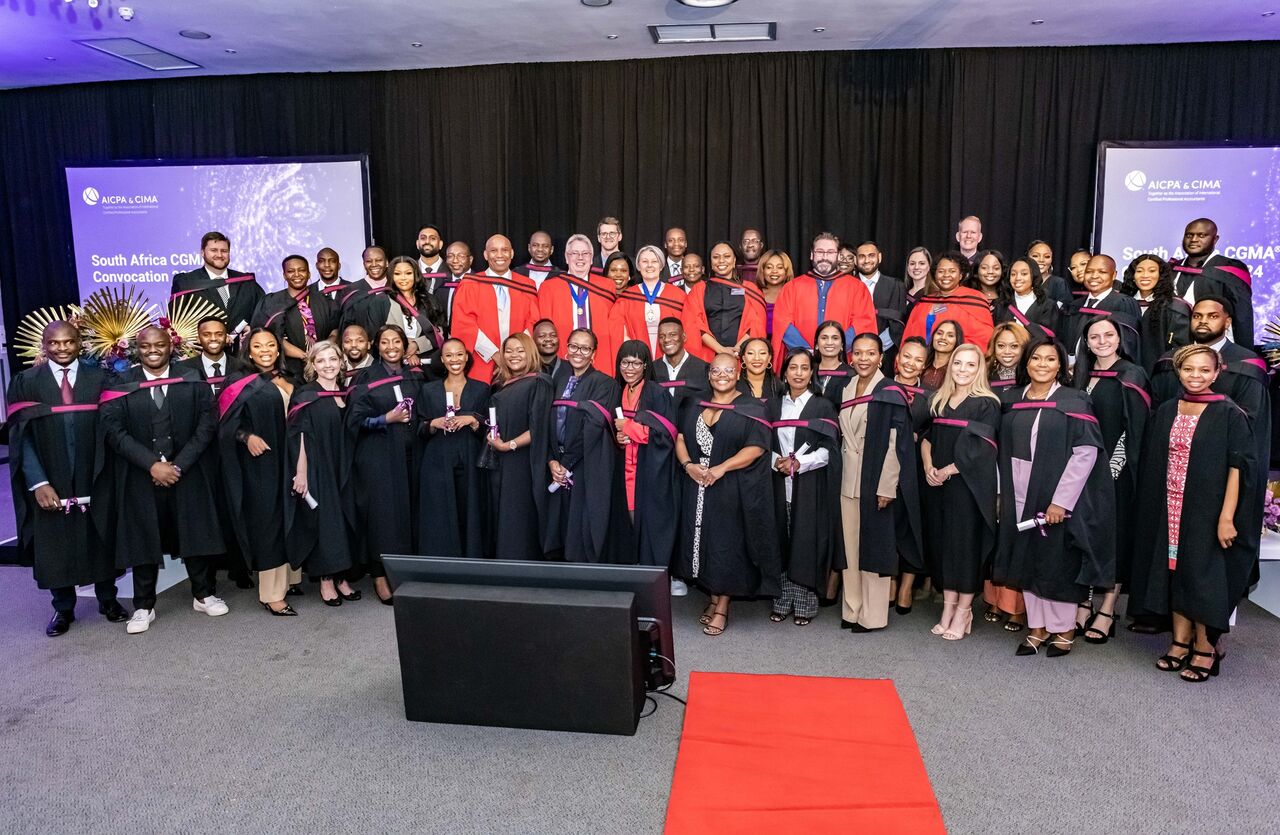
Sarah Ghosh, FCMA, CGMA, President and Co-Chair of the Association of International Certified Professional Accountants, has recently concluded the final leg of her influential and dynamic African tour, marking a significant milestone in her presidency.

During her tour, Ghosh embarked on a mission to engage with the burgeoning accounting talent across Africa and to strengthen ties with key professional institutions. Her journey began in Johannesburg, where she delivered a keynote address at a convocation ceremony, warmly welcoming new Chartered Institute of Management Accountants (CIMA) members to the profession. Ghosh’s inspiring speech emphasized the critical role of accountants in driving economic growth and upholding financial integrity.

Continuing her tour, Ghosh visited several prestigious universities, including the University of Pretoria, the University of Ghana, and Nile University. At each institution, she held insightful discussions with students, highlighting the vast array of opportunities within the accounting and finance professions. She underscored the importance of continuous learning, ethical practices, and adaptability in a rapidly changing global economy.

Ghosh also took the opportunity to connect with existing CIMA members at various events in Ghana and Nigeria. These interactions were aimed at reinforcing the importance of their contributions to the profession and discussing the latest developments in the field. Her discussions with members focused on professional growth, the implementation of innovative practices, and the global outlook of the accounting profession.

In addition to her engagements with students and members, Ghosh met with leaders of several prominent professional bodies. In Nigeria, she held productive meetings with representatives from the Institute of Chartered Accountants of Nigeria (ICAN) and the Association of National Accountants of Nigeria (ANAN). Similarly, in Ghana, she engaged with the Institute of Chartered Accountants, Ghana (ICAG). These meetings were centered on fostering collaboration, sharing best practices, and exploring joint initiatives to advance the accounting profession both regionally and globally.

Ghosh’s tour is a testament to the Association’s commitment to professional development, global connectivity, and the enhancement of the accounting profession in Africa. Her efforts have not only inspired the next generation of accountants but have also reinforced the importance of international cooperation and knowledge exchange.

This successful tour highlights the significant strides being made in the global accounting community and underscores the Association’s dedication to supporting professionals


  • Allianz Safety and Shipping Review 2024: 26 large ships lost worldwide in 2023, down by one third year-on-year, the industry’s lowest ever total
  • War and geopolitical conflicts shake up the shipping industry, with a number of major consequences
  • Climate risks on the rise while decarbonization of fleets remains a major challenge
  • The West African coast witnessed 26 losses and the Arabian Gulf and approaches saw 38 losses from 2014-2023.
  • Africa’s Gulf of Guinea is a hot spot for vessel hijackings, crew kidnappings, and hostages globally


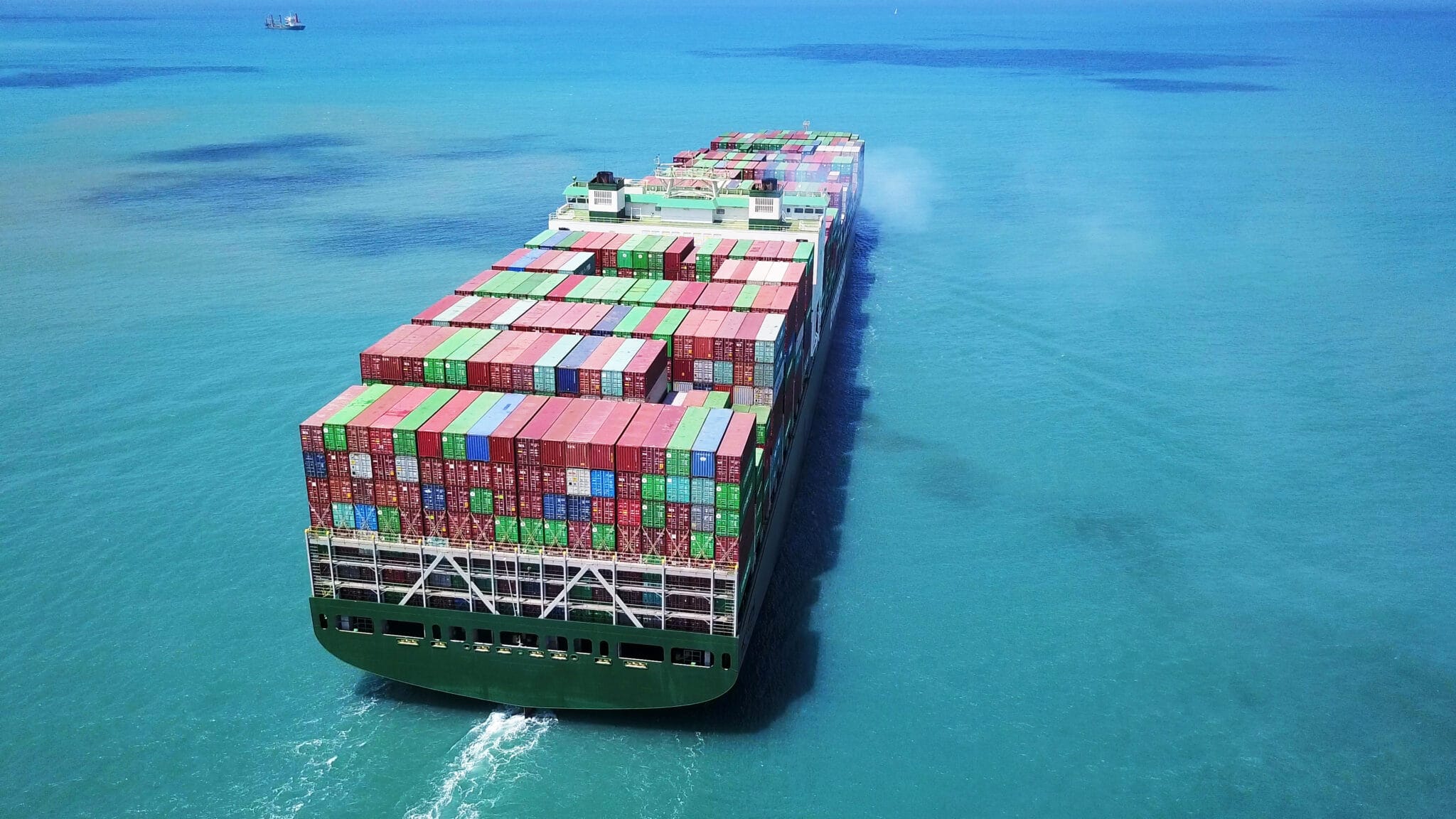
Given as much as 90% of international trade is transported across oceans, maritime safety is critical. Thirty years ago, the global shipping fleet lost around 200 large vessels a year. This total fell to a record low of 26 in 2023, a decline of more than one third year-on-year and by 70% over the past decade. However, the fact that shipping is increasingly subject to growing volatility and uncertainties from war and geopolitical events, the consequences of climate change, as well as ongoing risks resulting from the trend for larger vessels means the sector will have its work cut out to maintain this status quo in future, according to marine insurer Allianz Commercial’s Safety and Shipping Review 2024.

The speed and extent of the way the industry’s risk profile is changing is unprecedented in modern times. Conflicts such as in Gaza and Ukraine are reshaping global shipping, impacting crew and vessel safety, supply chains and infrastructure, and even the environment. Piracy is on the rise, with a worrying re-emergence off the Horn of Africa. The ongoing disruption caused by drought in the Panama Canal shows how the changing climate is affecting shipping, all at a time when it is having to undertake its most significant challenge, decarbonization,” says Captain Rahul Khanna, Global Head of Marine Risk Consulting, Allianz Commercial.

Southeast Asia emerges as maritime region with highest total losses

During 2023, 26 total losses were reported globally compared with 41 a year earlier. There have been more than 700 total losses reported over the past decade (729). The South China, Indochina, Indonesia and the Philippines maritime region is the global loss hotspot, both over the past year and decade (184). It accounted for almost a third of vessels lost last year (8). The East Mediterranean and Black Sea ranks second (6) with activity up year-on-year.  Cargo ships accounted for over 60% of vessels lost globally in 2023. Foundered (sunk) was the main cause of all total losses, accounting for 50%. Extreme weather was reported as being a factor in at least 8 vessel losses around the world in 2023, with the final total likely higher.

The number of shipping incidents reported globally declined slightly last year (2,951 compared to 3,036), with the British Isles seeing the highest number (695). Fires onboard vessels – a perennial concern – also declined. However, there have still been 55 total losses in the past five years, and over 200 fire incidents reported during 2023 alone (205) – the second highest total for a decade after 2022. Fires remain a key safety issue on larger vessels given the potential threat to life, scale of the damage, and the fact associated costs can be severe, a factor contributing to the long-term increase in the cost of large marine insurance claims.

Consequences of geopolitical conflicts

Recent incidents, such as in the wake of the conflict in Gaza, have demonstrated the increasing vulnerability of global shipping to proxy wars, disputes and geopolitical events, with more than 100 ships targeted in the Red Sea alone by Houthi militants in response to the conflict. Disruption to shipping in and around the region has persisted and is likely to remain for the foreseeable future. The re-emergence of Somali pirates, following their first successful hijacking since 2017, is an additional cause for concern.

“Both the war in Ukraine and the Red Sea attacks have also revealed the increasing threat to commercial shipping posed by new technology such as drones, which are relatively cheap and easy to make, and difficult to defend against without a large naval presence,” says Khanna. “Looking to the future, more technologically driven attacks against shipping and ports are also a distinct possibility. Reports of vessels experiencing GPS interference are increasing, particularly in the Strait of Hormuz, the Mediterranean and the Black Sea.”

The report also notes that in the three years since Russia invaded Ukraine the gradual tightening of international sanctions on Russian oil and gas exports has contributed to the growth of a sizable ‘shadow fleet’ of tankers, somewhere between 600 to 1,400 vessels. “These are mostly older, often poorly maintained vessels that operate outside international regulation, often without proper insurance. This situation presents serious environmental and safety risks,” says Justus Heinrich, Global Product Leader, Marine Hull, Allianz Commercial. Vessels have been involved in at least 50 incidents to date, including fires, engine failures, collisions, loss of steerage, and oil spills. “The cost of dealing with these incidents often falls on governments or other vessels’ insurers if one is involved in an incident.”

Rerouting brings risks and environmental challenges

Attacks against shipping in Middle East waters have also severely impacted Suez Canal transits – down by more than 40% at the beginning of 2024 – and trade. Coming so soon after the ongoing disruption caused by drought in the Panama Canal, this amounts to a double strike on shipping, causing yet more issues for global supply chains. Whichever alternative routes vessels take, they face lengthy diversions and increased costs, also impacting their customers. Avoiding the Suez Canal adds at least 3,000 nautical miles (over 5,500km) and 10 days sailing time, rerouting via the Cape of Good Hope.

Rerouting also impacts the risk landscape and the environment. Storms and rough seas can be more challenging for smaller vessels used to sailing coastal waters, while infrastructure to support an incident involving the largest vessels, such as a suitable port of refuge or a sophisticated salvage operation may not be available. Environmental gains may be lost as rerouted vessels increase speeds to cover longer distances. Red Sea diversions are already cited as being a primary contributor to a 14% surge in emissions in the EU shipping sector this year.

Green shipping challenges

Shipping contributes around 3% of global emissions caused by human activities and the industry is committed to tough targets to cut these. Reaching these targets will require a mix of strategies, including measures to improve energy efficiency, the adoption of alternative fuels, innovative ship design and methods of propulsion.

Decarbonization presents various challenges for an industry juggling new technologies alongside existing ways of working. For example, the industry will need to develop infrastructure to support vessels using alternative fuels, such as bunkering and maintenance, while at the same time phasing out fossil fuels. There are also potential safety issues with terminal operators and vessels’ crew handling alternative fuels that can be toxic or highly explosive.

Increasing shipyard capacity will also be key as the demand for green ships accelerates. Such capacity is currently constrained with long waiting times and high building prices,” says Heinrich. Over 3,500 ships must be built or refitted annually until 2050, yet the number of shipyards more than halved between 2007 and 2022. “Capacity constraints on shipyards could have a knock-on effect for repairs and maintenance, with damaged vessels or those with machinery issues potentially facing long delays.” Machinery damage or failure is the most frequent cause of shipping incidents, accounting for over half of these globally in 2023 (1,587).

EFT Corporation’s ‘Banking on the Future’ conference takes a glimpse at Africa’s digital potential

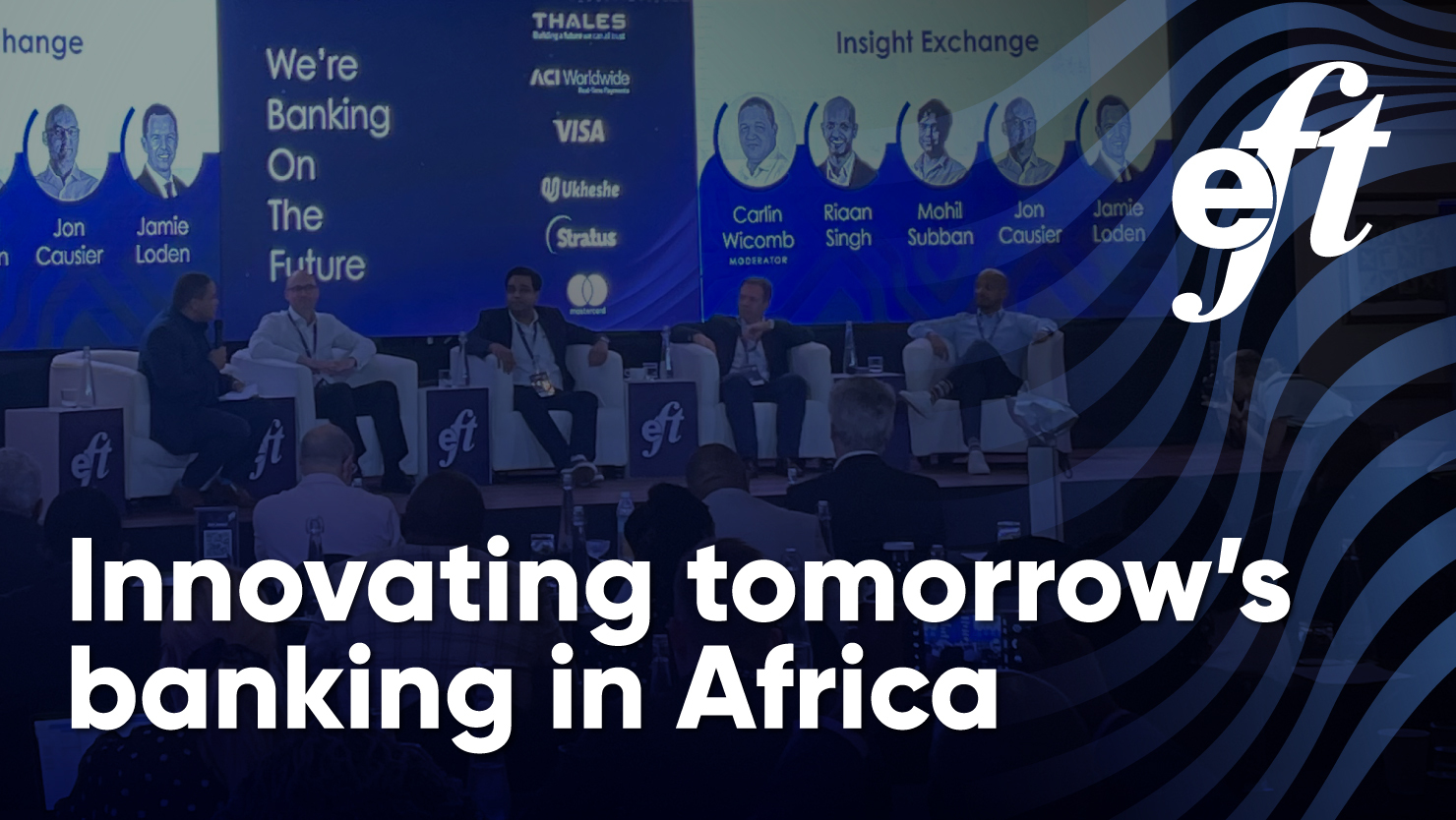
The inaugural ‘Banking on the Future’ conference, hosted by EFT Corporation, brought together industry leaders, innovators, and stakeholders to imagine, discuss, and shape the future of digital banking at Victoria Falls from 13 to 15 May.

The landmark event brought together leaders from the continent’s top banks to discuss the latest digital banking technologies and the immense opportunities for growth and innovation across African markets.

Stephen Enderby, CEO of EFTCorp, says the company has a proud legacy of pioneering digital transformation within Africa’s banking sector. “Hosting the first ‘Banking on the Future’ conference was the natural next step in our commitment to unlocking the potential of digitising African banking. Uniting visionary leaders and innovative thinking paves the way for a more dynamic and inclusive financial landscape. The success of the event is especially encouraging to our mission of revolutionising banking on the continent with customer-centric solutions that make a difference to businesses and customers.”

The power-packed three-day conference focused on several crucial areas that are set to redefine the future of banking. Just some of these included the importance of actional strategy and collaboration, customer centricity, and the impact of AI.

Adrian Saville, Professor of Economics, Finance & Strategy at the Gordon Institute of Business Science (GIBS), led the keynote address of the event on the new models, markets and mindsets required for successful business and banking in Africa, emphasising the role of leadership beyond just making things happen. Instead, leadership, coupled with multi-skilled teams and an actionable strategy, forms the golden thread for the banking of the future. Saville highlighted the need for businesses to understand market nuances, adopt the right models, and cultivate a mindset conducive to success. His discussion included six key ingredients for success, derived from data across 160 countries over 60 years, placing investment, education, healthcare, connectivity, and stable policies as foundational to economic growth.

The conference underscored the necessity of collaboration among the continent’s best and brightest organisations to build the future of banking and address the complex challenges still faced in key African markets. Discussions centred on how today’s shifting digital ecosystem demands fintech companies, traditional banks, and technology firms work together to create seamless, integrated solutions that benefit customers and the industry as a whole.

Jon Causier from Simon-Kucher debunked several myths surrounding customer centricity, chief among them being that a customer-centric approach does not equate to compromising on product quality or reducing prices. Instead, he stressed the importance of aligning products with customer needs and preferences. According to Causier, understanding customer segments and their value perceptions is crucial for building successful monetisation strategies alongside the nuances of price sensitivity, motivation, customer engagement and satisfaction.

Global conversations dominate about how Artificial Intelligence (AI) might reshape how businesses operate, compete, and grow in the digital age – and banking is no different. Riaan Singh and Mohil Subban from PWC provided critical insights into the transformational potential of AI in banking, pointing out the massive opportunities for enhancing customer interactions with financial institutions. Armed with AI’s capabilities of generating text, code, images, and data, Africa’s future banks will be more empowered to rapidly scale their operations, reduce costs, and create new business models. In addition, AI has the potential to revolutionise current payment processes, making them more efficient, secure, and customer-centric.

Carlin Wicomb, Chief Commercial Officer at EFTCorp, says ‘Banking on the Future’ has set a new and exciting benchmark for fostering dialogue and industry-wide collaboration. “The banking sector in Africa sits on the cusp of a new era of growth and development driven by technology, and we are proud to play a part in bringing this future forward. We thank all our attendees and sponsors for their support and participation as we look ahead to hosting future events that help drive innovation and transformation in the industry.”

  1.  

    By: Akachukwu Vitalis

    𝐓𝐡𝐞 𝐄𝐯𝐢𝐥 𝐅𝐨𝐫𝐞𝐬𝐭
    The concept of Ajọ Ọfia, or the Evil Forest, originates from Igbo Eco-spirituality and reflects the philosophy of ecological preservation and reverence for the environment.
    It was the proto-Igbo idea of today’s National Parks or forest reserves.

    This conservation was achieved by employing socio-religious, cultural, judicial and mythical elements, to control human encroachment, hunting of animal species and deforestation.

    The Igbo area is predominantly situated within the lush tropical rainforest zone. The rapid growth of the population resulted in significant pressure on land, prompting the need for expansion and encroachment into other regions of the rainforest, particularly stemming from the densely populated heartland.

    Human activities such as hunting, bush burning, and deforestation had a detrimental impact on the environment, leading to the depletion of forests, loss of plant species, and destruction of wildlife habitats.

    As humans expanded, many animals were displaced and some became endangered. It became increasingly evident that urgent measures were required to preserve biodiversity and protect the tropical rainforests.

    In order to achieve this, various measures such as enacting laws, implementing hunting regulations, spreading myths, and imposing sanctions were utilized to integrate the judicial and religious systems into eco-conservation efforts.

    Specific areas known for their biodiversity and abundant forests were earmarked for conservation. These areas were labeled as evil and “forbidden” to deter human encroachment, as humans tend to stay away from anything that is considered forbidden.

    The people were convinced that the forests were home to malevolent spirits and dangerous animals, sparking fear among the Igbo community.

    Those who were thought to have died negatively were cast into these “evil forests.” As a result, the mysterious and mythical evil forests preserved various plant and animal species, habitats, and ancient artefacts.

    In Igbo culture, specific animal species were designated as totems for various clans. The deliberate killing or hunting of these animals resulted in severe repercussions and penalties.

    𝐓𝐡𝐞 𝐀𝐣𝐨̣𝐟𝐢̣𝐚 𝐌𝐚𝐬𝐪𝐮𝐞𝐫𝐚𝐝𝐞

    In Igbo culture, “Ajọfịa” in the Northern and Western Igbo dialects, or “Ajọ-Ọhịa” in the heartland, Eastern and Southern Igbo dialects, signifies the “Evil forest” or “Bad bush,” as depicted in Chinua Achebe’s “Things Fall Apart.”

    Masquerading is a significant tradition in Igbo culture, where ancestral spirits and the departed are celebrated through elaborate masking and costuming. The Igbo term for Masquerade “Mmọnwụ” is paradoxical, as it translates to “The beauty of death.”

    The Ajọfịa masquerade is regarded as one of the most feared masquerades in Igbo culture. In Chinua Achebe’s Things Fall Apart, it is depicted as the most dreaded in the fictional Igbo clan of Ụmụọfịa.

    The masquerade has its roots in the ancient Igbo philosophy of eco-spirituality and conservation. Inspired by Achebe’s “Things Fall Apart”, Chief Azụka Michael Ifeagoyi of Ụmụdịm Nnewi revived and revolutionized it in the 1980s, leading a cultural revolution through exemplary practices, philosophy, and didactic music that employs ancient wisdom and teachings.

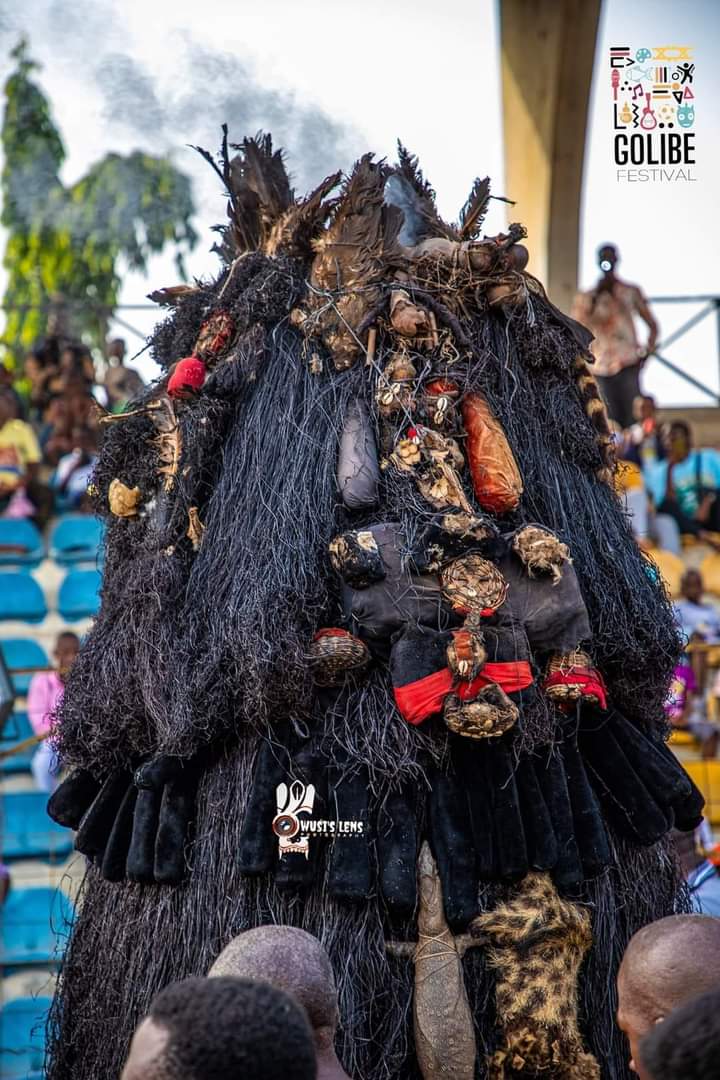
    With a towering height of ten feet, the massive masquerade looms over the spectators, emanating an aura of mystery and awe. Its form is shrouded in a thick, long, dense, jet-black fur that gives off an eerie presence.

    Adorning its fur are an array of striking adornments, including masks, skins, and skulls of endangered and extinct animals, as well as rare feathers of birds of prey. Live animals, insects, and crawling organisms add to the mesmerizing display, along with cowries, small baskets, calabash, pods, and artifacts of Igbo socio-religious significance.

    Thin strips of red cloth and palm fronds, known as “ígù,” cascade down on each side, framing the imposing figure. From the masquerade’s head, wisps of smoke rise, adding to the enigmatic atmosphere.

    Clutched in its hand is a symbol of “Anụnụ-ẹ́bẹ̀,” a mythical tree in Igbo traditional botany that symbolizes resistance to birds and human encroachment. Before the masquerade, a staff known as Oji is reverently placed, further enhancing the grandeur of this cultural icon.

    Chief Azụka Ifeagoyi is the embodiment of the Ajọfịa masquerade tradition, vehemently rejecting any claims of diabolism within the system.

    The masquerade is revered as a messenger from the Igbo ancestral spirit world, delivering the wisdom and values of past generations to a time marked by a lack of cultural pride.

    As a revolutionary leader of the Ajofia nnewi movement, Azụka Ifeagoyi’s powerful words, “Ana sọkwa ndị oji egbe na-eti mmanwụ” in the popular song “Gbawalụ m Oji” condemns the use of violence in masquerading, stressing the importance of preserving its sanctity.

    𝐒𝐢𝐠𝐧𝐢𝐟𝐢𝐜𝐚𝐧𝐜𝐞 𝐨𝐟 𝐭𝐡𝐞 𝐀𝐣𝐨̣𝐟𝐢̣𝐚 𝐌𝐚𝐬𝐪𝐮𝐞𝐫𝐚𝐝𝐞

    The towering masquerade embodies the majestic height and ancient wisdom of the untouched trees in the lush tropical rainforest. Its dense black fur evokes the wild, untamed beauty of the forest canopies within the designated conservation areas.

    Adorned with crawling animals, feathers, and animal skins, it vividly represents the rich biodiversity of the “Evil forest.” The skulls, bones, and remnants of deceased animals serve as poignant reminders of the species lost to time, their fossils and offspring preserved within the forest’s embrace.

    The small baskets and calabash pods are symbols of conservation, while the enigmatic smoke and the anụnụ-ẹbẹ exude an aura of mystery and reverence, drawing both awe and fear for the enigmatic forest.

    The cowries adorning the masquerade reflect the rewards of conservation efforts, harkening back to the ancient use of cowrie shells as currency in precolonial West Africa.

    Believed to bring good fortune wherever it appears, the Ajọfịa masquerade is a powerful symbol of resilience and survival of the Igbo culture in the face of modern challenges.

    The lion mask at the forefront exudes bravery and perseverance, while the tortoise embodies age-old wisdom.

    Adorned with red cloth and palm fronds, it serves as a warning and territorial marker, standing as a guardian against encroachment on this precious land.

    𝐓𝐡𝐞 𝐆𝐛𝐚𝐰𝐚𝐥𝐮̣ 𝐦 𝐎𝐣𝐢 𝐬𝐨𝐧𝐠

    The Gbawalụ m Oji song, attributed to the Ajọfịa society, serves as a sacred plea to the evil forest, asking it to release the ancient wisdom, truths, and teachings that have been lost or endangered over time in human society. The striking of the staff, Oji, is believed to release these invaluable elements into the community.

    This profound song employs the elements of nature as characters in a plethora of beautifully constructed adages, proverbs, and narratives. Through these, it imparts essential life principles such as hard work, bravery, resilience, trickery, violence, wisdom, and friendship, offering a rich tapestry of guidance and insight.

    In the song, the lead singer shares fundamental life lessons while the background singers repeatedly chant “Gbawalụ m Oji.” The singer describes the Ajọfịa masquerade as “Ajọ mmọnwụ, o jírí isi anyụ ọkụ,” a statement that ambiguously depicts the masquerade as a formidable figure emitting fire from its head, alluding to its enigmatic essence.

    Simultaneously, the statement symbolizes the forest as a masquerade that quenches fire with its head, signifying the protective and intervening role of the forest.

    The canopies and treetops offer shelter and shade, safeguarding humanity from the sun’s harsh ultraviolet rays. Deforestation has exposed humanity to these rays, and it is the preserved forests that continue to shield the earth from the sun’s detrimental effects.

    The verse “kama ọ na-edebe iwu obodo” (it keeps the laws of the land) highlights the importance of the traditional institutions and secret societies in maintaining order and upholding the values of the community.

    This illustrates the significant role played by these entities in the local culture.

    𝐓𝐡𝐞 𝐄𝐯𝐢𝐥 𝐅𝐨𝐫𝐞𝐬𝐭 𝐓𝐨𝐝𝐚𝐲

    The ancient forests have endured despite human expansion into wildlife and wooded areas. Similarly, secret societies have preserved relics of ancient history, culture, and language, despite the pervasive influence of westernization and the abandonment of ancestral traditions by the majority.

    The ancient wisdom held by secret societies and traditional institutions is like an unshakeable rock standing strong against the crashing waves and raging storms.

    The powerful Ajọfịa ensures that the rich tapestry of our ancient culture will never fade into oblivion. “Ebili tụcha n’arụ nkume, o zuru like” – let these words echo through the ages, reminding us of our enduring heritage.

    It is sad to see the evil forest further threatened by human activity, especially as modernization and expansion have led to a decrease in conservation efforts. Many places designated for conservation in Igboland, known as “Ajọ Ọfia,” have been lost and encroached upon.

    It is disheartening to see that the mysteries and fears attached to the evil forest, which were meant to discourage encroachment, have been disregarded.

    Some Igbo individuals have commenced hunting, slaughtering, and consuming animals that were once deemed sacred and prohibited. The evil forest has nearly vanished, predominantly due to the influence of the church.

    Nevertheless, there remains a solitary yearning for cultural preservation. Although certain cultural heritage and traditional institutions endure to this day, can contemporary society safeguard them from extinction?

    © Akachukwu Vitalis ✍️
    #AjofiaNnewiTheEvilForest
    #VoiceOfCulturalConservation
    #AfricanCulturalEnthusiasm

Multinational oil service company Halliburton is inviting eligible local companies to submit an Expression of Interest (EOI) for the supply of goods and services across the oil and gas industry. With various categories available, the EOI aims to assess local interests and capabilities, connecting players to oil and gas projects. Following submissions, a competitive bidding process will lead to the selection of preferred and alternative suppliers.


As the voice of the African energy sector, the African Energy Chamber (AEC) commends the commitment by Halliburton to give opportunities to local companies across the oil and gas value chain. In Africa, this step will lead to enhanced participation by African-based companies and service providers, and is a testament to the role international companies can play in spearheading local content– even in countries without a dedicated local content law in place.

The EOI encompasses categories supporting oil and gas operations, including machine repair and operation tools; oil, lubricants and tyers; lifting materials and accessories; welding and fabrication; calibration, certification and fuel; and many more. This not only supports participation by local players but strengthens supplier diversity, enabling Halliburton to draw competitive and strategic advantages from established relationships with local suppliers. The EOI not only creates an in-roads for local service providers but supports national and local capabilities, stimulates economic growth and market expansion.

Halliburton is not only giving opportunities to local companies but is laying the foundation for a vibrant oil and gas landscape in Africa

Additionally, the categories cover associated support services such as car rentals; medical clinics; security services; IT hardware; office suppliers and merchandise branding; PPE and safety equipment; transportation; travel agencies; and more. Other categories include logistics services; auditing; tax and advisory services; manufacturing; storage and electronics. This supports participation by companies that are not only directly active in the oil and gas industry but across the entire economic spectrum.

As the second-largest energy service company worldwide, Halliburton boasts a strong presence in Africa and is active in numerous large-scale energy projects. The company’s projects are underpinned by a mission to drive sustainable energy projects across the continent. In Namibia, Halliburton won a contract in 2024 for a deepwater multi-well construction project in Block 2914A. The company will provide solutions for the construction of exploration and appraisal wells from Q4, 2024 on. Halliburton has shown a commitment to local content development in the country despite the fact that Namibia’s local content policy is still in the draft phase and has not yet been implemented. This shows a dedication to in-country development and Namibians should gain insight from this approach and establish joint ventures with multinationals such as Halliburton. This will ensure local content is at the forefront of industry growth, and will only be accelerated as policy is brought into place.

Meanwhile, in March 2023, the company made a return to Libya, winning a $1.4 billion contract with Honeywell to develop and oilfields and refinery for the country’s National Oil Corporation. Following securing nine contracts by Woodside Energy for offshore oil and gas activities in Senegal, Halliburton has played an instrumental part in supporting the construction of the first phase of the Sangomar Oilfield Development – which is on track for first production in the coming weeks. Through the contracts, the company has spearheaded employment opportunities in Senegal’s oil and gas industry while collaborated with local service providers on project development. Similar achievements have been made in Nigeria, where the company secured a $300 million deal with Shell Petroleum Development Company of Nigeria for a large-scale offshore gas project. In 2023, a Halliburton Nigeria production facility reached its 10-million-barrel milestone. Across all these developments, Halliburton’s commitment to local content has led to fruitful opportunities for communities.

Through an established local content strategy, Halliburton is dedicated to not only creating value for clients regarding oil and gas projects but unlocking opportunities for the communities in which the company operates. The EOI is a testament to this strategy, and oil service companies active across the continent can lead from and follow this example. Halliburton’s local content strategy shows that companies do not need to wait for the requisite laws before they act: local content can form the base of operations despite a lack of policy.

“While various countries have already implemented local content policies that support local participation in oil and gas developments, many nascent producers have yet to establish the relevant local content regulation. Yet, companies such as Halliburton are proving that international service providers, project developers and investors can do a lot without a local content law. Halliburton is not only giving opportunities to local companies but is laying the foundation for a vibrant oil and gas landscape in Africa. Other international companies should learn from Halliburton’s local content strategy,” states NJ Ayuk, Executive Chairman of the AEC.


The Nigerian Communications Commission (NCC) held a significant Public Inquiry on May 21-22, 2024, at the NCC Headquarters in Abuja, focusing on three crucial regulatory instruments. The event was inaugurated by Dr. Aminu Maida, Executive Vice Chairman and CEO of the NCC, who emphasized the Commission’s commitment to fostering a transparent, inclusive, and progressive communications industry.

In his opening remarks, Dr. Maida highlighted the importance of the inquiry, noting that it serves as a platform for stakeholders to contribute to the development of regulations that will shape the future of Nigeria’s telecommunications sector. “Your participation and feedback are vital in shaping a path forward that benefits all of us,” he stated. Dr. Maida reaffirmed the NCC’s dedication to maintaining an efficient, accessible, and competitive telecom industry, underscoring the Commission’s role as an independent regulatory authority.

The Public Inquiry addressed three key regulatory instruments:

1. **Telecommunications Networks Interconnect Regulations**: Dr. Maida explained that interconnection is crucial for seamless communication between different networks and is fundamental to the growth of the telecommunications industry in Nigeria. The review aims to keep pace with technological advancements, foster competition, protect consumer interests, align with international standards, and enhance regulatory efficiency.

2. **Guidelines on Procedure for Granting Approval to Disconnect Telecommunications Operators**: These guidelines provide a procedural framework for disconnection approvals, ensuring transparency and accountability. The review is essential to adapt to the evolving industry landscape and to ensure that disconnections are justified, protecting the interests of operators and consumers alike.

3. **Guidelines for Dispute Resolution**: Effective dispute resolution is vital for maintaining stability within the communications sector. The updated guidelines aim to provide a clear and transparent mechanism for resolving conflicts, promoting timely resolutions, and ensuring fair treatment of all stakeholders. Dr. Maida emphasized the need to continuously evaluate and improve these guidelines to address emerging challenges and opportunities.

Mrs. Chizua Whyte, Acting Head of Legal & Regulatory Services at the NCC, also addressed the gathering. She reiterated the NCC’s mandate under the Nigerian Communications Act 2003 to develop and amend regulatory instruments. She noted that the proposed amendments to the Telecommunications Networks Interconnect Regulations aim to enhance compliance, provide a comprehensive interconnection framework, and improve monitoring systems.

The guidelines on disconnection procedures are designed to ensure fairness and transparency, protecting operators from unjustified disconnections and ensuring contractual obligations are met. The revised dispute resolution guidelines aim to streamline the process, save time and costs, and minimize service disruptions, particularly for small claims, thereby boosting stakeholder confidence in the resolution process.

“This Public Inquiry underscores our commitment to regulatory excellence and to building a robust communications sector that supports the Nigerian economy,” Mrs. Whyte stated. She encouraged all participants to engage in meaningful discussions, emphasizing that their contributions are crucial in shaping a dynamic and forward-thinking telecommunications industry.

The NCC remains dedicated to fostering innovation, encouraging fair competition, and serving the best interests of all stakeholders in the Nigerian communications sector.


Weather for Two, an indigenous interior decoration firm, has recently upgraded its website, [https://weatherfor2.com/](https://weatherfor2.com/), to better showcase its extensive range of world-class products. Located at Suite 25/26 Praise Plaza, Skido Bus Stop, Addo Road, Ajah, Lagos, Nigeria, Weather for Two has established itself as a premier destination for all interior decoration needs.

Mrs. Tanta, the CEO of Weather for Two Limited, expressed her excitement about the new website and the company’s offerings: “Upgrade your windows with timeless elegance! Get our Light & Luxury Elegant Sheer Curtains at a special price. Limited quantities available!”

She further highlighted the company’s commitment to creativity and innovation: “Weather for Two is a creative and innovative company with years of experience focused on the manufacturing and production of bedding, curtains, window blinds, corporate wear, and interior decoration. Our offerings are designed to suit anyone’s style and taste while working within time and budget constraints. Our collection includes modern, classic, elegant, and sophisticated bedding capabilities from high-quality cotton fabrics, available in a variety of colors, patterns, and sizes to match any bedroom interior theme.”

The new website aims to enhance customer experience by providing detailed images and descriptions of their products. “Weather for Two has a large selection of curtains, cushions, and fabrics carefully selected by our team members to offer clients the best of what we have on the market today. Our designers work closely with clients to create images and drawings right before their eyes, ensuring we meet any design expectations,” Tanta added.

The company’s mission is clear: to satisfy clients with superior quality products at the best possible prices, delivered within strict time frames. Weather for Two designs, manufactures, and decorates modern, classy, and spacious lifestyle products accessible to everyone. Their core values include Quality, Integrity, Innovation, Customer Satisfaction, Teamwork, Respect, Accountability, Excellence, and Continuous Improvement.

Mrs. Tanta concluded, “Discover exquisite interior decors and homely accessories at Weather for Two. Our curated collection blends style, functionality, and innovation to transform spaces into captivating havens. We offer personalized assistance and a commitment to excellence, helping clients create harmonious living environments that evoke emotions and inspire conversations. Welcome to a world of refined aesthetics and timeless elegance at Weather for Two.”

For more information, visit the newly upgraded [Weather for Two website](https://weatherfor2.com/) or visit their physical location at Suite 25/26 Praise Plaza, Skido Bus Stop, Addo Road, Ajah, Lagos, Nigeria.


Weather for Two Limited
Suite 25/26 Praise Plaza, Skido Bus Stop, Addo Road, Ajah, Lagos, Nigeria
(https://weatherfor2.com/)


Weather for Two is a leading interior decoration firm specializing in the design, manufacturing, and sale of bedding, curtains, window blinds, and other home decor items. With a focus on quality, innovation, and customer satisfaction, Weather for Two aims to provide superior products at competitive prices, delivered promptly to meet the needs of their diverse clientele.


Weather for Two is a creative and innovative company with years of experience focused on the manufacturing and production of bedding, curtains, window blinds, corporate wear, and interior decoration. Our offerings are designed to suit anyone’s style and taste while working within time and budget constraints. Our collection includes modern, classic, elegant, and sophisticated bedding capabilities from high-quality cotton fabrics, available in a variety of colors, patterns, and sizes to match any bedroom interior theme.”


Jennifer, the Founder of FinTribe, recently shared her insights on how young people can leverage the internet to create wealth during a panel session in Ghana. Known for her commitment to helping women achieve financial independence, Jennifer highlighted three lucrative side hustles that she personally utilized to make money online without any initial capital.

“Today’s generation has unprecedented access to opportunities for building wealth,” Jennifer stated. “Here are the side hustles that I personally engaged in, which required no capital and yet generated significant income.”

**1. Drop Shipping:**
Jennifer launched a hair business without any initial investment. By creating an Instagram page (@ourhairjoy) and sharing engaging hair content, she built a substantial audience. She partnered with larger hair pages, reposting their products with a profit margin. When customers made purchases, Jennifer coordinated with suppliers to deliver the products directly to customers, keeping the profit. “This model can be applied to any product, and many large businesses started this way,” she noted.

**2. Social Media Management:**
During the COVID-19 pandemic, many business owners were forced to move their operations online but lacked the expertise or time to manage their social media presence. Jennifer seized this opportunity by offering content creation and page management services. Starting with Facebook content on optimizing Instagram pages, she soon received requests from business owners to manage their accounts. Jennifer expanded her services to include page optimization and content calendars, eventually serving over 15 businesses and generating substantial income.

**3. Shopping Errands:**
Jennifer identified a need among people outside Lagos who wanted access to the city’s extensive and affordable markets. She launched a personal shopping service during the Christmas season, starting with a client in Warri who needed clothes for herself and her children. By providing video call shopping experiences and taking on clients within Lagos, Jennifer turned this service into a profitable venture.

“All I needed was my phone—a basic Android phone back then—and I was able to make good money,” Jennifer emphasized. “There are countless opportunities around us. Identify them and take action.”

Jennifer encourages everyone to share this information, as it could be a crucial resource for someone looking to learn and earn.

FinTribe is dedicated to empowering women to build wealth through financial literacy, entrepreneurship, and innovative business strategies. Founded by Jennifer, FinTribe provides resources, support, and inspiration to women looking to achieve financial independence and success.


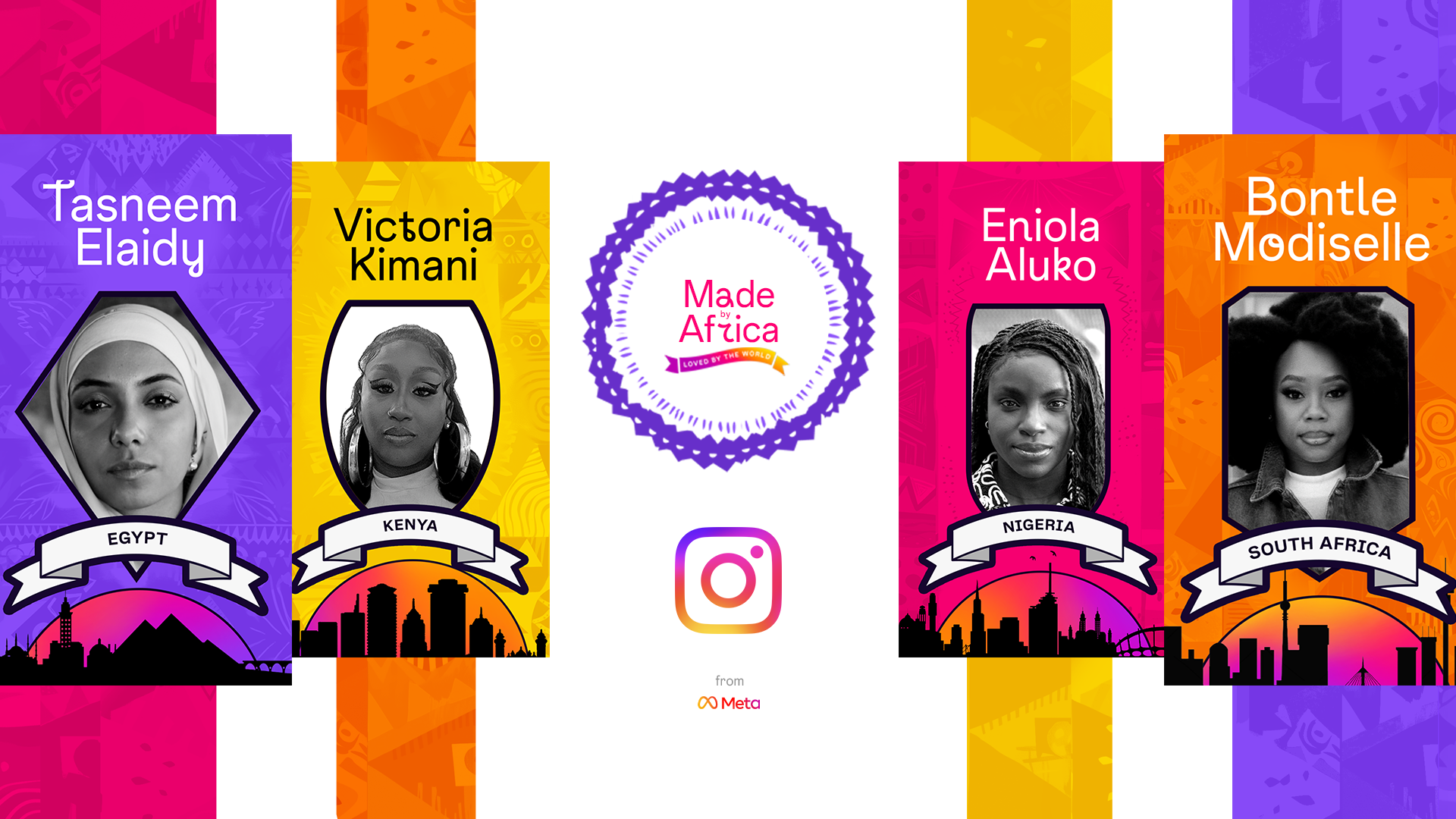
 In celebration of Africa Day on May 25, Instagram has launched its international and pan-African campaign ‘Made By Africa, Loved by the World’. In a first, this year’s Instagram campaign celebrates women of impact, spotlighting four trailblazing women from the continent and diaspora – all of whom have built a global presence through their exceptional talents and passions across sports, entertainment and music.

Now in its fourth year, the women featured in this year’s 2024 campaign hail from Nigeria, South Africa, Kenya and for the first time Egypt. Eniola Aluko, Bontle Modiselle, Victoria Kimani and Tasneem Elaidy tell their inspiring stories in four beautiful short films highlighting their successes, challenges and passions. Shot in collaboration with five rising filmmakers, Haya Khairat from Egypt, Michael Rodriques from South Africa, Nyasha Kadandara from Kenya and London based Nigerian Aaliyah Mckay alongside co-director Shehroze Khan, these films amplify the unique voices and stories of women who are changing the way Africa is viewed on the international stage.


As part of the campaign, Instagram is also partnering with local African content creators to  host the third edition of its community challenge, ‘#ShareYourAfrica,’ bringing together emerging and established content creators to create a movement and celebrate what it means to be African.


Speaking about the campaign, Kezia Anim-Addo, Communications Director, Africa, Middle East & Turkey (AMET) at Meta, said, “For the fourth year running, we’re incredibly excited to shine a spotlight and celebrate just some of the amazing women from across the continent and beyond, who are having a remarkable impact globally. These are women who are contributing to positively shaping the female African narrative and inspiring change across football, music, entertainment and culture. At Instagram, we’re deeply rooted in culture and connection, and we know our platform provides the perfect space to showcase passions and creativity, whilst inspiring a worldwide audience.”


Meet the stars of ‘Made by Africa and Loved by the World’ 2024:


●      Bontle Modiselle (South Africa): An award-winning dancer and influential figure in the South African entertainment industry, Bontle has won numerous awards, including a ‘Africa Movie Academy Award’ and has travelled the world showcasing her impressive dance skills


●      Eniola Aluko (Nigeria): A trailblazer in women’s football whose contributions to the women’s game has made her a significant figure in the world of sports. Eniola has played for some of the world’s leading football clubs, and recently made history by becoming the first African female to make the board of Italy’s female top-flight football club FC Como Women.


●      Victoria Kimani (Kenya): A singer, songwriter and entertainer known for her distinctive blend of R&B, Afropop and Hip-Hop. Victoria has carved a successful path in the African music scene and beyond, collaborating with well-known local and global artists, and was once referred to by the Grammy Awards as ‘Kenya’s Best Kept Secret’.


●      Tasneem Elaidy (Egypt): A singer and songwriter with strong vocals whose songs have earned her international recognition, Tasneem started out on social media, releasing cover songs and original music. She went viral after releasing her version of a popular song and today, she has a growing audience of nearly 2 million followers on Instagram, 3 million on TikTok and over 100 million combined views for her music!


To view each short film, follow the four women featured on Instagram or via the Meta Africa Facebook Page.


By Grant Phillips, Group CEO of the e4 Group


When you appoint people to work in your company or your team, do you choose the best – the smartest, most qualified, most experienced person for the job? Of course you do, because that’s what will make your team shine and give your company that all-important edge.


Why, then, do some leaders still feel the need to lead from the top down?


Today, the top-down approach, where senior leadership makes all the decisions and the rest are purely there to execute, is a relic of the past. We, as leaders, employ incredibly smart people – and we do that very intentionally. To not involve them in decision-making is not only counterproductive but an incredible waste of intentional investment.


But how do you create a culture of open collaboration? At e4, we’ve made it our mission, and have garnered these insights along the way.


  1. Actively listen

The first step in creating collaboration is to ensure buy-in from key stakeholders. This may not always mean unilateral alignment and agreement, but considering and debating the different views of the skilled experts you have employed is crucial. When all stakeholders have been heard and understand why a decision has been made, it’s easier to ensure commitment to the cause, which in turn drives accountability.


This empowers the workforce, giving people the authority to make decisions because they’ve bought into a common objective and know their views and input are valued. This alignment means everyone works towards a common goal, understands the role they play, and will be intentional in executing that vision.


  1. Be open and honest

Leaders aren’t perfect, and your willingness to be transparent shows people they’re not alone in their struggles. Being vulnerable and having personal conversations not only creates a culture of empathy, but it means people are more open to ask for, seek and share advice, driving collaboration.


When people feel valued, they want to work. This drives accountability across an entire organisation.


It all starts with mutual respect, where people know they are valued and feel comfortable having robust conversations. Be honest about who you are as a leader, be as transparent as possible, and ask for advice when needed. You’ll soon find this becomes a two-way street.


  1. Up your EQ

Flexible working is here to stay and has added a new dimension to team management. Organisations continue to mature in their approach to this, as it takes a different set of skills to be effective in this new hybrid environment.


Your ability to influence and ensure you’re getting the best out of your people becomes more critical when teams work remotely, as does your adeptness at picking up signals of stress or burnout. Leaders today need to use their EQ and intuition as much as their other skills, so consider upskilling leaders in these ‘softer’ skills. People matter, they are the life blood of your entire ecosystem.


  1. Don’t neglect check-ins

The last thing you want as a leader is for mistakes to get covered up because people are afraid to admit to their faults – you want to be able to fix problems as quickly as possible.


But how do you ensure people are willing to admit to blunders? Organisational culture and the points above play a big role, but we’ve also found that setting milestones and having regular check-ins means any slip-ups can be attended to quickly. Then, we roll up our sleeves and solve the problem together.


Ensure that these milestone monitoring systems are in place, and never blame someone for a slip up – offer support to help them fix it but ensure that no mistake is repeated.


  1. As within, so without

Collaboration is not only something that needs to happen inside an organisation, but with its clients as well. You need to understand clients’ challenges and solve them with a war room-type approach where all role players get together and give their input.


This is critical at the beginning of any initiative to ensure everyone is aiming in the same direction, but there also needs to be continual engagement until the point of delivery. Don’t, EVER, work in a silo. Should your client’s needs change, you need to be agile and nimble enough internally to realign to these new needs – truly putting that culture of collaboration to the test.


Every leader today knows the importance of employing the best people for the job, and these strategies will help ensure you get the best out of those people. Collaboration is not just a corporate buzzword, it’s an essential leadership strategy that will ensure your company – and its people – can thrive.