
Unlocking Brand Advocacy: The Untapped Power of Barstaff

In the fast-paced and highly competitive beverage industry, where consumer preferences can shift rapidly, there’s a powerful yet often underutilized asset that can significantly influence brand success—Barstaff.

Barstaff are not just employees serving drinks; they are the frontline ambassadors of your brand. They interact with consumers directly, shaping their experiences and influencing their choices in ways that can be more impactful than even the most well-crafted advertising campaign. The question then becomes: How can brands effectively harness this potential?No alternative text description for this image

Building Relationships with Barstaff

The first step in unlocking the power of Barstaff is building a strong relationship with them. This involves more than just basic training; it requires regular, engaging sessions that include product tastings and brand updates. By keeping Barstaff informed and inspired, they become naturally inclined to advocate for your brand. When they feel a genuine connection to your brand, they’ll share that enthusiasm with customers, creating an authentic brand experience that resonates.

Equipping Barstaff with Brand Stories

Another crucial element is empowering Barstaff with the stories behind your brand. Understanding the brand’s origins, its unique qualities, and the vision behind it gives Barstaff the tools they need to convey your brand’s narrative authentically. This personal touch not only enhances the consumer’s experience but also helps your brand stand out in a crowded market.

Recognition and Rewards

Recognizing and rewarding Barstaff for their contributions is essential in fostering a sense of ownership and pride. Whether through competitions, shoutouts, or other forms of acknowledgment, small gestures of appreciation can significantly boost morale and reinforce their role in driving sales and brand loyalty.

Creating a Community Among Barstaff

Finally, fostering a sense of community among Barstaff can amplify their impact. Using social media, hosting events, and offering exclusive perks can help create a network where Barstaff can share their experiences, tips, and successes. This not only strengthens their connection to your brand but also cultivates a supportive environment that motivates them to excel.

In a market saturated with choices, authentic brand advocacy can be the key differentiator. By investing in Barstaff, brands are not only securing their future but also creating a lasting legacy that will resonate with consumers for years to come.

So, let’s raise a glass to the Barstaff—the unsung heroes behind brand success! 🍸

My team understands this dynamic and consistently sets the pace in the industry.


John Paul Emechebe
Head, On Premise at Red Bull | Leadership & Strategy | Sales

 

In a pointed critique of Nigeria’s leadership and economic policies, His Royal Majesty Sanusi Lamido Sanusi, former Emir of Kano and ex-Governor of the Central Bank of Nigeria, has expressed deep concerns over the country’s approach to development, particularly in the context of foreign loans and infrastructure projects. Speaking at a recent forum, Sanusi highlighted what he sees as the fundamental flaws in the economic strategies being pursued by several state governments, particularly in northern Nigeria.

Sanusi’s remarks come at a time when many Nigerian governors are increasingly turning to foreign loans, particularly from China, to fund large infrastructure projects. However, Sanusi questioned the rationale behind these investments, particularly in the context of northern states like Kano and Katsina. He pointed out that while governors often secure massive loans, such as the $1.8 billion to build light rail systems, the expected returns on these investments are questionable given the current state of industrial development in the region.

“Governors go to China on tours, and what do they come back with? MoUs on debt. China will lend you $1.8 billion to build light rail. Your citizens will ride on the train, but in a place like northern Nigeria, in states like Kano or Katsina, where are the people going to? They’re not heading to industrial estates to work, to well-equipped schools, or to modern mechanized farms,” Sanusi remarked.

He expressed concern that the infrastructure projects being financed by these loans do not align with the actual needs and economic activities of the population. In northern Nigeria, where industrialization is minimal and employment opportunities are scarce, Sanusi questioned the logic of investing in transportation infrastructure that primarily serves non-productive purposes. “You borrow money from China to invest in trains so your citizens can ride on them to attend weddings, parties, and naming ceremonies. There are no factories to work in. So, where or how will you get returns on this investment? How will you pay back the loans?” he asked rhetorically.

Sanusi’s critique underscores a broader issue of leadership and economic planning in Nigeria. He argued that the current crop of leaders often lacks the vision and competence required to make decisions that truly benefit the populace. According to Sanusi, this disconnect between leadership decisions and the actual developmental needs of the country is at the root of many of Nigeria’s economic challenges.

“We have a leadership problem. We need to choose leaders who are competent to do the job, whether they come from our community or not,” Sanusi asserted. His comments reflect a growing frustration among Nigerians with the status quo, particularly the tendency of leaders to prioritize projects that do not necessarily translate into economic growth or improved living standards for the majority of citizens.

Sanusi’s remarks are likely to resonate with many Nigerians who have long criticized the government’s penchant for accruing foreign debt without corresponding investments in sectors that would generate the necessary revenue to service these loans. The former Emir’s call for a more pragmatic and competence-driven approach to leadership may also fuel ongoing debates about the future direction of Nigeria’s economic policy and the role of foreign loans in achieving sustainable development.

As Nigeria continues to grapple with economic challenges, including high unemployment rates, low industrial output, and mounting foreign debt, Sanusi’s critique serves as a reminder of the need for more strategic and informed decision-making at the highest levels of government. His call for competent leadership echoes the sentiments of many who believe that only through visionary and effective governance can Nigeria realize its full potential and ensure that investments in infrastructure and other sectors yield meaningful returns for its citizens.

NNMA and African Academy of Sciences Explore Strategic Partnership

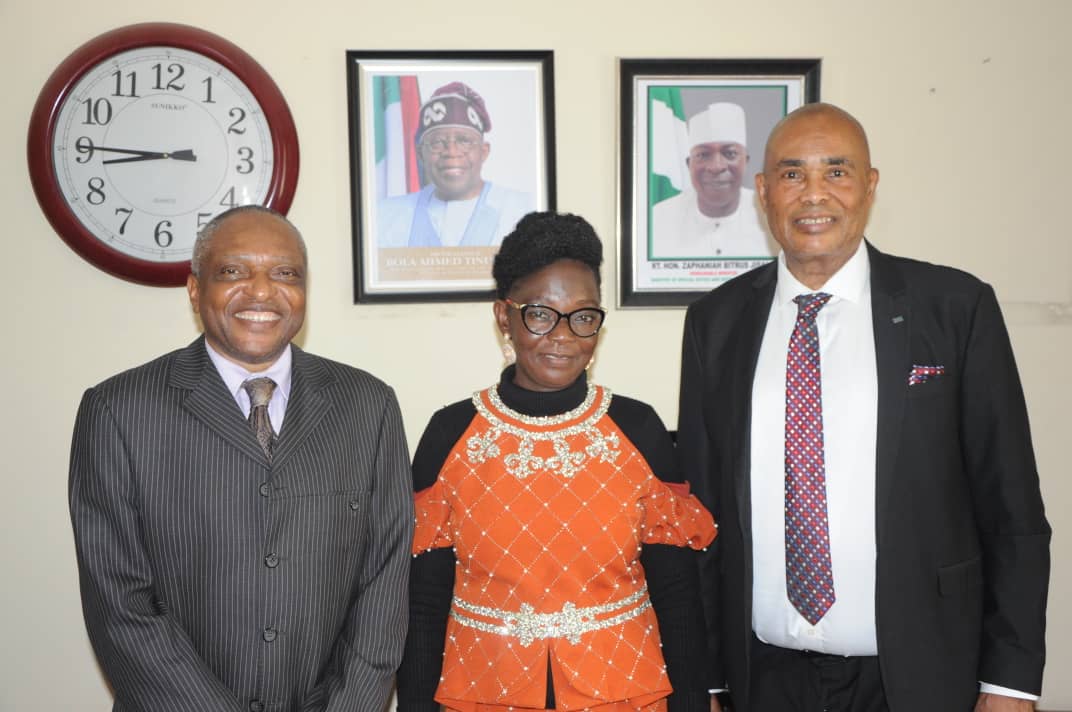
The Nigerian National Merit Award (NNMA) and the African Academy of Sciences (AAS) are set to forge a strategic partnership aimed at enhancing the recognition and promotion of intellectual and academic excellence across Nigeria and Africa. This was revealed during a recent courtesy visit by a delegation from the AAS to the NNMA in Abuja.

Speaking during the visit, Mrs. Mercy Matilda Musa Moroá, Acting Secretary of the NNMA, expressed her enthusiasm for the proposed collaboration. She emphasized the significance of such a partnership, noting that the NNMA, a multidisciplinary organization, is dedicated to identifying and rewarding outstanding contributions to national development in fields including Science, Medicine, Engineering/Technology, and the Humanities, with a particular focus on Arts and Culture.

Mrs. Moroá highlighted the Nigerian National Order of Merit (NNOM) as the nation’s highest honor, conferred on individuals who have demonstrated exceptional academic achievements and contributions to national progress. Since its inception in 1979, the NNMA has awarded the NNOM to 79 distinguished Nigerians, among them the late Prof. A.L. Mabogunje, Prof. Oluwafeyisola S. Adegoke, and Prof. Anya O. Anya.

During the visit, Prof. Hilary Inyang, who represented the AAS Secretary General, underscored the importance of the collaboration between the two prestigious institutions. He invited the NNMA to participate in the upcoming African Academy of Sciences General Assembly Conference, scheduled to take place from December 8th to 11th, 2024, at Nicon Luxury Hotel in Abuja. The event is expected to attract nearly 1,000 dignitaries, including former and current African Heads of State.

Prof. Inyang called on the NNMA to play a leading role in the event and to consider co-hosting the conference with the AAS. He also proposed a collaboration with other stakeholders to establish a framework for the African Continental Research Foundation (ACRF), while noting Nigeria’s ongoing efforts to establish a National Research Foundation.

In addition to discussing the potential partnership, Prof. Inyang emphasized the AAS’s broad scope, which extends beyond the sciences to include the social sciences, humanities, and other innovative ideas for African development. He also advocated for increased government support for the NNMA, particularly in terms of funding, and recommended that members of Nigeria’s Body of Fellows be considered for appointments to the NNMA’s Governing Board.

The proposed partnership between the NNMA and AAS is expected to enhance the recognition and celebration of exceptional contributions to various fields in Nigeria and across Africa, further cementing the NNMA’s role in promoting academic excellence and national development.

Reported by Anthony Nwosu
Tech and Biz News NG


The sponsors of malicious allegations and attacks on Dr Matawalle, DG DSS, Nuhu Ribadu , IG of Police and other top government officials are on it again.

They are circulating spurious write up through an unknown and faceless group to attack top government functionaries, this is orchestrated by the arrest of one Bashir Hadeija who they collaborate with and also use him to propagate false and nefarious information.


Since the arrest of Bashir Hadeija and the revelations he is making, certain individuals are jittery because investigation is closing in on them.
Arrest of Bashir Hadeija has triggered more reactions and ….The anticipated attacks from the named accomplices of Bashir Hadeija against high profile Nigerians should be ignored.





Bashir Hadeija and his cohorts who have been found with Gold with the inscription of former late Libyan leader whose street value is unimaginable. Bashir Hadeija is an international crook who has been caught up by wrath of the law is capable of subversive activities.


Flexify, a leading IT firm known for its innovative solutions like CyberAgric, has launched a pioneering health solution for diabetic patients in Nigeria. The Diabetic Retinopathy Analyzer, the first of its kind in the country and the entire ECOWAS region, promises to revolutionize eye care for those living with diabetes.

During a media chat, Johnson Oyeniyi, CEO of Flexify Solutions, highlighted the significance of this development. “We aim to empower diabetic patients with AI-driven retinopathy analysis for proactive eye care,” Oyeniyi stated.

The Diabetic Retinopathy Analyzer employs advanced AI technology to detect early signs of diabetic retinopathy, a common complication of diabetes that can lead to vision loss if left untreated. “Early detection through AI allows for prompt treatment, potentially preventing vision loss,” Oyeniyi explained. “Our AI algorithms ensure accurate diagnoses, reducing the risk of misdiagnosis or delayed treatment.”Flexify Solutions Launches CyberAgric App to Revolutionize Agric in Nigeria  | Tech | Business | Economy

Oyeniyi also pointed out the cost-effectiveness of AI-based retinal screening. “Compared to traditional methods, our AI-driven solution offers a more efficient and cost-effective way to screen for diabetic retinopathy,” he noted. “This technology can significantly reduce the workload for healthcare professionals by automating retinal image analysis, allowing them to focus on more complex tasks.”

Furthermore, the Diabetic Retinopathy Analyzer is designed to be accessible in remote or underserved areas, thereby improving healthcare access for those who may not have access to traditional screening methods.

Flexify’s expertise in mobile app development is evident in their ability to seamlessly integrate cutting-edge AI technologies into their solutions. “Our proficiency in AI-driven mobile app solutions will propel businesses into a future where intelligence meets mobility, creating experiences that resonate with users and drive success,” Oyeniyi added.

With this latest innovation, Flexify continues to solidify its position as a leader in the tech industry, delivering life-changing solutions that address critical challenges in healthcare and beyond.

Tony Nwosu

The Raw Materials Research and Development Council (RMRDC) and Nasarawa State University, Keffi (NSUK) have begun preparation to establish an Institute of Raw Materials Research and Development (IRMRD) in the University for the advancement of knowledge in the raw materials development.
Speaking during his working visit to the RMRDC headquarters in Abuja, the Vice Chancellor NSUK Prof. Sa’adatu Hassan said the initiative will not only enrich the academic offerings but also contribute significantly to the growth of Nigeria’s economy through research and innovation in raw materials.
“Your enthusiasm for partnership and collaboration, particularly in the area of Raw Material Economics, was truly inspiring and aligns perfectly with our commitment to advancing knowledge and research in this crucial sector.
“We have carefully considered the challenge you presented to our university regarding establishing a programme focused on Raw Material Economics. In light of the national significance of this field and its profound implications on economic development, I am pleased to inform you that Nasarawa State University has escalated this concept into a full-blown Institute to be known as Institute of Raw Materials Research and Development (IRMRD).May be an image of 4 people, newsroom and text
“To ensure the success of the IRMRD, we are keen to draw on the expertise and guidance of the RMRDC, given your institution’s extensive experience and knowledge in this field. We have prepared a presentation outlining our vision, objectives, and proposed activities for the institute, your recommendations can enhance our invaluable commitment.”
This, he said, would be an opportunity to further a mutual collaboration and explore potential avenues for joint research, training programmes, “And policy advocacy to maximise the benefits of our raw material resources for Nigeria’s economic advancement.”
On the agreement between the two institutions, the VC stated that they shall undertake steps to support research projects and other initiatives covering a mutual programme of cooperation set out in the articles following hereunder.
Speaking further on funding and finance, the both institutions shall make every effort to support development of the fruitful co-operation. Adding that, both Institutions will strive in national and international institutions aiming at provision of funds to carry out the exchange that will promote the development of co-operation.
While welcoming the VC and his team to the Council, the RMRDC Director General, Prof. Nnanyelugo Martin Ike-Muonso assured that the Council was fully committed to seeing the success of the IRMRD as it will further add to the knowledge-base of not only those in the institute, but also entrepreneurs, researchers, policy makers as well as those desirous of investing in the raw materials ecosystem.


In a bold move to accelerate Nigeria’s economic prosperity, the Federal Government has placed a renewed focus on improving the nation’s connectivity infrastructure. Dr. ‘Bosun Tijani, the Minister of Communications, Innovation and Digital Economy, recently announced the launch of the National Broadband Alliance for Nigeria (NBAN), a strategic initiative aimed at addressing key challenges in the country’s digital landscape.

Speaking at the unveiling, Dr. Tijani highlighted the critical role of robust connectivity in driving national development. “As we work towards accelerating our collective prosperity as a nation, improving our connectivity infrastructure is a critical part of our plans as a government,” he stated. The Minister underscored the government’s recognition that a solid digital infrastructure is foundational to achieving broad-based economic growth and inclusivity.

The National Broadband Alliance for Nigeria (NBAN) is designed to tackle the persistent challenges of low data consumption and the resultant poor return on investment (ROI) in the nationwide fiber network. The alliance will serve as a platform for collaboration between government agencies, private sector stakeholders, and international partners, all working together to advance broadband development and adoption across the country.

Dr. Tijani pointed out that the NBAN aims to position Nigeria at the forefront of the global digital landscape. “To support that investment and tackle the challenge of low and non-consumption of data and its resultant poor ROI in the nationwide fiber network, we launched the National Broadband Alliance for Nigeria (NBAN) to help foster collaboration for broadband development and adoption, as well as position Nigeria at the forefront of the global digital landscape,” he explained.

The Minister also emphasized that while improving the supply and quality of broadband is essential, there is an equally pressing need to stimulate demand. The government is not only focused on enhancing infrastructure but is also creating avenues to increase digital literacy and encourage widespread usage of digital services. “As we improve the quality and quality of supply of broadband, we are also creating ways to increase demand,” Dr. Tijani added.

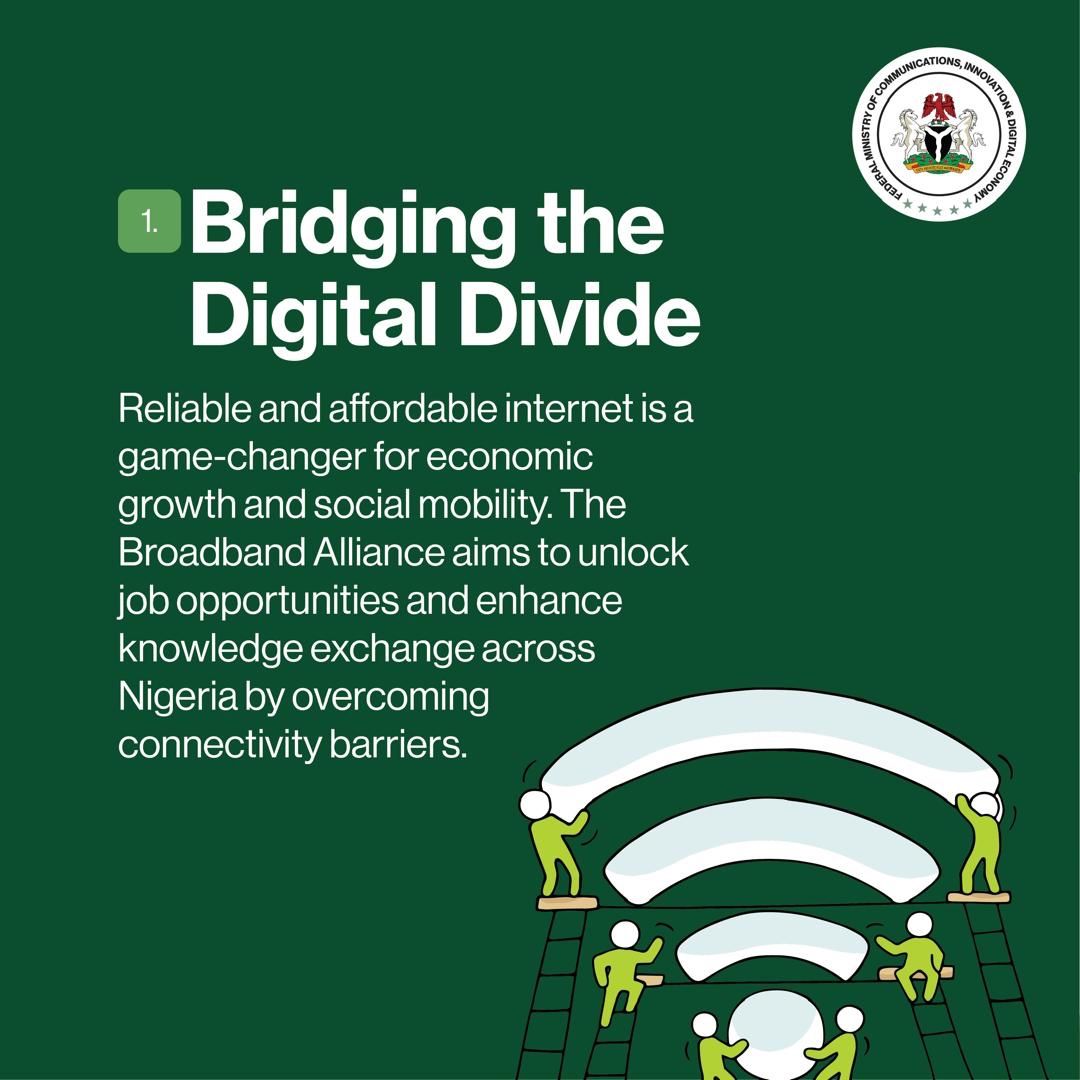
The NBAN is expected to play a pivotal role in bridging the digital divide, especially in underserved areas, by ensuring that high-speed broadband is accessible to all Nigerians. This initiative is part of a broader strategy to enhance digital inclusion, stimulate economic growth, and empower citizens to participate fully in the digital economy.

As the government continues to roll out this ambitious plan, the success of the National Broadband Alliance will be measured by tangible improvements in broadband accessibility, affordability, and overall digital inclusion. With this initiative, Nigeria is setting the stage to not only catch up with global digital standards but to become a leader in the digital economy.


Jimmy Khoury, Operations Director at GRC Projects, with extensive experience in FMCG Sales & Marketing, Supply Chain, Business Development, and Downstream Oil & Gas in the Middle East & Africa, passionately expressed his admiration for Nigeria, saying:

“Why do I love Nigeria? Let the whole world listen!

First, name a country where meetings start and end with a prayer. I’m not sure there are many, but Nigerians do this. As an expatriate living here, I’ve embraced this tradition and work to reinforce it.

Secondly, I’ve never seen people as joyful as Nigerians. Even the poorest, without a kobo in their pocket, smile and laugh. Where does this joy come from? It must be a gift from God.

Where else can you visit your brother, sister, uncle, or cousin without needing to schedule an appointment weeks in advance? In Nigeria, family doors are always open, and the soup is ready to be shared. Even when it’s barely enough, you’ll still get your portion.

Name a place where the elderly are deeply respected. I’ll tell you—it’s Yoruba land. Also, if you want to find a place where people are known to be highly business-oriented, that’s Igbo land. Name a place filled with brave, generous people with strong hearts. That’s Hausa land. And if you’re looking for classy, proud Nigerians, visit Edo State, home to the ancient Benin Empire.

Are you curious why I learned Yoruba? I had a teacher come to my office daily to teach me because they have greetings for everything! They love to greet, they are joyful people, and highly educated. I also learned Hausa through a teacher, as it shares words with Arabic and is spoken widely, not just in Nigeria.

Nigeria is a blessed nation. Despite global economic crises, it is striving to rise above them. Yes, there have been challenges and mistakes along the way, and things could have been done better. Nothing good comes easy. There’s still much work to be done.

I love this country, and the whole world has to know why.”


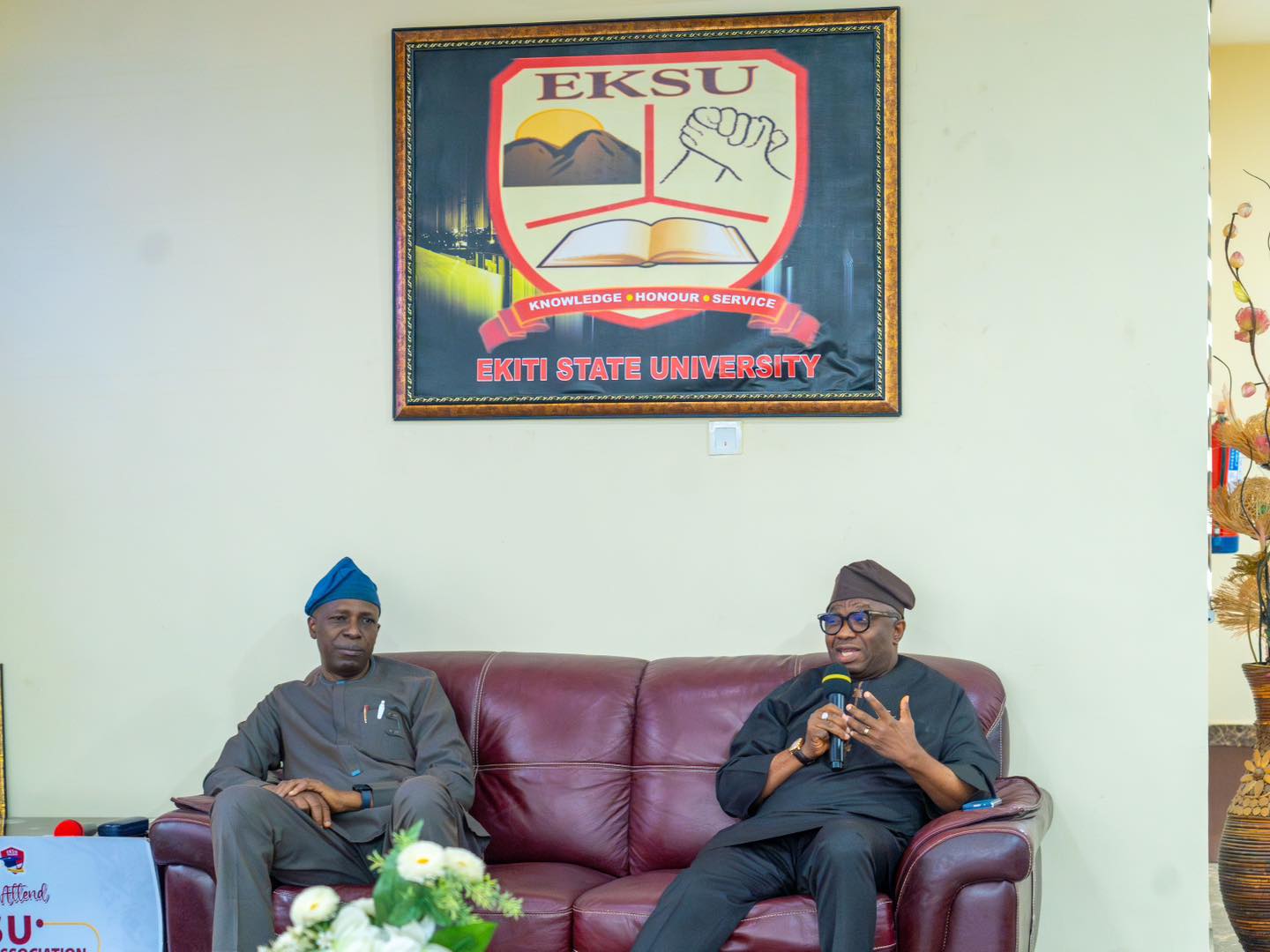
The National Commissioner and CEO of the Nigeria Data Protection Commission (NDPC), Dr. Vincent Olatunji, served as the guest lecturer at the Registry Lecture organized in honor of the outgoing Vice-Chancellor of Ekiti State University, Prof. Edward Olanipekun. During the event, Dr. Olatunji congratulated Prof. Olanipekun for his commendable leadership and the substantial progress achieved by the University under his tenure. He also extended his best wishes to the incoming Vice-Chancellor, Prof. Babatola Ayodele, encouraging him to build on the foundation laid by his predecessor.

In his presentation, titled “The Myths and Realities of Virtual University Administration in the Face of Economic Downturn,” Dr. Olatunji explored the evolving concept of virtual universities and the current state of virtual education in Nigeria. He addressed the key challenges facing virtual university administration, particularly in the context of an economic downturn, and offered insights into the future prospects of this educational model.

Dr. Olatunji highlighted the critical importance of data protection within virtual universities, emphasizing the need for institutions like Ekiti State University, a significant data controller, to prioritize data security and compliance with the Nigeria Data Protection Act (NDPA). He concluded by urging the University to integrate data protection as a core component of its virtual administration strategy.

AI MODELS AND POWER AIOPS FOR BETTER BUSINESS OUTCOMES


New Solution Fuels AI/ML Processes with Actionable Data to Enhance Service Performance


NETSCOUT SYSTEMS, INC. (NASDAQ: NTCT), a leading provider of performance management, cybersecurity, and DDoS attack protection solutions, today announced a new initiative designed to deliver the valued data needed to secure better outcomes from artificial intelligence (AI) and AIOps solutions. As enterprises increase observability for AIOps, they require high-fidelity, enriched, and curated data mapped to their unique requirements. NETSCOUT is working across its growing partner ecosystem, including Cisco, Palo Alto NetworksServiceNow, Splunk, and others, to integrate its high-quality AI-ready data and deliver the insights needed to drive better business outcomes and elevate user effectiveness.


NETSCOUT generates granular telemetry at scale and curates it into targeted feeds, producing an information-rich dataset designed to address critical use cases. NETSCOUT’s data can be easily ingested into data lakes and other AIOps platforms, where it can be enriched and combined with other datasets for analytics and visualisation, resulting in higher-quality behavioural classifications, predictions, and automation.


“As organisations automate their IT environments to scale operations, they need enterprise-grade intelligence to improve decision-making and optimise the user experience,” said Stephen Elliot, group vice president of I&O, Cloud Operations, and DevOps at IDC. “Technology leaders must consider the value of service reliability and resiliency they can receive by filtering the appropriate metadata, session data, and IP intelligence necessary for critical AIOps and security use cases.”


Delivering Data Insights at AI Scale


To provide high-quality AI-ready data that mitigates the risks IT teams face from an overload of unusable or ineffective data, NETSCOUT has introduced Omnis™ AI Insights. It delivers precise, actionable network telemetry data that feeds customer AI initiatives to enable critical outcomes without requiring data transformations and adaptations, including:

  • identifying and correlating observability trends
  • streamlining and automating data analysis
  • uncovering historical operational patterns
  • detecting unforeseen issues and security risks that could lead to future service outages and data breaches


“NETSCOUT is built around deep packet inspection, so we understand the value of transforming raw packet data into actionable intelligence at scale,” stated Bruce Kelley, chief technology officer at NETSCOUT. “As customers accelerate their IT operations using AI, our expanded end-through-end visibility and open data model is critical to assuring better business outcomes and elevating user effectiveness.”


Data intelligence, produced and curated at the source for AI platforms, is imperative for AI use cases across multiple sectors, including healthcare, communication service providers, financial services, insurance, manufacturing, energy and utilities. NETSCOUT’s high-quality AI-ready data allows models to converge and generalise without dealing with extraneous data that blurs or impairs outcomes.