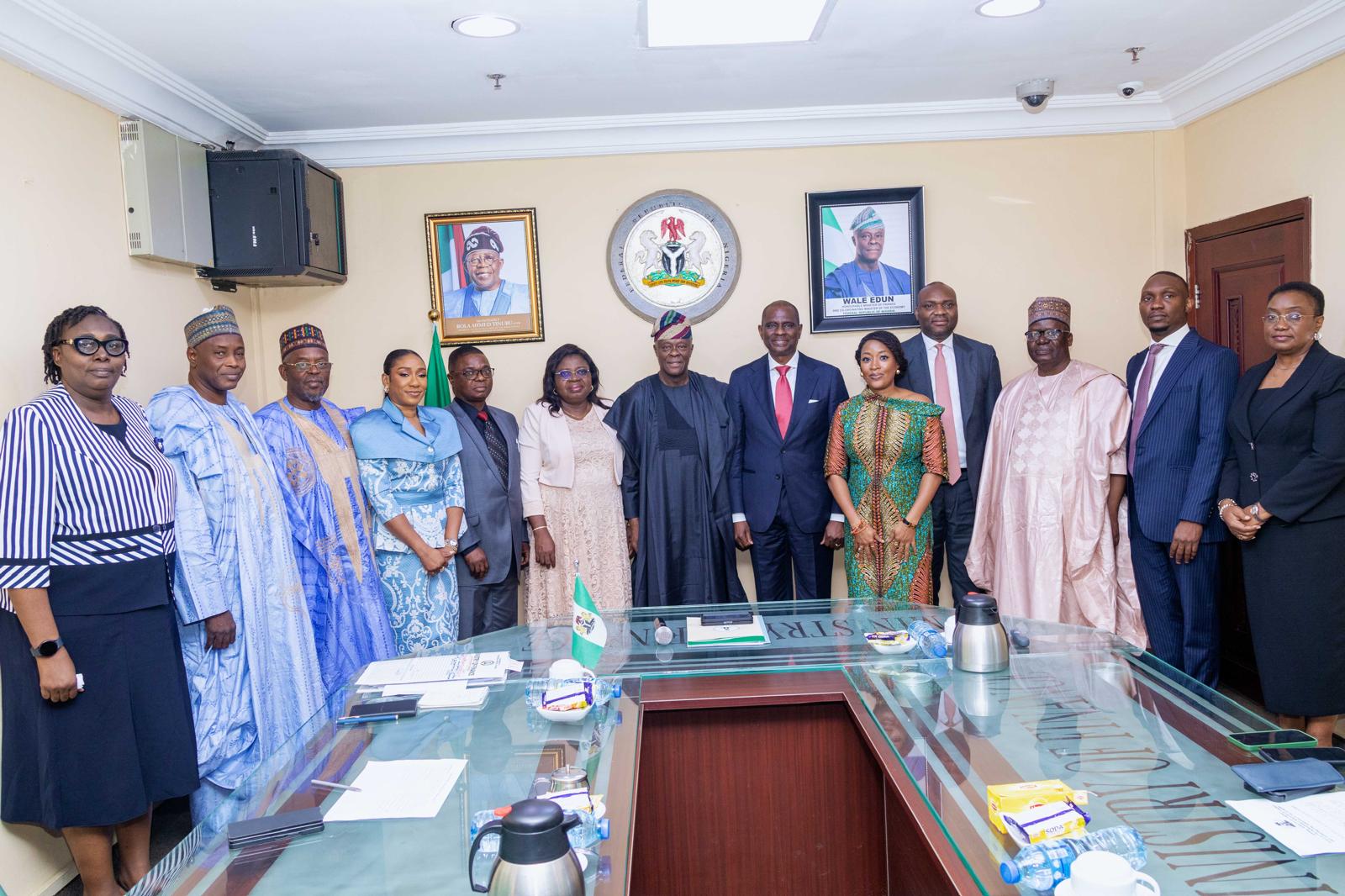
The Federal Government has inaugurated a new Board of Directors for the Nigeria Sovereign Investment Authority (NSIA), tasking them with the critical mandate of driving the nation’s economic growth and stability.

During the inauguration held at his office in Abuja, the Honourable Minister of Finance and Coordinating Minister of the Economy, Mr. Wale Edun, called upon the new Board to leverage their expertise and experience in advancing the NSIA’s mission of building a sustainable economic future for generations to come.

The newly appointed Board comprises a group of distinguished professionals from diverse sectors, carefully chosen through recommendations from the Executive Nominations Committee and approved by the President, His Excellency Bola Ahmed Tinubu, GCFR. The selection was also endorsed by Vice President Senator Kashim Shettima, GCON, Chairman of the National Economic Council (NEC).

New NSIA Board Members:

  • Mr. Segun Ogunsanya – Chairman
  • Mr. Aminu Umar-Sadiq – Managing Director/Chief Executive Officer
  • Prof. Fabian Ajogwu
  • Mr. Abdullahi Mahmud Gaya
  • Mr. Ahmed Goniri
  • Ms. Ada Osakwe
  • Dr. Suleyman Ndanusa
  • Ms. Ijeoma Taylaur
  • Mr. Kola Owodunni

In his inaugural address, Mr. Segun Ogunsanya, the newly appointed Chairman of the Board, affirmed his dedication to fostering a prosperous future for the next generation, aligning with the Renewed Hope Agenda of President Bola Ahmed Tinubu’s administration. “Our mandate is clear—we are here to enhance the wealth of our nation and ensure that future generations do not face the specter of poverty,” Mr. Ogunsanya stated, emphasizing the Board’s ambition to significantly grow the fund under its management.

Reflecting on NSIA’s 11-year journey since its inception, the Honourable Minister praised the institution’s significant achievements in fulfilling its mandate and described it as crucial to the country’s economic stability and growth.

As the new Board of Directors begins its tenure, they are reminded of the nation’s economic future that rests on their shoulders. With the Minister’s charge and their collective expertise, they are poised to make a substantial impact on Nigeria’s economic landscape.

The nation eagerly anticipates the Board’s innovative strategies and bold initiatives to elevate the NSIA to new heights and secure a brighter future for all Nigerians.

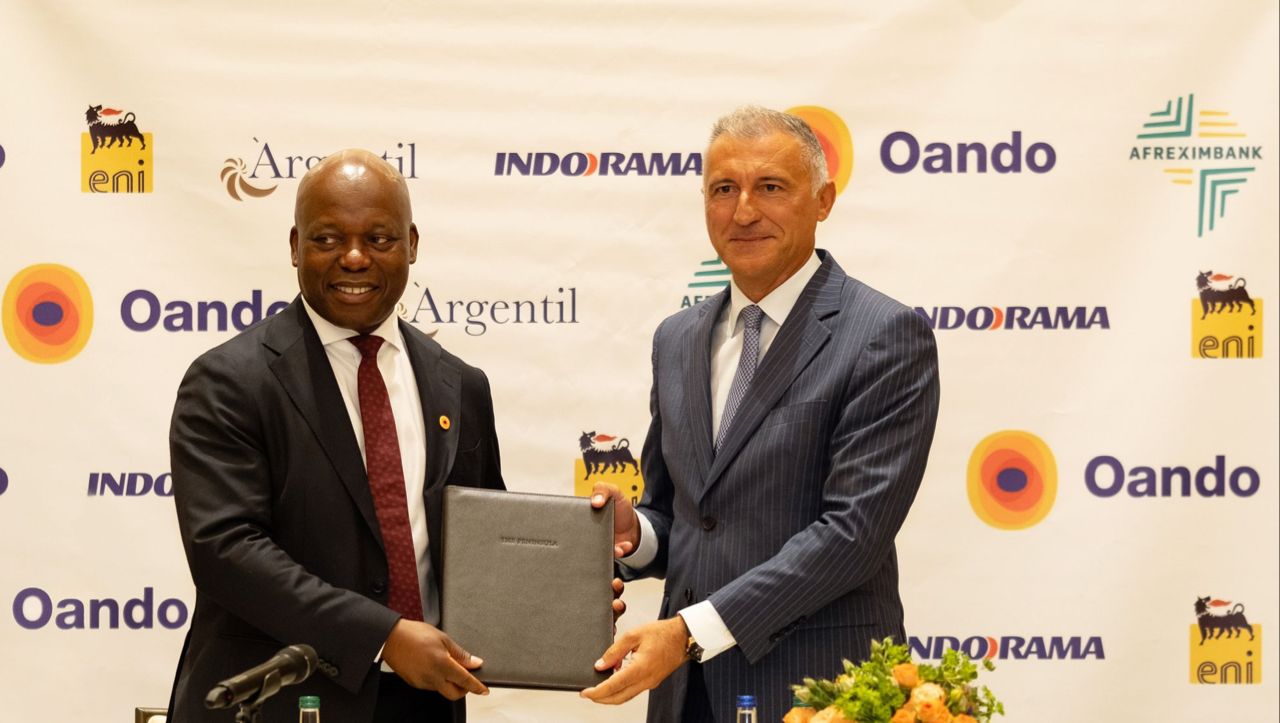
Oando PLC (“Oando” or the “Company”) (www.OandoPLC.com), Nigeria’s leading energy solutions provider listed on both the Nigerian Exchange Limited and Johannesburg Stock Exchange is pleased to announce the successful completion of the acquisition of 100% of the shareholding interest in the Nigerian Agip Oil Company (NAOC) from the Italian energy company, Eni, for a total  consideration of US$783 million comprised of consideration for the asset and reimbursement (the “Transaction”).


Download document: https://apo-opa.co/4cD97ik


This acquisition is a significant milestone in Oando’s long-term strategy to expand its upstream operations and strengthen its position in the Nigerian oil and gas sector.

It is a win for Oando, and every indigenous energy player, as we take our destiny in our hands, and play a pivotal role in this next phase of the nation’s upstream evolution


Transaction Highlights

  • The Transaction increases Oando’s current participating interests in OMLs 60, 61, 62, and 63 from 20% to 40%.
  • It increases Oando’s ownership stake in all NEPL/NAOC/OOL Joint Venture assets and infrastructure which include forty discovered oil and gas fields, of which twenty-four are currently producing, approximately forty identified prospects and leads, twelve production stations, approximately 1,490 km of pipelines, three gas processing plants, the Brass River Oil Terminal, the Kwale-Okpai phases 1 & 2 power plants (with a total nameplate capacity of 960MW), and associated infrastructure.
  • Based on 2022 reserves estimates, Oando’s total reserves stand at 505.6MMboe and the transaction will deliver a 98% increase of 493.6MMboe, bringing the total reserves to 1.0Bnboe.
  • The Transaction is immediately cash generative and will contribute significantly to the cashflows of the Company.


Commenting, Wale Tinubu CON, Group Chief Executive, Oando PLC, said:

“Today’s announcement is the culmination of ten years of toil, resilience, and an unwavering belief in the realisation of our ambition since the 2014 entry into the Joint Venture via the acquisition of Conoco-Philips Nigerian Portfolio. It is a win for Oando, and every indigenous energy player, as we take our destiny in our hands, and play a pivotal role in this next phase of the nation’s upstream evolution. With our assumption of the role of operator, our immediate focus is on optimizing the assets’ immense potential, advancing production and contributing to our strategic objectives. This we will do while prioritizing responsible practices and sustainable development in ensuring a balanced approach to our host communities, and environmental stewardship as we complement the nation’s plan to boost production output.

Looking to the future, we will continue to pursue strategic diversification opportunities within the broader energy sector that provide enhanced growth and value creation for our stakeholders, particularly in clean energy, agri-feedstock sector, as well as energy infrastructure and mining.”


In a heartwarming story of compassion and humanity, Chijioke Francis, an Igbo Christian, has demonstrated a profound act of kindness towards a pregnant Northern Muslim woman in Katsina State. His selfless actions have bridged divides and garnered widespread recognition.

The Incident

At Malumfashi Market, Katsina State, a pregnant Northern Muslim woman faced a critical situation when she needed urgent medical attention. Despite the urgency, no one was initially willing to help her. It was Chijioke Francis who stepped up, going above and beyond to ensure she received the care she desperately needed.

Francis swiftly arranged for a tricycle and transported the woman to two government hospitals. Unfortunately, both facilities had no available beds. Undeterred, he then took her to a private hospital. At the private facility, Francis not only donated his own blood but also covered all medical expenses.

A Joyful Outcome

Thanks to his heroic efforts, the woman successfully gave birth to twins. The birth of the twins was a joyous moment, made possible by Francis’s unwavering commitment to helping a fellow human being in need.

Recognition and Honor

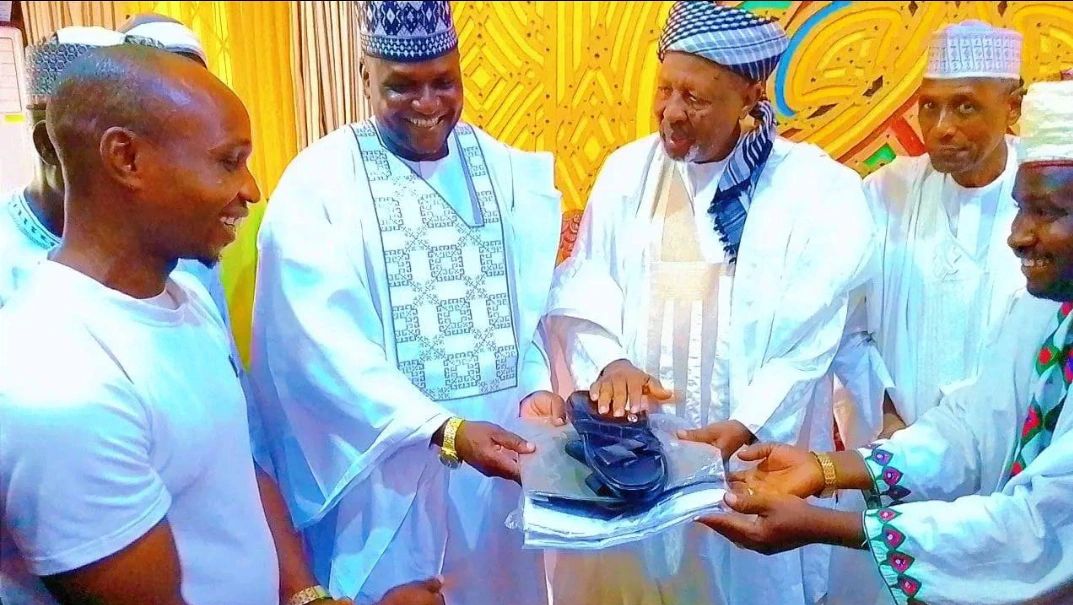
In recognition of his extraordinary act of kindness, Chijioke Francis was honored by the chairman of Malumfashi Local Government and the Galadima Kingdom in Katsina. The honoring ceremony took place at the palace of the Galadima of Katsina, attended by the chairman and his entourage, including Islamic clergymen, the Area Commander, DPO, Muntari Adamu Dayi (Commander) DAF, and the Magaji.

Francis was presented with a traditional gown (babbar riga), a cap, a wristwatch, and shoes in acknowledgment of his noble deed. The ceremony was a testament to the appreciation and respect for his selfless act.

Community Gratitude

The Muslim community has expressed their deep gratitude for Francis’s generosity, highlighting the importance of reciprocating acts of kindness. This gesture has not only brought joy to the family but also strengthened interfaith and intercultural bonds.

A Lesson in Humanity

Chijioke Francis’s story serves as a powerful reminder of the capacity for kindness and compassion across religious and cultural divides. His actions reflect the best of human nature and exemplify the spirit of community and mutual support.

In celebrating Francis’s heroism, we also honor the broader message of unity and empathy, showing that acts of kindness can bridge gaps and bring people together, regardless of their backgrounds.


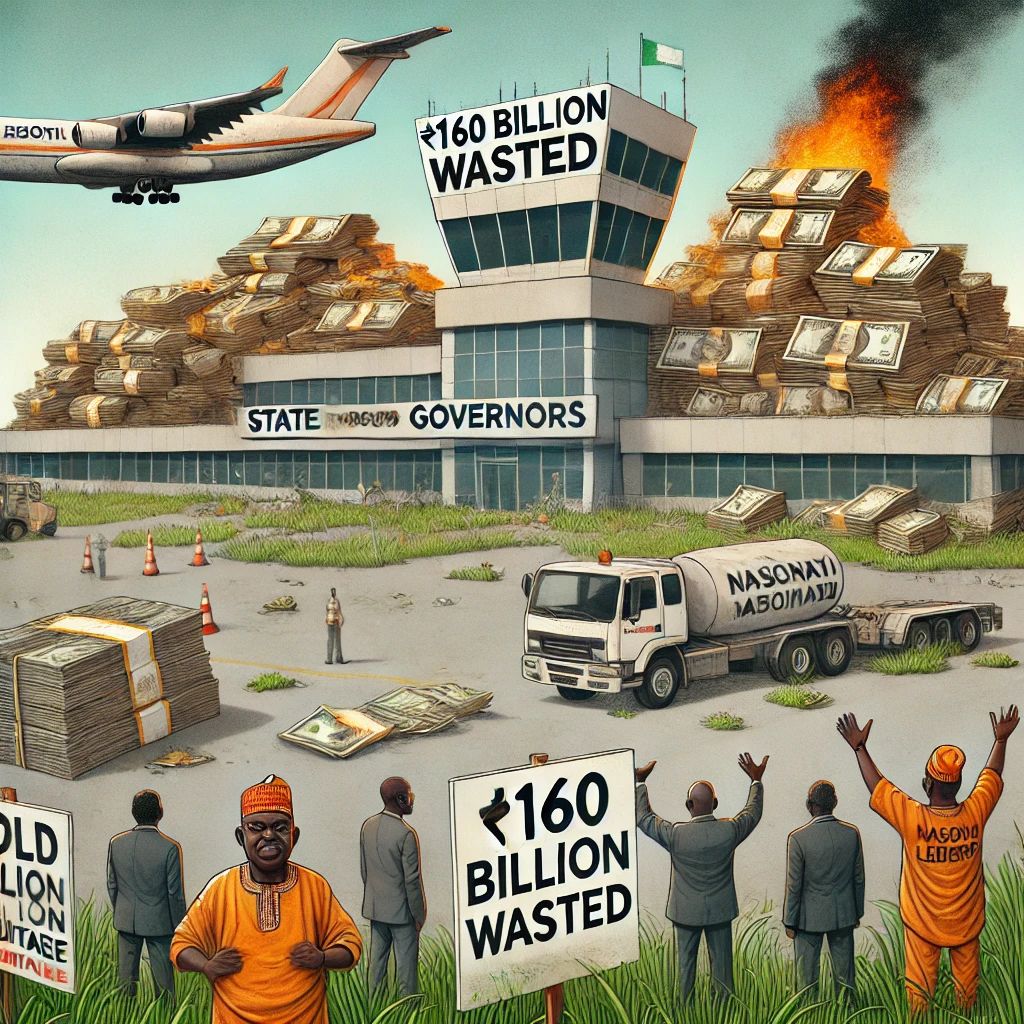
John Paul Emechebe, Head of On-Premise at Red Bull, has recently raised a critical issue regarding the allocation of resources by some Nigerian governors. In states like Ekiti, Ebonyi, and Nasarawa, billions of naira have been invested in constructing airports with minimal commercial value. These projects, costing over ₦160 billion, have become emblematic of mismanagement and waste, with commercial airlines seldom utilizing these routes due to their lack of viability.

The Issue at Hand

Emechebe describes these airports as “white elephant” projects—expensive undertakings that offer little tangible benefit to the public. The funds used for these ventures could have been more effectively invested in essential sectors such as education, healthcare, infrastructure, and poverty alleviation. The misallocation of resources highlights a profound failure in governance and raises pressing questions about accountability.

Call for Accountability

To address this issue, Emechebe advocates for a comprehensive system of accountability for governors’ spending decisions. Key measures include:

  1. Regular Audits: Implementing routine audits and making their findings public to ensure transparency in how public funds are utilized.
  2. Social Contracts: Establishing a legally binding social contract between governors and citizens. This contract would outline the governors’ plans, priorities, and expected outcomes, with legal provisions for citizens to challenge decisions that do not align with state developmental needs.
  3. Civil Society and Media Vigilance: Strengthening the role of civil society and independent media in highlighting issues of mismanagement. Encouraging citizen participation in governance by questioning the relevance and necessity of large-scale projects.
  4. Legislative Oversight: Empowering state legislatures to scrutinize and challenge executive decisions. Legislators should act as a check on the governor’s powers, ensuring that projects meet the state’s strategic needs.
  5. Judicial Proactivity: Enhancing the judiciary’s role in addressing cases of mismanagement. Strengthening legal frameworks to ensure that public officials who engage in wasteful expenditures are held accountable and face appropriate legal consequences.

Towards Effective Governance

Emechebe concludes with a call to action: “The way out of this mess lies in building a governance system that is transparent, accountable, and truly serves the people.” By holding leaders accountable and demanding more responsible management of public resources, Nigeria can move towards a more effective and equitable governance system.

It is imperative that citizens, media, and institutions work together to ensure that public funds are used efficiently and that leaders are held to the highest standards of accountability. Nigeria deserves better, and it is through collective effort and vigilance that the country can achieve meaningful progress and development.


As we step into a new week and approach the end of the month, Dr. Catherine Nwosu, Managing Director/CEO of Africa Prudential Plc, offers a profound reminder about the importance of our daily decisions and their far-reaching consequences.

In her recent reflection, Dr. Nwosu acknowledged the fatigue and overwhelm that often accompany the end of the month. “It’s the beginning of a new week and almost the end of the month, and I know you might be feeling tired, maybe even a bit overwhelmed,” she shared. This empathetic recognition sets the stage for a deeper exploration of how we navigate our challenges and decisions during these times.

Dr. Nwosu’s message centers on the idea that our choices today hold the power to shape the future, not just for ourselves but for future generations. “But before you let that fatigue take the wheel, remember this: the choices you make today can shape the future of your entire lineage,” she urged. This statement underscores the gravity of our decisions, suggesting that they are not merely transient but have the potential to affect the lives of those who come after us.

She cautions against making decisions based solely on immediate emotions or fatigue. “Don’t let your decisions be driven by emotions,” Dr. Nwosu advised. Decisions made in haste or under emotional strain can have unintended negative consequences. By pausing and reflecting on the long-term implications of our choices, we can better ensure that our actions align with our long-term goals and values.

Dr. Nwosu emphasizes the concept of the “generational impact” of our decisions. “One action, whether good or bad, has the power to impact generations. It could set the stage for success or create challenges that echo through time.” This perspective invites us to think beyond the immediate and consider how our actions can influence not only our lives but also the lives of those who follow. For example, a career move or investment decision made today could lead to opportunities or challenges that ripple through our family’s history.

Her message is not just about caution but also about proactive legacy-building. “As you start this week, push through. Think about the bigger picture, the generational impact of your actions today. What kind of legacy do you want to build?” Dr. Nwosu challenges us to envision the long-term outcomes of our decisions and to act in ways that contribute positively to our legacy.

Dr. Nwosu’s advice encourages a forward-thinking approach, where each decision is weighed not only for its immediate benefits but also for its potential to influence future generations. “Let’s make today count for you and those who will follow,” she concludes, motivating us to make thoughtful, impactful choices that will create a meaningful legacy.

In essence, Dr. Nwosu’s message is a call to mindfulness and intentionality in our daily lives. It is a reminder that our actions are part of a larger narrative that extends beyond our personal experiences and has the potential to shape the future. By embracing this perspective, we can strive to build a legacy that reflects our values and contributes positively to the world we leave behind.

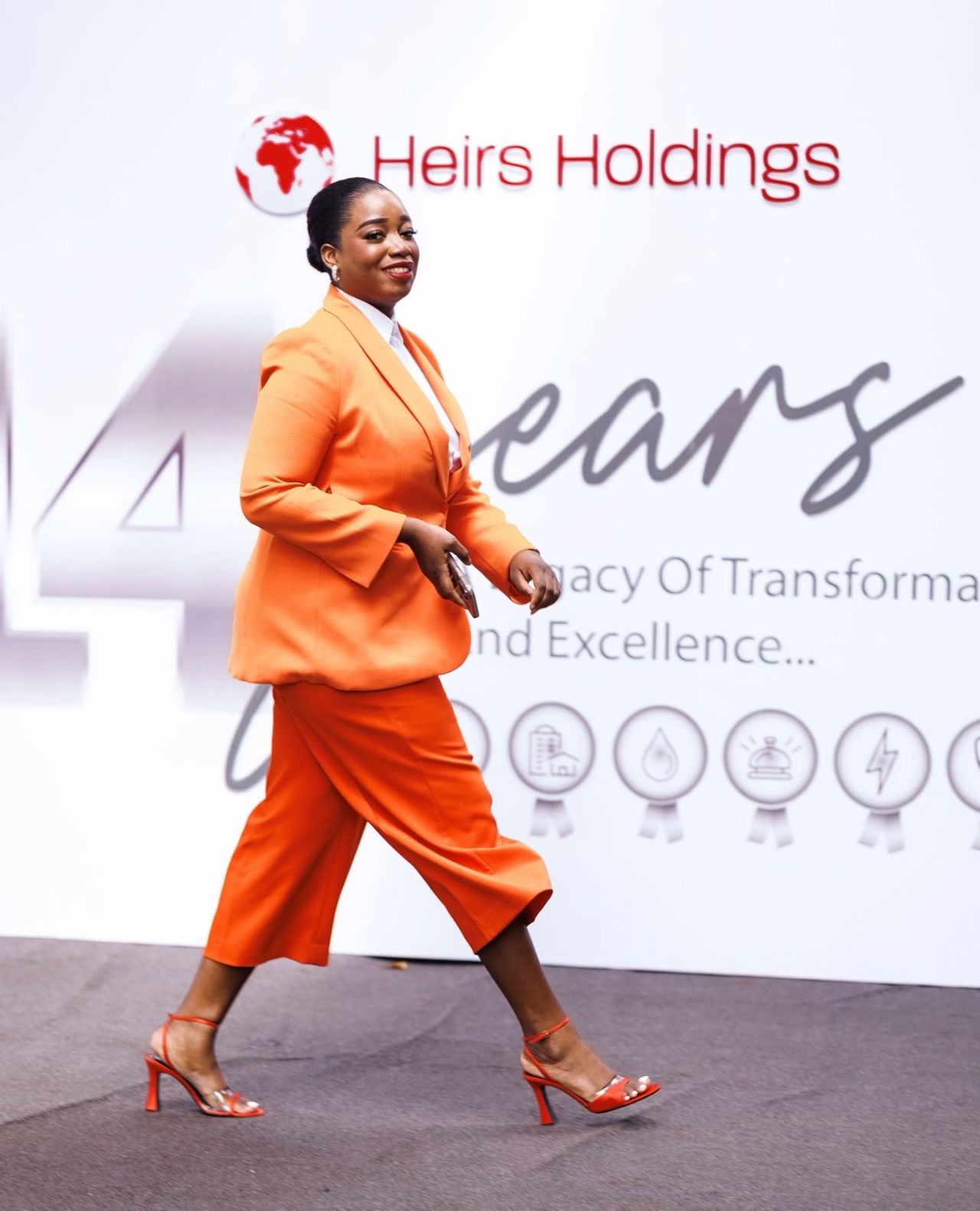
Heirs Holdings at 14: Celebrating Vision and Relentless Execution

Somachi Chris-Asoluka, the CEO of the Tony Elumelu Foundation (TEF), recently celebrated a major milestone for Heirs Holdings as the company turned 14 years old. Reflecting on this journey, she noted, “Celebrating the power of vision, and more importantly, the power of EXECUTION, as Heirs Holdings turns 14 today!”

What began in 2010 as a modest venture with just two companies has now expanded into a formidable conglomerate with over 40 companies under its belt. Heirs Holdings has grown from a small team to an organization with a workforce of over 40,000 committed team members. Together, they have closed some of the continent’s most significant transactions across key sectors such as Oil & Gas, Power, and Financial Services, with a merger and acquisition size of about USD $4 billion.No alternative text description for this image

Somachi proudly describes Heirs Holdings as “ruthless executors” driven by a mission to transform Africa across various sectors, including financial services (both banking and non-banking), energy, power, technology, healthcare, real estate, insurance, hospitality, and philanthropy. “We are audacious in our dreams, but even bolder in our doing,” she states. “We simply get things done, propelled by two key levers—our People & our Culture. We have earned our position as role models of the African private sector.”

With these achievements, Heirs Holdings remains committed to building a legacy that will endure. Somachi concludes her remarks by toasting to “14 x infinity more years of building to last,” and expressing admiration for their legendary chairman, Tony O. Elumelu, C.F.R.

Heirs Holdings’ remarkable journey underscores the impact of visionary leadership combined with relentless execution, showcasing the power of African entrepreneurship on a global stage.


Religious tourism is an often overlooked but powerful economic driver, capable of transforming local economies by attracting visitors, creating jobs, and generating revenue. The concept of a “multiplier effect” in economics refers to how an initial injection of spending, such as investment in religious tourism, can lead to a chain reaction of increased income, employment, and overall economic activity. Similarly, a “domino effect” describes how one event, like the establishment of a religious center, can trigger a sequence of other events that positively impact the entire community.

These principles are at play in Imo State, where Ebuka Obi, a religious leader, has initiated a bold move by setting up his ministry, sparking both interest and criticism. As an Igbo man, I feel compelled to shed light on how this venture could significantly boost the economy of Imo State and, by extension, the entire Southeast region.

Ebuka Obi’s decision to establish his ministry in Imo State should be viewed not just from a religious perspective but as an opportunity for economic growth. I was born in Imo and, although I hail from Anambra, I consider myself more of an Imo man. I know this state well, and it’s evident that there isn’t much happening beyond the proliferation of hotels. By introducing religious tourism, Ebuka Obi is providing a unique opportunity to change this narrative, creating a ripple effect that could enhance economic activities across the state.

When a religious center is built, the construction itself generates immediate employment opportunities for local workers—many of whom will be from the Igbo community. These construction workers earn wages, which they spend on goods and services such as school fees, rent, food, and other essentials. This spending, in turn, stimulates other sectors of the local economy, from education to real estate to retail. This is the multiplier effect in action: one initial investment leads to a cycle of economic benefits that extend far beyond the initial spending.

Beyond construction, a new religious center will require staffing and support services, creating more jobs in administration, security, hospitality, and maintenance. It will encourage real estate development, with new demand for housing to accommodate both visitors and employees. If a hospital or school is also established, it will require doctors, nurses, teachers, and other professionals, further boosting local employment and economic activity.

Additionally, the presence of a thriving religious center can stimulate growth in other sectors such as transportation and aviation. As more visitors travel to Imo State for religious purposes, local airports will see increased traffic, hotels will be filled, transport services will flourish, and even the informal sector—like food vendors and artisans—will benefit from the influx of people and money. Capital from within Nigeria and overseas will flow into the state, enriching the local economy and creating a cycle of prosperity.Evang. Ebuka Obi debunks claims of videos mocking Mountain of Fire Ministry  - DConnectNews

Yet, despite these obvious benefits, many of my fellow Igbo people have been skeptical and critical of Ebuka Obi’s initiative. This reaction is not uncommon; we often react emotionally rather than logically, making rash judgments without fully understanding the potential advantages. Why do we, as a community, struggle to support positive changes that could bring immense benefits to our region?


Additionally, the presence of a thriving religious center can stimulate growth in other sectors such as transportation and aviation. As more visitors travel to Imo State for religious purposes, local airports will see increased traffic, hotels will be filled, transport services will flourish, and even the informal sector—like food vendors and artisans—will benefit from the influx of people and money. Capital from within Nigeria and overseas will flow into the state, enriching the local economy and creating a cycle of prosperity.

Consider the example of other regions: in Ogun State, the Shiloh and Redemption Camp have created billions of Naira in revenue through religious tourism. The Catholic Church in the Vatican, Saudi Arabia with the Hajj, and Israel with pilgrimage sites have all built immense wealth and economic activity through religious tourism. These examples show that religious tourism is a powerful tool for economic development.

Unfortunately, in our community, we sometimes display a “pull him down” mentality, which holds us back from realizing our potential. Instead of criticizing Ebuka Obi’s efforts, we should see this as an opportunity to develop our region, support job creation, and circulate money within our communities.

We, the Igbo people, need to adopt a more pragmatic approach. Instead of tearing down initiatives like Ebuka Obi’s, we should recognize the broader economic benefits they bring and seize the opportunities to improve our lives. Let those called to do God’s work do it while we focus on making our community thrive.

Anthony Emeka Nwosu



The Nigerian Communications Commission (NCC) has announced September 14, 2024, as the final deadline for the mandatory linkage of Subscriber Identification Modules (SIMs) to National Identity Numbers (NINs). This announcement comes as part of the Federal Government’s ongoing efforts, initiated in 2020, to ensure all SIMs are linked to a NIN for enhanced security and trust in Nigeria’s digital economy.

According to the NCC, significant progress has been made, with over 153 million SIMs successfully linked to NINs, marking an impressive 96% compliance rate—up from 69.7% in January 2024. However, the NCC continues to seek the cooperation of all Nigerians to achieve full compliance by the deadline.

The NIN-SIM linkage policy is critical for verifying mobile users, reducing fraud and cybercrime, and promoting financial inclusion and economic growth through digital transactions. The NCC, in collaboration with the Office of the National Security Adviser (ONSA) and the National Identity Management Commission (NIMC), has identified alarming instances of individuals possessing an excessive number of SIMs—some exceeding 100,000. The Commission is also committed to cracking down on the sale of pre-registered SIMs in cooperation with security agencies.

All Mobile Network Operators (MNOs) have been directed to complete the verification and linkage process by September 14, 2024. Effective September 15, 2024, no SIM operating in Nigeria will be permitted without a valid NIN.

The NCC urges those who have not yet completed their NIN-SIM linkage, or who have faced verification issues, to promptly visit their service providers or use approved self-service portals before the deadline. The Commission also reminds the public that the sale and purchase of pre-registered SIMs are criminal offences, urging citizens to report any such activities via the toll-free line (622) or through the NCC’s social media platforms.

Further updates will be provided as the deadline approaches.


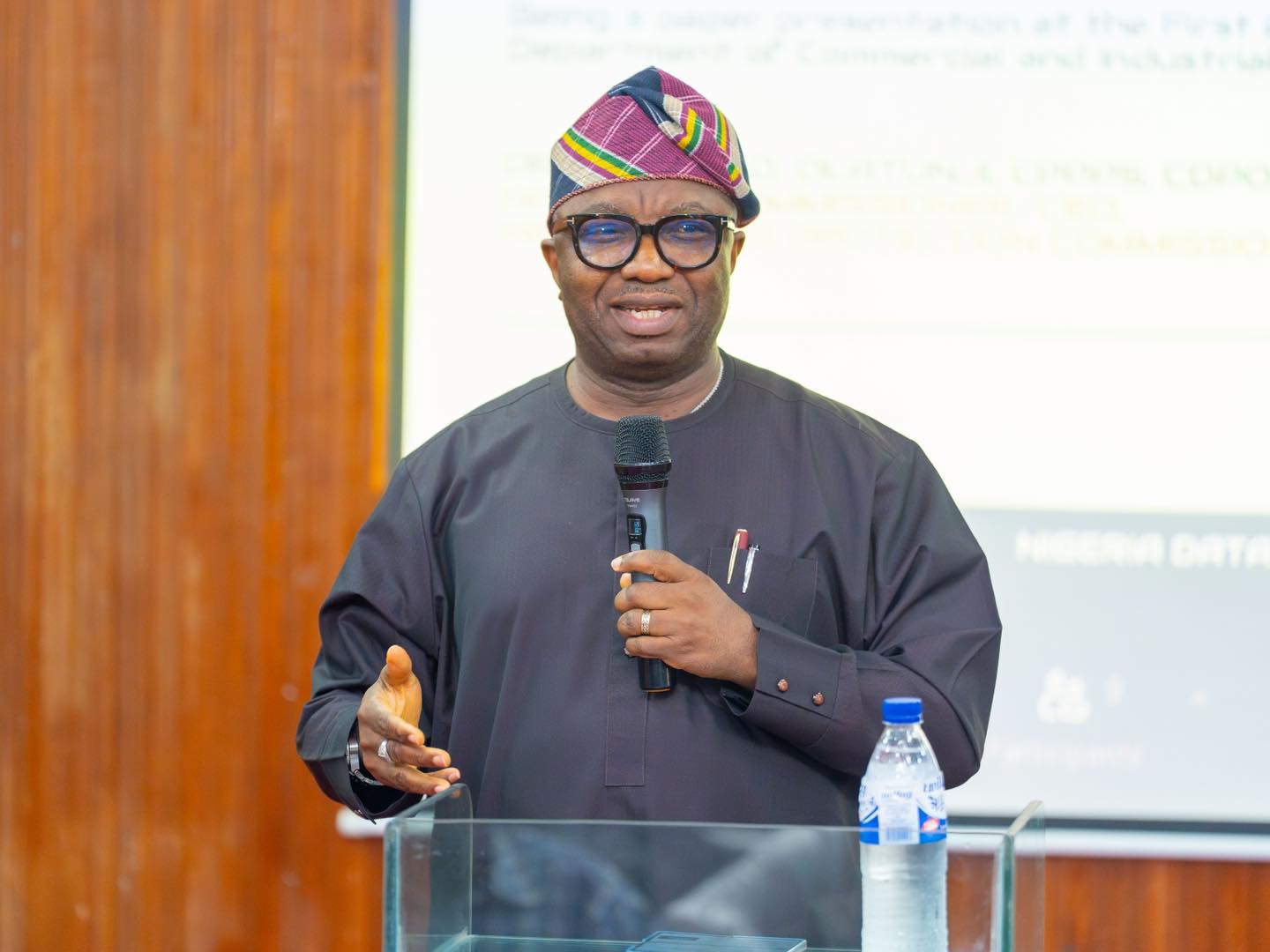
The National Commissioner and CEO of the Nigeria Data Protection Commission (NDPC), Dr Vincent Olatunji, inaugurated the Local Organising Committee (LOC) for the forthcoming Network of African Data Protection Authorities (NADPA-RADPA) Conference and Annual General Meeting scheduled to hold in May, 2025 in Abuja. The inauguration took place at the NDPC office in Abuja.

Through the NDPC, the Federal Republic of Nigeria is set to host the 10th edition of this prestigious conference and AGM. This event will gather esteemed delegates and participants from across Africa and beyond, including Heads of Data Protection Authorities, data protection experts, multinational corporations, development partners, and foreign investors. This aligns with President Bola Ahmed Tinubu’s 8th-point agenda in the area of economic growth and job creation.

In his inaugural address, Dr Olatunji expressed his appreciation to the LOC members for their enthusiasm and willingness to collaborate with the Commission to ensure the success of the event. He underscored the significance of the conference, describing it as the largest event in Africa’s data protection and privacy ecosystem. “This event is not about the Federal Ministry of Communications, Innovation and Digital Economy (FMCIDE) or the NDPC alone, but about Nigeria. That is why we have selected committee members from diverse sectors,” he said.

The LOC comprises representatives from various sectors, including FMCIDE, NCC, NIPOST, NIGCOMSAT, the Ministry of Foreign Affairs, the World Bank represented by ID4D Project office, Digital Transformation Center, European Union, Meta, Google, AWS, Microsoft, Management Edge, ISACA, MasterCard, Office of Data Protection Commissioner, Kenya, and the media amongst others.

Dr Olatunji urged the committee members to work collaboratively and exchange ideas to bring the world to Nigeria and ensure the success of the event. He emphasized that the conference will be a crucial platform to showcase Nigeria as a peaceful, safe, and attractive investment destination. “We must highlight Nigeria’s positive image and prove that Nigeria is a good and hospitable country.” he added.

He noted that Nigeria’s hosting of the NADPA-RADPA conference underscores the NDPC’s traction within a short period of establishment and the nation’s commitment to data protection and digital innovation on the global stage. He said “though we started later than some in the data protection and privacy ecosystem, we have already made significant strides, even at the global level.”

The Network of African Data Protection Authorities (NADPA-RADPA), established in Ouagadougou in September 2016, consists of 23 Data Protection Authorities and others with observer status from across Africa. Its primary objective is to provide a platform for exchanges and cooperation among its members while amplifying Africa’s voice in global partnerships.


Africa Finance Corporation (AFC) (www.AfricaFC.org), the continent’s leading infrastructure solutions provider, is arranging a project development facility to support Africa’s largest gas-to-methanol plant, with the aim of significantly reducing CO2 emissions by offsetting flaring of natural gas and turning it instead into a valuable chemical for solvents, paints, plastics and car parts.


The project in Akwa Ibom, Nigeria, targets producing an initial 1.8 million tonnes per annum (MTPA) of methanol, diversifying the local economy and generating over 18,000 jobs. AFC has committed development stage financing to de-risk the project and enable it reach financial close, along with providing financial advisory services to the sponsors to raise the required project financing and support successful delivery of this transformational project. The venture is led by Blackrose, a project development and investment firm, and co-developed with the International Finance Corporation (IFC), the private sector arm of the World Bank Group, which are co-financing alongside AFC.


Most of Nigeria’s 200 cubic feet of natural gas reserves – the largest in Africa, accounting for a third of the continent’s total – remain unexploited, presenting a substantial opportunity to bolster the country’s natural resource beneficiation and enhance climate resilience. Gas flaring has been a significant hazard for local people since the beginning of oil production, emitting chemicals linked to respiratory and other health issues.


This strategic collaboration with Blackrose and IFC underscores our dedication to supporting Africa’s pragmatic transition to net zero, emphasising rapid industrialisation

“This innovative project is transforming an immense negative for Nigerians into a very significant positive by harnessing this country’s abundant gas reserves as a unique opportunity to become a global leader in low-carbon manufacturing and energy systems,” said Samaila Zubairu, President and CEO of AFC. “This strategic collaboration with Blackrose and IFC underscores our dedication to supporting Africa’s pragmatic transition to net zero, emphasising rapid industrialisation, local job creation, and socio-economic advancement through the production of methanol, a versatile and low-carbon industrial feedstock.”


The project will be implemented in two phases, each with an installed capacity of 1.8 MTPA. Phase one will produce low-carbon methanol, an industrial chemical essential to the manufacturing of hundreds of everyday products, including solvents for the pharmaceutical industry, paints, plastics, automobile parts and construction materials. This is also a lower emissions alternative fuel used in hard-to-decarbonise sectors such as shipping and industrial boilers, with applications for cooking stoves and fuel cell solutions. Phase two of the project will expand methanol production to include ammonia, a critical feedstock for fertiliser production.


Methanol is produced using synthetic gas predominantly from coal and natural gas. By utilising best-in-class energy efficient production methods, the plant will achieve a much lower net carbon intensity compared to traditional methanol synthesis techniques, while also reducing CO2 emissions by converting gas that would otherwise have been flared. Additionally, the project incorporates plans for carbon capture and offset strategies as well as the use of external hydrogen to bring targets even closer to carbon neutrality.


Once operational, the gas-to-methanol plant is expected to generate more than 2,500 local jobs during the construction phase and a further 16,000 jobs indirectly by catalysing manufacturing activity and economic diversification.