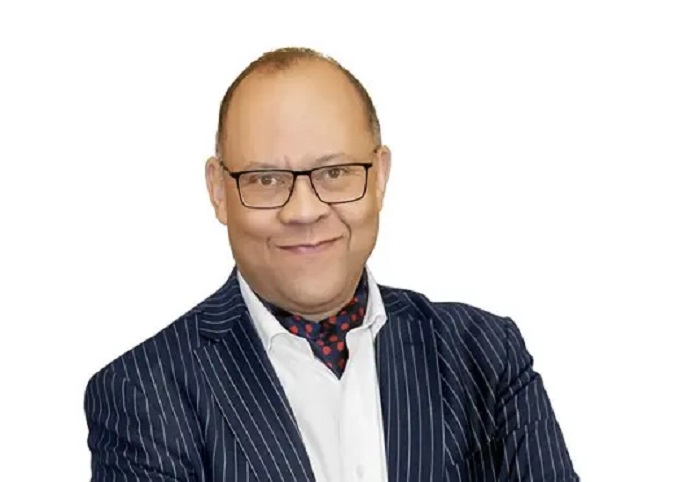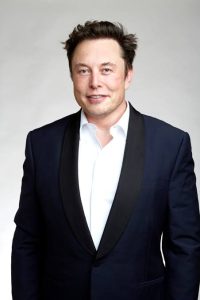
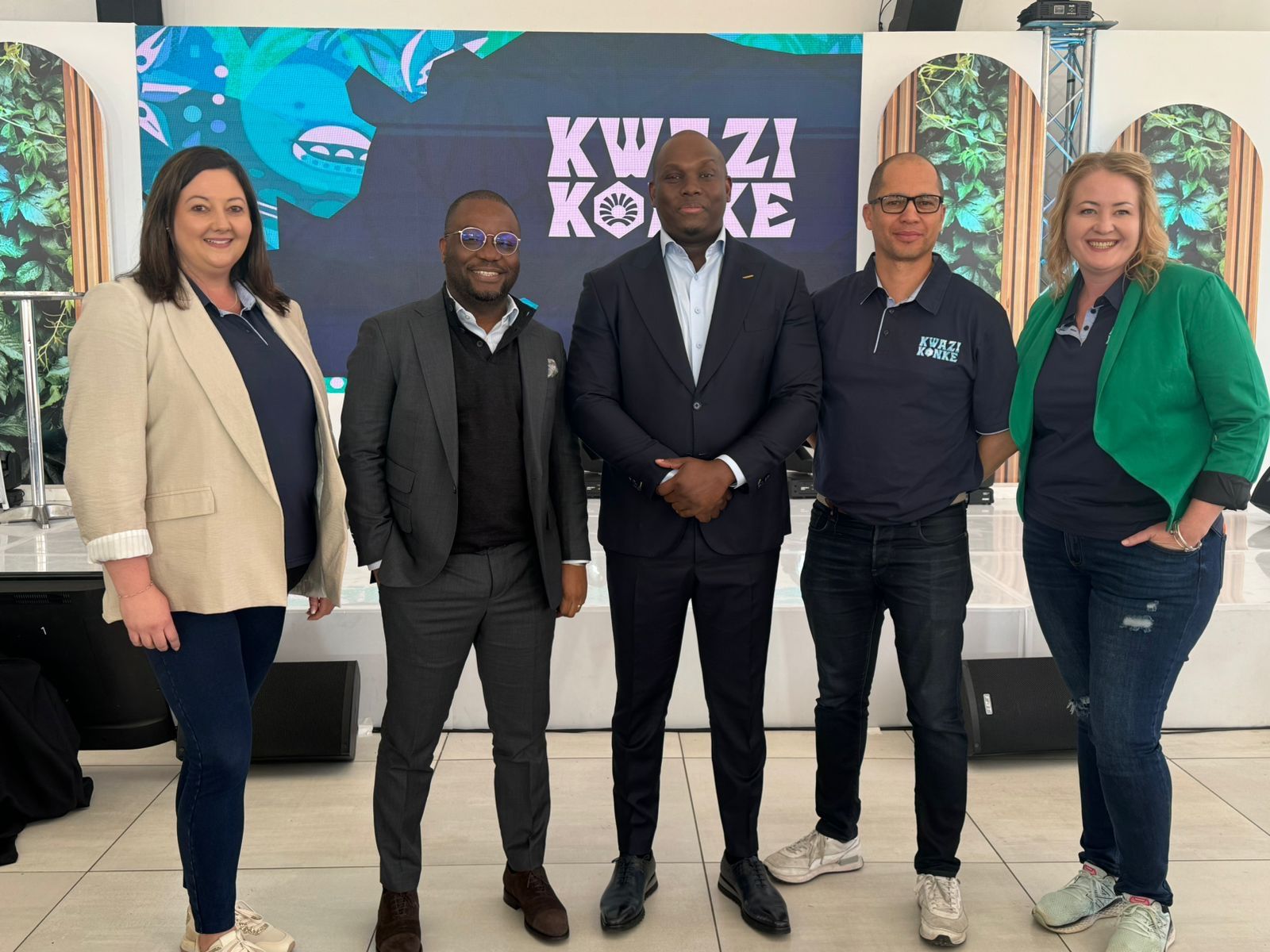
Sola Oke, Managing Director of Pernod Ricard South Africa, has announced the launch of a new upskilling initiative called “Kwazi Konke,” meaning “aspiring to know all.” This program aims to cultivate a culture of continuous learning within the organization by integrating education into everyday practices, decision-making, and the company’s overall operations.

Speaking about the launch, Oke said, “I was truly inspired by the commitment, energy, and excitement of our commercial team as we introduced Kwazi Konke. Our goal is to create a conscious culture where learning is actively and intentionally woven into the fabric of our daily work.”

Kwazi Konke is designed to motivate employees through a range of learning methods, including insights from subject matter experts, peer-to-peer knowledge sharing, immersive gamified onboarding experiences, and micro-learning content that reinforces key concepts. The program also focuses on enhancing human connections through personalized coaching and ongoing support, ensuring that learning is both engaging and effective.

“We are using this opportunity to realign with our vision, providing our teams with a clear, forward-looking perspective that excites them about future opportunities,” Oke added. “The passion and energy displayed by our team guarantee that we will continue to lead in our markets.”

The initiative has been brought to life through the efforts of Sherman Mouton and his team, with coordination by Rulene van der Westhuizen and support from a cross-functional team. Oke also extended special thanks to Vusi Thembekwayo for sharing his expertise and to K.O for engaging with the team.

The introduction of Kwazi Konke underscores Pernod Ricard South Africa’s commitment to employee development, reinforcing its position as a leader in the industry through a well-equipped and motivated workforce.
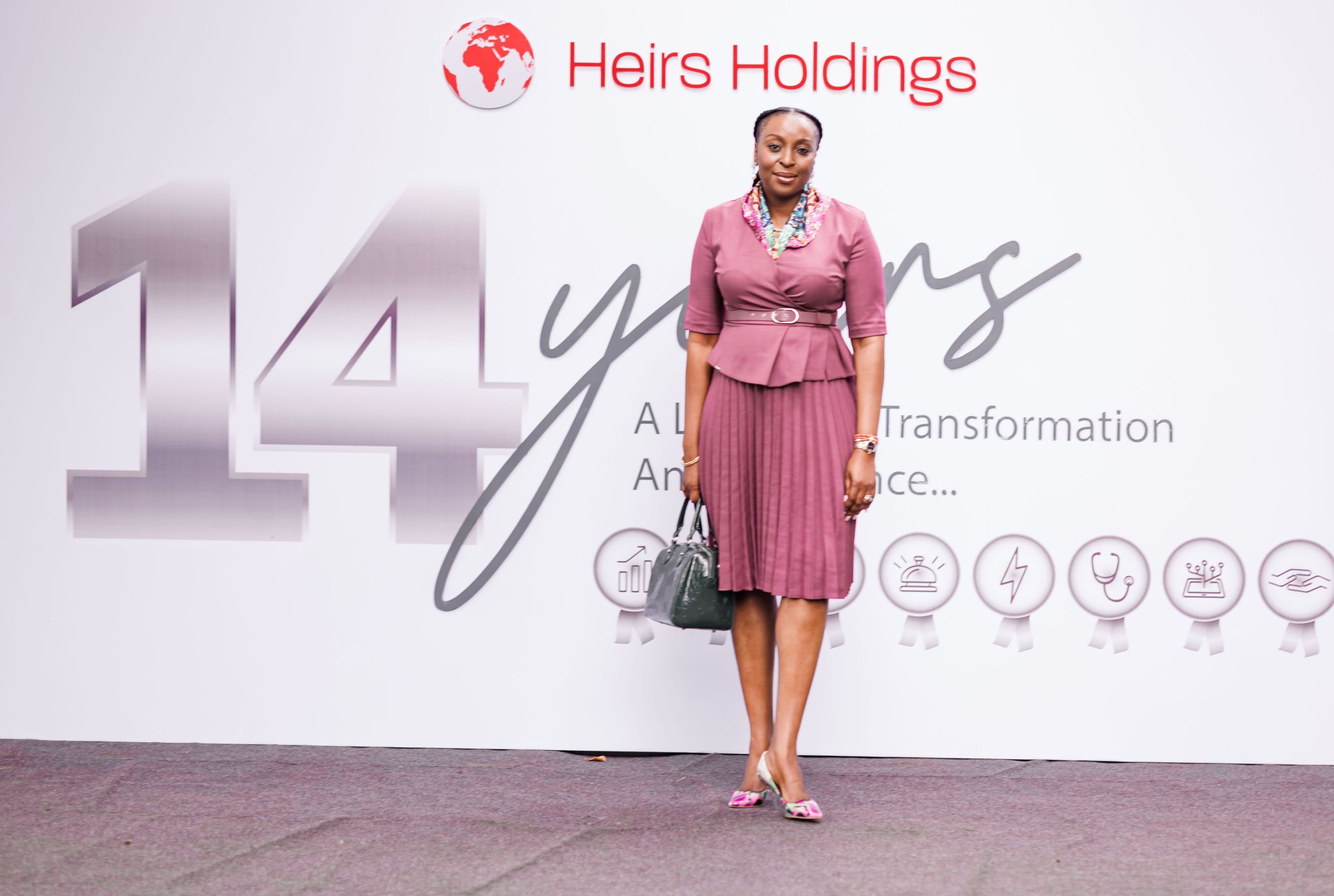
 

Lagos, Nigeria – Owen Omogiafo OON, President and Group Chief Executive Officer of Transcorp Plc, has expressed immense pride in Heirs Holdings’ remarkable evolution over the past 14 years. Reflecting on the company’s journey, Omogiafo highlighted the significant milestones and achievements that have shaped Heirs Holdings into a formidable conglomerate.

“From our modest beginnings with just two investee companies and one listed on the Nigerian Exchange Group (NGX) 14 years ago, we have transformed into a powerhouse with over 17 investee companies within the Heirs Holdings Group. Notably, seven of these are now quoted on the NGX Group. This transformation is a testament to our commitment to excellence,” Omogiafo stated.

Omogiafo emphasized the role of Transcorp Group as a prime example of Heirs Holdings’ vision in action. Through Transcorp Plc, the company’s investments in the power sector—specifically Transcorp Power Plc and Transafam Power Limited—constitute approximately 15% of Nigeria’s installed electricity generating capacity. The group’s power distribution network spans over 130,000 square kilometers, underscoring its critical role in enhancing electricity distribution across the nation.

In the hospitality sector, Transcorp Hotels Plc, renowned for its flagship Transcorp Hilton Abuja, which boasts 670 rooms and attracts over 2 million guests annually, continues to set the standard for excellence in Nigeria’s hospitality industry.

Omogiafo also highlighted the group’s forward-looking approach with Transcorp Energy, a key player in advancing energy sufficiency and spearheading efforts in the renewable energy sector.

Underlining the group’s dedication to transformation and excellence, Omogiafo’s remarks reflect Heirs Holdings’ ongoing commitment to driving significant impact across multiple sectors.


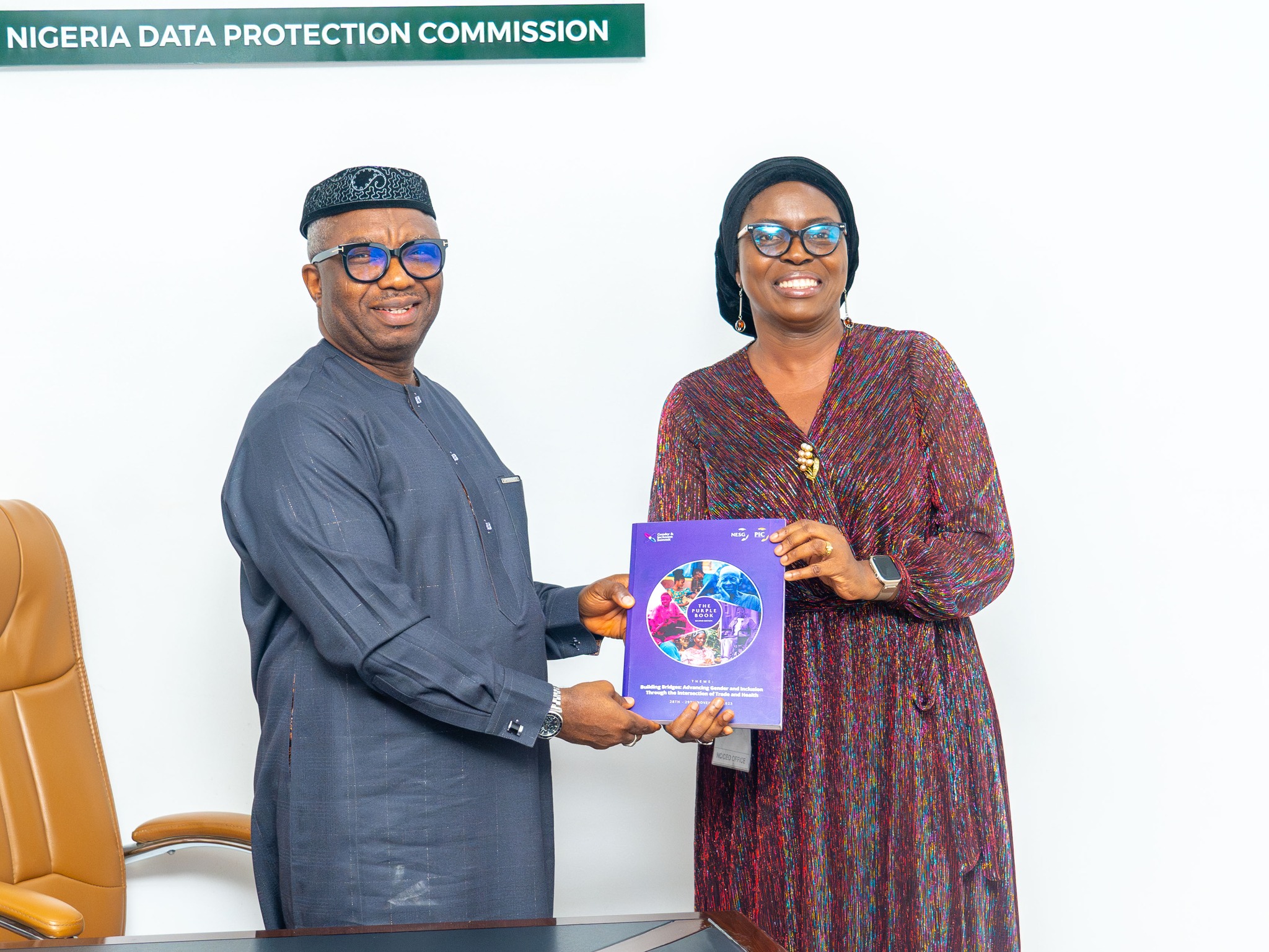
Dr. Vincent Olatunji, National Commissioner/CEO of the Nigeria Data Protection Commission (NDPC), recently hosted Dr. Osasuyi Dirisu, Executive Director of the Policy Innovation Centre (PIC), and her team for a courtesy visit. The meeting was centered on exploring potential areas for collaboration and partnership in the realm of data protection.

Dr. Olatunji provided an overview of the NDPC, emphasizing the critical role of data protection across various sectors. He outlined the Commission’s strategic roadmap and reiterated its commitment to enhancing awareness, fostering collaboration, and cooperating with both public and private sector entities. Dr. Olatunji also stressed the importance of developing a team of experts to whom stakeholders can escalate issues, ensuring that these experts provide necessary guidance and support.

In her response, Dr. Dirisu underscored the importance of integrating data protection into all areas of policy development, including health, gender equality, education, artificial intelligence, and digital privacy. She highlighted the Policy Innovation Centre’s commitment to advancing data privacy through digital research, Data Protection Impact Assessment (DPIA) workshops, and educational technology initiatives. Dr. Dirisu expressed a strong interest in forming a partnership to enhance data protection and digital identity efforts.

Both leaders emphasized their shared vision for championing privacy rights and advancing data protection initiatives, signaling a promising future for collaboration between the NDPC and the Policy Innovation Centre.


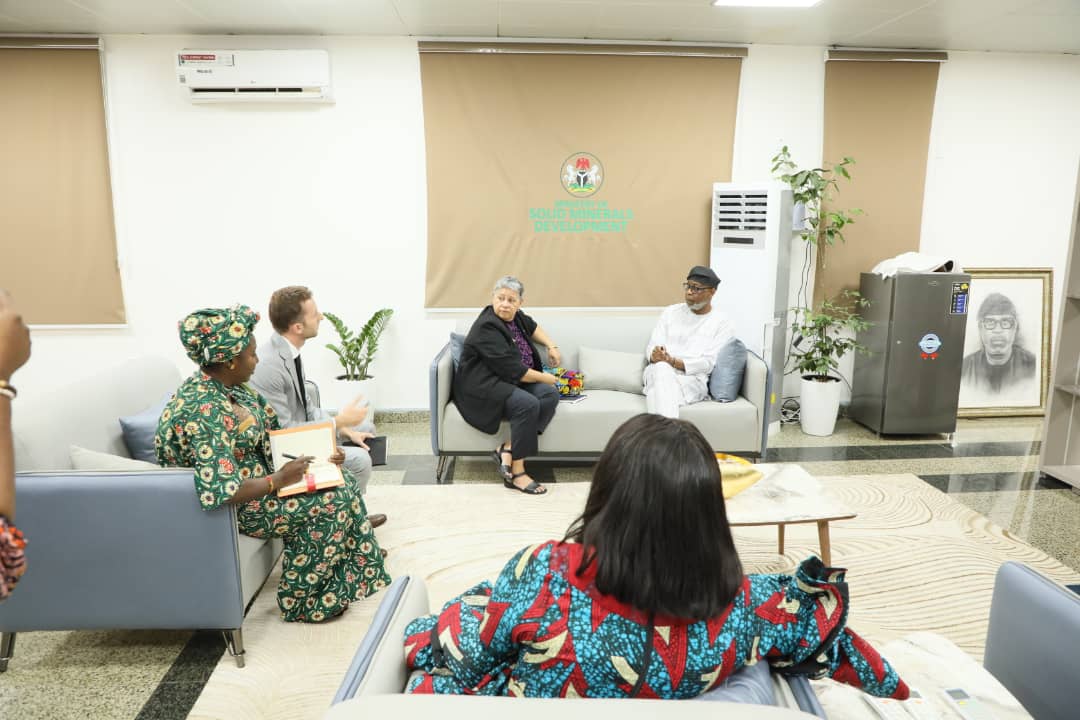
In a significant development aimed at enhancing Nigeria-Australia relations in the mining sector, the Australian High Commissioner to Nigeria, Her Excellency Leilani Bin-Juda, recently paid a courtesy visit to the Honourable Minister of Solid Minerals, Dr. Dele Alake.

During the meeting, High Commissioner Bin-Juda extended a formal invitation to Dr. Alake to attend the esteemed African Down Under (ADU) conference, which will be held in Perth, Australia, from September 4th to 6th, 2024. She highlighted the immense opportunities the bilateral meetings at the event could bring to Nigeria, noting Australia’s prominent role in the global mining industry. Known for its abundant mineral resources and advanced mining technologies, Australia ranks among the world’s top producers of iron ore, coal, gold, and bauxite.

The discussions between Dr. Alake and High Commissioner Bin-Juda also focused on potential opportunities for Nigerian professionals to participate in short courses in mining, hosted by Australian institutions. These educational initiatives aim to enhance the skills and expertise of Nigerian experts, contributing to the further development of Nigeria’s solid minerals sector.

A key point of their discussion was the introduction of a new, free platform developed by Geoscience Australia specifically for Africa. This innovative platform utilizes satellite data to monitor and track mining activities across the continent, providing free, high-quality training and real-time data access. High Commissioner Bin-Juda emphasized the potential of this platform to transform how Nigeria manages and oversees its mining operations.

Accompanied by the Second Secretary of the Australian High Commission, His Excellency Anto Bouckley, the High Commissioner reaffirmed her commitment to fostering stronger ties between the two nations. She also expressed her intention to visit the Minister again following the ADU conference, signaling ongoing collaboration and partnership.

Dr. Alake expressed his gratitude for the invitation and reaffirmed Nigeria’s readiness to deepen its relationship with Australia, particularly in the solid minerals sector. He welcomed the potential for increased cooperation and exchange of expertise, underscoring Nigeria’s commitment to strengthening bilateral relations with Australia in the mining industry.

The upcoming ADU conference is expected to provide a strategic platform for both nations to explore further avenues of collaboration, thereby advancing the growth and development of their mining sectors.

Dr. Victor Oladokun, a Strategic Communication Consultant, recently shared his reflections on Rwanda’s remarkable progress following his first visit to Kigali in six years. Upon returning, he was struck by the city’s developments and highlighted seven key observations that illustrate the nation’s growth and ambition.

1. Kigali International Airport: A Reflection of National Values
Dr. Oladokun emphasized the significance of an airport as a nation’s gateway, reflecting its values, culture, and ambitions. He noted that Kigali International Airport offers a promising first impression, setting the tone for what visitors can expect from the city.

2. Rwanda Air’s Expansion
On the airport tarmac, Dr. Oladokun observed several new Rwanda Air Boeing 737 aircraft, signaling the country’s determination to establish itself as a leading aviation hub in Africa. This strategic expansion aligns with Rwanda’s broader goals of regional prominence.

3. Enhanced Airport Experience
The airport has undergone significant upgrades, particularly in the arrival, immigration, and baggage areas. Dr. Oladokun praised the professionalism of the airport staff, highlighting the absence of the informal solicitations common in other regions. The officers’ smart uniforms and efficient service stood out as exemplary.

4. Unmatched Safety in Kigali
During his stay, Dr. Oladokun noticed the sense of security that permeates Kigali, with people walking leisurely late at night. The city’s reputation for safety was evident and reaffirmed by his driver, underscoring Kigali’s commitment to maintaining a secure environment for residents and visitors alike.

5. World-Class Hospitality and Conference Facilities
Kigali’s hospitality landscape has transformed significantly, with numerous hotels catering to various budgets and preferences. Dr. Oladokun pointed out that Rwanda has become a premier conference destination in Africa, with the Kigali Convention Center serving as a state-of-the-art facility that embodies the country’s ambitious goals.

6. Rwanda’s Commitment to Cleanliness
Rwanda’s dedication to cleanliness is evident throughout the country, thanks to the monthly nationwide clean-up initiative known as “Umuganda,” which translates to “Coming together with a common purpose.” Dr. Oladokun praised the visible results of this cultural commitment, noting that cleanliness is deeply embedded in Rwanda’s national identity.

7. Strategic Investment in Youth
Recognizing that over 60% of Africa’s population is under 25, Rwanda has made strategic investments in its youth. Dr. Oladokun highlighted the BK Arena, formerly known as Kigali Arena, as a key part of these efforts. The 10,000-seat facility hosts concerts, sports tournaments, and provides training opportunities for young athletes, reflecting Rwanda’s focus on youth development.

Reflecting on his visit, Dr. Oladokun expressed admiration for Rwanda’s progress and the leadership of President Paul Kagame. He noted that Rwanda’s achievements are not by chance but the result of deliberate choices and strategies aimed at building a prosperous future.

“Hope is not a strategy,” Dr. Oladokun concluded, emphasizing that the future is shaped by the decisions made today. Rwanda’s ongoing transformation serves as a testament to the power of visionary leadership and strategic planning.


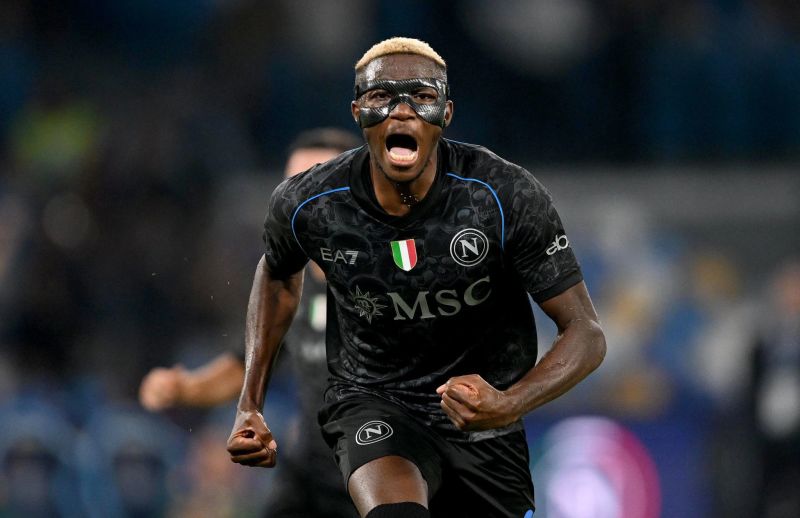
Napoli’s star striker and African Footballer of the Year, Victor Osimhen, finds himself in a turbulent situation following a failed transfer on deadline day. The Nigerian forward, who was heavily linked with moves to Chelsea and Saudi club Al-Ahli, saw both potential deals collapse at the eleventh hour on Friday, resulting in significant repercussions from his current club.

In a surprising turn of events, Napoli has decided to exclude Osimhen from their squad, not only for their upcoming fixture against Parma but for the entire 2024/25 season. Sources close to the club suggest that the relationship between Osimhen and Napoli has reached a breaking point, with no possibility of reconciliation after the failed transfer.

To compound matters, Napoli has reallocated Osimhen’s number 9 jersey to Romelu Lukaku, a move that signifies the club’s intent to move forward without their top scorer from the previous season.

Osimhen’s exclusion marks a dramatic shift in fortunes for the player who played a crucial role in securing Napoli’s Serie A title last season. As the dust settles, the coming weeks will reveal whether the situation can be salvaged or if it marks the end of Osimhen’s chapter with Napoli.


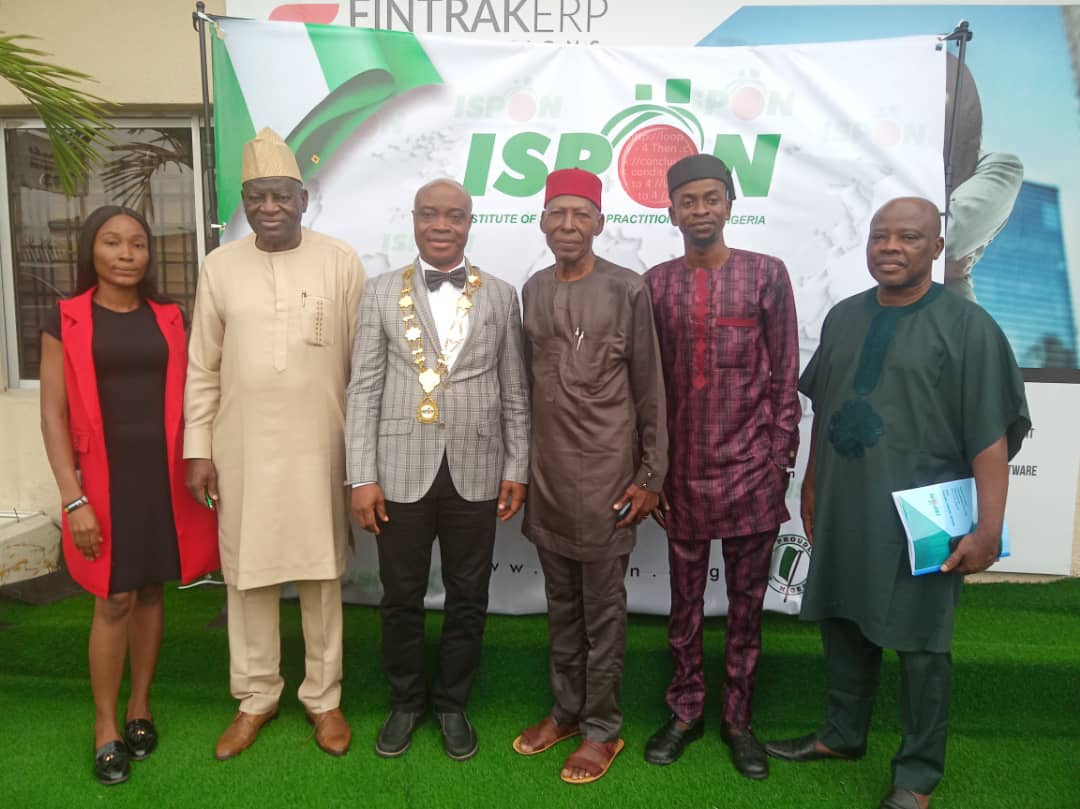
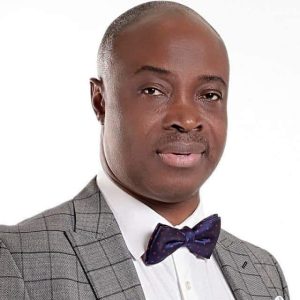
Bimbo Abioye, President of the Institute of Software Practitioners of Nigeria (ISPON), recently hosted the organisation’s Annual General Meeting (AGM), bringing together key stakeholders and practitioners from the software industry to discuss ways to strengthen the association, protect local software development firms, and promote them within the broader IT sector.

Under Abioye’s leadership, ISPON has made significant strides in the Nigerian software space, developing internationally acclaimed software solutions and fostering collaboration between local developers and global partners. The AGM served as a platform for industry leaders to brainstorm and strategise on positioning indigenous IT firms for growth and success.

Recognising the tech industry’s vital contribution to Nigeria’s Gross Domestic Product (GDP), ISPON has spent the past year working closely with regulatory bodies, such as the National Information Technology Development Agency (NITDA) and the National Data Protection Commission (NDPC), to elevate the profile of local IT firms and ensure their continued development.

At the AGM, members reflected on achievements over the past year, discussed ongoing challenges in Nigeria’s information technology sector, and set out plans for the coming year. “After one year in office, the 2023/2025 ISPON NEC, led by Mr. Bimbo Abioye, is excited to engage with members in a bid to seek collaboration towards the growth and advancement of the Institute,” read a statement from the organisation.

Founded in 1999, ISPON remains committed to providing an enabling environment for local software developers, promoting Nigerian-developed solutions, and contributing to diversifying the economy beyond oil.

Anthony Emeka Nwosu


Under Abioye’s leadership, ISPON has made significant strides in the Nigerian software space, developing internationally acclaimed software solutions and fostering collaboration between local developers and global partners. The AGM served as a platform for industry leaders to brainstorm and strategise on positioning indigenous IT firms for growth and success.


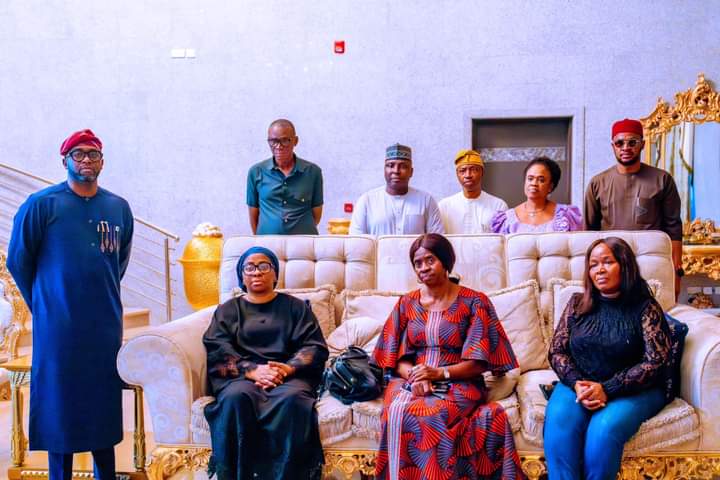
A delegation from the Nigerian National Petroleum Corporation (NNPC) Ltd., led by its Chief Corporate Communications Officer, paid a condolence visit to the family of the late Senator Ifeanyi Ubah, Chairman of the Senate Committee on Downstream, in Abuja.

The delegation was received by Dr. Mrs. Uchenna Ubah, the widow of the distinguished senator from Anambra State. Senator Ifeanyi Ubah, who passed away on July 27, 2024, in London, United Kingdom, at the age of 52, was a prominent Nigerian politician and businessman. He was the CEO of Capital Oil and Gas Industries Limited, a leading oil and gas company in Nigeria.

Representing Anambra South Senatorial District, Senator Ubah was known for his impactful contributions to Nigeria’s oil and gas sector. As the Chairman of the Senate Committee on Downstream, he was instrumental in shaping key policies and regulations aimed at enhancing transparency, efficiency, and growth in the downstream sector. He championed the deregulation of the downstream petroleum sector, advocating for a competitive market that would benefit both consumers and the national economy.

Beyond his role in the Senate, Ubah was a major player in the oil and gas industry through his company, Capital Oil and Gas. Headquartered in Nnewi, Anambra State, the company emerged as a critical player in Nigeria’s petroleum distribution network, significantly influencing market dynamics and contributing to energy security. His entrepreneurial spirit and innovative strategies in fuel distribution and logistics brought about greater efficiency and accessibility within the sector, earning him a reputation as a transformative figure in the industry.

Senator Ifeanyi Ubah’s legacy extends beyond his business achievements and political service; he was also a philanthropist dedicated to improving the lives of his constituents and Nigerians at large. His passing is a significant loss to the nation, especially in the context of ongoing reforms within the petroleum sector.


Anthony Emeka Nwosu


The Nigerian National Petroleum Company Limited (NNPC Ltd.) has acknowledged recent media reports highlighting the company’s significant outstanding debts to petrol suppliers. This situation has intensified the financial strain on NNPC Ltd., raising concerns about the long-term sustainability of fuel supply in Nigeria.

In response to these challenges, NNPC Ltd. reiterated its unwavering commitment to its statutory role as the “supplier of last resort” under the Petroleum Industry Act (PIA). The company remains focused on safeguarding the nation’s energy security amidst the mounting financial pressures caused by escalating Premium Motor Spirit (PMS) supply costs.

NNPC Ltd. is proactively engaging with relevant government agencies and key stakeholders to navigate these financial challenges and maintain a steady and consistent supply of petroleum products across the country. This collaborative approach aims to mitigate potential disruptions and uphold the company’s dedication to ensuring national energy security, even in the face of daunting economic realities.

NNPC Ltd. reassures the public of its commitment to transparency and responsible management, pledging to keep Nigerians informed about ongoing developments and efforts to stabilize the fuel supply chain. As the nation’s leading energy provider, NNPC Ltd. will continue to take all necessary steps to address the current situation and sustain its mission of ensuring reliable fuel availability nationwide.


Elon Musk, the owner of X, formerly known as Twitter, recently took to his handle to provide insights into how the platform’s algorithm operates and why it’s important for users to understand and appreciate its mechanisms. In his post, Musk explained that “The 𝕏 algorithm assumes that if you interact with content, you want to see more of that content.”

He elaborated that one of the strongest signals the algorithm uses is when users forward posts to their friends, assuming that “you like that content a lot, because it takes effort to forward.” However, Musk acknowledged a flaw in the system, stating, “Unfortunately, if the actual reason you forwarded the content to friends was because you were outraged by it, we are currently not smart enough to realize that.”

The discussion quickly drew responses from several users, including Anthony J. Franco, who proposed the introduction of a dislike button to help the algorithm better gauge user preferences. “Can we all agree that THIS is the exact reason that we need a dislike button?” Franco questioned. He suggested that if likes are hidden, dislikes could also be hidden but still serve a purpose in indicating when a user does not want to see more of a certain type of content.

Franco added, “If we’re hiding who likes a post, then we can hide who dislikes a post. So you can share a post you dislike, but as long as you physically dislike it, then the algorithm won’t show you more of that content. There is no reason to not have dislikes on 𝕏 at this point.”

He further argued that sharing content does not necessarily equate to liking it: “I can hate a piece of content but want to share it with a friend. That doesn’t mean I want to see more of it. I’m not going to text them and tell them to look it up just to avoid the algorithm.”

Other users shared varied perspectives on the topic. Ryan Dion offered a nuanced take, questioning whether the dissemination of controversial information is always negative. “Things that anger us generally are things that we fear will come true. If all we do is get angry and do nothing, then it’s bad. If we get angry, then do something collective, organized, and nonviolent, then it’s good,” Dion stated. He added a note of encouragement to Musk, saying, “You’re doing good things, it’s always darkest before the dawn.”

Meanwhile, another user, Mikoy, raised a technical concern about how forwarding content might be perceived by the algorithm. “What if ‘Forward to a Friend’ is actually scraping content to populate another social media outlet, complete with the link back to X?” Mikoy questioned, adding that he has been using X to share cannabis legalization content with a community in North Texas for nearly four years.

Sheraz Ali, another participant in the discussion, emphasized the need for the platform to differentiate between different types of engagement. “It’s important to recognize that forwarding content doesn’t always indicate positive engagement. I hope improvements can be made to better differentiate between approval and outrage,” Ali noted.

Contributing to the debate, Nate Esparza highlighted the value of diverse viewpoints on the platform, stating, “I think seeing posts from multiple perspectives and viewpoints is what makes this platform great.”

The conversation sparked by Musk’s post underscores the complexities involved in designing algorithms that truly reflect user intentions, a challenge that continues to evolve in the ever-changing landscape of social media.

Written by
Anthony Emeka Nwosu