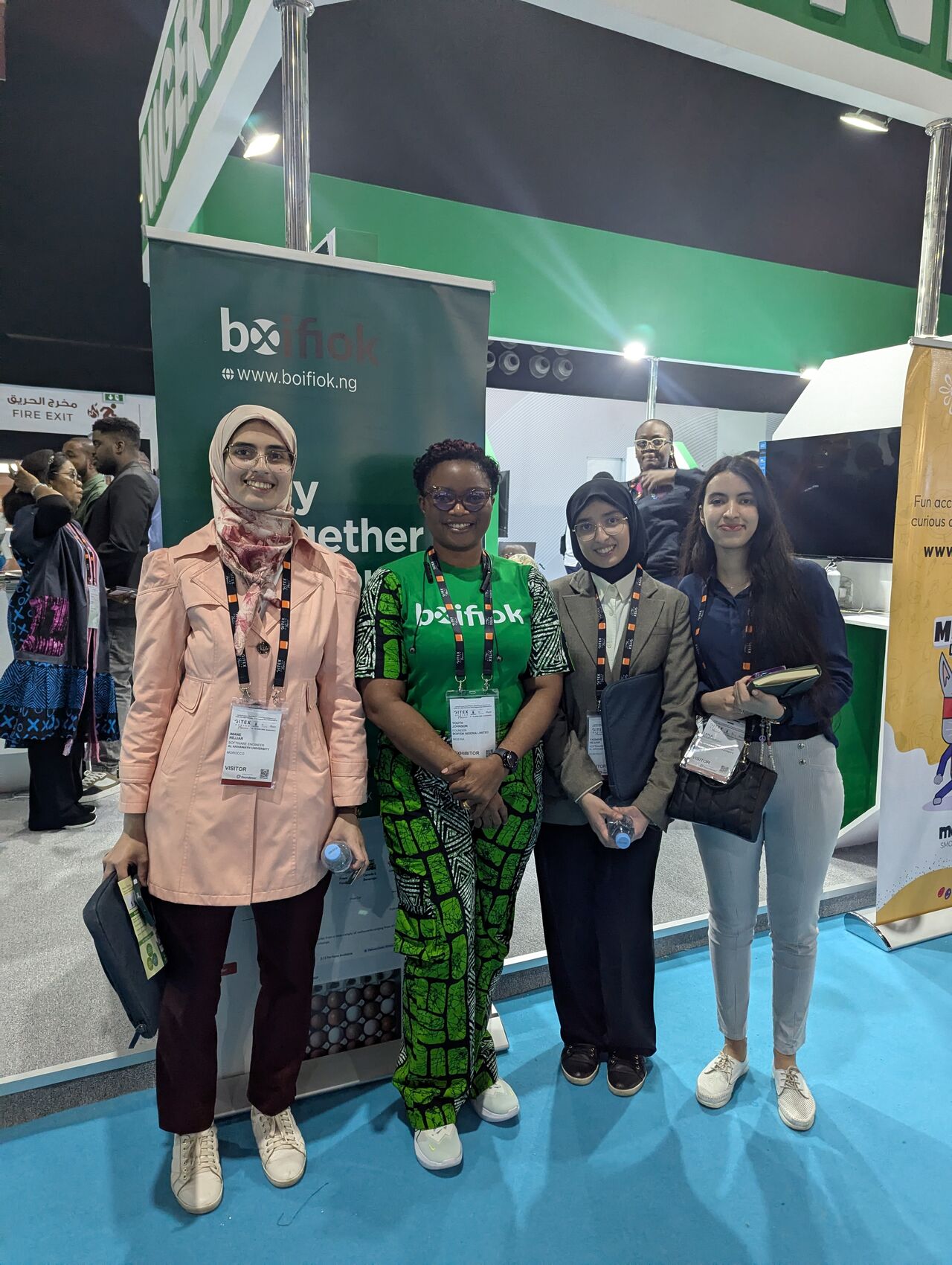
Boifiok, a fast-rising player in Africa’s agri-tech and e-commerce space, has announced bold plans to revolutionize the continent’s food supply chain by leveraging digital group buying solutions. The company aims to make food more affordable for millions of urban households while accelerating growth for local vendors.

Speaking at a recent industry event, a spokesperson for Boifiok emphasized the urgent need to address food affordability across sub-Saharan Africa, where rapid urbanization has intensified economic pressure on households.

“We are improving food affordability through group buying,” the spokesperson stated. “In sub-Saharan Africa alone, rapid urbanization has presented both opportunities and challenges. Macroeconomic instability and the absence of a digital group-buying platform have led to inconsistent food prices, straining family budgets.”

Boifiok’s digital model aims to connect urban households directly with affordable groceries while empowering vendors through streamlined access to buyers and markets. By digitalizing the food supply chain, the company is positioning itself to become a key player in the future of commerce on the continent.

The company projects that by 2029, it will hold a $14 billion share of the African market. Highlighting Africa’s growing appeal to global investors, Boifiok’s spokesperson declared: “Africa is now the final bus stop for global investors to make successful investments. The timing is perfect for us to disrupt this industry.”

As Boifiok opens its doors to partners and stakeholders, the company is calling on investors and innovators to join in unlocking what it describes as “limitless growth possibilities” for more than 90 million urban households and vendors across Africa.

With its ambitious roadmap and tech-driven model, Boifiok is poised to transform the way Africans buy and sell food—making essential goods more accessible, and commerce more inclusive.

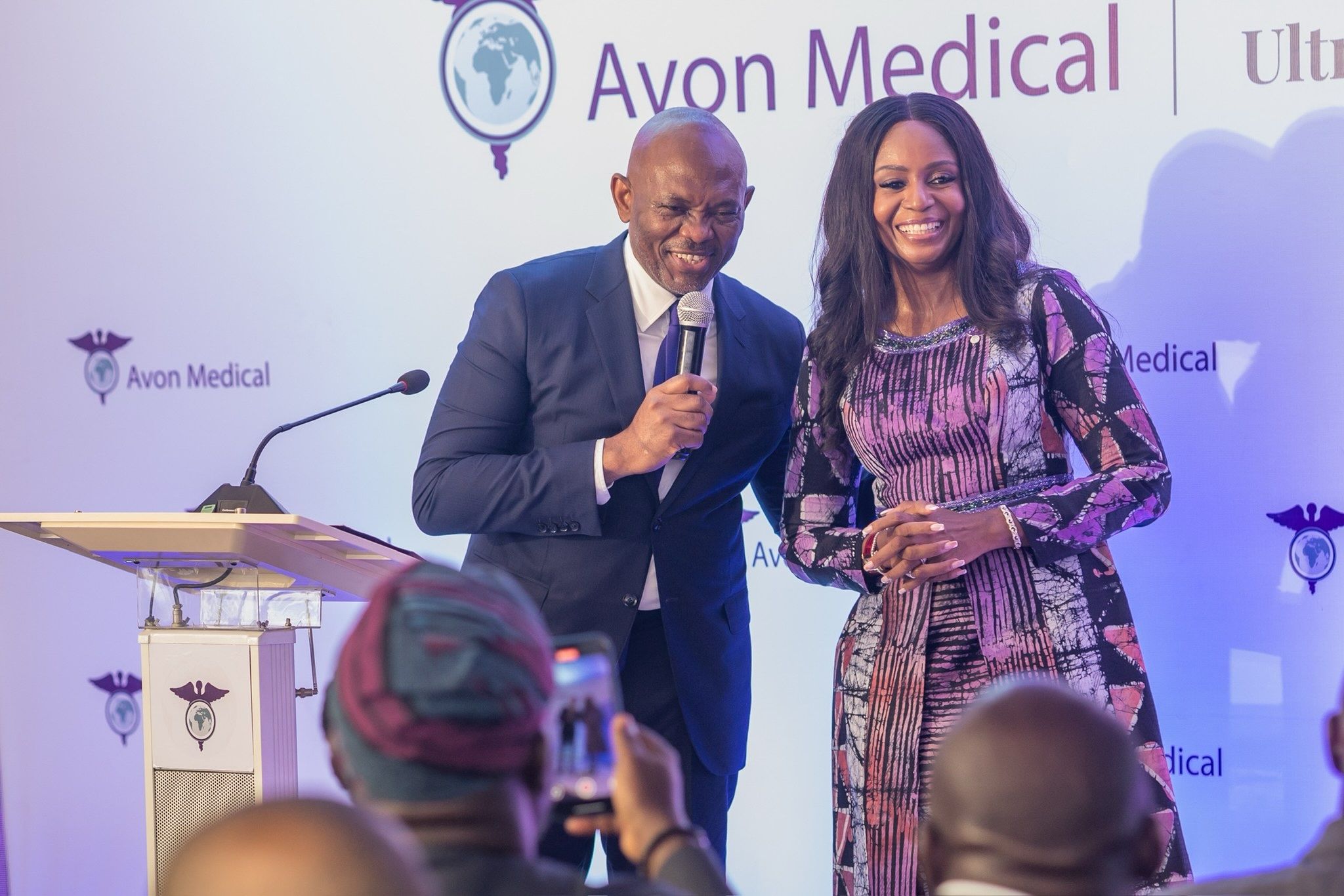
In a bold demonstration of commitment to improving healthcare access across the continent, Heirs Holdings Chairman, Tony O. Elumelu, C.F.R., has announced the launch of Avon Medical Practice’s newest 25-bed state-of-the-art medical facility. The unveiling, which took place alongside his wife, Dr. Awele Elumelu, O.F.R., Chairperson of Avon Medical, marks a major milestone in the group’s mission to drive private-sector-led transformation in Africa’s healthcare sector.

The new facility represents the latest addition to Avon Medical’s growing network, which began as a modest work-site clinic and has now evolved into a 50-bed hospital network complete with a Dialysis Centre. This growth, Elumelu emphasized, reflects the group’s broader Africapitalism philosophy—an ideology that places the private sector at the heart of sustainable social and economic development.

“This unveiling is not just a facility opening; it is a statement,” Elumelu said. “It is our response to the glaring realities: 48% of Africans still lack access to quality healthcare. Africa accounts for over 20% of the global disease burden but has access to just 1% of the world’s healthcare resources. Too many mothers still die in childbirth. Too many children never make it to their fifth birthday—not due to lack of love, but due to lack of care.”

Quoting from Dr. Awele Elumelu’s remarks at the event, he reinforced the urgency of tackling these issues head-on through sustainable investments and inclusive health solutions. “This facility is a response to that. This is what Africapitalism looks like in action. We believe Africans hold the key to solving Africa’s problems.”

Tony Elumelu also praised his wife’s visionary leadership of Avon Medical, noting her compassion, resilience, and relentless pursuit of healthcare equity. “Women are not just participants in Africa’s development,” he said, “they are the leaders.”

Special recognition was also given to the Avon Medical team led by CEO Dr. Gabriel Akinbiyi Oke, as well as to the frontline doctors, nurses, and administrative staff whose dedication helped make the project a reality.

With this new milestone, Heirs Holdings and Avon Medical reaffirm their long-term commitment to delivering quality healthcare services across Nigeria and beyond, as part of a broader vision for a transformed, self-reliant Africa.

#TOEWay #Africapitalism #TransformingHealthcare #AvonMedical #HeirsHoldings #PrivateSectorForDevelopment

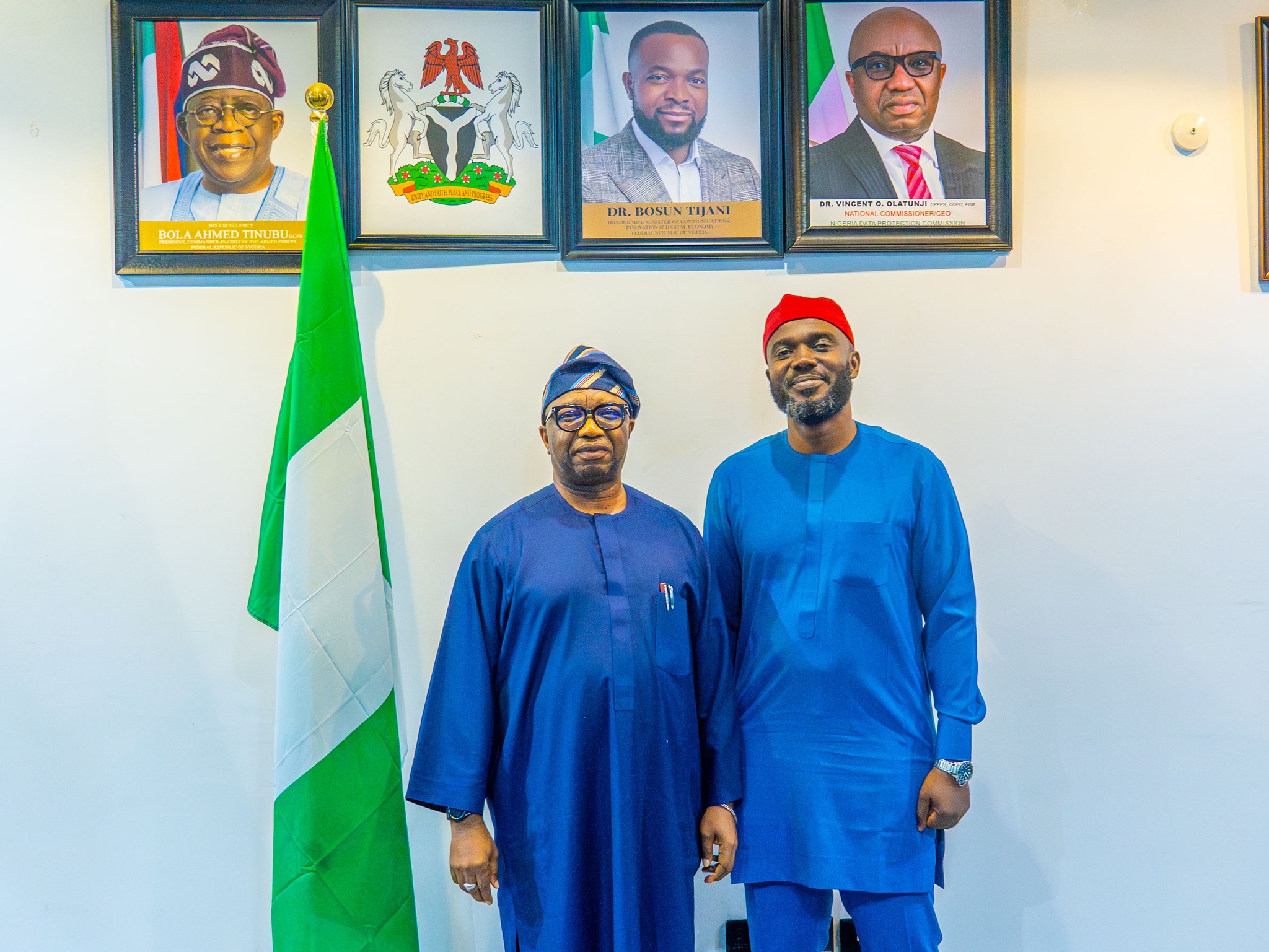
In a move set to further Nigeria’s digital innovation and data protection efforts, the Nigeria Data Protection Commission (NDPC) has signed a Memorandum of Understanding (MoU) with the Abuja chapter of the Information Systems Audit and Control Association (ISACA) for the successful hosting of the 2025 National Code4Privacy Hackathon 2.0.

The formal agreement was sealed during a strategic engagement that reaffirmed both organisations’ shared commitment to enhancing privacy rights and building capacity within Nigeria’s tech ecosystem.

Speaking at the event, the National Commissioner and CEO of the NDPC, Dr. Vincent Olatunji, expressed his satisfaction with the collaboration and lauded ISACA as a consistent strategic partner since the Commission’s inception. He specifically acknowledged ISACA’s efforts in mentoring winners of the inaugural edition of the Code4Privacy Hackathon, describing such initiatives as vital to advancing the priority areas of President Bola Ahmed Tinubu, GCFR.

Dr. Olatunji emphasized Nigeria’s rich pool of young tech talent, stating, “This Hackathon offers an international stage for our youth to display innovative solutions that can address global digital challenges. The MoU not only deepens our collaboration with ISACA but also contributes to strengthening the digital ecosystem for the benefit of all Nigerians.”

Representing ISACA Abuja, President Emmanuel Omoke praised the NDPC under Dr. Olatunji’s leadership for its consistent support and proactive advocacy for data privacy awareness across sectors. He noted that the Hackathon would spotlight Nigeria’s tech brilliance, adding, “Nigerians have never lacked talent. What we need are platforms like this to showcase our digital capabilities to the world. ISACA remains fully committed to making the Hackathon a resounding success.”

The 2025 edition of the National Code4Privacy Hackathon is expected to build on the momentum of its maiden edition, encouraging innovation while promoting best practices in data privacy and protection.

#ChampioningPrivacyRights #NADPA20


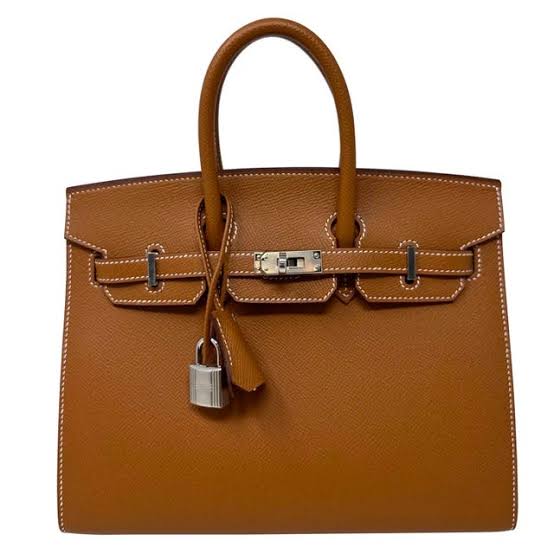
A wave of TikTok videos in China is pulling back the curtain on Europe’s most prestigious luxury brands, revealing a truth many consumers may find unsettling: the vast majority of high-end handbags, clothing, and accessories sold under iconic European labels are actually manufactured in China—before being shipped to Europe for final packaging and branding.

The viral trend, driven by Chinese influencers and factory insiders, showcases how products from brands like Louis Vuitton, Gucci, and Prada are often produced in Chinese factories, only to be given a “European-made” aura through assembly or finishing touches abroad. According to these exposés, over 80% of luxury goods sold at exorbitant prices share this supply chain reality.

The Illusion of European Craftsmanship

For decades, luxury brands have marketed themselves on the promise of unparalleled European craftsmanship, heritage, and exclusivity. Yet, as these TikTok videos demonstrate, much of the actual production happens in China’s highly specialized manufacturing hubs, where skilled labor costs a fraction of what it does in Italy or France.

One viral clip shows a factory worker stitching a near-identical version of a €2,000 designer handbag, with the only difference being the final label and packaging. Another reveals how luxury brands outsource production to China but maintain legal loopholes—such as adding a single button or zipper in Europe—to justify “Made in Italy” or “Made in France” labels.

Consumer Backlash or Business as Usual?

While the revelations may shock some buyers, industry insiders argue this has been an open secret for years. Luxury brands rely on perception, not transparency, to justify their pricing. A 2018 report by The Guardian already found that many “Italian-made” luxury goods were largely produced overseas, with only minor finishing work done in Europe.

Chinese consumers, however, are now pushing back. Comments on these TikTok videos range from outrage (“Why are we paying 10 times the price for a Chinese-made product?”) to amusement (“So the real luxury is the European packaging?”). Some argue that if the quality is high, the origin shouldn’t matter—but others feel deceived by the marketing myth of European exclusivity.

What’s Next for the Luxury Industry?

As the TikTok exposés gain traction, brands face a dilemma: admit the reality and risk diluting their prestige, or double down on the “craftsmanship” narrative. Meanwhile, Chinese manufacturers are increasingly launching their own high-end labels, challenging the notion that luxury must come with a European stamp.

One thing is clear: in the age of social media, the luxury industry’s best-kept secret is out. Whether consumers will still pay thousands for a “Made in China, Packaged in Europe” product remains to be seen.

What do you think? Should luxury brands be more transparent about production origins, or is the illusion part of the appeal? Let us know in the comments.


Anthony Emeka Nwosu 

The National Commissioner and CEO of the Nigeria Data Protection Commission (NDPC), Dr. Vincent Olatunji, recently received a delegation from the Hotel Owners Forum Abuja (HOFA), led by its President, Mr. Emeka Ezekwesili, at the Commission’s headquarters in Abuja.

The courtesy visit comes on the heels of compliance orders issued to some HOFA members by the NDPC. Mr. Ezekwesili applauded the Commission’s efforts in raising awareness about data privacy, acknowledging the critical role of data protection in today’s digital economy. He emphasized the importance of the engagement, noting that many in the hospitality sector were still coming to terms with the implications of the Nigeria Data Protection Act (NDPA), 2023.

“We felt it necessary to visit the Commission to better understand the compliance expectations and seek collaborative ways to educate our members,” Mr. Ezekwesili said. He also reiterated HOFA’s willingness to work closely with the NDPC in advancing data protection best practices across the hospitality industry.

In his response, Dr. Olatunji lauded the leadership of HOFA for proactively engaging with the Commission. He provided a comprehensive overview of the fundamentals of data protection and stressed the sensitivity of personal data routinely handled by hotels, which, if breached, could result in serious risks to individuals.

“Hotels process vast amounts of personal and sometimes sensitive data. Compliance with the NDPA is not only a legal necessity but also a business imperative,” Dr. Olatunji stated. He further highlighted the NDPC’s readiness to support stakeholders in the hospitality sector with the tools and knowledge necessary to meet compliance standards.

As a key outcome of the meeting, Dr. Olatunji announced that the NDPC would provide free data protection training for HOFA members. Additionally, a working group has been established between the Commission and HOFA to foster ongoing collaboration and sector-specific guidance.

This development marks another milestone in NDPC’s ongoing efforts to promote data protection awareness and compliance across all sectors of the Nigerian economy.

#ChampioningPrivacyRights #NADPA2025 #PrivacyInAction #DataProtectionAwareness


In a country where wealth often comes with loud fanfare and a strong media presence, Abolanle Matel-Okoh stands out—not just for her immense fortune, but for the grace and quiet strength with which she wields influence in Nigeria’s financial sector.

The daughter of gaming tycoon and revered business icon, Sir Kessington Adebutu (famously known as Baba Ijebu), Matel-Okoh has quietly climbed the ranks to become the richest female shareholder of a publicly quoted company in Nigeria. Her substantial holdings in Wema Bank Plc, one of Nigeria’s oldest and most resilient financial institutions, place her in a class of her own.

As of December 31, 2024, Abolanle Matel-Okoh holds a staggering 7.03 billion shares in Wema Bank—972 million directly and over 6 billion indirectly—giving her control of approximately 32.8% of the bank’s total shares. With Wema Bank’s share price pegged at N10.70 as of March 28, 2025, her stake is currently valued at around N75.22 billion. This not only makes her one of the wealthiest women in Nigeria but also among the most influential private individuals in the country’s banking sector.

Wema Bank recently announced a dividend payout of N1.00 per share for the 2024 financial year, translating to a windfall of approximately N7.03 billion in dividends for Matel-Okoh—further solidifying her financial clout.

Interestingly, business acumen seems to run deep in the Adebutu bloodline. Her father, Sir Kessington Adebutu, is also heavily invested in Wema Bank, holding a 28.15% stake. Together, father and daughter effectively control a majority share in the bank—a rare dynamic in Nigeria’s banking industry where family-led control is not commonly seen. While Baba Ijebu’s reputation as a business mogul has long been public knowledge, his daughter’s financial influence is only now coming to light, and it is nothing short of remarkable.

Yet, despite her wealth and strategic position, Abolanle Matel-Okoh is rarely seen in the public eye. She prefers to operate behind the scenes, quietly shaping policies and steering the direction of the bank with a steady hand. Her style contrasts sharply with the flamboyance often associated with wealth in Nigeria. Those close to the financial circle say she is a shrewd investor, a deep thinker, and a powerful force in boardroom discussions.

Outside the financial services sector, Matel-Okoh is the Founder and Managing Director of Havilah Ventures, a diversified investment firm with interests in real estate, energy, healthcare, and technology. Her leadership of Havilah reflects her wider ambition to build a legacy beyond banking—one rooted in long-term growth, innovation, and value creation.

While she may not court media attention or public adulation, Matel-Okoh’s financial footprint speaks volumes. In a market where women are still underrepresented at the highest levels of corporate ownership, her rise to prominence marks a powerful example of female leadership and enterprise. She represents a new generation of Nigerian business leaders—quietly impactful, deeply strategic, and unfailingly focused on results.

As the Nigerian financial landscape continues to evolve, Abolanle Matel-Okoh’s story is one that inspires curiosity and admiration. She is proof that influence does not always shout—it can move markets, reshape institutions, and build dynasties, all while speaking in whispers.


By Paul Odenyi, Deputy Director, Communications and Media

A fresh controversy is brewing in Nigeria’s education sector as recent investigations have revealed unethical practices by some tertiary institutions in the disbursement of the Federal Government’s Student Loan Fund. Findings from the National Orientation Agency (NOA), through its Community Orientation and Mobilisation Officers (COMO), indicate that certain universities and banks are allegedly colluding to deny students full access to the funds.

The Director General of NOA, Mallam Lanre Issa-Onilu, disclosed this development after a weekend meeting with the Managing Director of the Nigeria Education Loan Fund (NELFUND), Mr. Akintunde Sawyerr. According to reports, some university officials have been withholding vital information about loan disbursements, triggering swift intervention from NELFUND.

The NOA revealed that some institutions, in collaboration with banks, have intentionally delayed the release of approved loan funds to eligible students, often for personal financial gains. Furthermore, it was discovered that some universities have received loan payments directly from NELFUND but have neither informed the students nor updated their financial records accordingly. This malpractice has led to a situation where students—unaware that their tuition has been paid—are still being compelled to make out-of-pocket payments.

Mr. Sawyerr confirmed the findings, noting, “Recent investigations by NELFUND show that some institutions have received student loan disbursements into their accounts but failed to inform the beneficiaries or reflect the payments in their internal systems. This is a gross violation of transparency and trust. NELFUND will not hesitate to pursue legal actions against any institution found guilty of such deceptive acts.”

In response to the revelations, Mallam Issa-Onilu has issued a stern warning to institutions and banks engaged in these activities to desist immediately. The NOA has also mobilised its state offices to collect more feedback from students nationwide to aid the Federal Government in taking decisive action against the culprits.

The unfolding situation has raised fresh concerns over accountability in the management of public educational funds and underscores the need for increased oversight and transparency in student loan administration.

Prominent Nigerian businessman and investor Kunle Soname, founder of leading betting platform Bet9ja, has solidified his position as one of the country’s most influential entrepreneurs with a diverse portfolio spanning sports, aviation, and entertainment.

Bet9ja: A Gaming Powerhouse

Soname’s flagship company, Bet9ja, has been a dominant force in Nigeria’s betting industry. A 2016 KPMG report revealed that the platform generated an impressive $10 million monthly turnover, underscoring its massive market influence. The brand remains one of the most recognized in Nigeria’s thriving sports betting scene.

Diversified Investments: Airlines and Football Clubs

Beyond gaming, Soname has strategically expanded into other high-value sectors. He owns ValueJet, a private airline catering to Nigeria’s growing aviation market. Additionally, he has made significant investments in football, acquiring Portuguese second-division club CD Feirense and establishing a strong presence in Nigerian football through Remo Stars FC and its feeder team, Beyond Limits Academy.

Big-Money Transfers from Remo Stars

Soname’s football ventures have proven highly profitable, with Remo Stars emerging as a talent hub for European clubs. In 2023, teenage midfielder Ebenezer Akinsanmiro was sold to Inter Milan’s U-19 team for €466,000, while rising star Shola Ogundana joined Brazilian giants Flamengo in 2024 for $500,000. These high-profile transfers highlight the club’s growing reputation as a producer of top-tier talent.

A Vision for Growth

With interests in sports, aviation, and gaming, Kunle Soname continues to shape Nigeria’s business landscape. His ability to identify and capitalize on lucrative opportunities has cemented his status as one of the country’s most dynamic entrepreneurs.

Industry analysts predict further expansion from Soname’s business empire, with potential new investments in emerging sectors.

Reporting by Anthony Emeka Nwosu 


By Anthony Nwosu

In a world that is constantly evolving and faced with unrelenting challenges, it is rare to find institutions that have stood the test of time — not only in their existence but in their impact. One such beacon of hope is Faith Cathedral International Ministries, a thriving church community nestled in the heart of Egbeda, Lagos, which recently rolled out the drums to mark its 33rd anniversary.

The celebration wasn’t just about numbers or longevity — it was about a journey. A journey of faith. A journey of love. A journey of divine impact. From a modest beginning in the late 1980s, Faith Cathedral has blossomed into a spiritual home for thousands, drawing people from all walks of life — believers and seekers alike — and leaving footprints of compassion and upliftment wherever it touches.

As worshippers filled the church auditorium during the anniversary service, there was a palpable sense of joy, gratitude, and sacred reflection. For many, this church isn’t just a place of worship — it’s family, it’s healing, it’s purpose rediscovered.

At the heart of this enduring legacy is Pastor Fred Obetoh, the visionary General Overseer of the ministry. Clad in a flowing white robe and radiating a calm confidence shaped by years of walking with God, Pastor Obetoh shared his reflections on the church’s humble beginnings and its journey so far.

“When we started, it wasn’t about building a crowd. It was about building people. We saw broken people, confused youths, shattered homes, and we knew our calling was to bring healing — not just through sermons, but through action, love, and presence,” he said, his voice firm but tender.

  • “Over the years, God has used this ministry to not only raise pastors and leaders but to touch lives beyond the four walls of the church. From financial assistance to scholarships, business support to emotional counselling, and from feeding the hungry to standing by families in crisis — we’ve tried to live out the Gospel in real, tangible ways.”

Indeed, testimonies abound. From young professionals who got their first business capital through the church’s empowerment program, to widows who found hope again through consistent welfare packages, the impact has been multi-dimensional.

Pastor Salami, the soft-spoken yet firm Church Administrator, described the anniversary not just as a celebration of time, but of transformation.

“Thirty-three years is a long time, but for us, it’s also a reminder of the responsibility we carry. Egbeda and its surrounding communities know Faith Cathedral as more than a church — they know us as partners in their journey, whether they are Christians or not. Our arms are open to all. That is what Jesus taught us,” Pastor Salami said.

“Even during the pandemic, we didn’t shut our doors to those in need. We provided food, offered online counselling, and stayed connected with our members and neighbors. That’s the spirit of the Cathedral — consistent, compassionate, and Christ-like.”

The anniversary celebrations were rich with music, testimonies, and prayers of thanksgiving. Choirs rendered soul-stirring melodies, while members — young and old — shared their personal stories of how the ministry had given them direction, support, and a new lease on life.

One member, Mrs. Gloria Ibe, who has been with the church for 20 years, fought back tears as she shared,

“I came here as a young woman, broken from domestic violence and jobless. Today, I run a catering business that the church helped me start. More than that, I found my worth again. Pastor Fred believed in me when I couldn’t believe in myself.”

Looking to the future, Pastor Fred Obetoh assured the congregation that the next phase for the ministry would be even more impactful.

“We are stepping into a new season of growth. This is not just about expanding buildings — it’s about expanding hearts. We will be taking our outreach programs deeper, creating leadership schools, and building more sustainable support systems for our communities. We are not slowing down — if anything, we are just getting started.”

As Faith Cathedral International Ministries celebrates 33 years, the church remains a symbol of what is possible when a community is anchored in faith, led with integrity, and moved by love. From Egbeda to the rest of Lagos, and indeed the world, the echoes of its impact continue to ripple — one soul, one family, one life at a time.

.

In a significant cultural exchange, His Royal Majesty (HRM) Mathew Opaluwa, the Attah Igala, paid a historic visit to Awka, the ancient heartland of Igbo blacksmithing, to celebrate the New Yam Festival with Eze Uzu (King of Blacksmithing) HRH Austin Chukwuezugo Ndigwe. The event not only strengthened ties between the two kingdoms but also shed light on the deep-rooted history of blacksmithing that connects Igala land to Awka.

A Journey Through History

During the visit, the Attah Igala was taken on a guided tour of Awka’s legendary blacksmithing sites, where Eze Uzu narrated the migration of Awka metalworkers to Igala land centuries ago. Historical accounts reveal that Awka, one of the oldest and most revered blacksmithing centers in Igboland, played a pivotal role in spreading the craft to neighboring regions, including the Igala Kingdom.

“Blacksmithing in Igala land has its roots in Awka,” Eze Uzu explained. “Many of our ancestors traveled far, settling in different lands and passing down their skills. The Ofiji people, renowned for their mastery in metalwork, are direct descendants of Awka blacksmiths.”

The Ofiji Connection

The Ofiji clan in Igala land is particularly notable for its exceptional blacksmithing heritage. Historical records and oral traditions confirm that these craftsmen trace their lineage back to Awka migrants who introduced advanced forging techniques to the region. This cultural diffusion not only enriched Igala’s metallurgical traditions but also fostered trade and inter-kingdom relations.

Celebrating Shared Heritage

The New Yam Festival, a symbolic celebration of harvest and cultural pride, provided the perfect backdrop for this reunion. Both monarchs emphasized the importance of preserving this shared legacy for future generations.

“Today, we are not just celebrating yam; we are honoring the bonds forged by our ancestors through fire and iron,” said the Attah Igala. “The skills, traditions, and friendship between our people remain unbroken.”

Preserving an Ancient Craft

With modernization threatening age-old traditions, the visit also sparked discussions on revitalizing blacksmithing as a cultural and economic asset. Eze Uzu highlighted ongoing efforts to train young artisans, ensuring that the knowledge of their forebears does not fade into obscurity.

As the Attah Igala departed Awka, the echoes of hammers on anvils served as a reminder of a shared history—one where fire, metal, and craftsmanship wove a lasting connection between two great kingdoms.

By Igbo History World
Reporting on the roots that bind us