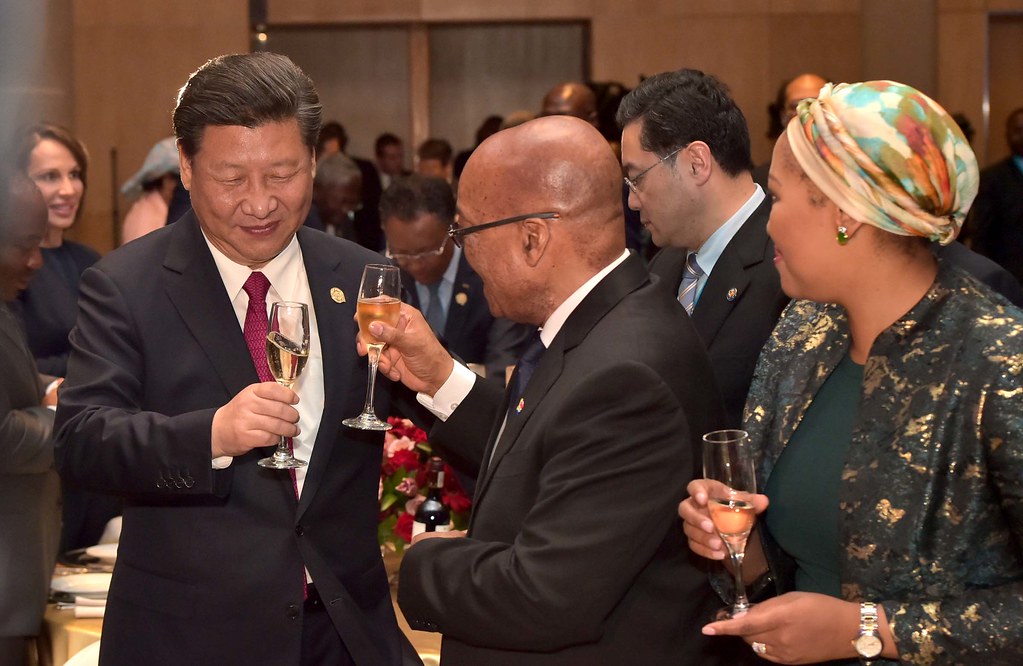
John Kofi Annan, a prominent Global Tech Coach and Leadership Expert, has voiced strong criticism regarding African leaders’ dependence on external aid during the Forum on China-Africa Cooperation (FOCAC), held in Beijing from September 4th to 6th, 2024. Annan’s comments underscore a broader debate about Africa’s potential and the reliance on foreign assistance.

In his recent statement, Annan argued that the resources available within Africa are more than sufficient to address the continent’s challenges and drive its development. He emphasized the disparity between Africa’s vast natural wealth and its persistent poverty, asserting that the continent’s leaders need to harness these resources rather than relying on external aid.Forum on China-Africa Cooperation (FOCAC), 3 to 5 Dec 2015… | Flickr

Key Points from Annan’s Statement:

  • Resource Abundance: Annan highlighted Africa’s immense resources, including the vast mineral wealth of Congo, the agricultural potential of land in Niger, Zambia, Chad, Sudan, and South Sudan, and the extensive gold deposits in Ghana, South Africa, Mali, Burkina Faso, and others. He argued that these resources alone could sustain Africa’s needs for decades without the need for borrowing from external sources.
  • Agricultural Potential: He pointed out that innovative agriculture in Africa could transform the continent’s food security, making it self-sufficient and less reliant on external support.
  • Energy Resources: Annan emphasized that the oil reserves in Nigeria, Angola, Algeria, and Libya could meet Africa’s energy needs if managed and structured effectively.
  • Intellectual Capacity: He also underscored the intellectual and innovative potential within Africa, which he believes could reshape the continent’s future within the next 20 years if leaders focus on utilizing these talents.

Annan’s remarks are a call to action for African leaders to prioritize the continent’s self-reliance and leverage its own resources to foster sustainable development. He warned that continued dependence on foreign aid could perpetuate Africa’s status as a “beggar” and hinder its progress.

As the FOCAC convenes to discuss cooperation between China and African nations, Annan’s critique serves as a reminder of the need for Africa to explore and implement its own strategies for development and prosperity.


In response to the burgeoning challenge of accessing foreign exchange and the escalating costs associated with critical office documentation formats, Kecam Technologies, a leading indigenous IT firm based in Lekki, Lagos, has announced the launch of a revolutionary PDF editor suite, Foxit PDF Editor. This innovative solution is set to redefine document management and organizational workflows across various sectors.

Bonny Mekwunye, Vice Chairman of Kecam Technologies Limited, highlighted the significance of Foxit PDF Editor, stating, “Foxit PDF Editor is designed to address the needs of individuals and businesses concerned with cost-effective documentation and efficient workflow organization.” He emphasized that the suite optimizes document workflows by offering a comprehensive range of features, including advanced editing, secured eSigning, collaborative tools, and AI-driven functionalities.

One of the distinguishing features of Foxit PDF Editor is its versatility, being compatible with Windows, MacOS, iOS, mobile platforms, and cloud services. This broad compatibility ensures seamless integration into diverse organizational environments, fostering enhanced collaboration and productivity.

Mekwunye further elaborated on the benefits of Foxit PDF Editor, citing its cost-effectiveness and user-friendly interface. “Foxit offers a solution that enables knowledge workers to create, edit, fill, merge, organize, redact, and analyze PDF documents with ease,” he stated. The suite’s affordability enables widespread deployment within organizations, thereby streamlining operations and reducing overall management costs.

Key features setting Foxit PDF Editor apart from its competitors include its robust security measures, with significant cost savings attributed to enhanced security updates and consistent support services. Additionally, Foxit’s licensing flexibility, offering both perpetual and subscription-based options, caters to diverse organizational preferences and budgetary considerations

Foxit PDF Editor Suite Pro for Teams represents the pinnacle of this innovative solution, providing advanced editing functionalities, secure electronic document signing, and comprehensive security measures. Noteworthy features include automatic text box identification, seamless paragraph reflow, and OCR text recognition for scanned content.

In light of the cost-effectiveness and flexibility offered by Foxit PDF Editor, organizations are poised to benefit from improved productivity, enhanced security, and streamlined document management processes. Mekwunye concluded, “After switching to Foxit, management costs have sharply reduced, heralding a new era of efficiency and optimization in document workflows.”

Foxit PDF Editor emerges as the PDF solution that businesses have been searching for, promising unparalleled functionality, security, and affordability in a rapidly evolving digital landscape.


Foxit PDF Editor Suite Pro for Teams represents the pinnacle of this innovative solution, providing advanced editing functionalities, secure electronic document signing, and comprehensive security measures. Noteworthy features include automatic text box identification, seamless paragraph reflow, and OCR text recognition for scanned content.


Adeola Sanusi, the visionary Founder of XLHomes Realty, a burgeoning Real Estate and Finance firm in Nigeria, has a story that reads like a script from a blockbuster movie. From his humble beginnings in Yaba to achieving significant milestones at Bloomberg, and eventually returning to Nigeria to establish a real estate empire, Sanusi’s journey is one of ambition, resilience, and purpose.

Early Beginnings

Sanusi’s story begins in Yaba, Lagos, where he was a diligent student at Yaba College of Technology. Immersed in marketing textbooks, Sanusi’s academic prowess saw him finish at the top of his class. However, this was just the beginning. Driven by a desire to further his education, he pursued a B.Sc in Finance at the University of Lagos (UNILAG). Here, too, Sanusi excelled, once again finishing at the top of his class. But academic success was not his only focus. To support himself, Sanusi created study packs and offered tutorial sessions to fellow students, including his peers, seniors, and even master’s students. This experience, though seemingly ordinary, was where he began to cultivate his sales skills, laying the groundwork for his future success.


Upon his return, Sanusi founded XLHomes Realty, a firm that has quickly risen to prominence in the Nigerian real estate market. In less than two years, the company has generated over ₦5 billion in revenue, a testament to Sanusi’s business acumen and strategic foresight. But for Sanusi, the financial success is just one part of the story.No alternative text description for this image

A Big Break at Bloomberg

After completing his degree, Sanusi landed a full-time role at Bloomberg in the United Kingdom. For many, this would be the pinnacle of success—a coveted position in one of the world’s leading financial services firms. At Bloomberg, Sanusi gained invaluable experience in sales, business analysis, and the intricacies of global finance. However, despite the professional growth and exposure, he found himself grappling with questions about his long-term happiness, impact, and potential.

“Would I be happy doing this for the next 10-15 years? Would I have made as much impact as I would have wanted to? Would this help me reach my full potential?” Sanusi recalls asking himself. The answers were a resounding “No.”

A Bold Decision to Return Home

In 2023, driven by a desire to make a more significant impact, Sanusi made the bold decision to leave his lucrative job at Bloomberg and return to Nigeria. It was a move that surprised many, including himself. “Who walks away from Bloomberg?” he mused. But Sanusi knew something others didn’t—the Nigerian entrepreneurship space was an untapped goldmine, ripe for innovation. Armed with this conviction, he returned home with a renewed sense of purpose and a vision to build something transformative.

Building an Empire

Upon his return, Sanusi founded XLHomes Realty, a firm that has quickly risen to prominence in the Nigerian real estate market. In less than two years, the company has generated over ₦5 billion in revenue, a testament to Sanusi’s business acumen and strategic foresight. But for Sanusi, the financial success is just one part of the story.

What truly motivates him is the impact XLHomes Realty has had on young Nigerians. Through the company’s realtor training programs, hundreds of young people have been empowered with the skills and knowledge to thrive in the real estate industry. “That’s the real gold,” Sanusi asserts, highlighting the importance of creating opportunities and making a difference in the lives of others.

Looking Ahead

As the Nigerian real estate market continues to evolve, Sanusi is determined to keep XLHomes Realty at the forefront of innovation and growth. He believes that the market is undergoing significant changes, and his firm is well-positioned to adapt and lead the way.

Sanusi’s journey is far from over. He sees this as just the beginning and is excited about what the future holds. His story serves as a powerful reminder that success is not defined by external achievements alone but by the impact one makes and the purpose one finds along the way.

Conclusion

Adeola Sanusi’s journey from Yaba to Bloomberg to building a real estate empire is a testament to the power of vision, resilience, and purpose. His story encourages others to trust their instincts, embrace change, and see opportunities where others see obstacles. As Sanusi continues to innovate and grow XLHomes Realty, one thing is clear: the best is yet to come.


As Nigeria continues to face a prolonged fuel and energy crisis, the newly operational Dangote Refinery has begun supplying petrol to the domestic market, offering some relief to Nigerians. However, the introduction of a new type of Premium Motor Spirit (PMS) has sparked curiosity and concern among consumers. The PMS, which appears clear like water, is different from the red, green, or golden-coloured petrol Nigerians are used to seeing.

Addressing public concerns, Dangote Petroleum Refinery assured Nigerians that the new clear petrol is of the highest quality. Rolled out into the market on Tuesday, September 3, the new fuel’s distinguishing feature is its clarity, which is attributed to the use of ethanol as a refining additive.

Understanding Ethanol’s Role in Fuel

Ethanol, a renewable fuel additive, is known to offer several advantages for fuel economy and engine performance. Vehicles optimized for higher ethanol blends tend to achieve better fuel efficiency due to increased engine efficiency. Furthermore, ethanol boasts a higher octane rating than traditional gasoline, which translates to improved power and performance.

The clear appearance of Dangote’s PMS contrasts with the coloured petrol previously available in Nigeria. Typically, petrol appears red when octane is added, green when octane levels are higher, and yellow when it is unleaded. In the case of Dangote’s new fuel, the clear, water-like appearance indicates the use of ethanol. This additive not only enhances engine performance but also reduces carbon emissions. Its oxygen-rich composition reduces engine carbonation, subsequently lowering carbon dioxide emissions, making it an environmentally friendly choice.

Relief Amid Crisis

The release of this high-grade, clear PMS by Dangote Refinery comes at a crucial time as Nigerians struggle with energy shortages. The refinery’s commitment to providing cleaner, more efficient fuel is seen as a positive step towards addressing the country’s energy challenges.

While some Nigerians may be adjusting to the new look of their petrol, Dangote Petroleum Refinery’s move highlights an innovative approach in refining processes that could lead to broader acceptance of ethanol-blended fuels. This transition marks a significant development in Nigeria’s energy landscape, offering both environmental and performance benefits.

As the fuel continues to circulate in the domestic market, all eyes are on how Nigerians will respond to this new product and its potential to ease the country’s fuel woes.

Reported by Anthony Emeka Nwosu


Nigerian Lady Makes History as Youngest Black Female Pilot for Commercial Airlines in the U.S.A.

By Anthony Emeka Nwosu

Nigerians continue to make remarkable strides in various fields across the globe, from entertainment to medicine, technology, and aviation. Adding to this impressive roster of accomplishments is a young Nigerian woman who has just etched her name in the annals of aviation history.

Miracle Izuchukwu, a 25-year-old from Agulu in Anambra State, Nigeria, has achieved the extraordinary feat of becoming the youngest black female pilot to captain a commercial airline flight in the United States. This historic accomplishment not only shatters glass ceilings but also serves as an inspiration to many aspiring aviators worldwide.

Miracle’s journey to the cockpit is a testament to her determination, tenacity, and passion for flying. Raised in a society where cultural norms and stereotypes often pose barriers to women pursuing careers in male-dominated fields, Miracle defied the odds. Her achievement symbolizes the growing number of Nigerian professionals who are making their mark globally and represents a new generation of young women who are stepping forward to redefine their roles in industries traditionally dominated by men.

A true trailblazer, Miracle Izuchukwu received her full commercial pilot’s license after completing rigorous training and certification processes. Her accomplishment as the youngest black female pilot for commercial airlines in the U.S.A. is not just a personal triumph but also a significant milestone for diversity and representation in the aviation sector.

The news of Miracle’s achievement has been met with widespread celebration and pride, particularly within the Nigerian and African communities. Her story is more than a testament to personal ambition and achievement; it also highlights the power of resilience and courage in overcoming challenges.

As the aviation industry grapples with diversity and inclusion challenges, Miracle’s story is a beacon of hope. It underscores the importance of fostering an environment where young girls and women from all backgrounds can aspire to and achieve their dreams, no matter how high they may seem.

Miracle Izuchukwu’s remarkable achievement is a reminder of the limitless potential that exists within young Nigerians and the transformative impact they continue to have on the global stage. From the heart of Anambra State to the skies over the United States, her journey is a powerful narrative of what is possible when talent, determination, and opportunity intersect.

Her story adds yet another chapter to the ongoing narrative of Nigerian excellence, and she stands as a role model for future generations of young women who dare to dream beyond borders and soar to new heights.

Anthony Emeka Nwosu is a writer and journalist with a passion for capturing the stories of remarkable individuals making a difference worldwide.

NOTAP Establishes 65th Intellectual Property and Technology Transfer Office at FUPRE

By Anthony Emeka Nwosu

Effurun, Delta State – The National Office for Technology Acquisition and Promotion (NOTAP) has commissioned its 65th Intellectual Property and Technology Transfer Office (IPTTO) at the Federal University of Petroleum Resources (FUPRE), Effurun, Delta State. This marks a significant step in strengthening the weak intellectual property (IP) system in Nigeria’s knowledge institutions. The new IPTTO is one of 67 that have been established nationwide by NOTAP.

Speaking at the recent commissioning ceremony, Dr. Obiageli Amadiobi, Director General of NOTAP, stated that the initiative was driven by the urgent need to reinforce the intellectual property framework in the nation’s higher education sector. She explained that while NOTAP was originally set up to regulate the inflow of foreign technology through the registration of technology transfer agreements, the agency also has a mandate to promote the development and domestication of indigenous technologies.

“The establishment of these IPTTOs is crucial,” said Dr. Amadiobi. “We have observed a weak intellectual property system in our knowledge institutions, and for a nation that aims to be a global player in the Science, Technology, and Innovation (STI) ecosystem, this situation is unacceptable.”

Dr. Amadiobi highlighted the significant role that universities and other knowledge institutions play in developed countries, not only in supporting the economy of their own institutions but also in enhancing the Gross Domestic Product (GDP) of their nations. She called on Nigerian universities to focus on market-driven research that solves societal problems and produces technically skilled graduates, rather than conventional research conducted solely for publication and career advancement.

The DG also lamented that many Nigerian researchers fail to commercialize their inventions, often leaving their research and development (R&D) results on the shelves. She encouraged the FUPRE community to take advantage of the IPTTO to present their research findings to NOTAP for patenting, free of charge. “Intellectual property may be intangible, but it must be protected to allow the owner exclusive rights to financially exploit the invention,” Dr. Amadiobi added.

She reiterated NOTAP’s commitment to fostering the inventive and innovative spirit of Nigerians through advocacy and the promotion of a strong intellectual property rights (IPR) ecosystem.

Welcoming the establishment of the IPTTO, FUPRE’s Vice Chancellor, Prof. Akpafure Rim-Rukeh, represented by Deputy Vice Chancellor of Administration, Prof. Doris Favwe Ogeleka, described the event as a “dream come true.” Prof. Rim-Rukeh noted that the IPTTO would fast-track the university’s intellectual property evaluation and application processes.

Founded in 2007 with eight colleges, FUPRE aims to be a premier international institution providing world-class education, training, research, consultancy, and extension services for the petroleum and allied sectors. Prof. Rim-Rukeh also emphasized the university’s commitment to enhancing local content in Nigeria’s oil, gas, and energy industries, stating that FUPRE is the first institution of its kind in Africa and the sixth in the world.

Before the establishment of the IPTTO, the university had already secured one international patent and 33 national patents, some of which have been commercialized. Prof. Rim-Rukeh revealed that FUPRE has 15 centres of excellence and is committed to developing more to increase intellectual property awareness within the university community.

In a presentation titled “Intellectual Property Assets Management,” Mrs. Caroline Annie-Osuagwu, Director of the Technology Acquisition and Research Coordination (TARC) department at NOTAP, urged researchers to protect their inventions to maximize their financial benefits. She explained that intellectual property assets include patents, trademarks, copyrighted works, industrial designs, geographical indications, and trade secrets, which are strategically chosen for their business value.

The establishment of the IPTTO at FUPRE represents a significant milestone in NOTAP’s efforts to build a robust intellectual property ecosystem in Nigeria, ensuring that the nation’s knowledge institutions can contribute meaningfully to the global STI landscape.


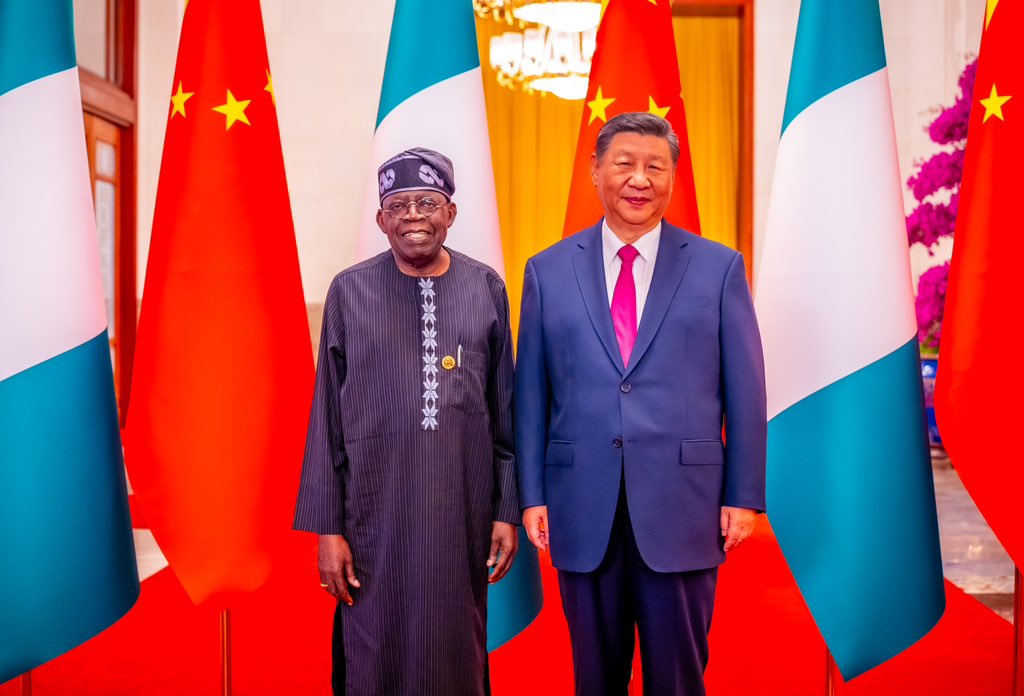
In a move to bolster Nigeria’s global partnerships, President Bola Ahmed Tinubu has embarked on a diplomatic mission to China, where he held high-level talks with President Xi Jinping aimed at elevating bilateral relations to a new height. The meeting, held in Beijing, underscored a mutual commitment to fostering a comprehensive developmental partnership between the two nations, with a focus on economic cooperation, regional stability, and sustainable growth.

President Tinubu, addressing Nigerians through his official account on X (formerly Twitter), described the meeting as a “significant milestone” in the evolution of Nigeria-China relations. He emphasised the importance of this engagement, stating, “Today’s meeting with President Xi Jinping in Beijing marks a crucial step for our two nations.” The discussions centred on strategic cooperation in areas such as infrastructure development, trade, energy, and security.

One of the key outcomes of the meeting was the signing of five Memoranda of Understanding (MOUs), signalling a broad-based approach to collaboration. Among these agreements, the Belt and Road Initiative (BRI) takes centre stage, with Nigeria poised to benefit from China’s ambitious global infrastructure development strategy. The BRI, which aims to connect Asia with Africa and Europe through land and maritime networks, offers Nigeria significant opportunities in terms of trade expansion, infrastructure development, and foreign investment.

Another notable MOU involves the peaceful application of nuclear energy, which highlights both countries’ commitment to sustainable energy solutions. This agreement is expected to pave the way for Nigeria to explore nuclear energy as a reliable and environmentally friendly power source, contributing to the nation’s energy security and addressing its electricity challenges. Other agreements focus on enhancing bilateral trade, financial cooperation, and capacity-building initiatives that align with Nigeria’s development goals.

Furthermore, President Tinubu and President Xi agreed to establish a high-level community to foster development, stability, and security across the West African sub-region. This initiative aims to promote peace and stability in the region, particularly given the rising security challenges in West Africa, including terrorism, piracy, and transnational crime. By collaborating on these fronts, both nations are expected to strengthen their influence and impact on regional stability.

The meeting also highlighted Nigeria’s strategic importance in China’s foreign policy, especially as a key partner in Africa. President Xi Jinping reaffirmed China’s readiness to support Nigeria’s development agenda and its aspirations for sustainable growth. He reiterated China’s commitment to deepening ties with Nigeria through increased investment in critical sectors such as agriculture, technology, and infrastructure.

For Nigeria, this diplomatic engagement represents an opportunity to leverage China’s experience in economic development, technological innovation, and poverty reduction. It also provides a platform for Nigeria to seek support for its domestic initiatives aimed at boosting economic growth, creating jobs, and improving living standards.

President Tinubu’s visit to China comes at a critical time as Nigeria seeks to diversify its foreign partnerships and enhance its global standing. It signals a proactive approach by the Tinubu administration to strengthen ties with global economic powers while addressing pressing domestic challenges. The agreements reached are expected to have far-reaching implications for Nigeria’s economic trajectory, regional influence, and overall development agenda.

As both countries move forward with their newly forged commitments, the visit sets a precedent for future engagements, showcasing a shared vision of mutual prosperity and sustainable development.

By Anthony Emeka Nwosu


Be Your Own Multi-Factor Authenticator


Article by: Lucas Molefe, Cybersecurity Consultant, ESET Southern Africa


An alarming post on X by Wendy Knowler, South Africa’s leading consumer journalist, has brought to light the constant and increasing risk of cybercrime in the context of travel planning. Knowler shared a cautionary tale involving a South African woman who fell victim to a sophisticated phishing scam while making travel arrangements:


“@wendyknowler
I’ve just received an email from a S. African woman who was caught by this.
The fraudulent email came amid a stream of genuine http://booking.com emails about her UK booking.
She lost >R18K.
@bookingcom sent her a warning email but it landed AFTER the scammers’ ones. 😡”


You can’t let your guard down for a moment. The truth is that most cybersecurity breaches these days take the form of phishing-based social engineering. Why break through thick firewalls or try to hack complex passwords when you can simply get someone to hand you the keys to their data and money? Scammers only need to find one cybersecurity gap for your trip to become far more expensive than you’d anticipated.


There are numerous parties involved – banks, booking agents, online platforms, and airlines. Booking flights or accommodations online often involves entering personal information on multiple platforms, each with its own level of security. Each interaction creates a potential entry point for cybercriminals, who can exploit these vulnerabilities to access or steal crucial data. If even one of these platforms is compromised, your entire travel itinerary, including payment details, could be exposed to significant risk.


It doesn’t get much safer once you’re travelling. Accessing the internet while on the move -whether to check emails, manage bookings, or handle banking transactions – poses additional threats, especially if you’re using unsecured public Wi-Fi networks. Cybercriminals can easily intercept data or deploy phishing schemes to steal your credentials.


To help travellers protect their personal information, ESET has published a detailed guide on recognising and avoiding phishing scams outlining essential strategies to prevent phishing attacks.


How to Recognise Phishing

Phishing messages often mimic legitimate correspondence but can be identified through several telltale signs:

  • Requests for Personal Information

Reputable organisations rarely ask for sensitive details via email.

  • Poor Grammar

Spelling mistakes and awkward phrasing are common in phishing emails.

  • Unexpected Contact

Unsolicited emails from banks or service providers should be treated with suspicion.

  • Urgency or Irresistible Offers

Messages that push for immediate action or offer deals that seem too good to be true are often scams.

  • Suspicious Domain Names

Be wary of emails from domains that don’t match the organisation’s official website.


How to Prevent Phishing:

  • Think Before You Click

Avoid clicking on links or downloading attachments from suspicious messages. These could lead you to malicious websites or infect your device with malware.

  • Stay Informed

Keep up with reports on new phishing techniques to avoid falling into the latest traps.

  • Guard Your Personal Details

Always verify the message with the sender or the organisation it claims to represent, using contact details you know to be genuine.

  • Monitor Your Accounts

Regularly check your online accounts for any unusual activity, even if you don’t suspect any foul play.

  • Use Reliable Security Solutions

Implementing a trusted anti-phishing solution can add an extra layer of protection.


In the end, you are your own best multi-factor authenticator. If you have any doubt – or even if you don’t but are about to make a sizeable transfer – call or email a known, genuine contact at the organisation you’re trading with. Confirm that the details you’re using are legitimate and, whatever you do, do not click on links from unknown contacts.


As travel plans become increasingly digital, the need for cybersecurity grows more urgent. By staying vigilant and adopting safe online practices, travellers can significantly reduce the risk of falling victim to cybercrime and enjoy a safer, stress-free trip.


For more information and expert advice on cybersecurity, visit ESET’s phishing prevention page.


About ESET
For more than 30 years, ESET® has been developing industry-leading IT security software and services to protect businesses, critical infrastructure and consumers worldwide from increasingly sophisticated digital threats. From endpoint and mobile security to endpoint detection and response, encryption and multifactor authentication, ESET’s high-performing, easy-to-use solutions unobtrusively protect and monitor 24/7, updating defences in real-time to keep users safe and businesses running without interruption. Evolving threats require an evolving IT security company that enables the safe use of technology. This is backed by ESET’s R&D centres worldwide, working in support of our shared future. For more information, visit www.eset.com/za or follow us on LinkedInFacebook, and Instagram.

 

Roberta Edu, the founding Chief Executive Officer of Moppet, a leading Nigerian brand specializing in baby food production, has called for increased awareness and understanding of organic food quality in Nigeria. Edu, an advocate for healthier, additive-free nutrition, highlighted the challenges her company faces in a market heavily influenced by processed food products.

“Most Nigerians don’t even know what quality is,” Edu noted during a recent conversation with sustainability advocate Adejoke Lasisi. “We have to do a lot of talking just to make people understand the quality we are offering.”

Edu shared her experience from a recent trip to Indiana, USA, where she introduced Moppet cereal to a group of potential consumers. “I opened a pack of Moppet cereal, and the response was immediate. Some people took a handful to chew, while others added water. One woman, skeptical at first, asked if it was natural and organic. After tasting it, she exclaimed, ‘I could literally taste everything inside; it’s so real, wow!’ Others could identify every ingredient just by its taste and texture. They immediately recognized the difference that comes with a truly organic product,” Edu recounted.

However, Edu contrasted this enthusiastic reception with the situation back home in Nigeria. She explained that many Nigerian parents have grown accustomed to highly processed, additive-laden foods, often finding it difficult to accept the distinct taste and texture of Moppet’s organic baby food. “It is only in Nigeria that an organic product is expected to look and taste like one filled with additives and chemicals,” Edu said. “Parents think these processed foods are the standard. That’s what they have been conditioned to want.”

Despite these challenges, Edu remains committed to changing the narrative. “We will not give up,” she affirmed. “Our mission is more than just business—it is a social enterprise, a mission-driven initiative, and a for-profit venture all rolled into one. We are here to educate more parents, to help them recognize what real organic food looks, feels, and tastes like. We are dedicated to removing chemicals and additives from children’s and family meals, while also promoting sustainable agricultural practices as a cultural heritage in Nigeria.”

Edu’s passion for healthier, organic food solutions underscores Moppet’s commitment to reshaping dietary norms in Nigeria. As the brand continues its outreach and educational efforts, Moppet aims to provide more families with healthier choices and to foster a greater appreciation for natural and sustainable food practices across the nation.

**For more information, please contact:**

Anthony Nwosu
CONN8 MEDIA SOLUTIONS NG
anthony@techandbiz.com.ng
+234 803 818 7914


About Moppet:
Moppet is a Nigerian brand dedicated to producing high-quality, organic baby food. With a focus on health, sustainability, and community education, Moppet strives to offer nutritious alternatives that contribute to the well-being of families across Nigeria.

###


Jane Egerton-Idehen, the Managing Director and CEO of Nigerian Communications Satellite Ltd (NIGCOMSAT), has reaffirmed the organization’s unwavering commitment to supporting the Nigerian government’s eight Presidential Priorities, with a particular emphasis on fostering economic growth and job creation. Speaking on NIGCOMSAT’s pivotal role in the national agenda, Egerton-Idehen stressed the importance of creating jobs, ensuring food security, and eradicating poverty through strategic initiatives.

“At NIGCOMSAT, we are dedicated to promoting economic growth and development through job creation, food security, and putting an end to poverty,” Egerton-Idehen stated. “Achieving this ambitious goal requires multiple coordinated efforts, including accelerating industrialization through the digital economy. Every week, we strive to advance this vision through our strategic pillars, ensuring our actions and initiatives are fully aligned with these national priorities.”Jane Egerton-Idehen - Wikipedia

Accelerating Digital Inclusion and Economic Participation

Under Egerton-Idehen’s leadership, NIGCOMSAT has focused on expanding digital access and connectivity, particularly in underserved rural areas, to ensure that more Nigerians can participate in the digital economy. She highlighted the organization’s proactive efforts to bridge the digital divide and empower communities by facilitating internet access and digital literacy. “Our collaboration with partners to extend digital access to underserved rural areas is vital in enabling local businesses to thrive, create jobs, and help lift people out of poverty,” she explained.

NIGCOMSAT’s initiatives aim to provide affordable and reliable satellite communication services, ensuring that even the most remote parts of Nigeria are connected to the wider digital economy. Through these efforts, businesses in rural communities are empowered to access new markets, adopt digital tools, and enhance their productivity, contributing to overall economic growth and stability.

Promoting Innovation and Collaboration in the Digital Sector

Egerton-Idehen also underscored the importance of fostering innovation in the digital sector, a goal that NIGCOMSAT is actively pursuing through partnerships with educational institutions, non-profits, and other stakeholders. “We are working closely with schools, universities, and research bodies to cultivate the next generation of tech talent and innovators,” she noted. “By investing in education and digital skills training, we aim to equip young Nigerians with the tools they need to succeed in the rapidly evolving global economy.”

NIGCOMSAT’s initiatives include collaborative programs with universities to develop cutting-edge research in satellite technology, as well as partnerships with non-profits to promote digital literacy and skills development across the country. These efforts are designed to create a sustainable ecosystem where technology, innovation, and entrepreneurship can flourish.

Ongoing Efforts to Align with National Priorities

Reflecting on the organization’s progress, Egerton-Idehen expressed confidence in NIGCOMSAT’s ongoing contributions to the national development agenda. “This week was no exception as we continued our efforts to align our actions and activities with the Nigerian government’s broader goals,” she said. “Every initiative we undertake is designed to support the country’s strategic objectives, from boosting economic growth to improving social welfare and enhancing security.”

She concluded by reaffirming NIGCOMSAT’s commitment to remaining at the forefront of Nigeria’s digital transformation journey. “Our mission is to harness the power of satellite technology to drive inclusive growth, create jobs, and transform lives across Nigeria,” she emphasized. “We are resolute in our efforts to support the government’s vision and contribute meaningfully to the nation’s prosperity.”

Egerton-Idehen’s statement reflects NIGCOMSAT’s strategic focus on leveraging satellite communication technology to support Nigeria’s socio-economic development, demonstrating the organization’s dedication to fostering a more inclusive and digitally empowered future for all Nigerians.


ANTHONY EMEKA NWOSU