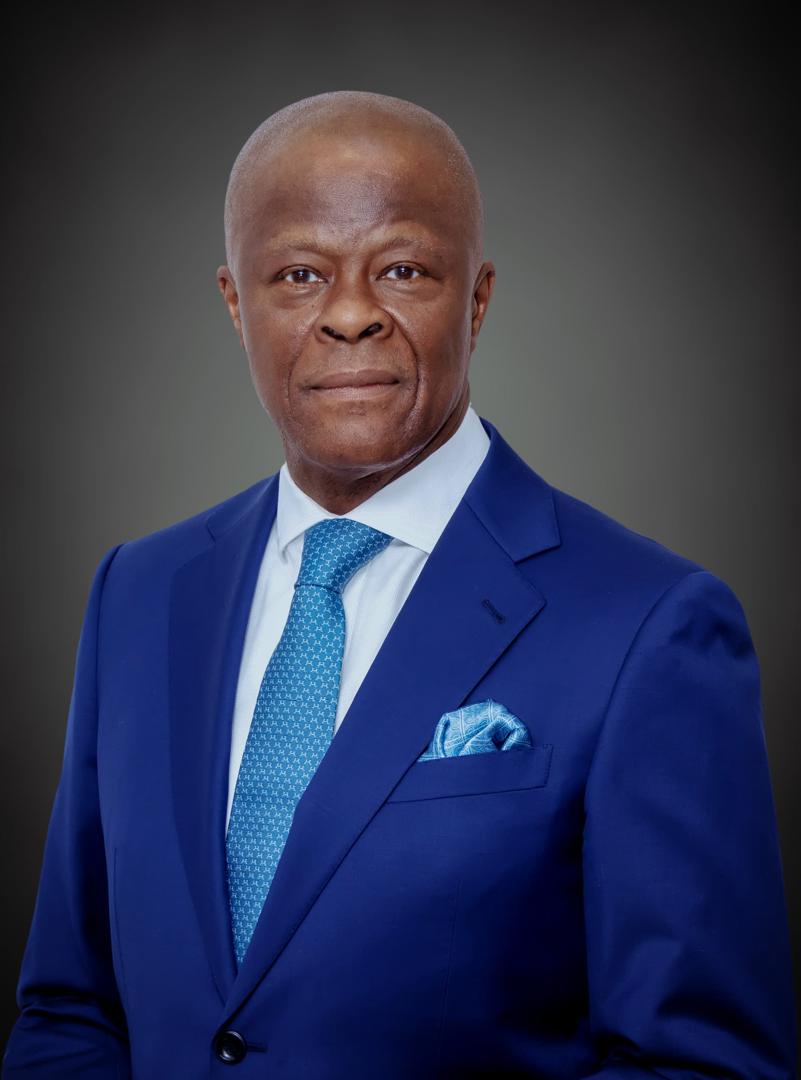
The Federal Government has officially dismissed recent reports suggesting that the administration of President Bola Ahmed Tinubu intends to increase Nigeria’s Value-Added Tax (VAT) rate from 7.5% to 10%. In a statement released earlier today, the Honourable Minister of Finance and Coordinating Minister of the Economy, Mr. Wale Edun, clarified that no such proposal is currently under consideration, reaffirming President Tinubu’s dedication to maintaining fiscal stability.

Mr. Edun emphasized that the VAT rate remains unchanged at 7.5%, countering rumors of a pending increase. He underscored the administration’s focus on implementing sustainable economic policies aimed at reducing inflationary pressures without imposing additional burdens on citizens. He also highlighted recent fiscal measures, such as the suspension of import duties on essential goods, as part of President Tinubu’s broader strategy to mitigate economic hardship for Nigerians.

The Minister of Finance stressed the Federal Government’s commitment to transparent communication regarding tax and economic policies to ensure that the public remains well-informed and is not swayed by inaccurate reports. “We are dedicated to ensuring clarity and transparency in all matters concerning the economy, and any future tax reforms will be communicated through official government channels,” Mr. Edun stated.

He assured citizens that the government remains focused on strengthening the economy while safeguarding the welfare of its people. The Ministry of Finance reiterated that any future tax changes or economic measures will be duly announced to the public to prevent the spread of misinformation.

With this clarification, the Federal Government aims to allay public concerns and reaffirm its dedication to sound fiscal management and economic stability under the leadership of President Bola Ahmed Tinubu.


Dr. Emanso Umobong Okop has formally assumed her new role as the Permanent Secretary of the Cabinet Affairs Office in the Office of the Secretary to the Government of the Federation. In her inaugural address, Dr. Umobong expressed gratitude to President Bola Ahmed Tinubu for entrusting her with this significant responsibility and pledged her unwavering commitment to fostering an environment of efficiency, job satisfaction, and growth within the office.

“I am grateful to President Bola Ahmed Tinubu for this appointment and I am ready to work collaboratively with all the staff at the Cabinet Affairs Office,” Dr. Umobong stated. She emphasized her commitment to providing effective leadership, ensuring a conducive work environment, and establishing a robust reward system. She also solicited the full support and cooperation of her team to achieve these goals.

Dr. Umobong extended her appreciation to the outgoing Permanent Secretary, Richard Pheelangwa, who has transitioned to the role of Permanent Secretary of the Federal Ministry of Water Resources. She acknowledged his support, guidance, and leadership during her tenure under his tutelage. “I appreciate the support given to me by Mr. Pheelangwa, which has been invaluable,” she remarked.

Before her appointment as Permanent Secretary, Dr. Umobong served at the State House Medical Centre, where she rose through the ranks to the position of Director. Her distinguished career in public service has prepared her well for this new role.

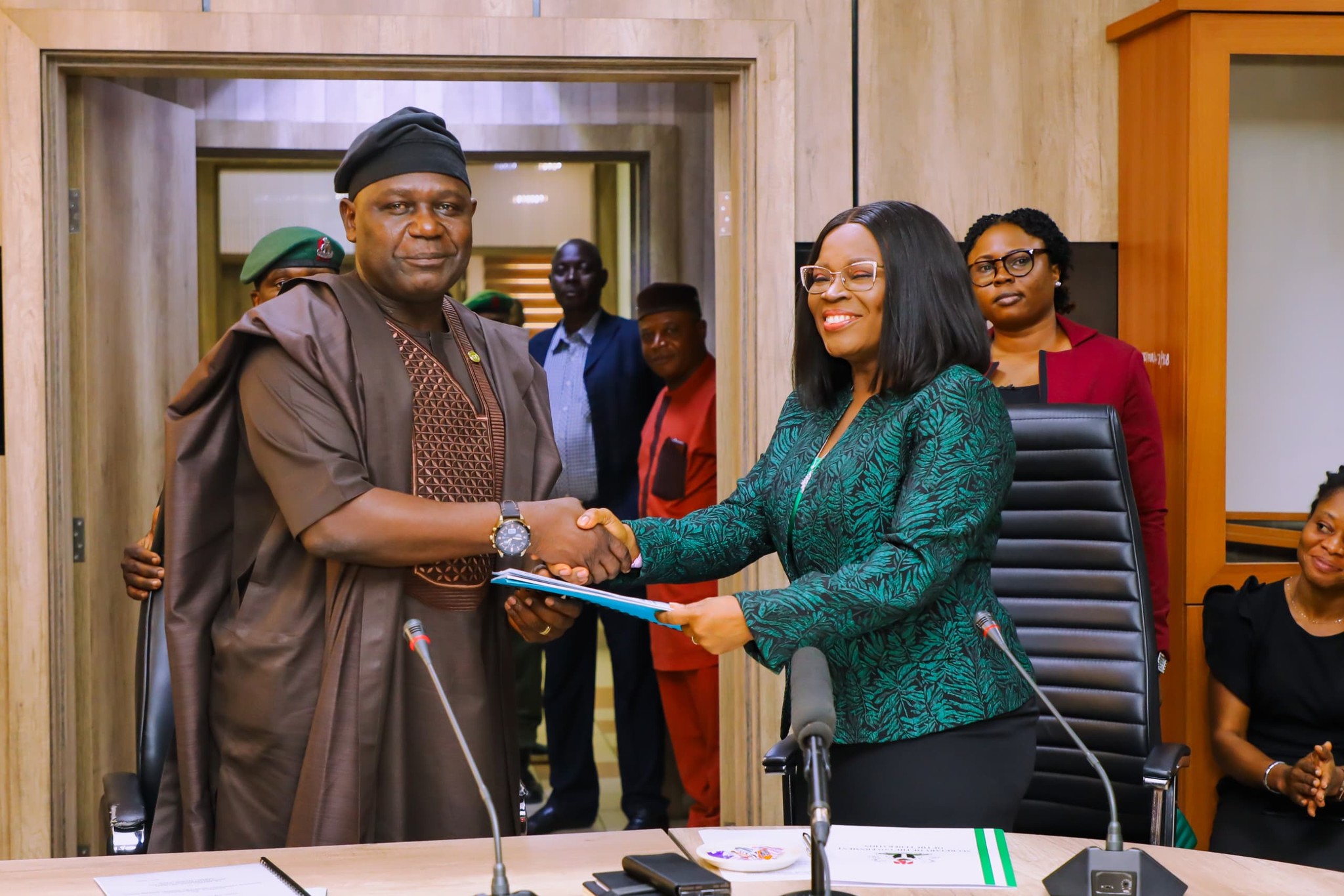
During the ceremony, Richard Pheelangwa praised the staff of the Cabinet Affairs Office for their dedication and hard work, which he credited for his success during his tenure. He urged them to continue their commitment under the new leadership to ensure Dr. Umobong’s success. “The staff’s immense efforts, commitment, and dedication have been crucial to my accomplishments, and I encourage you to extend the same support to Dr. Umobong,” he said.May be an image of 4 people and text

Representing the staff of the Cabinet Affairs Office, Mary-rose Ozonweke, Director of Economic & Finance (Cabinet Affairs), expressed confidence in Dr. Umobong’s leadership. She highlighted the depth of her experience in service, which she believes will drive the office to greater heights. Ozonweke assured the new Permanent Secretary of the staff’s “unalloyed loyalty and commitment” to achieving the statutory obligations of the office. She also thanked Richard Pheelangwa for his purposeful leadership and wished him success in his new role.

The event was attended by staff of the Cabinet Affairs Office, senior officials from the Federal Medical Centre, State House, and other well-wishers. The highlight of the occasion was the formal presentation of the handover notes, marking a seamless transition between the outgoing and incoming Permanent Secretaries.

As Dr. Emanso Umobong Okop steps into her new role, the staff and stakeholders of the Cabinet Affairs Office are optimistic that her leadership will herald a new era of growth and efficiency for the office.


Olayinka Oyetunji, the esteemed Associate Director at EY, Convener of C.L.E.A.N, Finance Tutor, and Chairman of the Board at Covenant Community Groups, recently reflected on his career journey, highlighting the pivotal moment that marked the beginning of his rise to national prominence.

In a candid discussion about his professional path, Oyetunji recalled a time when recognition seemed elusive. Despite not winning any awards during his primary and secondary school years, he experienced a life-changing moment when he received his first-ever prize from the Institute of Chartered Accountants of Nigeria (ICAN). This prestigious recognition came after he secured third place overall in the ATS 2 examination, a nationwide achievement that thrust him into the spotlight.

Oyetunji shared the profound impact this recognition had on him. “I was a national star,” he said, still amazed by the turn of events. “The irony is that I had never won any prize in primary and secondary schools, so it was hard to believe I won the prize when I received the notification.”

His initial reaction was one of disbelief. “At first, I thought ICAN had made an error because I had never been recognized before,” Oyetunji admitted. However, this milestone was just the beginning. Encouraged by this success, he went on to secure scholarships at the university level, further solidifying his academic and professional trajectory.

Reflecting on his journey, Oyetunji emphasized several life lessons that have guided him:

  1. Delays Are Never Denials: Oyetunji’s experience teaches that setbacks or delays in achieving success should not be seen as denials. When success does arrive, it often comes with greater significance and impact.
  2. Don’t Write Anything Off: His story is a reminder not to dismiss opportunities or potential achievements, no matter how unlikely they may seem. Every experience has the potential to lead to unexpected success.
  3. Everyone Has Their Time: Oyetunji’s rise to recognition underscores the importance of patience and perseverance. Everyone has their unique timeline for success, and when the time is right, achievements will follow.

Oyetunji’s story serves as an inspiring reminder that perseverance, patience, and an unwavering belief in oneself can lead to remarkable success, even when it seems out of reach. His journey from an unrecognized student to a national star illustrates that success often arrives in its own time, bringing with it profound lessons and significant rewards.

As Oyetunji himself asks, what other life lessons can we draw from this remarkable journey?


Tony Emeka Nwosu


Oyetunji’s story serves as an inspiring reminder that perseverance, patience, and an unwavering belief in oneself can lead to remarkable success, even when it seems out of reach. His journey from an unrecognized student to a national star illustrates that success often arrives in its own time, bringing with it profound lessons and significant rewards.

Bill Gates, Co-Chair of the Bill & Melinda Gates Foundation, engaged in a dialogue with young leaders, nutrition experts, advocates, and Grammy Award winning musician Jon Batiste. In this dynamic conversation, the participants exchanged transformative ideas that can address malnutrition through health, agriculture, and financing solutions. These include smartphones that can tell farmers which seeds to plant depending on the weather, multiple micronutrient supplements that reduce maternal anemia and save newborn lives, and cooking oil fortified with vitamin A to strengthen immune systems.


Vaccines saved millions of lives and improved the health of those children so they can achieve their whole potential

Throughout his opening remarks, Mr. Gates underscored the importance of reducing malnutrition especially in pregnant mothers and young children. He said: “vaccines saved millions of lives and improved the health of those children so they can achieve their whole potential. But now malnutrition is holding back their potential, because it can have lifelong effects. If not addressed it affects your brain, and it affects your body.”

He mentioned that solving malnutrition would not be simple, stressing that it “affects the most rural and low-income communities.” To really solve it, he said: “you’ve got to work with the health sector, agricultural sector, and educate people.”

Commenting on his upcoming meetings with philanthropists and government leaders in Nigeria, Mr. Gates outlined the important role that they can play in driving down the cost of nutrition interventions, designing education programs and making nutritious food more accessible.

Co-hosted by local partners TechnoServe and Nile University, and live streamed across Africa by Africa.com and Channels Television, Mr. Gates’ remarks were followed by an interactive Q&A session with the audience and reflections from Jon Batiste’s recent visit to Nigeria. The event brought together nutrition experts and young people committed to addressing malnutrition and food insecurity across the continent and was designed to inspire transformative solutions to shape Africa’s future.

By Arnaud Bouraima, Deputy Chief Commercial Officer, Webb Fontaine (https://WebbFontaine.com/). 


In the face of mounting global environmental challenges such as climate change, biodiversity loss, and pollution, and increasing focus on environmental, social and governance (ESG) awareness, sustainable trade practices and supply chains have the potential to radically transform Africa’s economic future.

From green logistics to fair trade and circular economy principles, sustainable trade practices have a significant positive impact on global and local trade. In addition to environmental benefits, they enhance market competitiveness and open access to new markets that value a commitment to sustainability.

However, the transition to eco-friendly and sustainable supply chains is reliant on several factors, not least a significant investment in the infrastructure and technology needed to streamline port and customs operations and ensure a smooth entry of goods into the country in question. An understanding of the importance of digital transformation by governments and regulatory bodies is also a key factor in adopting digital solutions over more traditional manual systems.

African countries that understand and embrace these requirements are well on their way to laying the groundwork for sustainable trade practices.

As an example, the port of Cotonou in the West African country of Benin handles an average of 80 to 90 merchant vessels monthly. According to the African Development Bank (https://apo-opa.co/3MF9Kxi), Cotonou deals with 90 percent of the country’s international trade, serving up to 100 million consumers. In 2022, the port handled 12.5 million tonnes of goods, a figure that is predicted to almost double by 2038, reaching 23 million tonnes.

In a gesture of confidence, the recent extension of an €80 million loan (https://apo-opa.co/3MF9Kxi) by the African Development Bank for significant infrastructure upgrades will expand the port’s operations even further. Yet despite the vast and complicated operations of one of Africa’s busiest ports, Benin has jumped to 66th place on the World Bank’s Logistics Performance Index (https://LPI.WorldBank.org/), an astonishing leap of approximately 100 places in just under a decade, positioning the country as West Africa’s key trade hub.

But this wasn’t always the case. High shipping costs, low efficiency, and poor logistical facilities threatened to stifle any hopes the port had of becoming a key trade route, despite the fact that the country is a crucial transit route for West Africa, connecting millions of people in the landlocked countries of Niger, Mali, Burkina Faso, Chad, and the northern regions of Nigeria.

Technology is revolutionising trade practices

The solution? Leveraging technology to break through the complexities, inefficiencies, and obstacles impeding effective trade, and transform Benin into an economically competitive trade hub.

This is a story that replicates itself in trade ports along Africa’s entire coastline. Operators and customs entities are constantly looking for ways in which to alleviate the backlogs and delays caused by the high volumes flowing through these trade entry points, and digitisation, along with improved physical infrastructure, is proving to be an extremely effective solution. Partnerships and collaborations with specialist service providers hold the key to success.


The Webb Fontaine and Benin story

Webb Fontaine is already playing a crucial role in supporting Africa’s governments on their trade facilitation journeys, with specialised port technology

Backtracking from the current situation, and highlighting the importance of long-term public-private collaborations in modernising and streamlining trade landscapes, Webb Fontaine started working with Benin’s Ministry of Finance and Benin Control in 2017. Implementing a suite of innovative solutions including Webb Single Window, Webb Transit Tracking, Webb Valuation, Webb Ports, and Webb Customs, we are proud to be playing a pivotal role in transforming trade in the country.

Webb Single Window has been a game changer. It forms the basis of GUCE Benin, a digital platform with over 6,500 users in the logistics chain that facilitates import, export, and transit operations, and incorporates electronic payment via Paylican, Webb Fontaine’s official payments partner. Webb Single Window has also automated the processing of key administrative operations like issuing licenses and authorisations, overseeing currency exchange operations, managing exemptions, and communicating with tax services.

In practical terms, this means streamlining the process needed to get containers out of the port. Digitising processes to create efficiencies, using new technologies such as artificial intelligence (AI), reduces the time spent on clearance of goods, for both customs brokers and administrators. Benin now ranks as West Africa’s top port and holds the third-highest rating in Africa behind Egypt and South Africa. Release times have been reduced by 30%, with a remarkable 50% of containers being released within only two days.


Along with operational efficiency at the ports themselves, economic growth is a key benefit. From digital skills development to higher revenues as a result of streamlined operations, technology is playing a crucial role. For example, reducing the clearance time from 47 days to only a few days allows for more cycles of importation, increasing tax revenue and creating a healthy economic cycle. This also attracts foreign direct investment, making the port more attractive for investors and traders.


However, the use of technology in port operations is just one aspect in a larger framework of sustainable trade. The resultant benefits, such as automated systems and data analytics have the potential to lead to more efficient operations, reduced emissions, and less waste, which are all key components of sustainable trade practices. For instance, quicker turnaround times not only reduce the carbon footprint of shipping and logistics operations, but they also reduce the need for extended storage, in turn decreasing energy consumption and waste.


Is Africa ready for sustainable and eco-friendly supply chains?


Despite the challenges faced by African countries, many are making great strides. Togo’s new container platform, Nigeria’s planned green port, Liberia’s green economy reforms – all are notable examples. Yet much still needs to be done to fully embrace the digital transformation journey, while at the same time addressing issues like infrastructure development.


All stakeholders have a role to play in implementing sustainable and eco-friendly trade practices and policies. African governments, for instance, can make a commitment to investing the funds and resources needed to create infrastructure that will support both trade and digital advancements, as well as support sustainability initiatives. The African Continental Free Trade Area can play a crucial role in developing a standardised approach to these issues, based on learnings from other countries on the continent.


Africa is a continent that has immense potential when it comes to creating and maintaining sustainable trade practices that will drive economic growth. The continent’s success stories demonstrate this, and serve as a call to governments, industry stakeholders, policymakers and the private sector to work together to find tangible solutions that will promote further growth and development. Webb Fontaine is already playing a crucial role in supporting Africa’s governments on their trade facilitation journeys, with specialised port technology that is securing customs revenue, mitigating trade fraud, and streamlining clearance times. In the same way, when all stakeholders collaborate and contribute to improvements in their respective areas, Africa’s economies will reap the collective rewards.

 

By Anthony Emeka Nwosu

Apple Inc. has once again raised the bar in smartphone innovation with the highly anticipated launch of the iPhone 16 series, which is set to redefine user experience with its groundbreaking features and superior performance. The launch, which took place amid much fanfare, introduced two stunning models: the standard iPhone 16 and the more advanced iPhone 16 Pro, both poised to capture the attention of tech enthusiasts globally.

### A Leap in Technology: Unveiling the iPhone 16 Pro and Pro Max

The iPhone 16 Pro and iPhone 16 Pro Max are designed for those who demand the best. With a remarkable leap in display size, the Pro models now feature a 6.3-inch screen on the iPhone 16 Pro and a 6.9-inch screen on the Pro Max, offering an immersive viewing experience. Powered by the cutting-edge Apple A18 Pro chip, these devices promise faster performance and efficiency.

One of the most significant upgrades in the iPhone 16 series is the enhanced camera system. Both the iPhone 16 Pro and Pro Max now boast a 48MP ultra-wide camera, delivering exceptional photo quality. Additionally, the 6.3-inch Pro model has been upgraded to include the same 5x optical zoom as its larger counterpart, ensuring users can capture distant subjects with stunning clarity. The introduction of a new Camera Control button, which doubles as a trigger button, allows for a more intuitive photography experience.


Apple has also focused on improving battery life and charging capabilities. The iPhone 16 Pro models offer extended battery performance and now support faster wireless charging at up to 25W using the new MagSafe charger.

### Competitive Pricing and Availability

Apple has also adjusted its pricing strategy to make the iPhone 16 series more accessible. The iPhone 16 Pro starts at N3 million plus , while the iPhone 16 Pro Max begins at N 4 million plus —both prices being lower than the previous generation. This pricing shift marks a strategic move by Apple to broaden its market appeal while delivering high-end technology at a more competitive price point.

Malaysians, along with tech enthusiasts in the United States, Singapore, the United Kingdom, and Australia, are among the first to experience the iPhone 16 series. Pre-orders begin on September 13, with the official release set for September 20.

### Revolutionary Features Across the iPhone 16 Series

The entire iPhone 16 lineup is packed with impressive hardware refinements and features. At the heart of the new devices is the A18 chip, built on a 3nm process, which ensures unparalleled speed and power efficiency. Apple has also integrated advanced intelligence systems, enhanced battery life, and increased water and dust resistance to make the iPhone 16 series one of the most durable smartphones on the market.

For gaming enthusiasts, the iPhone 16 series includes an improved thermal design and hardware-accelerated ray tracing, delivering a smoother and more realistic gaming experience. Additionally, the new models come equipped with Wi-Fi 7, enabling faster and more reliable internet connectivity.

One of the standout features is the Action Button, which made its debut last year. This multifunctional button can be customized for various tasks, making it a versatile tool for users. Satellite messaging, initially available in the US and Canada, is another feature that adds to the series’ robust communication capabilities.

The iPhone 16 series is priced competitively, with the standard iPhone 16 starting at $799 for the 128GB storage model, and the iPhone 16 Plus available at $899, offering the same storage capacity.

### Conclusion: A New Era of Innovation

Apple’s iPhone 16 series marks a new chapter in the company’s legacy of innovation. With its state-of-the-art technology, enhanced features, and competitive pricing, the iPhone 16 series is set to dominate the smartphone market and offer users an unparalleled experience. As pre-orders begin, the excitement surrounding this release is palpable, and it’s clear that Apple has once again delivered a product that will set the standard for years to come.

Will you be among those upgrading to the iPhone 16?

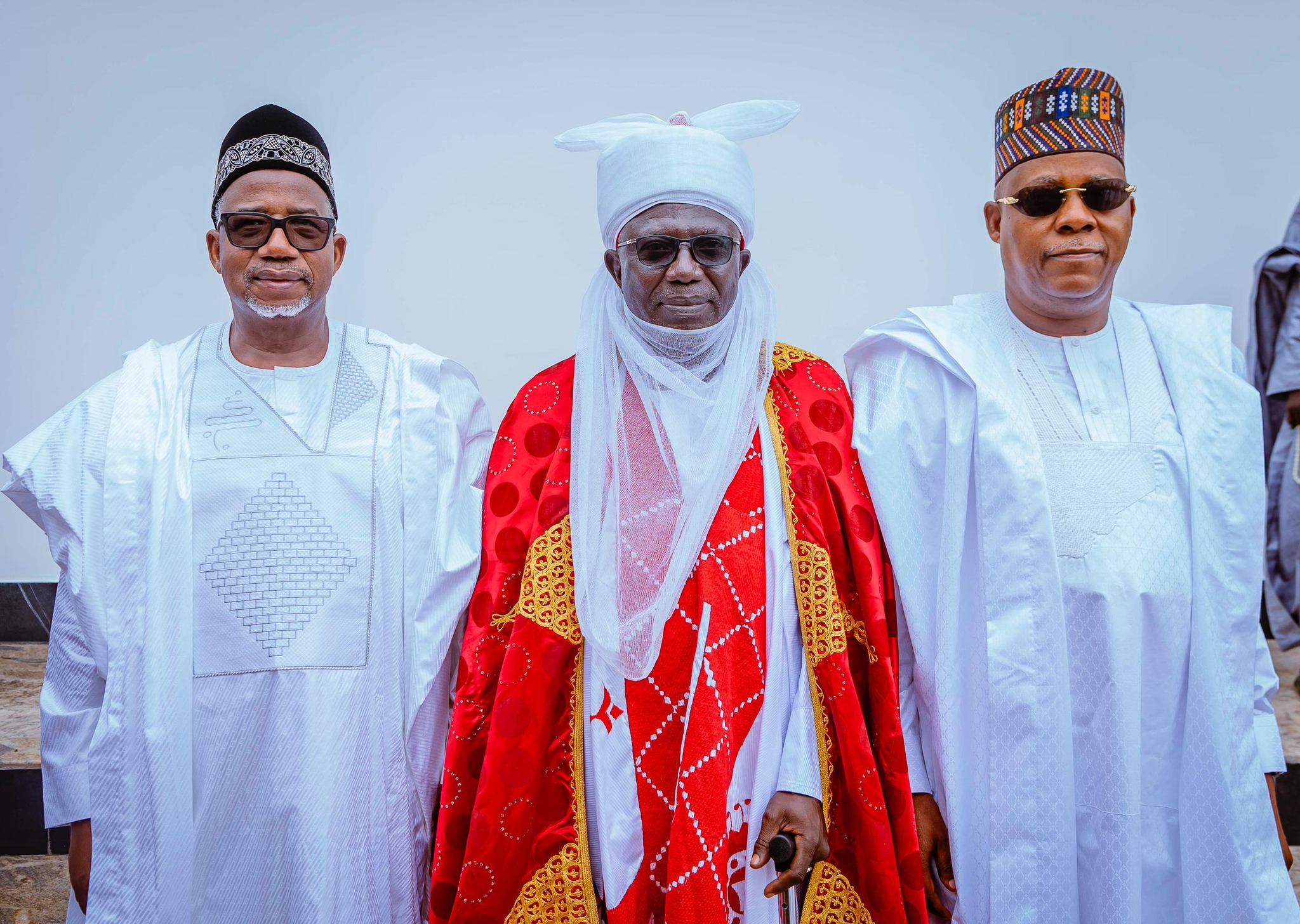
Vice President Kashim Shettima has emphasized the need for stronger ties between the federal government and traditional institutions, highlighting their pivotal role in national unity and stability. During his visit to Ningi Emirate in Bauchi State on Friday, VP Shettima reaffirmed President Bola Ahmed Tinubu’s commitment to engaging royal fathers as essential stakeholders in national development.

Addressing the Emirate, the Vice President extended his condolences for the passing of the late Emir of Ningi, HRH Alhaji Yunusa Muhammed DanYaya, and congratulated his successor, HRH Alhaji Haruna Yunusa Danyaya. He praised the late Emir for his 88 years of dedicated service and noted his significant contributions both as the longest-reigning Emir in Ningi’s history and through various roles before his enthronement.

“The traditional institutions are not only the custodians of our cultures, values, and history but also the very backbone of our society,” VP Shettima said. He underscored that these institutions play a crucial role in maintaining national unity and societal stability, reflecting on their role in reinforcing the essence of Nigeria’s diversity.

VP Shettima expressed his deepest condolences on behalf of President Tinubu and the entire federal government, offering unwavering support for the new Emir’s reign. “We stand with you as partners in progress, and our doors are always open to our traditional rulers for wisdom, guidance, and advice,” he assured.

Governor Bala Mohammed of Bauchi State welcomed the Vice President’s visit, commending Shettima for his humility and respect for all individuals. Governor Mohammed described the visit as a “double-edged sword,” acknowledging it as a gesture of condolence and congratulations to the new Emir.

The new Emir of Ningi, HRH Alhaji Haruna Yunusa Danyaya, expressed gratitude to VP Shettima and Governor Mohammed for their support during this transition period. He also thanked the Governor for approving his appointment as the successor to his late father.

Among the dignitaries present were Coordinating Minister of Health and Social Welfare, Prof. Muhammad Ali Pate; Speaker of the Bauchi State House of Assembly, Hon. Abubakar Y. Suleiman; and other senior government officials.

In addition, VP Shettima, representing President Tinubu, visited Kaduna State to convey condolences to the Kaduna State Government and the family of the late Hon. Justice Tanimu Zailani, former Chief Judge of Kaduna State. Shettima expressed sorrow over Zailani’s passing, noting his significant role as a judicial leader and ally of both President Tinubu and himself. He prayed for the late Justice’s eternal rest and strength for his family to bear the loss.


Three web-generations ago, when the word “website” was new, and the familiar words “virus” and “Trojan” gained new meaning in the digital world, an unlikely partnership formed between 18-year-old Justin Stanford and 50-year-old businessman, Erik van Vlaanderen. This partnership led them to create the information security company, 4D Digital Security (4DDS) in 2002, which was the starting point and reason for ESET Southern Africa existing today. Together they went on to change South Africa’s digital security landscape and put the nation on the global cybersecurity map.


This year, ESET Southern Africa celebrates 20 years of leading the cybersecurity industry in South Africa, offering product solutions to businesses of all sizes, whether consumer or enterprise. Since their inception, the journey to becoming a cybersecurity powerhouse mirrors the rapid evolution of the South African tech industry.


Through a cold call to San Diego in 2003, 4DDS secured the distribution rights for NOD32; the innovative antivirus software developed in Slovakia. South Africa, having not been pinned on NOD32’s global map until then, was about to become a key player in the international cybersecurity arena. 4DDS later transformed into the multifaceted 4Di Group known as ESET Southern Africa.


In 2004, they would go on to surpass their sales targets and increase their year-on-year sales by 300%. Under the leadership of Carey van Vlaanderen as CEO, ESET Southern Africa has reached 23 African countries to date, making it a continental leader in cybersecurity software.


As South Africa’s digital ecosystem matured, so did ESET Southern Africa. Recognising the importance of collaboration in achieving their mission to protect the early stages of the nation’s digital era, they emphasise building strong relationships with their partners and celebrating their milestones. Through their annual ESET Partner Awards they continue to honour those who consistently deliver digital safety to the people of South Africa.


“As proud partners, we are excited to deepen our knowledge about the brand and its offerings. This invaluable insight will help us present our customers with the very best products and services,” said Thami Mncube, Founder and CEO of Eyotech Systems, an ESET Southern Africa partner who recently won gold in the Newcomer Sales Champion category.


In celebration of Heritage Month, the contributions of the South Africans who have worked tirelessly to ensure the nation’s digital safety are acknowledged. ESET Southern Africa has played a major role in shaping South Africa’s digital future, ensuring that the nation’s rich heritage can be preserved, protected, and celebrated for generations to come. From a garage to a cybersecurity titan, ESET’s journey personifies the spirit of African entrepreneurship and the country’s growing influence in the global tech space. ESET will continue to protect the nation’s progress.


“It has been incredible being part of creating a company that has educated and grown people alongside the fast-changing landscape of cybersecurity over the last 20 years. We are so proud to be celebrating the legacy of our family-style South African business alongside the diverse heritage we cherish in South Africa.” – Carey van Vlaanderen, CEO of ESET Southern Africa.

In 2017, Sandra Chukwudozie embarked on a transformative journey that has since redefined Nigeria’s energy landscape. With a background in international management, industrial relations, and economics, Sandra founded Salpha Energy with a clear mission: to revolutionize the energy sector through cleaner, more affordable, and innovative solutions.

Sandra’s vision was not merely to establish another energy company but to create a purpose-driven enterprise dedicated to sustainability and efficiency. Her leadership and commitment to making informed decisions have propelled Salpha Energy to achieve remarkable success in both private and public sectors.

Before founding Salpha Energy, Sandra garnered significant experience as a consultant for the United Nations Industrial Development Organisation (UNIDO) and a political intern at the United Nations. Her early career in Nigeria’s oil and gas sector further prepared her for the challenges of the energy industry.

Sandra’s global career spans Europe, Africa, and the United Nations headquarters, providing her with a rich understanding of diverse cultures and enhancing her adaptability as a leader. This international perspective has been crucial in her approach to tackling global energy challenges.

Under Sandra’s stewardship, Salpha Energy has become a symbol of progress towards a carbon-neutral future. Her role as a part-time director at Dozzy Group also highlights her adeptness in applying growth strategies and revenue generation skills across various ventures.

Sandra Chukwudozie’s story is a testament to visionary leadership and a relentless pursuit of a sustainable future. Through her work with Salpha Energy, Sandra continues to drive impactful change, demonstrating that dedicated leadership and innovative solutions can indeed shape a better tomorrow for humanity.


Under Sandra’s stewardship, Salpha Energy has become a symbol of progress towards a carbon-neutral future. Her role as a part-time director at Dozzy Group also highlights her adeptness in applying growth strategies and revenue generation skills across various ventures.


The 1971 Mercedes-Benz 280SE 3.5 Cabriolet epitomizes classic automotive elegance and rarity. This model is among only 1,232 cabriolets ever produced and is one of just 802 that were brought into the United States, making it a prized find for classic car enthusiasts and collectors.

The 280SE 3.5 Cabriolet, along with its sibling, the Coupe, is celebrated for its superior craftsmanship and attention to detail. Built during the final two years of the W111 model series, these vehicles were known for their hand-built quality—a hallmark of Mercedes-Benz’s commitment to luxury and engineering excellence. The Cabriolet features a luxurious interior adorned with genuine solid hardwood trim and brightwork accents, complementing the thick, comfortable leather upholstery. This opulent interior contributes to a driving experience that combines both comfort and precision.

The design and performance of the 280SE 3.5 Cabriolet have made it a favorite among international celebrities and socialites. The vehicle’s ability to provide a smooth and engaging ride has cemented its status as a symbol of sophistication and high status. It was often seen in the world’s most glamorous destinations, further enhancing its reputation as a car of distinction.

The naming of the 280SE 3.5 Cabriolet can be somewhat misleading. Unlike its predecessors—such as the 220SE, 250SE, and earlier 280SE models, which were named after their engine sizes—the 280SE 3.5 is powered by a 3.5-liter V8 engine. This significant upgrade in engine capacity distinguished the final versions of the W111 series from their earlier counterparts. Mercedes-Benz used the “280SE 3.5” designation to highlight this enhancement.

The production run of these final W111 models was brief, spanning from August 1969 to July 1971. During this period, Mercedes-Benz manufactured only 3,270 Coupes and 1,232 Cabriolets, which adds to the vehicle’s rarity and desirability. The combination of limited production numbers, advanced performance features, and the high standard of craftsmanship makes the 280SE 3.5 Cabriolet a highly sought-after classic car today.

Its iconic status is well-deserved, as the 1971 Mercedes-Benz 280SE 3.5 Cabriolet represents the pinnacle of Mercedes-Benz’s classic luxury vehicles. It continues to be a symbol of automotive excellence and is cherished by collectors who value its blend of rarity, performance, and timeless design.