The first batch of Innoson Vehicle Manufacturing (IVM) electric cars has officially sold out, thanks to an unconventional yet effective marketing strategy led by Cornell Osigwe, the company’s head of Corporate Communications.

In a bold move, Osigwe posted an unedited video on social media, showcasing his test drive of the new IVM electric vehicles. The video, recorded with background noise and Osigwe seemingly making calls, was not a polished marketing piece. But, as a seasoned media and PR expert, Osigwe knew this would grab the public’s attention.

“Any experienced media person knows that what sells in news is bad news, not good news,” Osigwe explained. “The criticism that the video would generate was bound to make it trend nationally, giving the car more publicity than a professionally edited video could have achieved.”

Despite the video showing a vehicle still undergoing its final round of quality control checks and not yet certified for sales, the buzz it created was immediate. Calls poured in, with interested buyers eager to secure their spot as the first to own the Innoson electric vehicle. The result? The initial batch, though small, was quickly sold out, with clients making upfront payments.

Osigwe’s strategy capitalized on Nigerians’ curiosity and engagement with viral content, proving once again that sometimes, unconventional methods can yield exceptional results. “You may call my strategy crude, but it works. Not everyone follows the books; some of us create our own path to success,” Osigwe remarked confidently.

The official launch of the IVM electric vehicles is still pending, but thanks to this impromptu campaign, the buzz around the cars is already palpable.


By Malam Idris Nasir

In a major victory for security in Northwest Nigeria, the Nigerian military has successfully neutralized one of the most dangerous bandit kingpins, Halilu Buzu Sububu, marking a significant achievement in the ongoing fight against banditry in the region. This success comes shortly after the Minister of State for Defence, Dr. Bello Muhammed Matawalle , relocated the Command and Control Centre to Sokoto under the directive of President Bola Ahmed Tinubu GCFR.

The move is part of President Tinubu’s broader strategy to restore peace and stability in the Northwest. Dr. Matawalle, alongside the service chiefs, has been working tirelessly to ensure that the president’s commitment to securing the region is fulfilled. The elimination of Halilu Sububu represents a major breakthrough in this mission.

“President Bola Ahmed Tinubu is fulfilling his promise to the people of the Northwest. The elimination of this notorious bandit kingpin is a proof that we are making significant progress,” Dr. Matawalle stated.

The Minister expressed his gratitude to the Nigerian Army and all security agencies involved in the operation, noting that their determination and dedication are key to the ongoing success. He further assured that the fight to rid the region of banditry is far from over, but the government remains resolute.


“We will not rest until every corner of the Northwest is free from the threat of banditry. The military, under the directive of President Tinubu, is now on a fight-to-finish mission, and we will continue to intensify our operations,” Dr. Matawalle said.

The success of the military operations is being widely celebrated by citizens of zone especially Zamfara, Katsina and Sokoto states. This has brought a sense of relief to communities that have long suffered under the threat of banditry. Farmers, traders, and businesspeople, who have been among the worst hit, have expressed their appreciation to President Bola Ahmed Tinubu GCFR, Dr. Matawalle, and the Nigerian military for their efforts.

“The joy and relief in these communities are palpable. This victory is a turning point, and it sends a strong message to the likes of Bello Turji and those who seek to destabilize our region – they will be brought to justice,” Dr. Matawalle added.

The Nigerian military remains committed to continuing operations in the region until all bandit leaders and their groups are neutralized, ensuring lasting peace and security for the people of the Northwest.


* Malam Nasir is a Public Analyst based in Abuja


Professor Ndubuisi Ekekwe, a renowned entrepreneur and investor, has commended Guaranty Trust Holding Company (GTCO) for achieving a record-breaking profit of N905.6 billion in the first half of the year, marking the highest level ever reached by any Nigerian publicly listed company. Quoting a report by Premium Times, Ekekwe highlighted that GTCO’s net interest income, a key metric that reflects the difference between earnings on loans or financial assets and the cost of borrowings or maintaining depositor funds, surged by 177% to reach N491.5 billion.

“Typically, as the Central Bank of Nigeria hikes interest rates, banks experience ‘alpha moments’ because they can charge higher interest rates,” Ekekwe remarked. “It is not the bank’s fault that interest rates are high and US dollar forex movements are favoring them.”

However, Ekekwe cautioned against viewing the banking sector’s success in isolation, describing it as an “illusion” amid broader economic challenges. He questioned how banks could achieve such high profits while the manufacturing sector struggles, attributing this phenomenon to the directives of the Central Bank of Nigeria (CBN).

“This trend will likely continue as the US dollar’s position shifts, causing inflationary pressures in a country heavily reliant on imports, where farming communities are also grappling with insecurity and banditry,” Ekekwe explained. “To combat inflation, interest rates are raised, creating a vicious cycle.”

Ekekwe concluded by reflecting on the paradoxical nature of Nigeria’s economic development, where banking profits soar even as the broader economy faces significant hurdles.


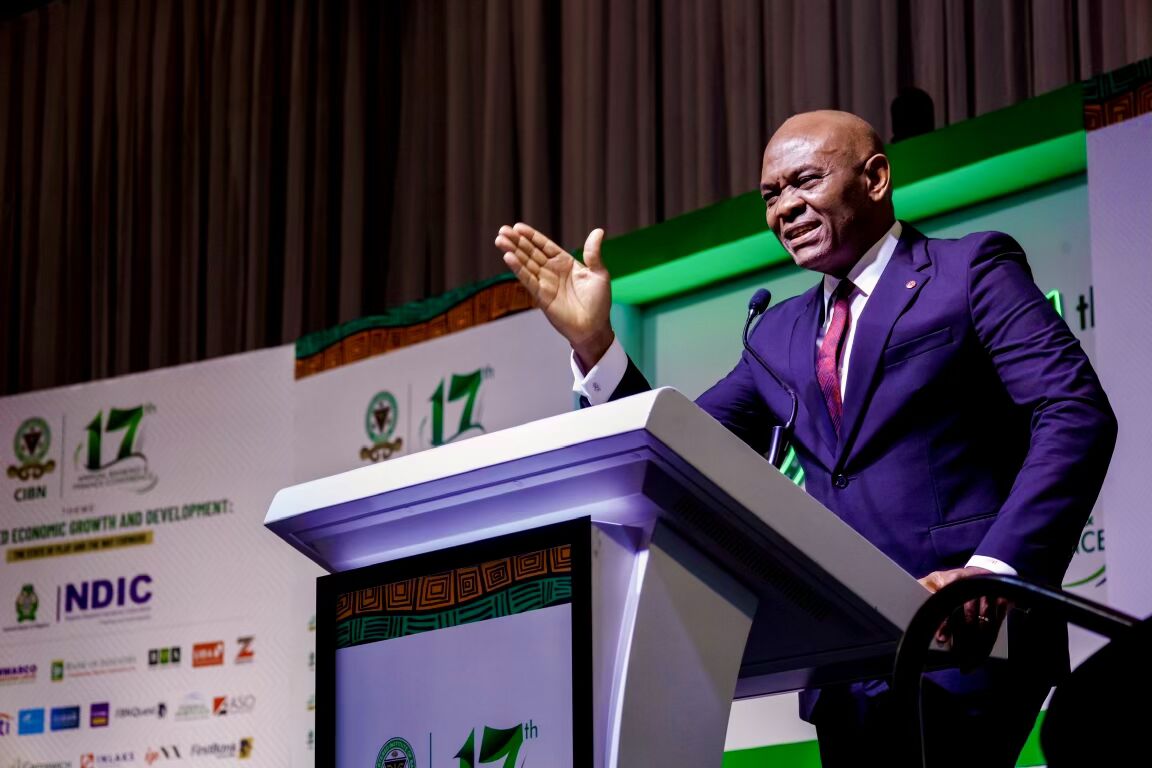
Tony O. Elumelu, Chairman of Heirs Holdings, has called for a comprehensive and strategic approach to address Nigeria’s current economic challenges, emphasizing the need for long-term solutions rather than short-term interventions. Speaking on the state of the nation’s economy, Elumelu highlighted the impact of surging inflation and the country’s reliance on imports over exports, coupled with a struggling manufacturing sector and a growing population.

“It has been a tough year for Nigeria,” Elumelu stated. “As a nation, we import more than we export, and with a manufacturing sector struggling and the continued growth of our population, we require more than just short-term interventions. We need a comprehensive strategy to support our vast and diverse population and unlock our potential.”

Elumelu underscored Nigeria’s rich natural and human resources, pointing out the country’s consistent failure to invest adequately in its people and value chain, including vital sectors such as power, education, and infrastructure. He stressed that without addressing these foundational needs, Nigeria cannot achieve its full potential.

“In times of uncertainty, we must transform this crisis into an opportunity—a blueprint for creating a thriving, people- and investor-friendly environment,” he continued. He also spoke of “Africapitalism,” a philosophy that promotes private-sector-driven economic change that is both equitable and inclusive, but acknowledged the difficulties in achieving this when the population struggles to thrive.

Elumelu’s keynote address, titled “Accelerated Economic Growth and Development: The State of Play and the Way Forward,” focused on three critical areas essential for Nigeria’s economic future:No alternative text description for this image

  1. Access to Electricity: Elumelu emphasized that reliable access to electricity is fundamental for development, impacting all aspects of life from healthcare to education and industrialization. He called for a robust power ecosystem that encourages investment and economic growth, stating that Nigeria must ensure that its abundant natural resources translate into plentiful, reliable power for all.
  2. Security: Addressing the importance of security, Elumelu argued that a secure environment is essential for protecting citizens, attracting investment, and fostering trade. He highlighted the urgent need to tackle insecurity, which he described as a national crisis that must be resolved to enable Nigerians to live peacefully and conduct their lives and businesses without fear.
  3. Youth Entrepreneurship: Elumelu stressed the importance of fostering youth entrepreneurship to drive economic growth. He presented a choice for Nigeria: either continue to lose its brightest young minds to opportunities abroad, often through perilous journeys that split families and destroy lives, or create a nation where young people can achieve their dreams at home, contributing to national development.

Concluding his address, Elumelu called for collective action from both citizens and the government to turn the current crisis into an opportunity for lasting change, urging all stakeholders to work together to create an environment conducive to growth and prosperity.


Technology and Artificial intelligence (AI) are transforming and reshaping business operations across multiple industries, and in the process are able to effect a tremendous impact on people’s lives. Within this context, the business sector can – and must – contribute positively to communities’ general well-being and prosperity while seeking growth opportunities.

This was an overriding theme of the recent Datacentrix Showcase 2024, which took place at Montecasino in Johannesburg, presenting excellent content, new ideas and cutting-edge solutions to close to 2,000 technology and business professionals on the day. The event was proudly supported by Diamond sponsor Hewlett Packard Enterprise (HPE), together with thirty-four other highly respected ICT technology vendors.

The concept for this year’s Showcase, ‘Changing lives through technology’, reflects Datacentrix’s ongoing commitment to exploring and embracing innovative, sustainable solutions that simultaneously support local businesses while also contributing positively to communities and the environment.

In his opening address, Ahmed Mahomed, Group Chief Executive Officer at Datacentrix, spoke on the importance of having ‘intelligent, connected, and responsible leadership in the new business era’. He noted that inflows of technology are generational, and leadership in the digital age is faced with the challenge of navigating the business landscape that is characterised by uncertainty, as well as the velocity of change ‘where data is everywhere, and market competition has gone global’. Mahomed added that other challenges affecting business leaders today include climate change, geo-political considerations, and the ongoing skills gap. He went on to caution leaders to be mindful of the ‘hype trap’ around elements of technology.

“When business leaders are re-imagining their organisations through a technology lens,” he clarified, “it must be remembered that every company is unique, with different business imperatives and maturity levels. Digital leadership embraces a broad understanding of how technology can be harnessed to achieve business objectives. Leaders must analyse the impact technologies will have on their organisations and strive to implement those technologies that will create competitive advantage and add value. In today’s world, technology is not just a business enabler, it is a business driver, reimagining models and strategies.”

Following on from Mahomed’s opening presentation, the keynote address on the topic of ‘Sovereign AI: Localising the power of technology’ was presented by Andile Ngcaba, Chairman and Founding Partner at Convergence Partners.

Ngcaba discussed the necessity of combining regulations around AI, while simultaneously encouraging the unfolding of ongoing innovation. Presenting various examples of AI uses in different industries, he outlined how the technical uses of AI and their corresponding ethical considerations varied across industries, noting that they therefore should not be regulated in a uniform manner. According to Ngcaba: “The creation of global ethical standards will ensure that AI is deployed in a way that respects human rights and avoids misuse.”

A lively conversation then unfolded between President Ntuli, Managing Director at HPE South Africa, and Sanjeev Katwa, Technology Director at Tottenham Hotspur Football Club in London.

The discussion was entitled, ‘Innovative intelligence: The power of a technology-driven customer experience’ and unpacked how HPE solutions – which are behind the transformation of Tottenham Hotspur Stadium since 2019 – have turned it into one of the most technologically advanced football stadiums in the world.

An interactive CIO panel discussion followed, with panellists spanning a variety of industries including banking, agriculture, IT, education and financial services. The panellists included: Subash Sharma, Chief Digital Officer: Everyday Banking, Absa Group; Stephanie du Toit, Head of Technology & Information, Remgro Management Services; Busi Matube, Senior Director: ICT & Chief Digital Officer, Central University of Technology; Rika Myburg, Chief Information Officer at Afgri; Sanjeev Katwa, Technology Director, Tottenham Hotspur Football Club; and Datacentrix’s Mahomed.

Amongst a number of valuable and valid points that were made during the discussion, Rika Myburg of Afgri noted that: “There is a significant amount of technology being used in the agricultural space, and that technology is integral today to modern farming,” while Stephanie du Toit of Remgro Management Services explained: “Sustainability is very important to us at Remgro and whatever we develop, we want to be able to put back into the community in a positive manner. It is important for business to use technology for good and not to fear it.”

Added Busi Matube of the Central University of Technology: “The use of AI in higher education is currently a highly topical issue and is presenting challenges to both students and the institution alike. However, I believe that over the longer term, the use of AI will bring beneficial changes to the education sector.”

The final guest speaker of the day then took the stage, as well-known economic expert Dr Azar Jammine, Director and Chief Economist at Econometrix, discussed technology and the economy in a presentation entitled ‘The impact of digitalisation on South Africa’s economic growth’.
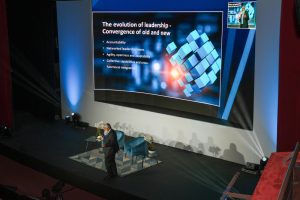
According to Jammine, AI presents massive economic opportunities and has an increasing and important role to play in cybersecurity in general. He singled out the agriculture industry in South Africa as being one of the fastest growing local sectors over the past few years, noting that this is both important and encouraging within the total economy, with a deep potential to be enhanced by technology for the greater good of the industry itself, as well as the over-arching economy.

“Since 2013, South Africa has seen a significant rise in unemployment,” Jammine stated. “The question must therefore be asked: how can we use technology to increase employment opportunities? There is a great need to place an increased focus on technology and education, particularly in rural and outlying areas. However, the low level of mathematical abilities in South Africa’s citizens brings a detrimental effect on the required cognitive levels for technology functionality. This is admittedly a huge challenge, but again it also creates a significant opportunity to encourage and facilitate learning and technology cognitive abilities to counteract this deficit.”

Following on from the morning plenary programme of industry experts, delegates were able to enjoy an afternoon of breakaway content presentations, designed to provide valuable insights into the latest technological advancements and their impact on businesses and society. The 20-minute slots covered important issues such as AI, the data challenge, digitalisation, protection and privacy, security and governance, connectivity and hybrid technologies, including the cloud and everything as a service (XaaS).

In closing, it is fitting to return the final word to Datacentrix’s CEO, who noted during his presentation that the impact of technology on African businesses is a serious issue that cannot be lightly dismissed. He went in to say that Africa has possibly missed the opportunity of ‘natural resource beneficiation’, and asked: Can we derive continental growth and the benefits it brings from ‘data beneficiation’?

“Ask yourself: ‘Who are the leaders of your businesses?” Mahomed challenged delegates. “We need to become leaders within the continent and not just followers of global technology, building and augmenting these to create unique solutions for the continent. There are physical conversations that we must have, and remember that, in leveraging technological advancements, leaders must maintain a human focus.

“We have talent and leadership, with almost 2,000 local industry leaders at a senior level right here at this Showcase – and we must harness this for the greater good, to truly be able to change lives through technology,” he concluded.

In keeping with the day’s focus on sustainability and community support, surplus food from Datacentrix Showcase 2024 was delivered to the Avril Elizabeth Home for the mentally handicapped; the Tree of Hope, a safe space for abandoned babies; and the Johannesburg Children’s Home.

To watch a timelapse video of the incredible Datacentrix Showcase 2024 build-up and the day’s proceedings, click here.

 

The Airtel Africa Foundation has launched a fellowship scheme valued at US$500,000 to support ten undergraduate students at the newly established Zanzibar campus of the Indian Institute of Technology Madras (IIT Madras Zanzibar).

This initiative marks the first major program by the recently established Airtel Africa Foundation, aimed at fostering educational opportunities for talented students from the 14 African countries where Airtel Africa operates. The selected recipients will be designated as Airtel Africa Fellows.

The fellowship will provide comprehensive support over the four-year Bachelor of Science degree program. Each fellow will receive an annual grant of US$12,000 to cover tuition fees and an additional US$500 per year for living expenses, significantly easing the financial burden of pursuing higher education.

IIT Madras, a premier public technical and research institution in Chennai, India, is recognized globally for its contributions to technological advancement and research. The IIT Madras Zanzibar campus represents the institution’s first venture outside India, offering a unique opportunity for African students to benefit from a world-class education.

This initiative reflects Airtel Africa Foundation’s commitment to empowering young Africans through education and fostering a new generation of leaders equipped to drive innovation and development across the continent.


A customer-obsessed mindset is no longer the preserve of B2C companies


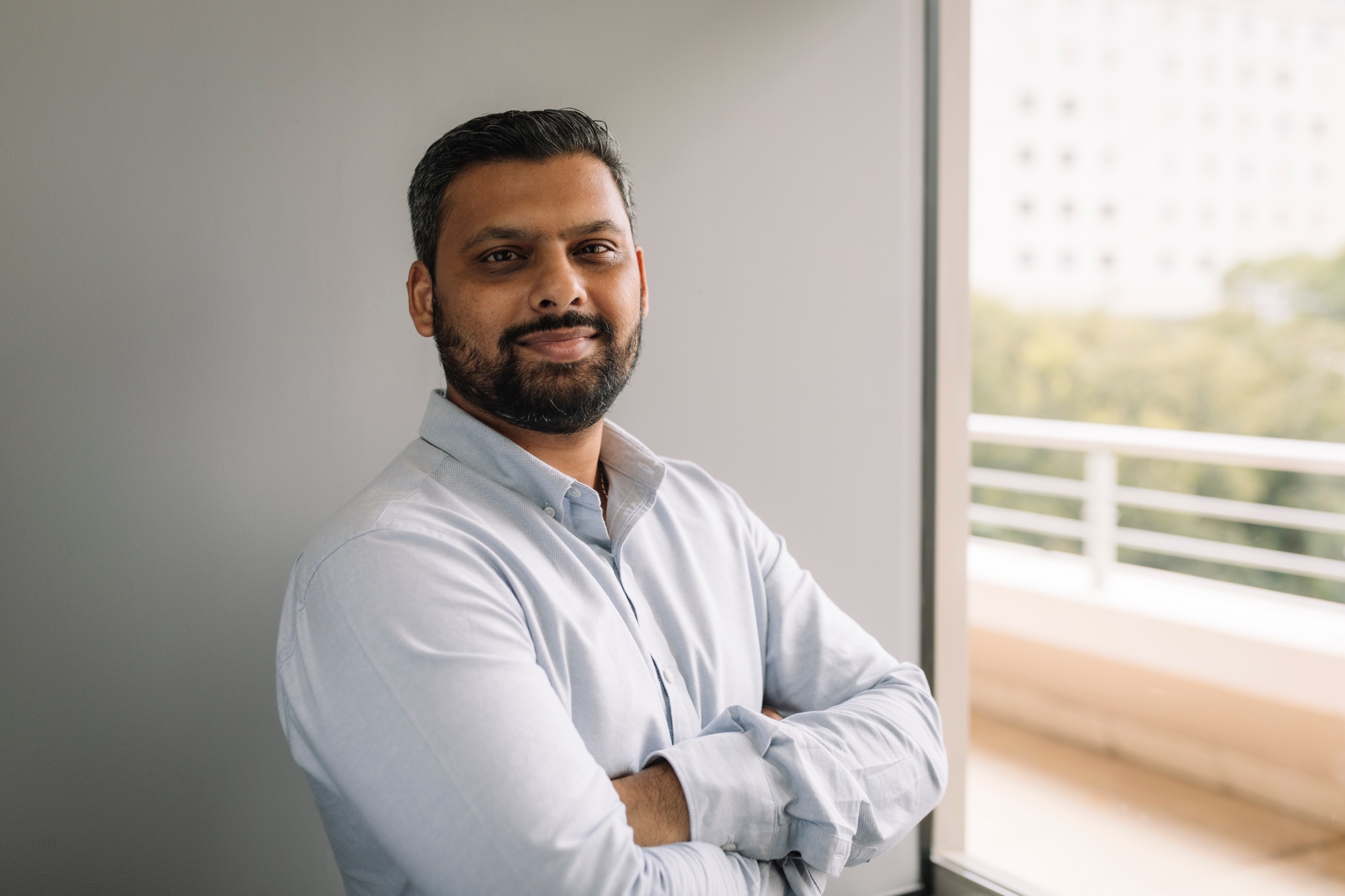
The concept of customer experience (CX) has shifted from customer-centricity to customer obsession, making it much more comprehensive and immersive than ever before. Where customer-centricity sets its sights on understanding and meeting customer needs, customer obsession goes a step beyond by integrating every aspect of a business—leveraging technology, design, and human insights to deliver superior, holistic user experience. This transformation is on fertile ground within the B2B sector, where businesses are recognising the need to provide the same high-quality experiences that B2C customers usually expect, says Avinash Maharaj, Head of Digital Product Strategy at fintech specialist e4.


Being customer-obsessed is a business approach that puts customer needs at the centre of an organisation’s culture and operations instead of paying lip service to the idea of good customer service. “It involves a deep commitment to exceeding customer expectations at every touchpoint. In CX discussions, the focus is often narrowed on the technology aspect, but every element within a company and every touchpoint with a client contributes to the overall user experience. CX should be viewed as a company-wide initiative rather than solely a technology strategy,” explains Maharaj.


He says creating a truly holistic customer experience is the result of the painstaking integration of people, technology, design, and business intelligence. “Each element plays a vital role in creating journeys that resonate with clients. By combining insights from industry research, technological advancements, and customer feedback, we can design products and services that meet customers where they are on their own business journey. By focusing on the intersection of customer needs, technology, and business strategy, we’re also able to constantly realign our efforts to ensure we can adapt and realign if necessary.”


From initial sales conversations to ongoing support, each touchpoint is an opportunity to reinforce a brand’s commitment to customer satisfaction. “Delivering an exceptional experience is a holistic endeavour that requires a shift from siloed operations to a cohesive strategy that delivers consistency and excellence at every customer interaction,” notes Maharaj. Of course, delivering a holistic customer experience today involves multiple digital touchpoints too, which is why a digital-first approach is so central to enhancing customer interactions and streamlining processes in the B2B space. The challenge, says Maharaj, is never losing sight that it’s about the customer, not just the best technology. “By focusing on what customers want, the solutions will follow. It’s critical to understand the problems and pain points first, and then being ready to position ourselves with the right solution in the markets we operate within.”


While B2B transactions involve businesses, it’s essential to remember that behind every interaction are individuals with unique needs and goals. Applying B2C-level customer experience strategies, like personalisation, seamless onboarding and digitally assisted support to B2B interactions, recognises the human element and fosters deeper customer connections. “In the B2B space, providing customer-obsessed experiences is becoming much more commonplace, and with good reason. More organisations are realising that this is the next step in maturing a competitive advantage and refining what counts as a unique value proposition to attract new customers while keeping existing customers happy,” says Maharaj.


So, what metrics should organisations use to determine CX success? “Ultimately, two metrics usually sum it all up: friction and stickiness. Reducing the friction at an application, service, and delivery level enhances CX satisfaction while stickiness evaluates customer retention and engagement. Are clients coming back, are they checking, are they reacting are they buying? Monitoring the elements of stickiness gives insight into how relevant the current personalisation tactic is and what the next steps on the personalisation journey should be,” notes Maharaj.


The journey to becoming customer-obsessed is not without challenges. “Managing business demands is equally vital. Most businesses don’t have the luxury of patience and/or freedom to experiment as they operate in a landscape characterised by constant pressure to meet various demands: budgets, sales targets, competition, market dynamics, and stakeholder expectations. It’s crucial to strike a delicate balance between enabling employee creativity in their work and addressing the immediate needs of the business that pays the bills and satisfies stakeholders. Finding this equilibrium is fundamental to a successful CX strategy,” he adds.


The future of CX is set to embrace hyper-personalisation and predictive insights powered by emerging technologies like AI and machine learning. Maharaj says that by transitioning control from businesses to customers through user-powered AI, organisations will be better equipped to anticipate customer needs and deliver tailored experiences. “Even in the face of emerging technology, adopting a company-wide approach to CX and integrating technology with a deep understanding of customer needs is what will ultimately drive long-term success. A customer-obsessed mindset is long overdue in the B2B space.”


Ends.


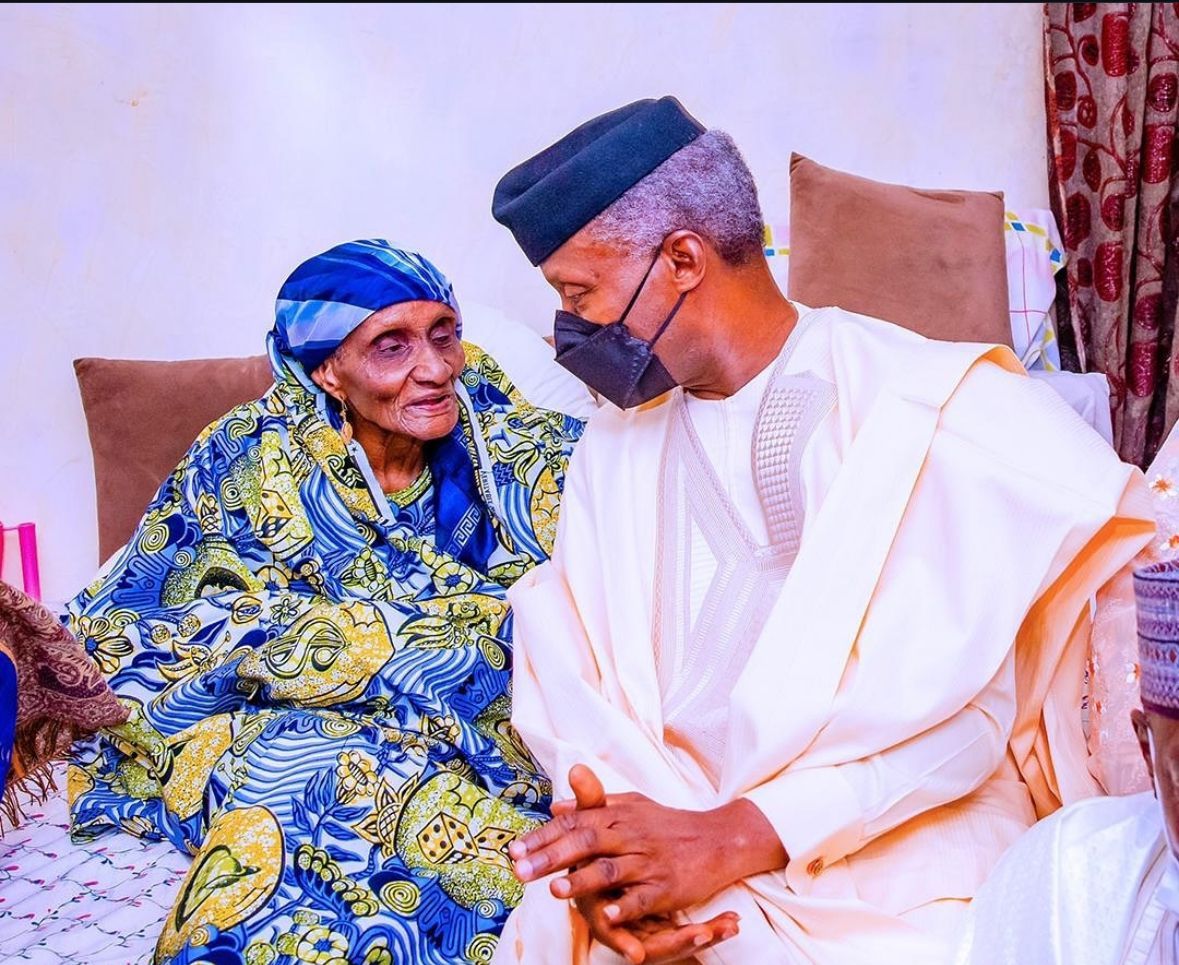
Prof. Yemi Osinbajo, former Vice President of Nigeria, has recently honored the legacy of Hajia Dada Yar’Adua, highlighting her remarkable embodiment of grace, dignity, and fortitude.

During a recent visit, Prof. Osinbajo reflected on the life of Hajia Dada Yar’Adua, the widow of the late Musa Yar’Adua, who served as Minister of Lagos Affairs in the First Republic. Hajia Dada Yar’Adua’s exceptional legacy includes being the mother of nine children, with three achieving prominent positions: one as President of Nigeria, another as Vice President, and a third as a serving Senator. Her role as both wife and mother to such influential figures in Nigerian history is unmatched.

Hajia Dada Yar’Adua’s life was marked by both profound honor and significant personal loss. She endured the deaths of five of her children, including the former President and Vice President, yet remained steadfast and resilient. Prof. Osinbajo shared his admiration for her strength, noting their affectionate relationship. Hajia Dada Yar’Adua would frequently ask her daughter Hafsat to contact him for conversations, a gesture that spoke to her noble spirit.

In his tribute, Prof. Osinbajo recalled their first meeting, where Hajia Dada Yar’Adua expressed pride in her children’s service and had no regrets about their contributions, despite their untimely deaths. When asked about the secret to her longevity, she offered a simple yet profound piece of advice: “If you eat well, sleep well, and don’t bear grudges, you will live long.” Her gentle demeanor carried a weight of wisdom and grace.

Prof. Osinbajo also noted his admiration for women like Hajia Dada Yar’Adua, who support their spouses in high public office often from the shadows, facing public scrutiny while maintaining their composure. As the oldest member of this distinguished group, Hajia Dada Yar’Adua epitomized these qualities with unmatched grace and fortitude.

Prof. Osinbajo’s reflection on Hajia Dada Yar’Adua’s life serves as a poignant reminder of her indelible impact on Nigerian society and her enduring legacy of dignity and resilience.

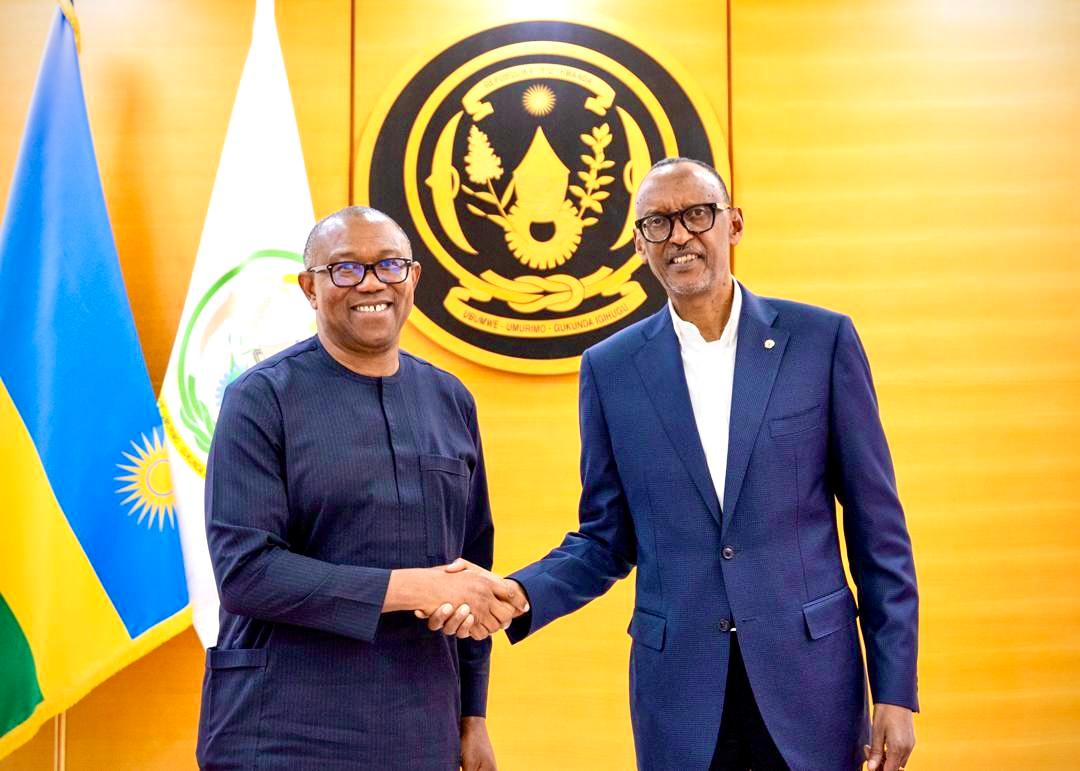
Peter Obi, the Labour Party presidential aspirant and former Governor of Anambra State, recently attended a high-level conference in Kigali, Rwanda, where he joined prominent African leaders to discuss the continent’s challenges and opportunities. The conference, hosted by Rwanda’s President, Paul Kagame, provided a platform for in-depth discussions on critical issues affecting Africa’s future.

Reflecting on his participation, Peter Obi stated, “In pursuit of my desires and soul-searching for solutions to our country’s and continent’s challenges, I was in Kigali, Rwanda, over the weekend. I had several meetings, both planned and impromptu, with notable figures in the development sector. We discussed a wide range of topics, including personal issues, sports, and food insecurity.”

Obi emphasized the need for Africa, particularly Nigeria, to move from a consumption-driven economy to one focused on production. “Most of the comments I heard resonated with my beliefs. Whenever I talk about productivity, I maintain that our productivity is low, and my emphasis remains on our country moving from consumption to production,” he said.

He shared an example provided by the former Prime Minister of Ethiopia, Hailemariam Desalegn, who spoke about Ethiopia’s efforts to close the productivity gap with China. “In their dealings with the Chinese, they found that the Chinese produce 6-7 times more than the Ethiopians could. They decided to act on this. Today, he recounted, ‘I can comfortably say that the average Ethiopian produces 60-70% of what the Chinese can do,'” Obi highlighted.

One of the significant moments of his visit was a productive meeting with Rwanda’s President, Paul Kagame. “At the height of my meetings and engagements was a gracious opportunity to meet with the legendary President Paul Kagame, with whom I had very useful discussions on issues that resonate with me every day, especially on what is required for Africa to move forward,” Obi noted. “He remains committed to the management of scarce resources and serving the people faithfully, which deeply resonates with me.”

Peter Obi also spoke at “The Silver Gala,” organized by the Sherrie Silver Foundation. He expressed optimism for Africa’s future, saying, “While looking around the hall, I saw a continent on the rise, if only we could have the right leadership and invest in the entrepreneurial, innovative energy of our youths.”

Concluding his remarks, Obi stated, “Overall, my experience in Kigali has reinforced my belief that a new Nigeria is possible and that Africa, as a continent, is on the rise and unstoppable.”

Anthony Emeka Nwosu


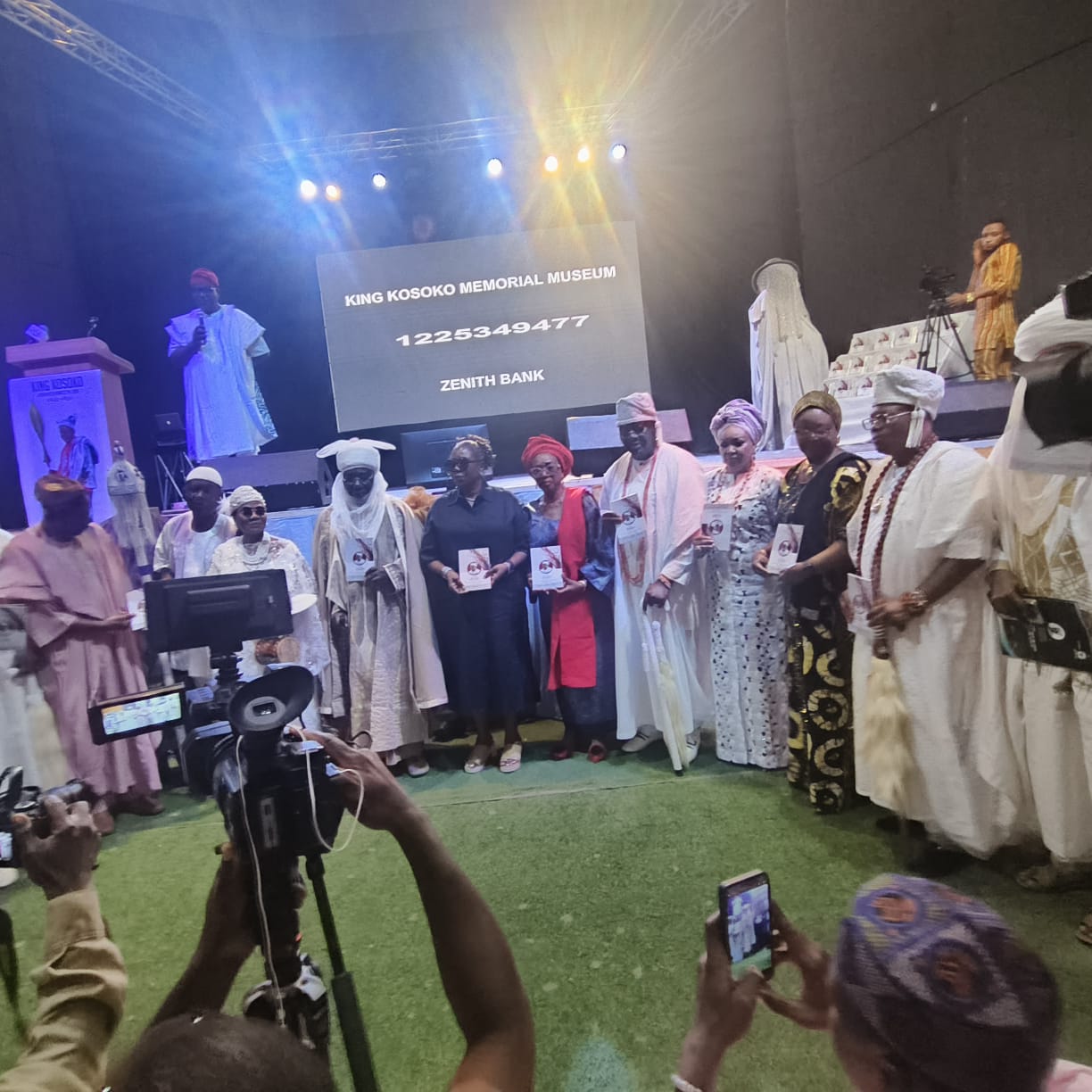
The King Kosoko – The Return 1862 event, held on Lagos Island, was marked by a powerful keynote address from the Honourable Minister of Tourism, Lola Ade-John, who emphasized the enduring legacy of King Kosoko, a notable figure in Nigeria’s history. This annual celebration, which honors the life and leadership of King Kosoko, serves as a poignant reminder of Nigeria’s rich cultural heritage and the vast potential within its tourism sector.

In her speech, Minister Ade-John commended His Royal Highness, Prince Abiola Kosoko, the Oloja of Lagos Elect, for his unwavering dedication to preserving and promoting Nigeria’s cultural traditions. She highlighted the importance of the event, not merely as a historical commemoration but as a platform that fosters unity and instills a sense of national pride among Nigerians.

“King Kosoko’s return in 1862 is a testament to Lagos’ resilience and Nigeria’s enduring spirit,” the Minister stated. “It is our duty to protect and celebrate this rich heritage so it remains alive for future generations.” She underscored the event’s role in preserving the cultural narrative of Lagos and Nigeria at large, connecting the past with the present to inspire future generations.

Minister Ade-John also spotlighted the immense, yet largely untapped, potential of Nigeria’s tourism sector. She pointed out that while tourism contributed nearly 5% to the country’s GDP in 2019, the sector still holds significant room for growth. She advocated for increased focus on domestic tourism, encouraging Nigerians to explore the country’s over 1,000 cultural assets and more than 800 festivals.

“The tourism potential in Nigeria is vast, and events like the King Kosoko celebration showcase our unique culture and history, offering both local and international visitors a glimpse of our greatness,” she remarked.

In her closing remarks, the Minister reaffirmed the Federal Ministry of Tourism’s commitment to advancing Nigeria’s cultural and tourism sectors, aligning with President Bola Ahmed Tinubu’s Renewed Hope Agenda. She expressed gratitude to the event organizers, performers, and all participants for their vital contributions to preserving Nigeria’s cultural heritage.

The King Kosoko – The Return 1862 celebration stands as a vibrant tribute to Nigeria’s past and a call to action for the future, highlighting the nation’s rich history and the boundless opportunities within its cultural and tourism landscape.