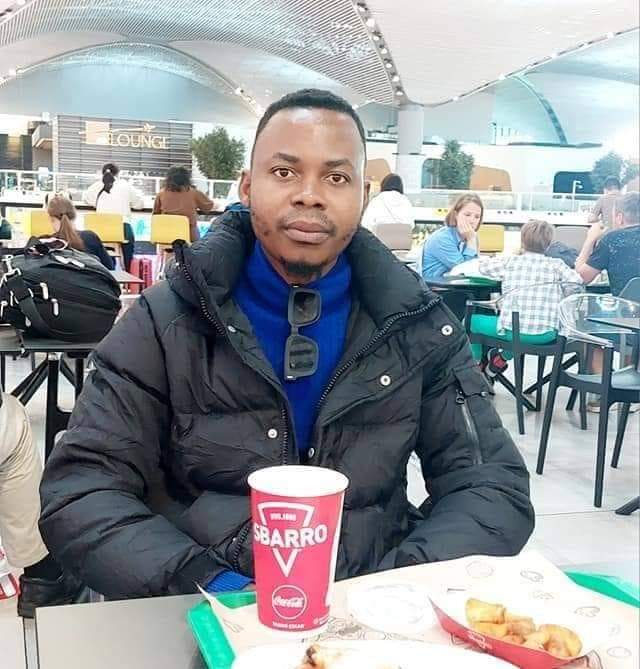
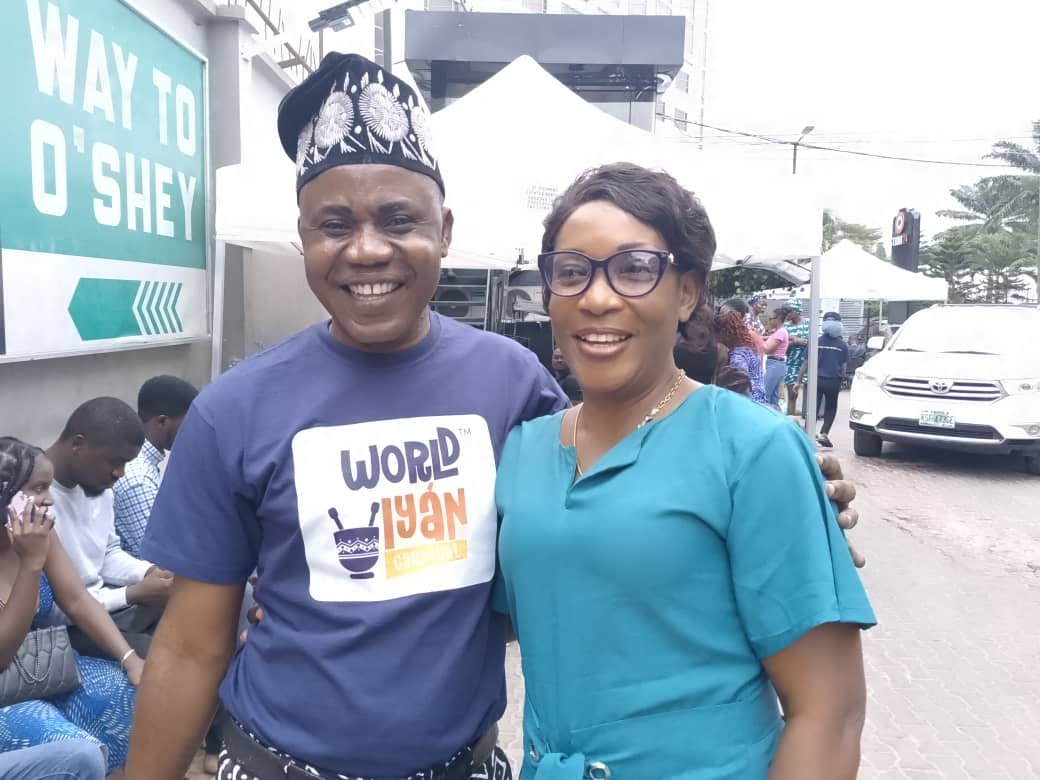
Chi Tola, a respected entrepreneur and farmer, was recently recognized for her vital role in uplifting society during the unveiling of the highly anticipated Satin Iyan Carnival, held at the Iya Place in Ikeja, Lagos. Chi Tola, who attended the event on behalf of her boss, shared her memorable experience with her followers via Facebook, highlighting the cultural richness of the occasion and her interactions with key figures in the business and entertainment sectors.

In her heartfelt message, Chi Tola expressed her delight at being part of the prestigious event. “I was honoured to represent my boss at the unveiling of Satin Iyan Carnival yesterday at the Iya Place in Ikeja. It was a fantastic experience. I can’t remember the last time I ate sitting on the floor, though it was on some very lovely local mats. Everything there was ‘local’—from the ambiance to the food, and the people. It was a refreshing reminder of our cultural heritage,” she shared.May be an image of 2 people, people smiling and text

A Star-Studded Event

The Satin Iyan Carnival unveiling attracted notable personalities from various sectors. Chi Tola recounted meeting several high-profile attendees, including Prince Ade Ajayi, the visionary founder of the Satin Iyan Carnival, and Douglas, a representative from Netflix South Africa. She also reconnected with renowned cultural figure and “Queen Maker,” Monami, as well as Seyi Taiwo-Oguntuase, whom she affectionately referred to as a “lovely sister.” Another highlight for her was reuniting with Itohan Laserian, a prominent figure she described as a “great lady.”

The gathering was an embodiment of the fusion of tradition and modernity, with influential personalities coming together to celebrate a shared love for Nigerian culture, particularly the traditional dish Iyan (pounded yam), which is the centerpiece of the upcoming carnival.

Countdown to the Iyan Carnival

As the unveiling set the stage for the grand event, Chi Tola also reminded her audience of the much-awaited Iyan Carnival, scheduled to take place on December 27th in Ekiti. Known for its celebration of local delicacies, cultural performances, and traditional values, the Iyan Carnival is poised to be a major cultural highlight in Nigeria. Chi Tola humorously remarked, “If you call your relatives in the Caribbean or America on this day and they don’t pick up, go to Ekiti—they are in Nigeria eating Iyan!”

The Satin Iyan Carnival promises to bring together thousands of participants, both local and international, to revel in the rich cultural heritage of Nigeria. Set against the scenic backdrop of Ekiti, the carnival will showcase traditional Nigerian cuisine, arts, and performances, creating an atmosphere of celebration and unity.

May be an image of 4 people and textA Celebration of Nigerian Heritage

Chi Tola’s participation in the event underscores her ongoing commitment to promoting Nigerian culture and values. As an entrepreneur and farmer, she has played an integral role in supporting local communities and fostering sustainable development. Her presence at the Satin Iyan Carnival unveiling further solidifies her status as a cultural ambassador, bridging the gap between tradition and modern entrepreneurship.

With the December 27th event fast approaching, excitement is building for what is expected to be a grand celebration of Nigeria’s rich culinary traditions and vibrant culture.

May be an image of 1 person, smiling and glasses

Chi Tola’s participation in the event underscores her ongoing commitment to promoting Nigerian culture and values. As an entrepreneur and farmer, she has played an integral role in supporting local communities and fostering sustainable development. Her presence at the Satin Iyan Carnival unveiling further solidifies her status as a cultural ambassador, bridging the gap between tradition and modern entrepreneurship.
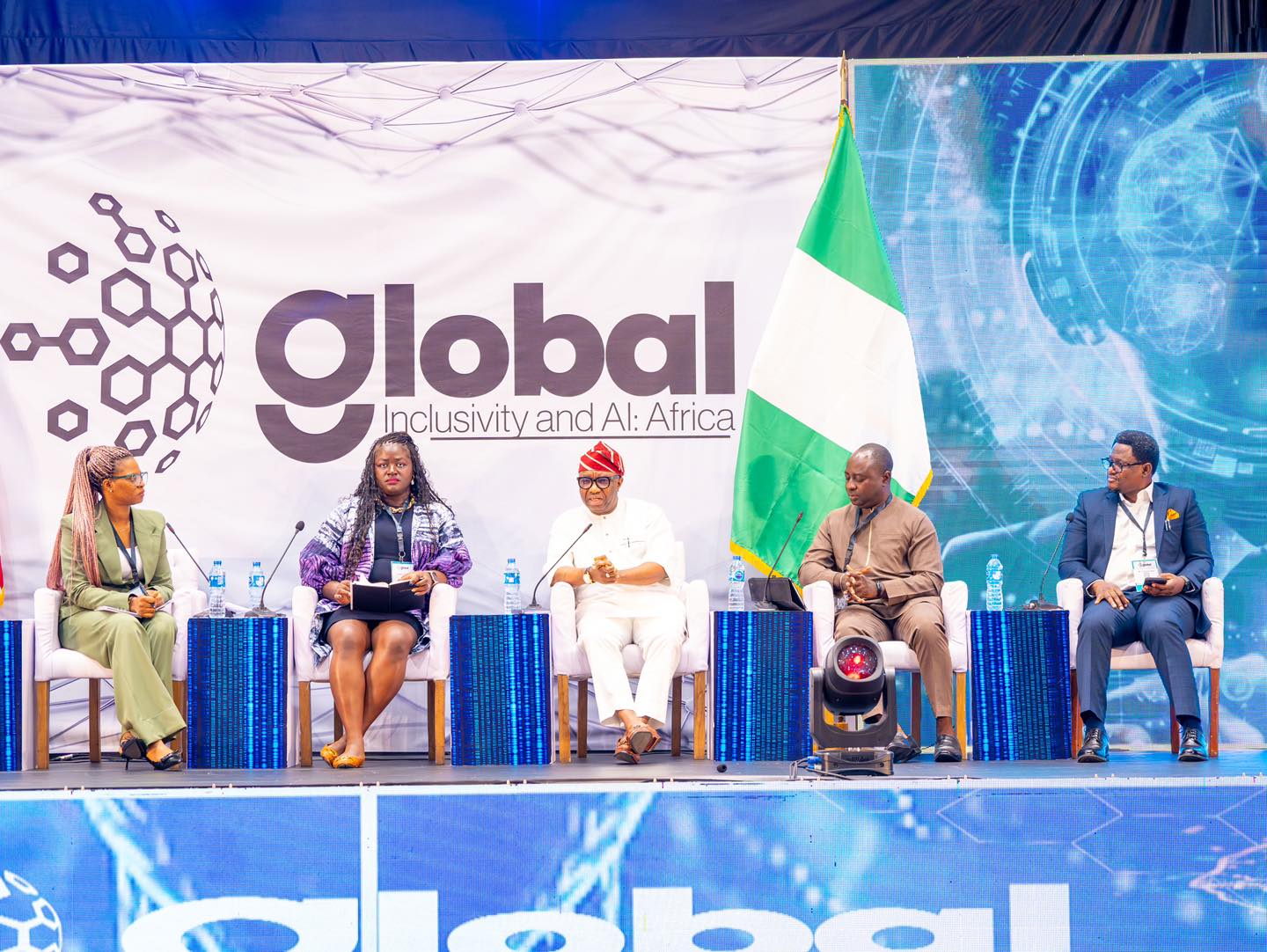
The Global Inclusivity and AI: Africa (GIAA) Conference recently convened in Abuja, drawing over 300 key stakeholders, including government officials from the United States and Nigeria, leaders from the private sector, civil society members, and academic experts. The conference served as a critical platform for discussing the vast opportunities and significant challenges associated with the development, deployment, and governance of artificial intelligence (AI) on the African continent.

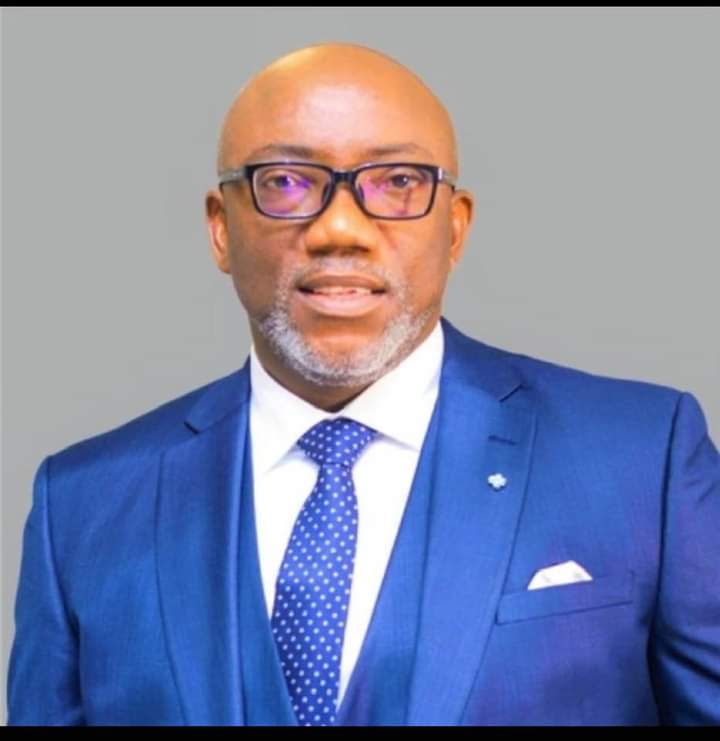
One of the highlights of the event was the participation of Dr. Vincent Olatunji, National Commissioner and CEO of the Nigeria Data Protection Commission (NDPC). As a distinguished panelist during the “Interoperability in AI Governance, Data Protection, and Cybersecurity” session, Dr. Olatunji underscored the growing importance of AI and its impact on socio-economic development, with a particular focus on the crucial role of personal data in driving AI technologies.

Compliance with the Nigeria Data Protection Act

In his address, Dr. Olatunji outlined key steps that organizations must follow to comply with the Nigeria Data Protection Act (NDPA), a legal framework designed to safeguard the privacy and data rights of individuals in the digital era. These steps include the implementation of robust organizational and technical measures, the establishment of clear privacy policies, the appointment of Data Protection Officers (DPOs), mandatory registration with the NDPC, and staff awareness campaigns aimed at fostering a culture of data protection.

“AI thrives on data, and protecting that data is non-negotiable for sustainable development,” Dr. Olatunji remarked. “Organizations must take proactive steps to ensure compliance with data protection laws, as this is crucial not only for the integrity of AI systems but also for the trust of the individuals whose data fuels these systems.”May be an image of 1 person, dais and text

International Cooperation and Collaboration

Beyond national compliance, Dr. Olatunji highlighted the pivotal role of international cooperation in AI governance, data protection, and cybersecurity. He emphasized that collaboration is foundational to ensuring the security of data in AI systems, stressing that AI must be trained to detect and defend against evolving cybersecurity threats. He referenced the Network of Africa Data Protection Authorities (NADPA) and the Global Privacy Assembly as key platforms where countries come together to share insights and strategies on data protection.

“Nigeria is an active member of these international networks, and we are proud to announce that we will be hosting the 2025 edition of the NADPA conference and Annual General Meeting (AGM),” Dr. Olatunji revealed. “This event will bring together data protection authorities and privacy experts from across Africa and beyond, reinforcing Nigeria’s commitment to fostering cooperation in data protection and AI governance.”

The announcement of Nigeria hosting the 2025 NADPA conference marks a significant milestone for the country, as it positions itself as a regional leader in data privacy and protection.

U.S.-Nigeria Partnership on AI Governance

The GIAA Conference also provided a forum for deeper collaboration between Nigeria and the United States in the fields of AI governance and data protection. Stakeholders from both countries engaged in dialogue on how to develop policies and frameworks that not only protect data but also enhance the interoperability of AI systems across borders.

The U.S. delegation at the conference commended Nigeria for its proactive stance on AI governance and data protection. They acknowledged that the growing partnership between both nations in this field will have far-reaching implications, not only for data security but also for economic development, as AI is poised to play a central role in the future of industries ranging from healthcare to financial services.May be an image of 9 people, dais and text

The Road Ahead

As AI continues to evolve, conferences like GIAA are becoming increasingly critical to addressing the ethical, legal, and technical issues surrounding its use. Dr. Olatunji’s participation in the GIAA Conference, along with Nigeria’s upcoming role as host of the 2025 NADPA conference, signals a strong commitment by the country to lead the conversation on AI governance and data protection in Africa.

The discussions at the GIAA Conference underscore the need for a collaborative approach to AI governance, not only within African nations but also in partnership with global players like the U.S. As Dr. Olatunji aptly noted, “The future of AI in Africa will depend on how well we work together to build trust in the systems that rely on personal data.”

The GIAA Conference marked a significant step forward in strengthening the U.S.-Nigeria partnership on AI, ensuring that both nations remain at the forefront of the global dialogue on artificial intelligence, data protection, and cybersecurity.


ANTHONY EMEKA NWOSU


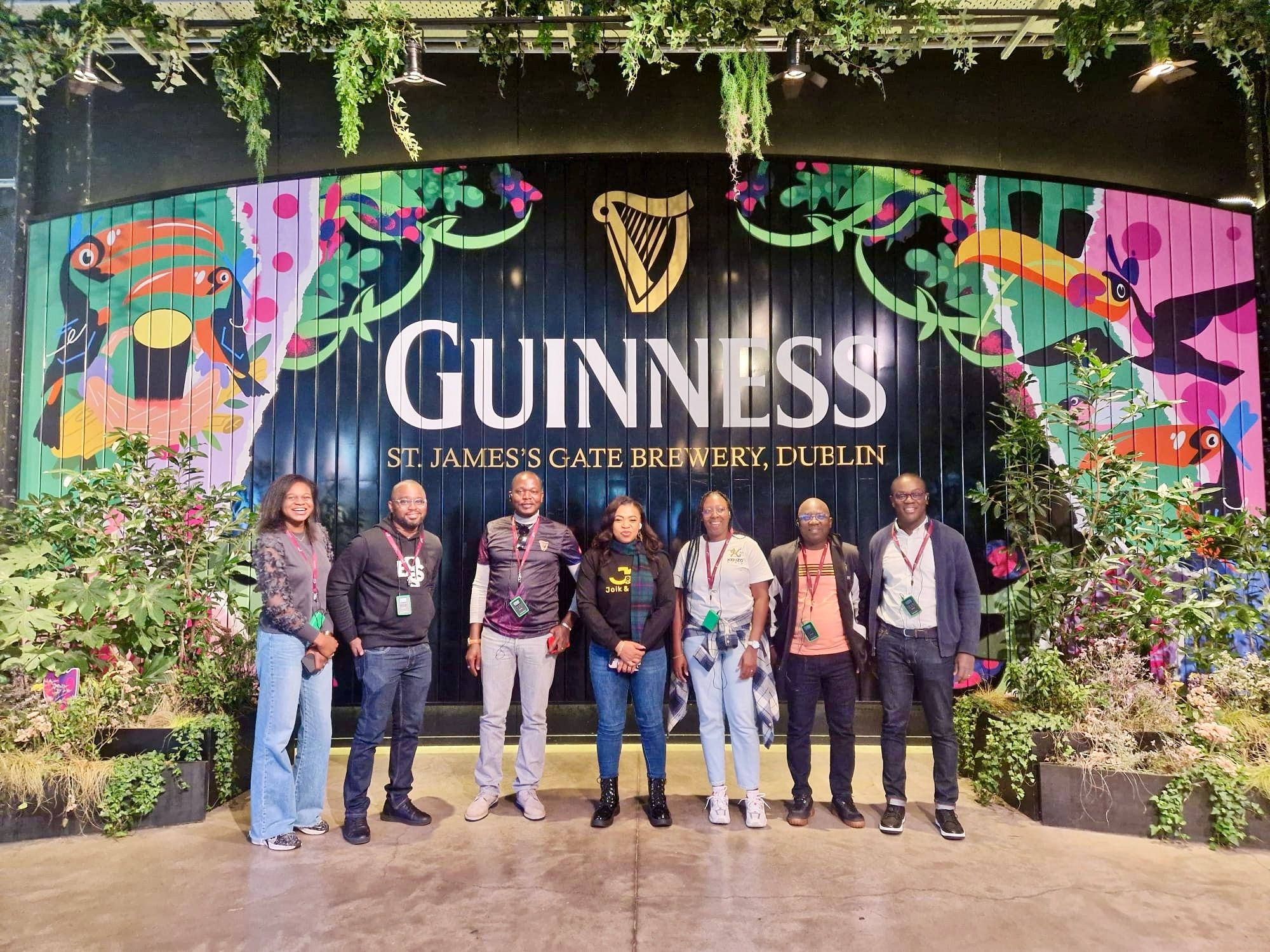
Diageo Africa’s Marketing & Innovations Director, Ifeoma Agu FIMC, recently announced an exciting milestone for Guinness, showcasing the latest Global Brand Ambassadors from Ivory Coast. These top-performing partners, who excelled in the inaugural “Guinness Shines Brightest” incentive program, were honored with an exclusive opportunity to attend the Guinness Masterclass Experience at the Guinness Storehouse in Dublin, Ireland.

This prestigious experience allowed the partners to immerse themselves in the rich history and heritage of Arthur Guinness, gaining firsthand insight into the profound impact of Guinness on communities worldwide. As Ireland’s most visited paid attraction, the Guinness Storehouse provided a unique backdrop for this exceptional journey.No alternative text description for this image

Agu highlighted the strategic importance of partnerships in achieving Diageo’s ambitious goal of establishing Guinness as the leading premium beer across Africa. She expressed excitement about the results from the “Guinness Shines Brightest” program, which was launched in 2023 to celebrate and reward excellence among third-party operator partners. This initiative ensures that the Guinness experience remains consistent and exceptional across all markets.

The winners of this groundbreaking program have returned as Global Guinness Brand Ambassadors, armed with invaluable knowledge and experiences to enhance the Guinness experience in their regions. Their journey reflects Diageo’s ongoing commitment to elevating the Guinness brand and resonating deeply with communities around the globe.

As Diageo looks forward to future editions of the “Guinness Shines Brightest” incentive program, Agu emphasized the company’s dedication to fostering strong partnerships and delivering extraordinary experiences that honor Guinness’s legacy as a global brand with a local heartbeat.

A special thanks was extended to the Guinness Africa Global Brand team, including Michele Mballa Mekongo, Sipora Massoma Moussole, Alvine Nguemo, Grainne Wafer, Mark Sandys, John Musunga, Dayalan Nayager, Debra Crew, and Somnath Dasgupta, for their unparalleled support in making this initiative a success.

The winners of this groundbreaking program have returned as Global Guinness Brand Ambassadors, armed with invaluable knowledge and experiences to enhance the Guinness experience in their regions. Their journey reflects Diageo’s ongoing commitment to elevating the Guinness brand and resonating deeply with communities around the globe.


In a few weeks, Precious Imuwahen Ajoonu, a seasoned Learning and Development (L&D) expert, will receive an award as one of the top 15 L&D professionals in Africa. With over 15 years of experience, Ajoonu’s journey to success has been defined by perseverance, passion, and an unwavering commitment to personal and professional growth.

Recalling her humble beginnings, Ajoonu shared a pivotal moment from a decade ago when she was juggling multiple responsibilities. “I was driving from Badore, Ajah to Magodo with two toddlers, earning less than 100 USD per month,” she reflected. Despite the hardships, including being mocked for her work, Ajoonu pressed forward, balancing her teaching career with a corporate catering business and contributing to Jumia Foods’ (formerly Hellofood) market penetration strategies.

Her persistence paid off. Today, Ajoonu is celebrated for her groundbreaking contributions to the L&D field. She is the creator of the Jobberman Soft Skills Curriculum, a program that has trained over 2 million Nigerians, equipping them with essential skills for the workplace. In addition, Ajoonu played a pivotal role in establishing the John Odigie Oyegun Public Service Academy, which is recognized as one of the best public service academies on both sides of the Atlantic.

Reflecting on her journey, Ajoonu emphasized the importance of consistency, calling it an “underrated superpower.” She acknowledged that success is not immediate and urged others to stay committed, even when the road is tough. “I may not be the most eloquent or intelligent, but I have a python grip when it comes to the things I want. I play the marathon game,” she said, likening her resilience to the enduring spirit of boxing legend Muhammad Ali.

Her message to aspiring professionals is clear: “Talk is cheap, execution is everything. Go do it, like Nike says!” Ajoonu’s story is a testament to the power of persistence, and she encourages others to keep striving toward their goals.

As she prepares to receive her award, Precious Imuwahen Ajoonu stands as a beacon of inspiration, not just for her professional accomplishments but for her relentless dedication to creating positive change in the lives of millions.


Nigeria’s energy sector is currently grappling with significant disruptions following the removal of fuel subsidies by the current administration. This policy shift has led to widespread market changes and subsequent price adjustments, causing a ripple effect across the country. Amidst this evolving crisis, Anayo Nwosu, a seasoned investment banker, has weighed in on the matter, shedding light on the complexities surrounding the current energy situation and the role of the Nigerian National Petroleum Company Limited (NNPCL) in addressing the challenges.

Nwosu emphasized that the price consumers pay for fuel at filling stations is determined by two key factors: the cost of refining the fuel and the cost of transporting it to the final point of sale. Ideally, he explained, residents of Lekki, Victoria Island, Epe, and the broader Lagos region should enjoy lower fuel prices due to their proximity to the Dangote Refinery. The logic behind this is that shorter transportation distances reduce costs, making it cheaper for areas near the refinery to access petrol.

However, the situation is not that straightforward. Allowing Lagos and its surrounding areas to benefit from cheaper fuel prices would inevitably create a disparity in pricing across the country, with fuel becoming more expensive the further one moves from the refinery. Nwosu drew a parallel with the agricultural sector, where products like yams are sold at lower prices near their point of production and become progressively more expensive as they are transported to distant markets. This uneven pricing dynamic is at the heart of the debate regarding fuel distribution.

The key issue now is how to manage these price differences in a way that does not exacerbate the already high levels of inflation in the country. Nwosu pointed out that while the federal government has made it clear that fuel subsidies are gone, there is now a looming question over whether citizens living near the refinery, who endure the environmental and pollution-related impacts of its operations, should effectively subsidize the fuel prices for those living in more distant locations. This would mean that Lagos residents, who deal with tanker congestion, pollution, and other environmental challenges, would be required to shoulder the cost of making fuel more affordable for those in other parts of the country.

Nwosu suggested that a potential solution could lie in improving the logistics of fuel distribution. By utilizing railways, pipelines, and large ships to transport fuel to distant regions, it may be possible to mitigate the price disparities and reduce the financial burden on consumers living far from the refinery. This could help ensure that those in remote areas are not disproportionately affected by high fuel costs while maintaining a more equitable pricing structure nationwide.

Additionally, Nwosu proposed that the federal government should allow Dangote Refinery to sell its products at ex-depot prices, enabling state governments to step in and subsidize fuel for their own citizens if they deem it necessary. This approach would resemble the way states currently handle education subsidies, with each region tailoring its support based on local needs and resources. By doing so, regions that bear the brunt of the environmental and logistical challenges posed by the refinery’s operations could benefit from lower fuel prices, providing some level of compensation for the hardships they face.

In conclusion, Nwosu highlighted the need for a more nuanced approach to fuel pricing in Nigeria, one that balances the needs of both near and distant regions. While the removal of subsidies marks a significant policy shift, it also presents an opportunity for the government and stakeholders to explore innovative solutions that ensure fair and sustainable pricing for all Nigerians. As Nwosu put it, “What do I know?” leaving his insightful remarks open for further discussion on the future of Nigeria’s energy landscape.

By Anthony Emeka Nwosu


The pivotal role of technology and intellectual property rights (IPRs) in nation-building and wealth creation has been emphasized as one of the foremost factors driving sustainable development. This assertion was made by Dr. Barr. Obiageli Edith Amadiobi, Director General and CEO of the National Office for Technology Acquisition and Promotion (NOTAP), during the commemoration of the African Day for Technology and Intellectual Property Rights on September 13, 2024.

In her address, Dr. Amadiobi highlighted the increasing importance of ideas and knowledge as critical tools in international trade relations. She underscored that these instruments are codified in the Trade-Related Aspects of Intellectual Property Rights (TRIPS) under the World Trade Organization (WTO) agreement, to which Nigeria has been a signatory since January 1, 1995.

“The digital era we live in today places knowledge at the center of economic growth,” said Dr. Amadiobi. “The decision by African leaders to declare a day dedicated to the role of technology and IPRs in achieving sustainable development across the continent is a major stride towards a more prosperous Africa.”

This year’s theme, “Leveraging Technology and IPRs to Drive the Renewed Hope Agenda,” reflects the importance of harnessing technological innovations and robust intellectual property frameworks to spur economic growth, foster entrepreneurship, and enhance global competitiveness within African nations.

As the continent continues to evolve, the alignment of technology and intellectual property strategies with development goals will be essential in building resilient economies and securing long-term prosperity.

The NNPC Ltd has released estimated prices of Premium Motor Spirit (PMS), also known as Petrol (obtained from the Dangote Refinery) in its retail stations across the country.

The NNPC Ltd also wishes to state that, in line with the provisions of the Petroleum Industry Act (PIA), PMS prices are not set by Government, but negotiated directly between parties on an arms length.

The NNPC Ltd can confirm that it is paying Dangote Refinery in USD for September 2024 PMS offtake, as Naira transactions will only commence on October 1st, 2024.

The NNPC Ltd assures that if the quoted pricing is disputed, it will be grateful for any discount from the Dangote Refinery, which will be passed on 100% to the general public.

Attached to this statement are the estimated pump prices of PMS (obtained from the Dangote Refinery) across NNPC Retail Stations in the country, based on September 2024 pricing.


Mazi Ogbonnaya Okoro, the pioneer author of a physics textbook in the Igbo language, has made headlines once again, this time for his candid revelations about his experiences in Nigerian universities and the reactions to his scholarship offer in the USA. Okoro, whose groundbreaking work, *Fiziksi*, aimed at promoting Igbo as a medium of instruction in scientific disciplines, has faced both praise and criticism, sparking a national conversation on the importance of indigenous languages in education.

In a heartfelt Facebook post, Okoro shared his frustration with the treatment he received from certain Nigerian academic institutions, especially at Nnamdi Azikiwe University (UNIZIK). He expressed disappointment at being rejected by universities due to his lack of a Master’s or PhD, despite his numerous publications and contributions to Igbo language education. Okoro’s work, which reached international recognition with the *Fiziksi* textbook making its way to the prestigious Library of Congress, has now earned him a scholarship in the United States, a move that has generated mixed reactions.

Many, according to Okoro, who initially dismissed his efforts to write a physics textbook in Igbo and questioned the relevance of the language in scientific education, have now raised concerns that his scholarship might derail his focus on Igbo studies. Okoro lamented the irony of their newfound interest, stating, “The same people who made jest of my creativity and said nobody would read *Fiziksi* are suddenly concerned that Maazị has been provided with a scholarship and might leave the local contents.”

Okoro also recounted the numerous challenges he faced from supposed supporters of the Igbo language, including political and academic elites who failed to endorse or even recognize his work. He described encounters with university heads and state officials who were unwilling to acknowledge his contributions because he did not follow traditional protocols or because his academic background lacked the credentials they deemed necessary.

His post underscored the critical role of promoting indigenous languages in technical fields like physics, pointing out the hypocrisy of those who lament the decline of Igbo while undermining efforts to revitalize it. “Our people go to conferences and sober over how Igbo language is dying, but fight those who have the zeal to make it stand,” Okoro said. He also highlighted the efforts made to suppress his voice in academic circles, particularly during his time at the University of Nigeria Nsukka (UNN) and UNIZIK.

Okoro’s account illustrates the broader struggle faced by those advocating for the use of local languages in education. His work in translating complex scientific concepts into Igbo represents a monumental step towards preserving the language and making it relevant in modern academic discourse. Physics, being a challenging field of study, requires a medium through which learners can fully grasp concepts, and Okoro’s efforts in providing a physics textbook in Igbo is a testament to his commitment to linguistic and cultural preservation.

However, Okoro’s scholarship in the USA, a country far removed from the challenges he faced at home, has now raised questions. He has faced unsolicited advice from individuals warning him to be wary of foreign interests, with some fearing that the scholarship might be an attempt to dilute his focus on local content. Okoro, however, dismissed such concerns, stating that he would always go where he is valued and respected, and called out the hypocrisy of those who offered no support when he needed it the most.

“Any reasonable human goes to where he is valued and respected,” he wrote. Okoro also made it clear that his passion for promoting the Igbo language would not waver, regardless of where he found himself. His defiance against those who sought to diminish his work stands as a powerful reminder of the importance of supporting indigenous languages in all areas of education, particularly in the sciences.

As Okoro continues his journey, his story is one of resilience and determination. The importance of indigenous languages like Igbo in technical education cannot be overstated, and the success of projects like *Fiziksi* serves as a model for how other languages across Nigeria can be integrated into academic disciplines. While Okoro’s future remains bright with his new scholarship, his experiences at home continue to highlight the challenges faced by those committed to advancing local languages in the academic and scientific arenas.

Mazi Ogbonnaya Okoro’s work represents not just a victory for Igbo but for all Nigerian languages, proving that local content can indeed thrive in global spaces if given the right support. His *Fiziksi* textbook is a milestone in education, symbolizing the need to embrace linguistic diversity in our academic institutions, both in Nigeria and beyond.


By

Anthony Emeka Nwosu


Former Vice President of Nigeria, Prof. Yemi Osinbajo, has called for a unified Africa where diversity is embraced and the continent’s strength is harnessed for the collective good. Reflecting on his personal experience on July 16, 2022, during a surgery on his right femur, Osinbajo shared how the medical team attending to him came from different regions and backgrounds across Nigeria. For him, this experience symbolized what Africa could and should be—a homeland where merit and dedication are prioritized over divisions of ethnicity, religion, or region.

As Prof. Osinbajo lay on the operating table, awaiting the effects of general anesthesia, he was struck by the fact that the people in whose hands his life rested came from diverse backgrounds. It did not matter where they came from or what faith they practiced; what mattered was their skill and commitment to the task. This, he emphasized, is the model for the kind of society we need to build across Africa—one that transcends narrow identities and recognizes the value of every individual’s contribution to our shared success.

However, Prof. Osinbajo lamented the continued exploitation of ethnic, religious, and regional differences in African politics. He pointed out that the subjugation of merit to prejudice is not only harmful but also counterproductive. Such divisiveness robs Africa of its best talent, ideas, and solutions—factors essential for progress and development.

“As our communities across Africa become more diverse, it is crucial that we embrace this diversity and reject any attempts to divide us along lines of identity,” he said. Prof. Osinbajo’s vision is for an Africa where unity is based not just on tolerance, but on the recognition that diversity is the continent’s greatest strength. A unified Africa, he argued, would be one where every individual feels at home, has a voice, and is invested in the continent’s future.

In his impassioned plea, Prof. Osinbajo urged Africans to commit to building a continent bound together by common humanity and shared hope for a better tomorrow. A homeland for all Africans—where opportunity, merit, and the collective good prevail over divisions—is not just a dream but a necessity for the future.

He ended with a call to action, urging leaders, policymakers, and citizens to work towards this vision of unity. “Let us commit to this vision of a united Africa, where we are bound together by our common humanity and our shared hope for a better tomorrow.”

Anthony Emeka Nwossu


In a major development for grassroots sports in Nigeria, Funmilola Abiola-Oyewole (ACIM), a seasoned professional in brand building, management, and digital marketing, has announced her appointment as the new MILO Sports Marketing Manager at Nestlé. The announcement marks a significant step for both her career and the future of sports in the country.

While many may view this as simply a new title, Funmilola emphasizes the broader implications of the role, particularly in the context of Nigerian sports. MILO has been a long-standing champion of grassroots sports, and its flagship event, the MILO Schools Basketball Championship, recently concluded its 24th edition. The tournament has consistently promoted inclusivity, with the last two editions showcasing the talents of children with special needs during the National Finals.

“MILO isn’t just hosting tournaments; it’s leading a movement that’s pushing the boundaries of inclusion in Nigerian sports,” Funmilola remarked, underscoring the significance of her new position. Her focus extends beyond the championships to addressing broader challenges in Nigerian sports, such as the low turnout at this year’s Olympics. “There’s clearly much work to be done in terms of awareness, education, and access to sports,” she stated.

As MILO Sports Marketing Manager, Funmilola will spearhead grassroots programs aimed at making sports more accessible to children across Nigeria. She will also be at the forefront of developing strategic partnerships and collaborations that will shape the future of sports development in the country. MILO’s vision is to instill core values like confidence, discipline, teamwork, and respect through sports—skills that benefit children both on and off the field.

With a clear mission to drive sports education and foster greater participation, Funmilola is optimistic about the potential for lasting impact. “I’m excited about the journey ahead and I’m counting on your support as we work together to make a difference in Nigerian sports,” she said.

Her new role at Nestlé signals not just a personal career milestone but a significant commitment to advancing the sporting landscape in Nigeria, ensuring that every child has the opportunity to learn, grow, and succeed through the power of sports.