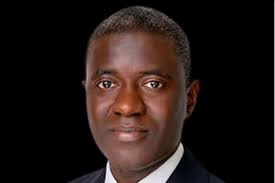

In a recent appearance on the entertainment program, *The Reel Talk*, Foxwitz Chamberlain shared a profound and thought-provoking reflection on life, money, pleasure, and moral responsibility. With raw honesty, the celebrity discussed the complexities of human nature, the pursuit of happiness, and the dangers of excess.

“Sometimes, we give birth to children. Sometimes children go through rebirths on their own. Other times, evil seeds just have got to manifest till it’s done. Whose fault is it? I don’t know,” Chamberlain said, opening the discussion with a somber reflection on personal responsibility and the unpredictability of life.

He touched on the insatiable pursuit of wealth, noting that “sometimes, money is the goal. But then, when money is just too much, something else becomes the goal. What is it? Nobody knows till they get there.” In his view, the endless chase for more can lead to destructive behaviors, as individuals search for fulfillment beyond material success.

Chamberlain warned about the temptations that come with such pursuits: “Sometimes pleasure would distract. Then drugs. Then plenty more sexual deviances. Then, you get to the zenith of it all, and all the fun things become boring. What else do you do to sustain the feelings of euphoria?” He suggested that once people reach a point of excess, the pleasures that once thrilled them no longer suffice, often leading them down darker paths.

The actor emphasized the lack of a clear moral compass in society, noting, “There is no moral high ground anywhere. Or, no one has really found out what anything really means. Most human beings are just bumbling about till the time is up.” He expressed a desire for a simpler, more meaningful existence, one grounded in contentment and personal responsibility.

“I don’t want too much. I just want to consistently and properly take care of things that are in my place to take care of, to be as happy as I can be,” Chamberlain stated, underscoring the importance of balance in life. He shared his hope to leave a positive impact, using his talents to plant “good seeds” and contribute meaningfully to the world, even if it’s just through his words.

Most poignantly, Chamberlain reflected on the future he envisions for his children, saying, “I just don’t want to give birth to children that would destroy anyone’s life. I just want my sons to be decent human beings who always think about their mortality and know that whatever blessings they’d have in life are just so that others would be blessed through them.”

Chamberlain concluded with a powerful takeaway: “Ultimately, the lesson is, excesses always have a bad ending. It’s only a matter of time.” His candid remarks offer a sobering reminder of the dangers of unchecked desires and the value of living with purpose and moderation.
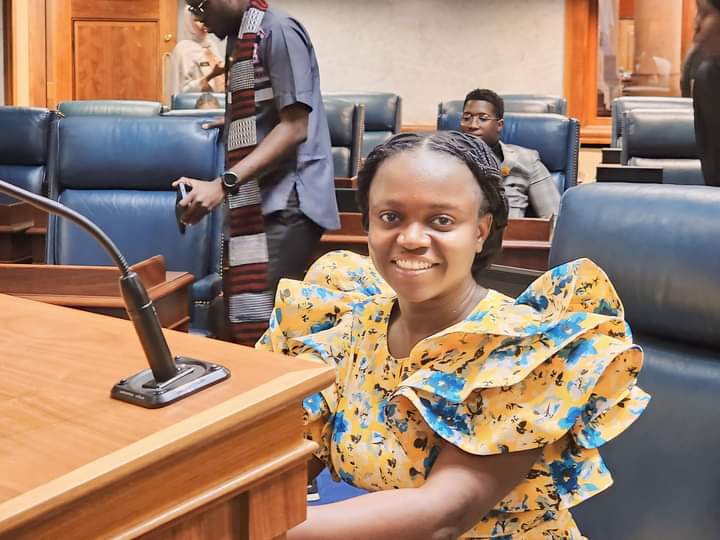

 

Engr. Roberta Edu, CEO of Moppet, a leading producer of natural and organic baby formulas, has shared insights into the integral role that faith and church have played in her personal and professional journey. Speaking on society and religion, she emphasized the importance of church as a source of motivation and strength throughout her life.

“Going to church has been an integral part of my life, journey, and success,” Edu stated. “As much as we talk about religious issues, we should also highlight its success stories. Before motivational speakers and easy access to content, church was the platform where we could connect, receive the urge to forge ahead, build resilience, and tap into our inner power to achieve great things.”

Edu pointed to one Bible story that has remained particularly influential in her life—the parable of the ten virgins. “I love Jesus’ stories; if you follow his personal accounts, you will be highly inspired. The story of the ten virgins speaks to being prepared, building resilience, and being ready for opportunities even before they come. That’s been a guiding principle in my life.”

A regular churchgoer, Edu explained her approach to prayer and faith. “I go to church every Sunday, and I don’t ask God for a miracle. I don’t ask Him to cheat my brother or sister to bless me. Instead, I ask for wisdom to do the things that will allow me to build a strong foundation. I ask to be reminded of what I must do today for a brighter tomorrow, for strength to persevere, and for direction in my path. I want my blessings to be worth it. And the Lord has continually done this.”

Reflecting on her experiences after completing her program at Purdue University, Edu revealed that she was the only one among her peers to secure well-paying opportunities. “I wasn’t just ready for opportunities; I took advantage of them all,” she said.

As she looks to the future, Edu continues to rely on her faith for guidance. “Today, I am here again in the presence of God, asking for direction and guidance in my next path, my next breakthrough.”

Ending on a reflective note, she asked, “What are you praying to God for today?”


Anthony Emeka Nwosu


Seychelles, a small island nation in the Indian Ocean, continues to hold its place as Africa’s second most developed country, boasting remarkable achievements across various sectors. Despite its modest population of just 108,000, Seychelles has set several continental records, making it a standout among African nations.

With Africa’s highest minimum wage at $460 per month, Seychelles ensures a solid standard of living for its citizens. The country also boasts the highest literacy rate on the continent at 95.9%, a reflection of its well-established educational system. In addition, Seychelles has Africa’s highest GDP per capita, further demonstrating its economic strength.

Healthcare is another key area of success, with Seychelles providing free medical services to all its citizens. The nation has also achieved a 100% electricity coverage, ensuring all residents have access to power.

One of Seychelles’ most notable distinctions is its passport power. Its citizens enjoy visa-free or visa-on-arrival access to 156 countries and territories, making it the most powerful passport in Africa.

With an unemployment rate of just 3%, the country enjoys near full employment, further contributing to its high standard of living. However, Seychelles’ small population makes it rare to encounter Seychellois citizens in mainland Africa.

As one of the least populated nations on the continent, Seychelles continues to serve as a model of development and governance, offering a glimpse of what is possible in the broader African context.


Former Zamfara State Governor and current Senator representing Zamfara West Senatorial District, His Excellency Abdulaziz Abubakar Yari, has advised Governor Dauda Lawal to focus on the pressing issues of governance, particularly the escalating insecurity in the state, rather than engaging in a blame game against his predecessor, Bello Matawalle.

Senator Yari emphasized that insecurity in Zamfara is a long-standing challenge that previous administrations, including his own and Matawalle’s, have grappled with. He urged Governor Lawal to channel his efforts into finding lasting solutions rather than directing unguarded remarks and accusations towards Matawalle, who, according to Yari, made substantial efforts during his tenure to address the issue of banditry.

Yari, who served as Zamfara’s governor for eight years, reflected on the security challenges he faced during his administration, noting that he was the first governor in the state to confront the severe and rapidly escalating threat of banditry. Despite the enormity of the challenge, Yari explained that he took decisive steps to mitigate the situation, implementing policies aimed at stabilizing the region. He pointed out that security issues in Zamfara are complex and require a multifaceted approach, which he tried to pursue, even though the results were not as immediate as expected.

According to Yari, Governor Matawalle, who succeeded him, also inherited these deep-rooted security issues and took a different approach by engaging with the leadership of various bandit groups in the state in an effort to negotiate peace. Yari commended Matawalle’s reconciliation strategy, noting that it mirrored approaches taken by other northern governors who faced similar crises in the north-western region of Nigeria. He urged Governor Lawal to consider adopting a similar path, stressing that the issue of banditry cannot be solved through blame or rhetoric but through pragmatic and inclusive measures.

Yari further advised Governor Lawal to convene a meeting of key stakeholders in Zamfara State to seek practical advice, collaboration, and support in tackling the insecurity that continues to plague the region. He expressed that these stakeholders, comprising security experts, traditional leaders, community representatives, and political figures, would bring valuable insights and suggestions that could help mitigate the current crisis. The Senator was clear in his message that casting blame on past administrations will not solve the issue and may only distract from the urgent task of restoring peace and stability.

In addressing recent criticisms aimed at Bello Matawalle, now serving as Minister of State for Defense, Yari expressed concern over attempts to undermine the former governor’s contributions. He argued that Matawalle has continued to serve the nation in his new role and has been making efforts to support national security within the scope of his responsibilities. Yari urged Zamfara’s political leadership and the general public to view Matawalle as a representative of the state at the federal level and to give him the support necessary for him to succeed in his role.

In a broader appeal, Senator Yari called for unity among Zamfara’s political class. He cautioned against the continuous political bickering, which he said could hinder the development and progress of the state. Yari stressed the importance of setting aside partisan differences in favor of collaborative efforts aimed at resolving the state’s challenges, particularly in the area of security, which is critical for economic growth and social cohesion.

In conclusion, Yari underscored that the current administration, like those before it, faces a monumental task in addressing Zamfara’s security issues. He urged Governor Lawal to take proactive steps and lead with a sense of responsibility and inclusiveness, reminding him that the people of Zamfara expect action, not accusations, to bring about peace and prosperity in the state.

Idris Ali
Media Analyst


For many Africans living abroad, building a large house back home is a cherished dream, often seen as a symbol of success. However, I would argue that the real beneficiaries of these properties are not the owners but the caretakers who reside in them year-round.

It’s a common scenario: an African, working and living overseas, invests heavily in constructing a grand house back home, a house they may only visit once a year for a few weeks. Meanwhile, the caretaker enjoys the house daily, living in its beauty and comfort from the moment of completion. The owner, on the other hand, returns 10 or 15 years later, often to find that the property’s appeal has faded with time, leaving them with a depreciated asset.

Why do so many of us build these elaborate homes when we are hardly ever around to enjoy them? Society pressures us into thinking that owning a house back home is a must, that it somehow validates our success abroad. Yet, in reality, we are spending vast amounts of money on properties we hardly use, while someone else benefits from our hard-earned investment.

It baffles me even more when people build houses far too big for their needs. A family of three or four, constructing a nine-bedroom mansion that remains mostly empty. Who are those extra rooms for? Ghosts? Meanwhile, the cost of maintaining such a large property becomes a financial burden, draining resources that could be used for more practical purposes.

  • Would anyone go out and buy ten doughnuts only to eat three and throw away the rest, simply because they can? Then why do the same with houses?

I know someone who has been building a 12-bedroom house in his village for nine years. He rents a small room in the U.S., working long hours and funneling his savings into this grand project. The mansion is already outdated in design, and at the current pace, it will take another five years to finish—if he ever finishes it. He dreams of one day returning home to live in it, but the reality is, he might never get the chance.

The truth is, life doesn’t always go according to plan. I once heard about a 43-year-old man who died unexpectedly in the U.S. He had been working tirelessly to build a nine-bedroom house back home. Sadly, he never got to see it completed, and after his death, his family sold the property because it was too large for them to manage.

Too often, Africans abroad build these houses to project a certain image or impress people back home, forgetting to live in the moment. They envision themselves enjoying these grand homes in retirement, but who are they really trying to impress at 65 or 70? By then, they’ll be more concerned with their health than with maintaining a sprawling mansion. How many elderly people can even climb the stairs in a 12-bedroom house?

In contrast, many Westerners downsize their homes as they age, opting for smaller, more manageable spaces. Yet, we seem determined to live modestly while we’re young and energetic, only to aspire to live extravagantly when we’re old and frail.

It’s important to plan for the future, but we must do so wisely. The only guarantee we have is the present moment. While it’s prudent to invest in tomorrow, it shouldn’t come at the expense of living a balanced and meaningful life today.

By Chris-Vincent Agyapong.


The Human Rights Writers Association of Nigeria (HURIWA) has described the Honourable Minister of State for Defence H.E. Dr. Bello Mohammed Matawalle MON, as a great performer and achiever, citing records in the public domain to justify its claim.

Recently, Governor Dauda Lawal criticized Matawalle for allegedly leaving the State’s treasury in disarray, claiming over N250 billion was unaccounted for upon taking office. However, HURIWA dismissed Lawal’s claims as baseless and lacking concrete evidence, labeling them as an attempt to tarnish Matawalle’s reputation.

HURIWA highlighted Matawalle’s notable achievements during his tenure as governor, including:

– *Infrastructure Development*: Construction of an airport, roads, and healthcare facilities across Zamfara State.
– *Security Infrastructure*: Purchase of Hilux vehicles and ambulances, installation of solar-powered street lights in the state capital.
– *Healthcare*: Construction of primary healthcare centers in all 147 wards, significant investments in education.
– *Economic Development*: Settlement of backlogs of payments for NECO and WAEC examinations.

These achievements stand in stark contrast to Governor Lawal’s administration, which has faced controversies over frivolous spending and accusations of corruption.

The rights group also highlighted reports that Governor Lawal’s administration approved N19 billion for the procurement of kitchen equipment for the office of the First Lady, Huriyya Dauda Lawal, a move that has sparked outrage among citizens. Critics have condemned the extravagant spending amid widespread poverty and displacement in the State. HURIWA questioned the transparency and accountability of such an expenditure, especially when juxtaposed with the achievements of Matawalle’s administration.

HURIWA also stressed the need for accountability and transparency in government spending, particularly concerning the questionable ₦19 billion kitchen equipment expenditure.

During Matawalle’s tenure as Governor, Zamfara State received N354 billion in revenue, with N136 billion, 800 million spent on salaries and allowances. The remaining balance of N109 billion, 829 million was utilized for capital projects, including:
– *Security*: Purchase of 200 Hilux security vehicles, armoured security vehicles, ambulances, and drones.
– *Healthcare*: Construction of special primary health centers, general hospitals, and primary healthcare centers.
– *Infrastructure*: Cargo airport, solar electricity installation, state liaison offices, governors’ lodges, and township roads.

HURIWA questions the transparency and accountability of Governor Lawal’s administration, urging him to provide empirical evidence to support his claims.

Comrade Emmanuel Onwubiko
National Coordinator Human Rights Writers Association of Nigeria (HURIWA)


In a bold step to advance Nigeria’s telecommunications sector, the Nigerian Communications Commission (NCC) has outlined a strategic blueprint designed to improve service delivery. The plan, which focuses on knowledge-based policies, infrastructure, innovation, entrepreneurship, capital, and trade, is expected to revolutionize the telecom industry and enhance connectivity nationwide.

While addressing stakeholders at a consultation meeting, Aminu Maida, the Executive Vice Chairman (EVC) of the NCC, emphasized the importance of collaboration and industry participation in the regulatory process. He stated, *“In line with one of the key factors on collaboration as outlined in our focus areas, and the Commission’s traditionally institutionalized policy of participatory regulation, we are here again to elicit your comments and inputs on the use of the 6GHz band for Wi-Fi 6 and International Mobile Telecommunications (IMT).”

Maida further elaborated on the significance of global best practices in shaping the Commission’s decisions, saying, “We sincerely believe that our actions must be guided by decisions that take into cognizance the inputs from all stakeholders in the industry.”He explained that the 6GHz band, which spans from 5925 MHz to 7125 MHz, offers a substantial increase in available spectrum, vital for supporting the growing demand for high-speed internet and advanced applications.

Wi-Fi continues to play a crucial role in delivering broadband connectivity in homes and offices. However, Maida noted that the current 5GHz and 2.4GHz bands are becoming congested due to increased demand. He stressed the need for alternative frequency bands, stating, “It is, therefore, imperative to identify other frequency bands to complement the 5GHz and 2.4GHz bands.”

The EVC also referenced the recent 2023 World Radiocommunications Conference (WRC-23), where the 6GHz band was allocated for Wi-Fi and IMT applications. This decision followed a comprehensive study cycle and extensive consultations, leading to recommendations on how to optimally use the spectrum.

In concluding his address, Maida welcomed participants to the consultation, encouraging them to provide valuable input that would guide the NCC in making informed decisions. He remarked, “Today, we present to you our thoughts and recommendations on the use of the spectrum band to get your feedback for informed decision-making. I welcome you all and wish you fruitful deliberations.”

The NCC’s efforts reflect its commitment to maintaining a dynamic regulatory environment that supports innovation, improved service delivery, and global standards in the Nigerian telecommunications industry.


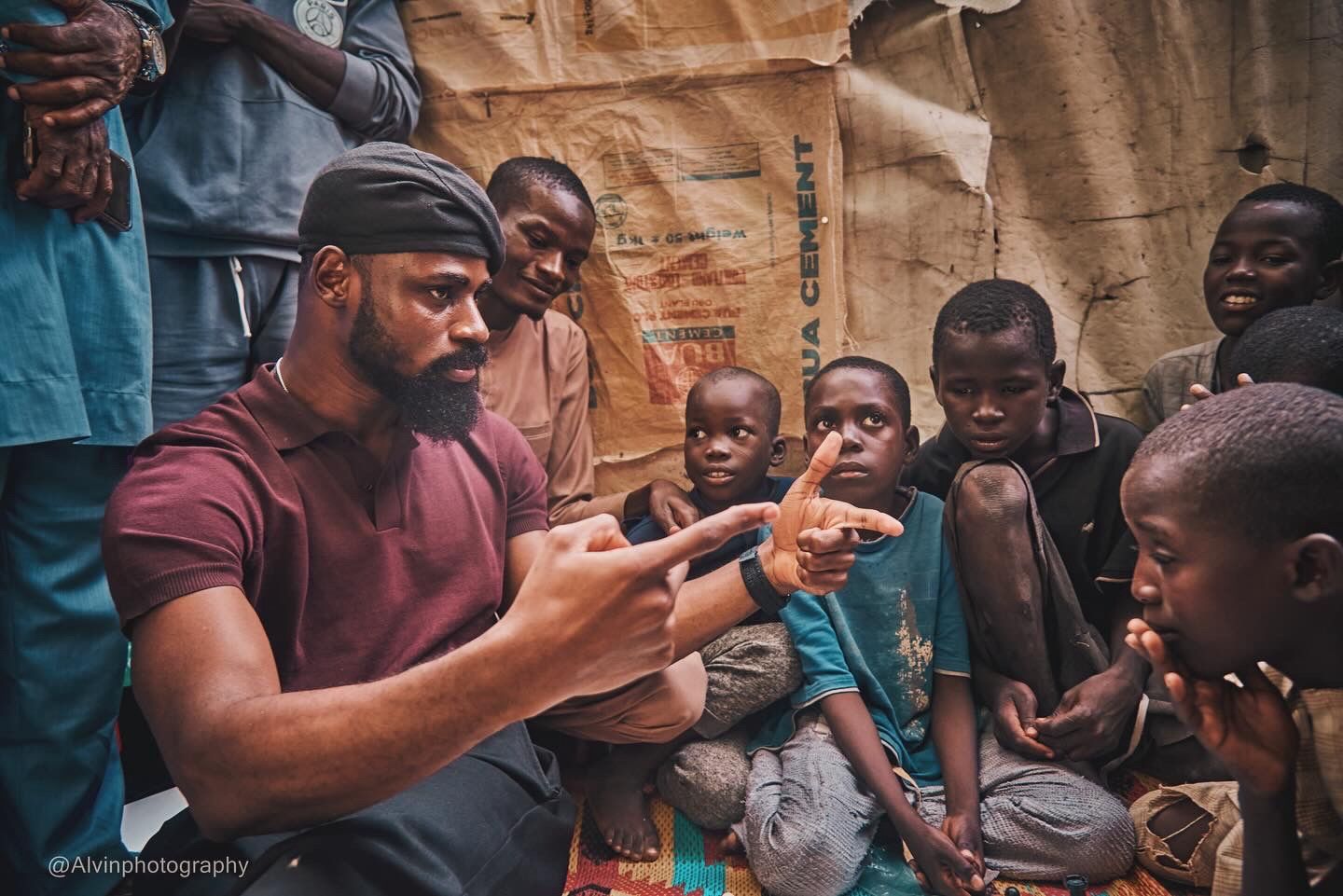
Tunde Onakoya, the visionary Founder of Chess in Slums Africa, has unveiled an ambitious plan aimed at transforming the lives of thousands of vulnerable children in Nigeria. With a focus on those living in Internally Displaced Persons (IDP) camps, the initiative will use chess as a platform for education and empowerment, reaching 10,000 out-of-school children across Northern Nigeria. The project, which will officially kick off next year, is part of a strategic partnership with the NAFOM Chess Club in Maiduguri, Borno State. Through a combination of chess, critical thinking, literacy, and numeracy programs, Onakoya aims to provide these children with the tools to take control of their futures.

Onakoya, who has been at the forefront of using chess as a vehicle for social change, recently shared his experiences of teaching chess to children in vastly different environments. Reflecting on the universal potential of young minds, he emphasized the importance of equal opportunity for all, regardless of background.

“I’ve had the privilege of teaching chess to children at the prestigious Martial Chess Club in New York, surrounded by some of the brightest chess and math minds in the world. Recently, I also taught chess to children with no formal education in an IDP camp in Maiduguri, Borno State. And let me tell you, both groups—regardless of background—grasped the intricate fundamentals of chess with equal brilliance. Talent is universal, but opportunity is not,” Onakoya explained.

This comparison of children from a world-renowned chess club and those living in makeshift camps highlights the stark contrast in opportunities available to young people, depending on their circumstances. The plight of Nigeria’s out-of-school children—estimated at over 20 million—has become a crisis that Onakoya is determined to address.No alternative text description for this image

“It breaks my heart that over 20 million children in Nigeria are out of school, deprived of the chance to unlock their potential. These children deserve more than just survival—they deserve the tools to build a future. We cannot stand idly by and let them believe there is no hope,” he said, calling for urgent action to provide these children with the resources they need to thrive.

The newly announced project in collaboration with NAFOM Chess Club Maiduguri is set to make a significant impact. By integrating chess with foundational education programs, Onakoya and his team aim to foster not only strategic thinking but also essential skills that can serve as a stepping stone for these children’s futures. The initiative is centered around chess as a tool for developing critical thinking, problem-solving, and resilience—skills that will empower children to take charge of their own destinies.

“Through chess, critical thinking, and basic literacy and numeracy programs, we will open doors for these children to take control of their future,” Onakoya elaborated. The partnership aims to create a supportive learning environment in IDP camps, where these children—many of whom have experienced displacement and hardship—can develop the confidence and skills they need to succeed.

Although the project’s full launch is slated for next year, Onakoya and his team are already laying the foundation for its success. Plans are being put in place to ensure that the program is comprehensive, sustainable, and capable of creating long-term, transformative change. “We are putting together a comprehensive plan to bring this vision to life,” he noted, emphasizing the strategic groundwork being laid.

As Chess in Slums Africa prepares to embark on this groundbreaking initiative, Onakoya’s message is one of hope and empowerment. “Together, we can create real, lasting change for these children. Let’s be the difference they need,” he urged, calling on communities and stakeholders to support this vital cause.

This new initiative builds on Chess in Slums Africa’s proven track record of using chess as a catalyst for social impact, especially in underserved communities. By unlocking the potential of out-of-school children through chess and education, the organization continues to demonstrate that, with the right opportunities, these young minds can achieve greatness, no matter their circumstances.


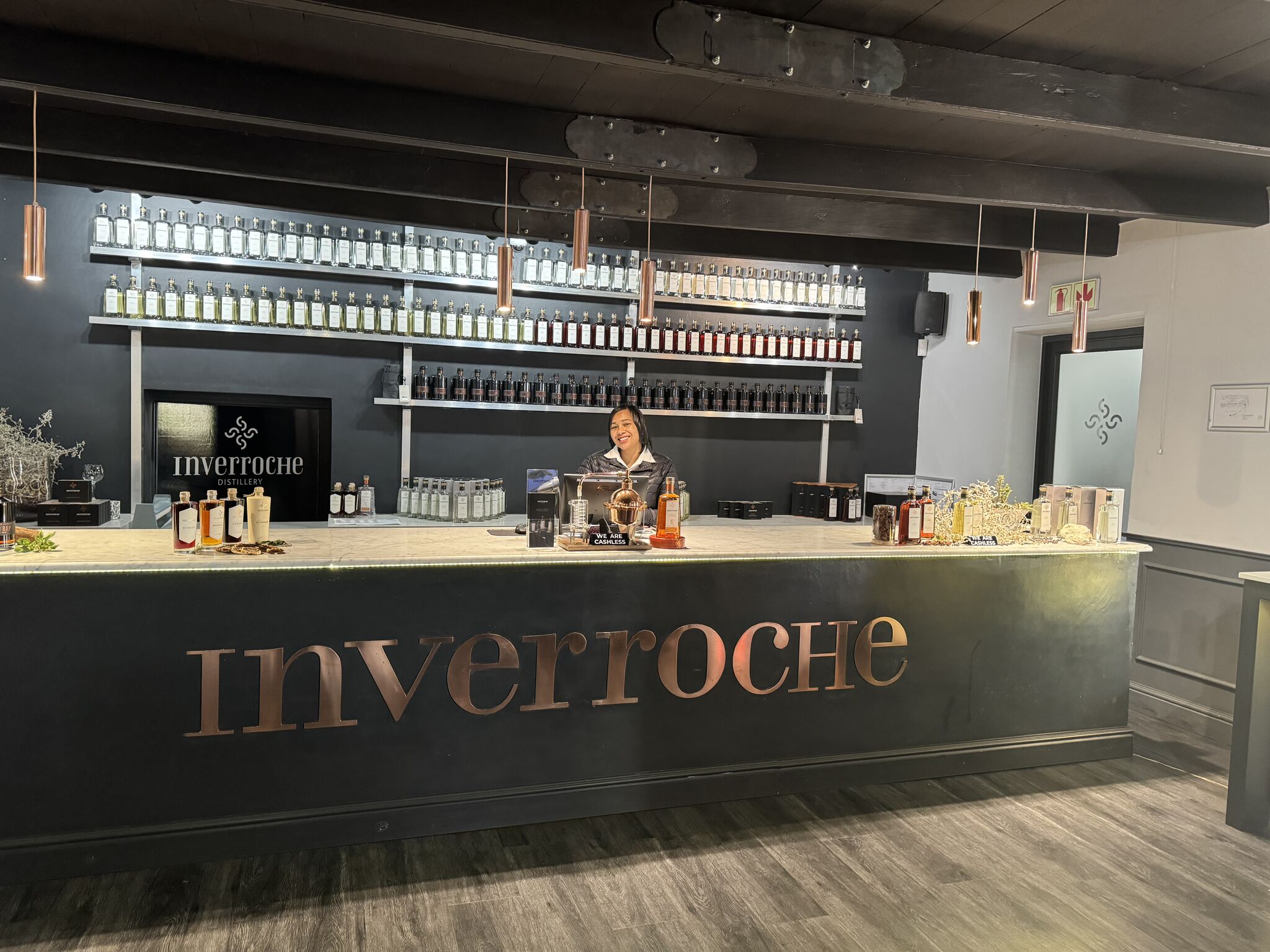
Sola Oke, Managing Director of Pernod Ricard West Africa, has expressed his optimism about the future of African brands, highlighting the potential of Inverroche, Africa’s first luxury gin, to make a lasting global impact. Reflecting on his recent visit to the Inverroche Brand Home and Distillery in Stilbaai, South Africa, Oke shared his insights on the growth of the brand and its plans for the future, emphasizing the significance of its authentic African heritage.

“Earlier this week, I had the privilege of spending time at our Inverroche Brand Home and Distillery in Stilbaai. Witnessing the immense transformation over the past few years was truly enlightening. The discussions with the team about future plans revealed the limitless possibilities that lie ahead for this uniquely African brand,” Oke stated.No alternative text description for this image

Inverroche was founded by Lorna Scott and her son, Rohan, around their kitchen table in their home, which still serves as the brand’s headquarters today. The distillery, which sources its key ingredients from the rich biodiversity of the Cape Floral Kingdom, has become a symbol of luxury and innovation on the continent. “Our commitment to using Fynbos, a unique plant found in the Cape region, and growing some of the ingredients ourselves ensures a true farm-to-glass experience,” Oke explained.

The Inverroche story is brought to life by a dedicated team, 70% of whom are indigenous women from the Stilbaai region. These women play pivotal roles in every aspect of the distillery’s operations, from production to brand management. “Our team is made up of incredible women, including our Master Distiller, Andrea; our Brand Home Director, Tracy; Mariete, who oversees our labels; and Annalise, our home host who gave us a fantastic educational tour. Their dedication and passion ensure that the Inverroche story is told every day,” Oke added.

In addition to its unique heritage and craftsmanship, sustainability is at the heart of Inverroche’s operations. The distillery has set ambitious goals, including achieving net zero emissions this year. “Sustainability and responsibility are integral to our brand. Whether it’s reducing our carbon footprint or supporting local businesses and communities, we are committed to making a positive impact,” Oke remarked.

As Inverroche continues to grow, Oke is excited about the brand’s future, not only in Africa but on the global stage. “We look forward to the impact Inverroche will have, not just across the continent but around the world. This is an African brand with a story to tell, and we are proud to be part of its journey.”

Inverroche represents a new wave of African luxury brands, showcasing the continent’s potential for global leadership in innovation, sustainability, and cultural authenticity. With its rich heritage, commitment to sustainability, and strong community ties, Inverroche is set to make its mark both in Africa and beyond.


ANTHONY EMEKA NWOSU

….addition to its unique heritage and craftsmanship, sustainability is at the heart of Inverroche’s operations. The distillery has set ambitious goals, including achieving net zero emissions this year. “Sustainability and responsibility are integral to our brand. Whether it’s reducing our carbon footprint or supporting local businesses and communities, we are committed to making a positive impact,”


No alternative text description for this image


Airtel Nigeria recently hosted two pivotal meetings aimed at fostering collaboration and driving innovation in key areas critical to the nation’s development.

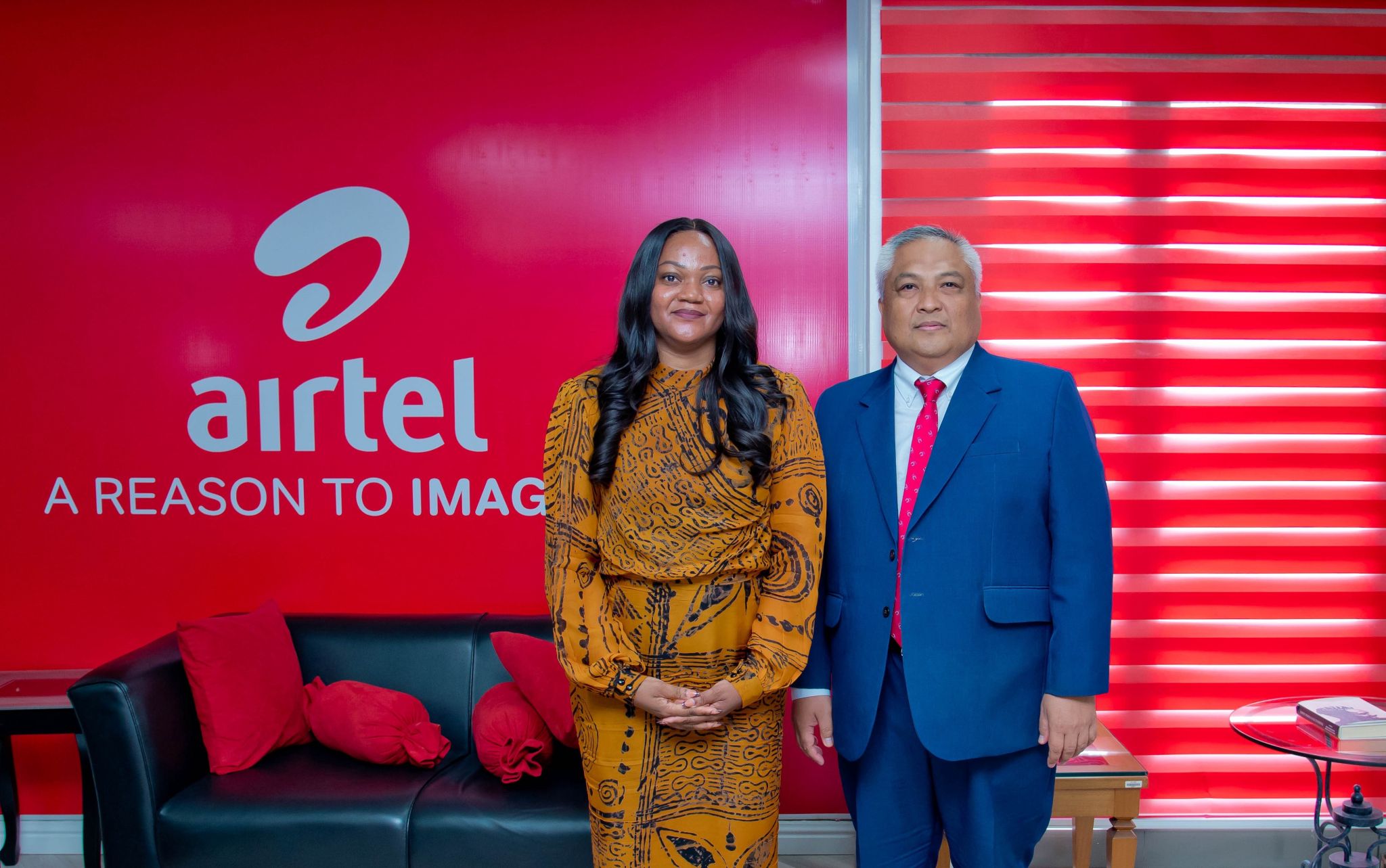
Carl Cruz, CEO of Airtel Nigeria, welcomed Engr. Abisoye Coker-Odusote, the Director General of the National Identity Management Commission (NIMC), and her team to the company’s headquarters in Lagos. The meeting took place against the backdrop of the Commission’s 6th National Identity Day, a significant event for Nigeria’s ongoing efforts to enhance digital identity management. During the discussions, both parties explored potential partnerships and strategies to leverage Airtel’s technological expertise to support the digital identity infrastructure of the country, ensuring that innovation continues to thrive in this sector.

Cruz emphasized Airtel’s commitment to playing a crucial role in streamlining identity management, with the ultimate goal of making life easier for Nigerians through secure and efficient digital systems. “We are eager to collaborate with NIMC to transform the landscape of digital identity in Nigeria. As a technology leader, Airtel stands ready to contribute its resources and capabilities to advance this essential national agenda,” Cruz stated.No alternative text description for this image

A day earlier, the CEO also met with leadership from the Chartered Institute of Personnel Management (CIPM). This engagement focused on Airtel Nigeria’s people-centric policies, specifically its emphasis on employee development, diversity, and inclusion. Cruz and CIPM leadership explored ways to further solidify Airtel’s commitment to fostering a work environment that empowers individuals and promotes personal and professional growth.

“We are proud of our people-first approach,” Cruz commented during the CIPM meeting. “At Airtel, we understand that our success is driven by our employees, and we are dedicated to providing them with the support and development they need to thrive.”No alternative text description for this image

These meetings underscore Airtel Nigeria’s dedication to forging strong relationships with both public institutions and professional bodies, ensuring an environment that fosters growth and innovation across multiple sectors. The company’s leadership is optimistic about the future, particularly the impact these collaborations will have on creating an enabling environment for all Nigerians.

As Airtel continues to engage with various stakeholders, the company remains committed to its mission of connecting Nigerians and empowering communities through innovative solutions and strategic partnerships.


ANTHONY NWOSU