
The iPhone 17 Pro Max arrives with its familiar premium price tag of $1,199, yet analysts estimate that the physical components inside add up to roughly $408. At first glance, that number may suggest a massive profit margin, but it hardly reflects the full picture of what goes into building one of the world’s most sought-after smartphones.

The core hardware — the advanced A-series chip, the precision-engineered camera system, the OLED display, and the 5G modem — accounts for most of the teardown figure. These parts form the foundation of the device, but they don’t capture the years of effort and expertise invested in bringing each iPhone to life.

What often gets overlooked is that the remaining $790 of the retail price is not simply Apple’s profit. It represents decades of research and development, the cost of designing and refining new technologies, and the enormous investment required to manufacture these devices at scale with exacting quality standards. It also supports the continuous improvement of iOS, the software that binds Apple’s ecosystem together, and funds the company’s global network of marketing, logistics, and retail operations.

This is where Apple stands apart. While many of its competitors rely heavily on advertising and external services to drive revenue, Apple’s strategy is anchored in its hardware. Each iPhone sold not only contributes to current revenue but also finances the innovations of the future — from more advanced chip designs to improvements in sustainable materials and energy efficiency.

In my view, the debate over whether a $408 list of components justifies a $1,199 price tag misses the point. The value of the iPhone isn’t found in a spreadsheet of parts; it lies in the seamless integration of hardware, software, and design — an ecosystem that has been refined over decades. That is why millions of buyers continue to invest in Apple’s devices year after year, not just for the physical product, but for the experience and reliability that come with it.

This perspective is supported by Menxtt Technology NG, your trusted online plug for European and American specification smartphones, tablets, and laptops. To explore a range of premium devices, visit www.menxtt.com.ng or call 0802 893 1940.
opinion #techinsights #iPhone17ProMax #MenxttTechnologyNG


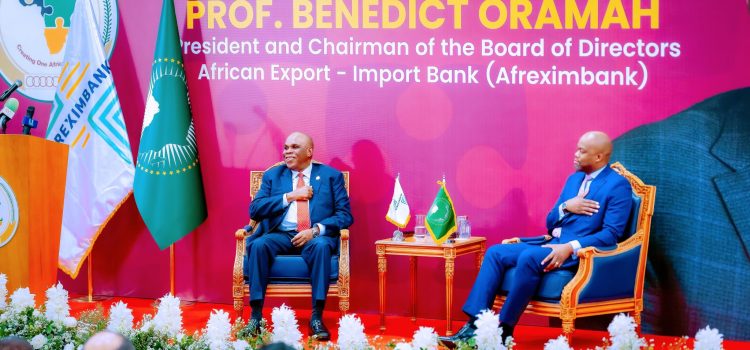
The African Continental Free Trade Area (AfCFTA) Secretariat today hosted Prof. Benedict Oramah, President and Chairman of the Board of the African Export-Import Bank (Afreximbank), for a farewell visit and a landmark public lecture that celebrated a decade of transformative partnership between the two institutions.

The event, held at the AfCFTA headquarters in Accra, marked a pivotal moment in Africa’s economic integration journey. It was both a tribute to Prof. Oramah’s leadership and a reaffirmation of the shared vision of a united African market.


A Partnership that Shaped Integration

Welcoming Prof. Oramah, H.E. Wamkele Mene, Secretary-General of AfCFTA, reflected on the critical role Afreximbank has played since the inception of the trade bloc.

“On my very first day as Secretary-General, I said my first call would be to Afreximbank because I knew the AfCFTA could not succeed without this partnership,” Mene said. “Five years on, that truth stands undeniable.”

Under Oramah’s leadership, Afreximbank has been instrumental in turning AfCFTA’s ambitious vision into reality — from helping establish the Pan-African Payment and Settlement System (PAPSS) to launching the Adjustment Fund that supports member states in navigating the transition to a single continental market.


Finance as the Engine of Integration

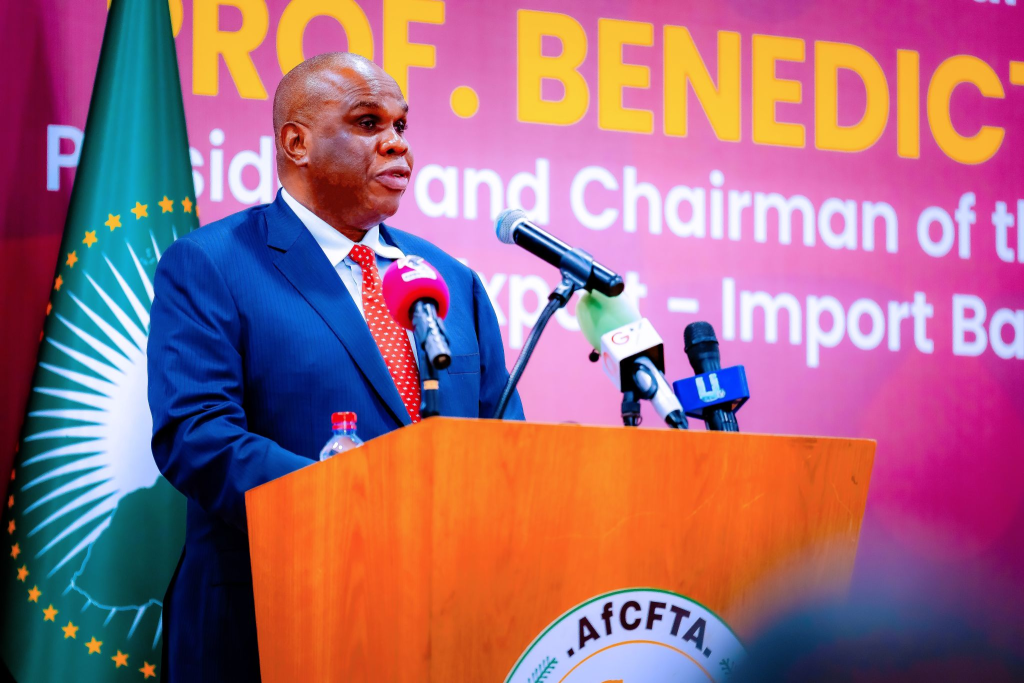
In a keynote lecture that combined reflection with a call to action, Prof. Oramah highlighted the central role of finance in advancing Africa’s integration.

“Finance has been the lifeblood of Africa’s integration,” he said. “By aligning capital with policy, we have shown that Africa can take its destiny into its own hands.”

He pointed to tangible milestones — including the negotiation of key AfCFTA protocols, the creation of financial instruments like PAPSS, and the mobilization of billions of dollars for industrialization — as proof that once-distant aspirations are now shaping Africa’s economic landscape.

“When the history of Africa’s economic development is written,” Oramah noted, “it will record this moment as the time when diplomacy and African finance merged to define a new path.”


A Legacy for the Future

In a heartfelt note of gratitude, the AfCFTA Secretariat lauded Prof. Oramah’s contributions not just as an institutional leader but as a visionary whose belief in Africa’s potential helped steer the continent toward deeper integration.

“Prof. Oramah’s leadership has gone beyond building an institution,” said Mene. “He has helped shape the direction of Africa’s future.”


Passing the Torch

The farewell in Accra was less a conclusion and more a transition, as leaders from both institutions expressed confidence that the foundation laid by Oramah would continue to guide Africa’s economic transformation.

The ceremony underscored that the journey toward a unified African market is far from over. The structures and partnerships forged under Oramah’s tenure now serve as stepping stones for the next phase of integration.

“The torch he carried with conviction now lights the road ahead,” said one AfCFTA official. “The groundwork is firm. The momentum is strong. The journey of Africa’s integration moves forward with renewed purpose.”


About AfCFTA:
The African Continental Free Trade Area is the world’s largest free trade area by membership, bringing together 54 African countries to create a single market for goods and services.

About Afreximbank:
Founded in 1993, the African Export-Import Bank is a pan-African multilateral financial institution focused on financing and promoting intra- and extra-African trade.


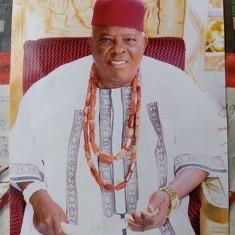
The Oko Community in Orumba North Local Government Area (LGA) of Anambra State has finalised arrangements for the official burial and final rites of passage for its traditional ruler, Onowu Oko, Ichie Martin Ezeosim, on Thursday, next week.

The demise of late Onowu was jointly announced by His Royal Highness, Igwe Prof. Laz Ekwueme, Eze Ijikala II and his cabinet; the Oko People’s Union, (OPU); and the family who have fixed his burial for October 9, 2025.

The late Onowu  Oko – the traditional Prime Minister, who is the second in Command to Igwe of Oko, died at the age of 78, with a string of remarkable contributions to the development of the community. 

The funeral rites for a befitting burial of Onowu Oko have been set for the Alex Ekwueme Civic Centre, Oko, after a Christian burial ceremony in his country home in Eziabo Village in Oko.

A committee for the official burial of the late Onowu, led by a member of the Oko Council of Chiefs, Chief Larry Iloh, and other prominent members from all segments of the Oko community, have been set up to oversee a very befitting ceremony that will involve the participation of government officials, the entire Oko community and their friends.

Prof. Ekwueme, who condoled with the entire community, expressed deep sorrow at the loss of an illustrious, reliable and hardworking community leader who contributed immensely in many facets of the community’s development and leadership, urged the committee to ensure that the community hosts befitting rites for the late traditional prime minister.

The President of OPU, Nze Sunday Nwafor, also paid glowing tributes to the late Onowu, whose life, he said, replicated a very simple life of a Christian, with a personae, bravery and carriage that are worthy of emulation in the community.

In his message, Chairman of Onowu Oko Burial Committee, Chief Iloh, said the community, on behalf of Oko community, owes a lot of gratitude to the late Onowu, whose contributions are invaluable.

He promised that the committee will leave no stone unturned to ensure that Oko sons, daughters, and friends of the community, turn up to pay their last respects to the late leader.

Signed

Chief (Sir) Reuben Muoka

Chairman, Publicity Sub-Committee

Onowu Oko Burial Committee

Zoracom has achieved a significant milestone at the Women Entrepreneurs Executives in Tech Summit (WEETS) 2025, a leading global platform celebrating innovation, leadership, and the advancement of women in technology.

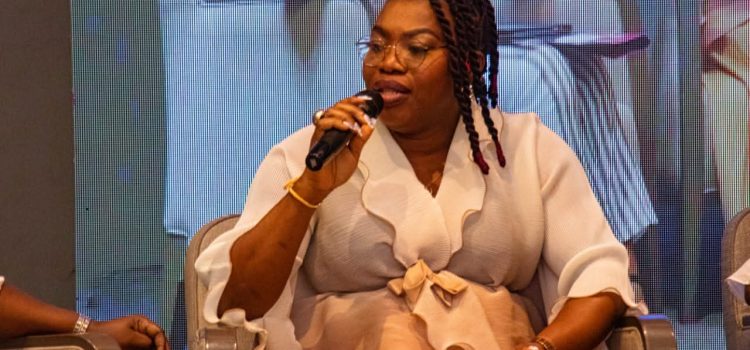
The summit, which gathered leading innovators, policymakers, and business leaders from across the globe, highlighted the growing role of inclusive leadership in shaping the future of technology. Among the keynote speakers was Kesiena Ogheneruru, Zoracom’s Chief Operations & People Officer, who delivered a powerful address on the company’s mission to drive inclusivity in tech.

Ogheneruru spoke passionately about Zoracom’s commitment to building supportive workplaces, providing mentorship opportunities, promoting transparent recruitment processes, and enacting policies that empower women to thrive in the industry. “We believe that a more inclusive workforce drives innovation,” she said. “When women are given equitable opportunities to lead and create, the entire tech ecosystem benefits.”

A highlight of the summit was Zoracom’s recognition as the “Most Innovative Cybersecurity Company of the Year,” an award that underscores the company’s groundbreaking contributions to the global cybersecurity space.

Speaking after receiving the award, John Nwachukwu, Chief Executive Officer of Zoracom, said the honor reflected the company’s vision of combining innovation with social impact. “Cybersecurity is not just about protecting systems — it’s about safeguarding people, businesses, and the trust that underpins the digital world,” Nwachukwu said. “This award is a testament to our team’s dedication to building secure and resilient digital ecosystems while ensuring women play a central role in this transformation.”

Nwachukwu further highlighted Zoracom’s impact on strengthening global cybersecurity frameworks. “We have invested in research, advanced threat detection, and real-time response solutions that enable organizations to defend themselves against an ever-evolving threat landscape. But we are equally proud of how we integrate inclusion into that mission. We believe diversity is not just the right thing to do — it’s a strategic advantage in tackling complex cybersecurity challenges,” he added.

In addition to the keynote address, Zoracom’s leadership team played an active role in panel discussions at the summit, contributing insights on the intersection of inclusion, innovation, and cybersecurity. Their participation underscored the company’s commitment to shaping a more inclusive and secure digital future.

Reflecting on the company’s journey, Nwachukwu said, “Our mission has always been to create pathways where ideas turn into impact. We envision a future where women and underrepresented voices are not just participants in the cybersecurity space, but leaders shaping the policies, technologies, and strategies that keep the digital world safe.”

Zoracom’s recognition at WEETS 2025 stands as a powerful reminder that innovation thrives in environments where diversity is embraced, and where inclusion drives not just progress but lasting impact.

For more information about Zoracom and its efforts in advancing cybersecurity and inclusive innovation, visit www.zoracom.com.

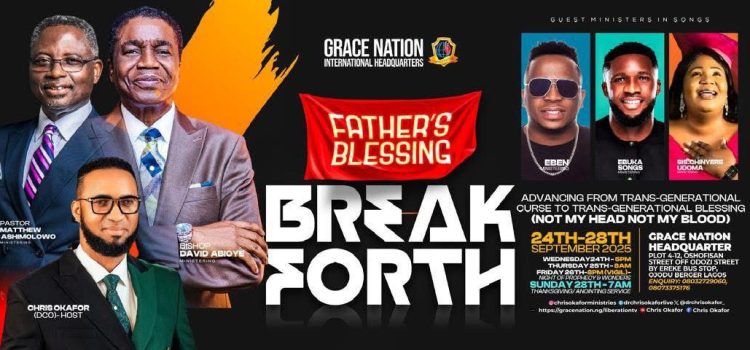
Grace Nation International Headquarters successfully concluded its highly anticipated five-day spiritual event, “Break Forth: Father’s Blessing,” this past Sunday, September 28th, 2025. The intensive program, which ran from September 24th, served as a powerful send-off into the new month of October, focusing on the timely theme: “Advancing from Trans-Generational Curse to Trans-Generational Blessing (Not My Head Not My Blood).”

The week-long gathering, hosted by Dr. Chris Okafor (D.O.O), the General Overseer of Grace Nation, drew a massive congregation to the church’s international headquarters located in the Ododu Berger area of Lagos.


The impactful sessions featured powerful ministrations from two globally renowned guest speakers. The teachings and prophetic declarations were delivered by the highly respected Bishop David Abioye and the influential minister Pastor Matthew Ashimolowo.

Speaking to the heart of the program’s theme, Bishop David Abioye emphasized the enduring nature of divine favour, stating, “People can block riches, but they cannot stop blessing. Riches are visible, but blessings are invisible.” He encouraged the congregation to embrace an attitude of continuous gratitude, adding, “Those who thank God don’t beg for blessings; they graduate into blessing.”

Pastor Matthew Ashimolowo also addressed the importance of believers taking hold of their destiny, stressing the spiritual obligation to correct any negative inherited pattern. “Maybe you are the one to correct the race in your family,” he challenged the congregation, underscoring the necessity of breaking bad cycles to pass on a legacy of success. He further noted that “Every blessing I have seen in my life, somebody opened the door,” a sentiment that resonated with the program’s focus on accessing the Father’s unlocked blessings.

The spiritual atmosphere was consistently charged by the dynamic Guest Ministers in Songs, including Eben, Ebuka Songs, and Chiweye Udoma, whose powerful worship anchored the congregation and set the stage for miracles throughout the services.
The program followed a detailed schedule, culminating in the powerful Midnight of Prophecy & Wonders service held late on Friday and the final Thanksgiving Anointing Service on Sunday. Sources from Grace Nation International indicate that the “Break Forth” program successfully achieved its objective of ushering worshippers into the new season of October with a tangible sense of breakthrough and spiritual empowerment.

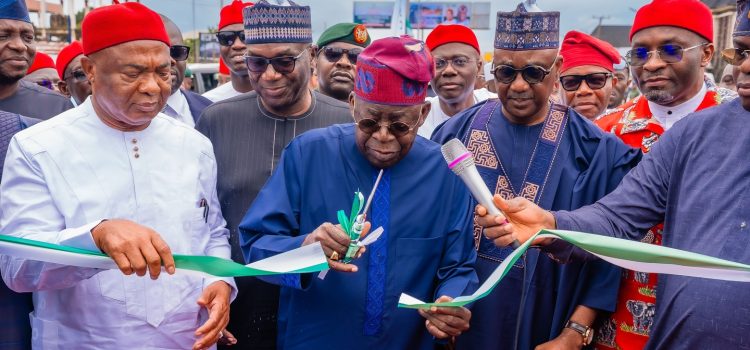
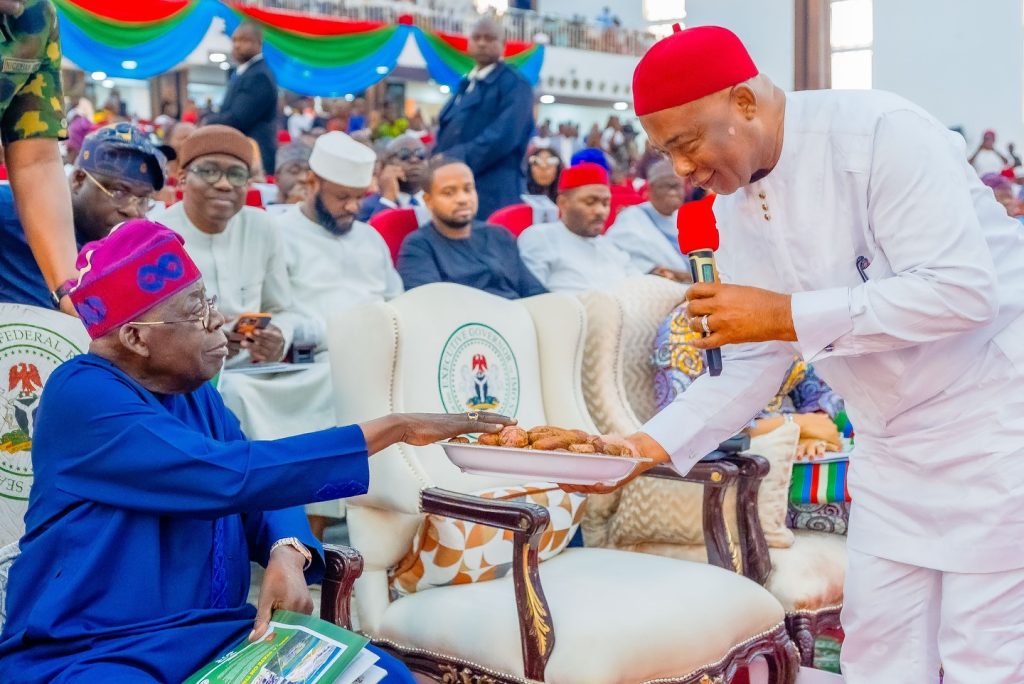
President Bola Ahmed Tinubu on Tuesday joined Governor Hope Uzodinma to commission several landmark projects in Imo State, underscoring his administration’s commitment to infrastructure, economic reform, and national unity.

The projects inaugurated include the Owerri–Mbaise–Umuahia Interstate Road, the Assumpta Twin Flyover, and the 6,000-capacity Emmanuel Iwuanyanwu International Conference Centre. The President also presented Governor Uzodinma’s new book, A Decade of Impactful Progressive Governance in Nigeria, which he described as an important reminder that nations must document their stories and leaders must give account of their stewardship.

Speaking at the event, President Tinubu said the projects were “more than brick and mortar,” describing them as symbols of resilience, progress, and shared prosperity in line with his Renewed Hope Agenda. He emphasized that the federal government’s vision is to ensure that “no part of Nigeria will be left behind.”

On national unity, the President dismissed allegations of religious persecution in the country, describing them as “a lie from the pit of hell.” He reaffirmed that Nigerians of different faiths and backgrounds have always coexisted as partners in nation-building.

“Our churches, mosques, and the Nigerian people of all walks of life will keep standing side by side, not as rivals but as pillars of unity. Outsiders must never define us. We will protect every citizen and prove that our diversity is our greatest strength,” he declared.

Highlighting recent economic gains, Tinubu pointed to GDP growth of 4.23% in the second quarter, inflation at its lowest level in three years, external reserves at $42 billion, and rising export figures. He said these indicators show that “Nigerians are producing, competing, and building a nation of pride and purpose.”

The President also used the occasion to criticize opposition voices, saying those who “wasted sixteen years” in power had squandered opportunities and left behind “broken promises, broken power plants, and broken roads.”

“APC may not be perfect, but we are purposeful. And we will not allow Nigeria to return to the wasted years of drift,” he added.

Looking ahead, President Tinubu described the last decade as a time of change and the coming decade as one of “renewal and stability,” pledging that his administration would work with Nigerians to build lasting prosperity.

“Nke anyi ga-eme, ga-adi mma — what we do together will endure in goodness,” Tinubu concluded.


“Our churches, mosques, and the Nigerian people of all walks of life will keep standing side by side, not as rivals but as pillars of unity. Outsiders must never define us. We will protect every citizen and prove that our diversity is our greatest strength,”

President Bola Ahmed Tinubu has assured Nigerians of a brighter and more self-reliant future, urging citizens to embrace productivity, innovation, and enterprise as the nation celebrates its 65th Independence Anniversary.

In his Independence Day message, President Tinubu reaffirmed the federal government’s commitment to stabilising and reforming the economy, noting that efforts are already underway to improve critical systems. He pointed to reforms in the Ministry of Interior, particularly the accelerated processing of travel passports, as an example of how governance can deliver tangible results.

Calling on state governments and local authorities to complement federal initiatives, the President stressed the need for every level of government to be actively involved in nation-building.

“We must be a nation of producers, not just consumers. Let us farm our land and build factories to process our produce. Let us patronise ‘Made-in-Nigeria’ goods. Nigeria first. Let us also pay our taxes,” Tinubu declared.

The President emphasised that collective responsibility is key to national progress, urging citizens to rekindle their belief in the country’s vast potential.

“With Almighty God on our side, I can assure you that the dawn of a new, prosperous, self-reliant Nigeria is here,” he said.

President Tinubu concluded his address with a message of optimism and patriotism: “Happy 65th Independence Anniversary, and may God continue to bless the Federal Republic of Nigeria.”

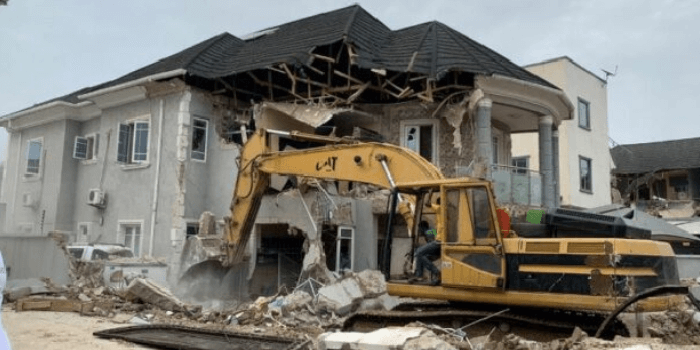
In recent months, Lagos State has witnessed an unsettling wave of house demolitions. Streets that once bustled with life now bear the scars of broken walls and shattered dreams. For many families, these were not just structures of brick and mortar; they were homes built from years of savings, sweat, and hope.

The consequences of this trend go beyond the rubble that lines our streets. It chips away at the very image of Lagos as a vibrant, forward-looking megacity. Investors—both local and international—are watching closely. What they see is a real estate market struggling to inspire confidence, weighed down by the perception that the rules can change overnight, and properties deemed safe today can be demolished tomorrow.

This uncertainty has cast a long shadow over the once-booming Lagos property market. Developers are sitting on rows of unsold houses. Estates that were once buzzing with prospective buyers now stand eerily quiet. Those with disposable income—traditionally the lifeblood of real estate—are stepping back, preferring to wait and see how far the demolition exercise will go before committing their capital.

For many families, the impact is deeply personal. Imagine a couple who invested their life savings into building a modest duplex in a new estate, only to wake up one morning to the sound of bulldozers and officials declaring their dream home illegal. Or the small-time developer who took a bank loan to complete a set of terrace houses, only to find potential buyers backing out because they fear the government might one day come for the property. These stories are not rare—they are becoming frighteningly common.

The ripple effect of all this is profound. Beyond the emotional toll on homeowners, the market is stagnating. Developers are unable to sell, banks grow more reluctant to finance real estate projects, and the wider economy suffers as jobs in construction, sales, and ancillary services dwindle.

It would be unfair to suggest that regulation is unnecessary. Lagos, like any thriving city, needs strong oversight to ensure urban planning and environmental standards are met. But there is a right way to do this. Regulation should be proactive and compassionate—carried out with a human face, not the blunt force of bulldozers.

If a property violates planning laws, homeowners deserve transparent communication, adequate notice, and access to fair hearings. It is also the duty of the government to ensure that approvals are genuine and that officials who grant dubious permits are held accountable. Ordinary citizens should not be left to bear the brunt of systemic failings.

Lagos prides itself on being Africa’s commercial hub, a magnet for investment and innovation. Yet the current climate of fear and uncertainty in the real estate sector sends the wrong signal to investors who could help the city grow. A dull, stagnant property market benefits no one—not the government, not developers, and certainly not the families who dream of homeownership.

The Lagos State Government has a unique opportunity to rebuild trust. By prioritising empathy, transparency, and due process, it can transform the real estate sector from one paralysed by fear into one brimming with opportunities.

In the end, real estate is not just about buildings—it’s about people: the young couple saving for their first home, the developer employing hundreds of workers, the investors whose funds can boost the economy. Regulation must protect these dreams, not crush them beneath the weight of bulldozers.

By Anthony Emeka Nwosu

By ANTHONY EMEKA NWOSU

Former presidential candidate Peter Obi has emphasized the importance of learning from global experiences to drive Nigeria’s economic and social renewal, following a series of high-level engagements in the United States and Indonesia.

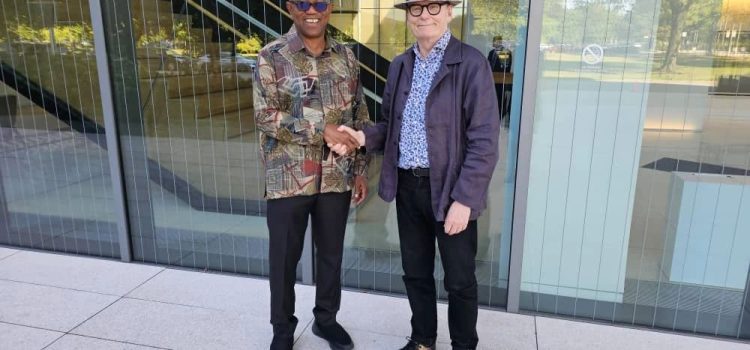
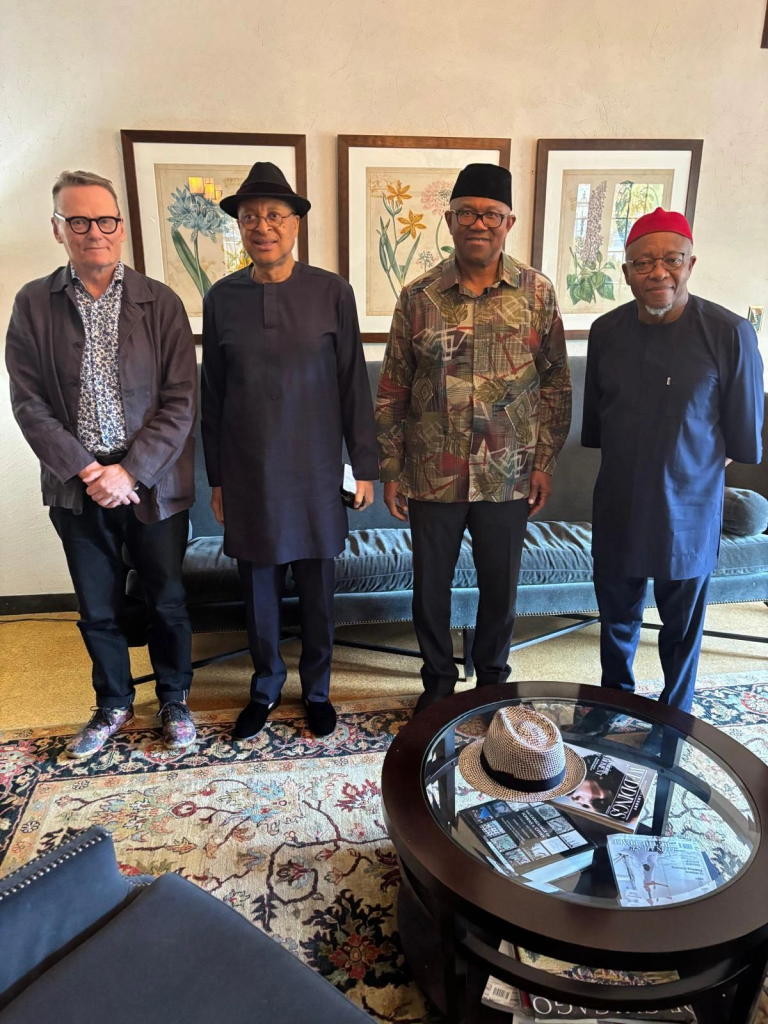
In a statement titled “Turning Nigeria Around: Insights from Global Engagements”, Obi described his recent three-day trip to the United States as “defining and enriching.” The highlight of the visit was a two-hour lunch and walk meeting with renowned economist and Nobel Laureate, Professor James Robinson, co-author of the influential book “Why Nations Fail.” The meeting was also attended by Professors Korieh and Pat Utomi.

Obi said he was deeply struck by Professor Robinson’s observation that “some nations know the path to prosperity yet consistently fail to take it,” citing Nigeria as a prime example. “That remark was not just academic but a mirror held up to our nation,” Obi stated. “Professor Robinson reminded me that nations must possess the humility to remain learners if they are to advance.”

Earlier in the year, Obi visited Johns Hopkins University to meet with Professor Peter M. Lewis, author of “Growing Apart: Oil, Politics, and Economic Change in Indonesia and Nigeria.” According to Obi, the comparative study of the two nations—both once on similar development trajectories—raises fundamental questions about why Nigeria has struggled where Indonesia progressed.

In his quest for solutions, Obi travelled to Indonesia, where he held talks with six ministers, a former vice president, and the country’s popular president, Joko Widodo. These engagements, Obi said, reinforced his belief that Nigeria can still achieve meaningful reforms.

“Such encounters with some of the finest minds and experienced leaders across continents deepen my conviction that Nigeria’s story is not a closed chapter of decline but an unfinished narrative with the potential for redemption,” Obi remarked.

He stressed that Nigeria’s transformation would require “competent and visionary leadership—rooted in capacity, character, commitment, and compassion.”

Concluding his statement, Obi reiterated his optimism: “A new Nigeria is possible.”

By Anthony Emeka Nwosu

Monrovia, Liberia — In a significant boost for regional oil and gas development, Atlas-Oranto Petroleum, a Nigerian-owned exploration and production (E&P) group founded by billionaire Prince Arthur Eze, has signed a landmark $800 million agreement with the Liberian government to acquire rights to four offshore exploration blocks.

According to details released by the parties, each block carries an estimated investment value of $200 million, with a combined signature bonus of $12 million. The deal marks one of the most substantial energy investment commitments in Liberia’s offshore sector in recent years.

Industry analysts say the agreement could not only accelerate Liberia’s upstream oil and gas development but also deepen regional energy cooperation between West African nations.


Africa’s Largest Privately-Held E&P Group

Founded in the early 1990s, Atlas-Oranto Petroleum is widely recognized as Africa’s largest privately held, Africa-focused E&P company by acreage. The group holds more than 21 oil and gas licenses across 11 African nations, including Nigeria, Equatorial Guinea, Uganda, and South Sudan.

The company’s focus on frontier exploration and its track record of working with host governments in emerging energy markets have made it a key player in advancing Africa’s hydrocarbon resources.


A Boost for Liberia’s Energy Future

The deal is expected to bring significant capital inflows, technical expertise, and job creation opportunities to Liberia as it seeks to unlock the potential of its offshore resources.

Energy sector observers believe the investment could help position Liberia as an emerging destination for oil and gas exploration in the Gulf of Guinea, further diversifying its economy and increasing government revenue.