


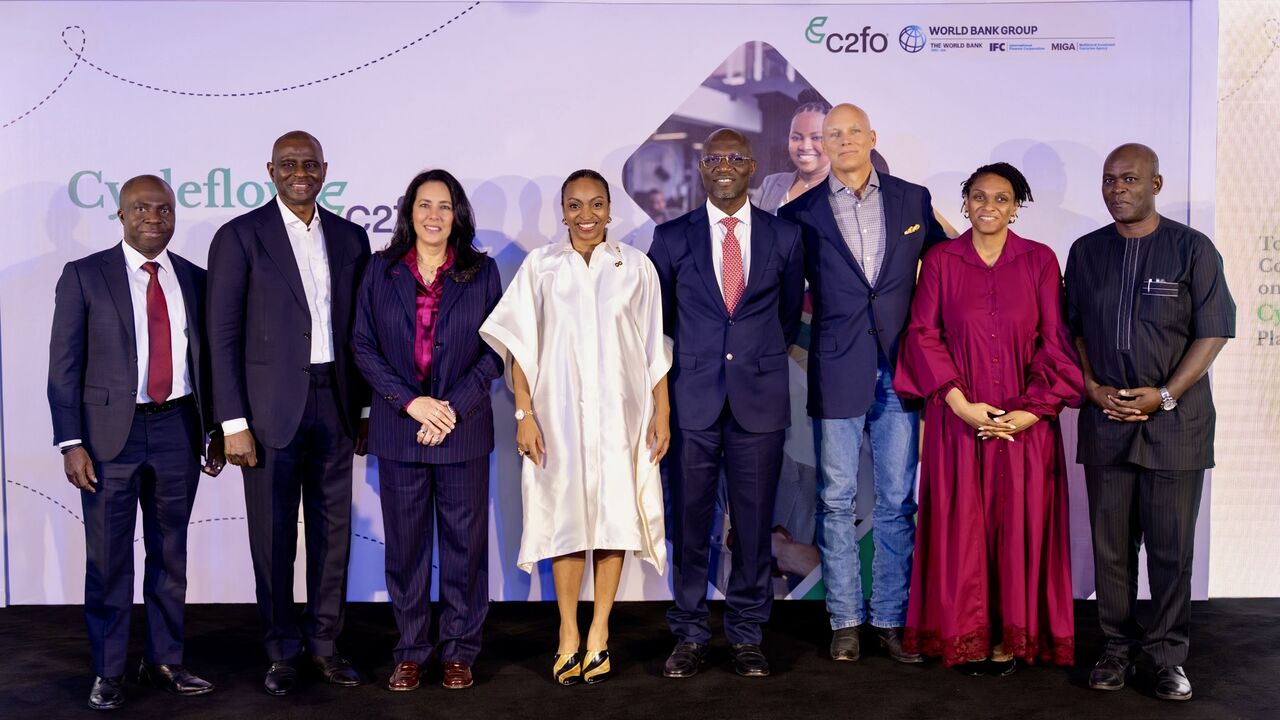






Dahlia Khalifa, Director for Central Africa and Nigeria at the International Finance Corporation (IFC), has highlighted a major step forward in addressing one of the most persistent challenges facing Nigeria’s small and medium-sized enterprises (MSMEs): delayed payments and limited access to working capital.
According to Khalifa, MSMEs account for nearly 90% of jobs and close to 50% of Nigeria’s GDP, yet an estimated $25 billion remains tied up in unpaid invoices and extended payment cycles. Many businesses are forced to wait up to 90 days or more to receive payments for goods and services rendered, a situation that constrains cash flow, limits expansion, and slows job creation.
To help address this gap, IFC, in partnership with C2FO, has launched CycleFlow, a digital platform designed to enable businesses convert approved invoices into immediate cash. The solution aims to improve liquidity by giving companies faster access to funds that would otherwise be locked in receivables.
The initiative is expected to have significant economic and social impact. By unlocking working capital, businesses can reinvest in operations, expand production, hire more workers, and strengthen supply chains. IFC estimates that for every $1 million in working capital unlocked, more than 16 jobs can be created, underscoring the potential scale of impact if more capital is released into the economy.
Khalifa emphasized that the success of CycleFlow reflects the power of collaboration between global technology providers, local market expertise, and committed stakeholders. She also acknowledged the support of industry leaders, including Alexander Kemper and Segun Ogunsanya, whose contributions helped bring the initiative to life.
The launch was also marked by the presence of Nigeria’s Minister of Industry, Trade and Investment, Jumoke Oduwole, signaling government backing for solutions that strengthen trade, improve value chains, and support business growth.
As more businesses adopt the platform, CycleFlow is expected to expand access to finance, improve payment cycles, and contribute to broader economic growth by enabling MSMEs to operate with greater stability and confidence.