

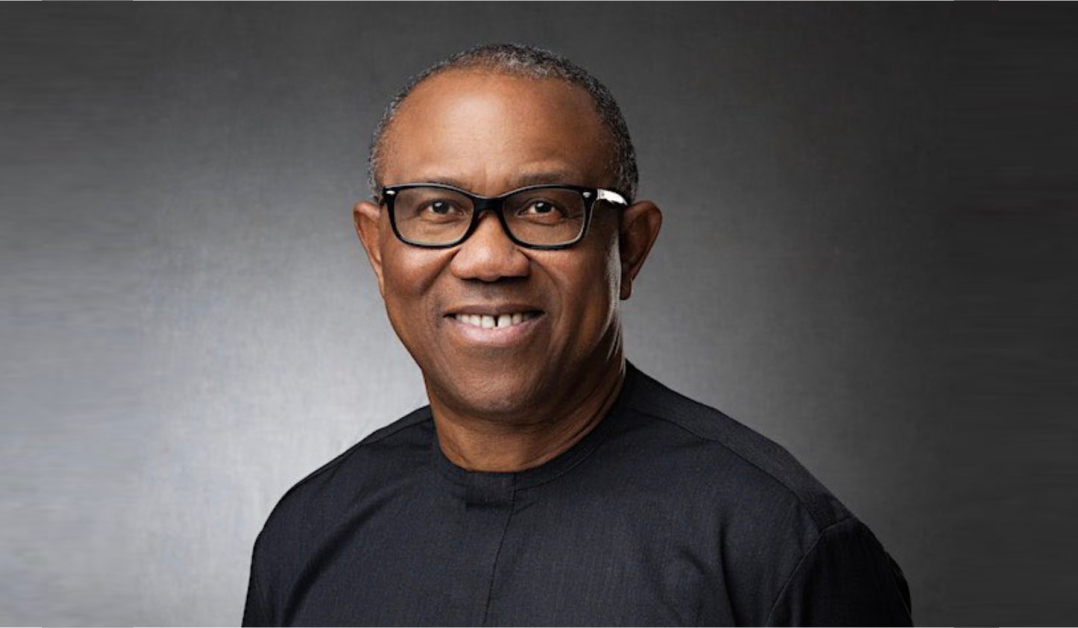
Fresh debate has erupted over Nigeria’s long-contested fuel subsidy regime following strong remarks by former Labour Party presidential candidate Peter Obi, who described the system as “organised crime” and questioned the credibility of the country’s reported fuel consumption figures.
Obi expressed deep concern over what he sees as systemic irregularities in Nigeria’s petroleum subsidy framework. He argued that the volume of fuel reportedly consumed in Nigeria does not align with logical or comparative economic indicators, suggesting that significant distortions may exist within the system.
Drawing a comparison with Pakistan, Obi pointed out that both nations have roughly similar population sizes, estimated at over 200 million people. However, despite Pakistan having a comparable—or even larger—number of vehicles and more extensive road infrastructure, its fuel consumption is reportedly only a fraction of Nigeria’s. This discrepancy, he implied, raises critical questions about accountability, monitoring, and potential leakages within Nigeria’s fuel distribution and subsidy processes.
At the heart of Obi’s argument is a broader concern about transparency and governance. By characterizing the subsidy system in such stark terms, he underscored long-standing public skepticism about how subsidy funds have been managed over the years. The issue of fuel subsidies has historically been one of Nigeria’s most contentious economic policies, often associated with allegations of inefficiency, corruption, and an unsustainable fiscal burden.
The social impact of these claims is far-reaching. For many Nigerians, fuel subsidies have been a double-edged sword—intended to cushion the cost of living, yet frequently criticized for disproportionately benefiting intermediaries rather than ordinary citizens. Obi’s remarks tap into widespread frustrations about rising fuel costs, economic hardship, and the perception that public resources are not being equitably managed.
Economists and policy analysts note that if discrepancies in fuel consumption figures are as significant as suggested, the implications could include large-scale revenue losses, weakened public trust in institutions, and reduced capacity for government investment in critical sectors such as healthcare, education, and infrastructure.
At the same time, the comparison with Pakistan introduces an international dimension to the conversation, encouraging a closer examination of how different countries manage fuel supply, consumption tracking, and subsidy frameworks. It also raises the possibility that Nigeria’s challenges may not solely be about subsidy policy itself, but about the systems and structures that govern its implementation.
Obi’s comments are likely to intensify calls for reform, particularly around data transparency, regulatory oversight, and the adoption of technology-driven monitoring systems in the petroleum sector. They also bring renewed urgency to ongoing discussions about whether Nigeria should fully eliminate subsidies or redesign them in a way that directly benefits citizens without creating opportunities for abuse.
As the debate continues, one central question remains unresolved but increasingly pressing: if Nigeria’s fuel consumption figures do not reflect reality, where exactly is the excess going—and who is accountable?