


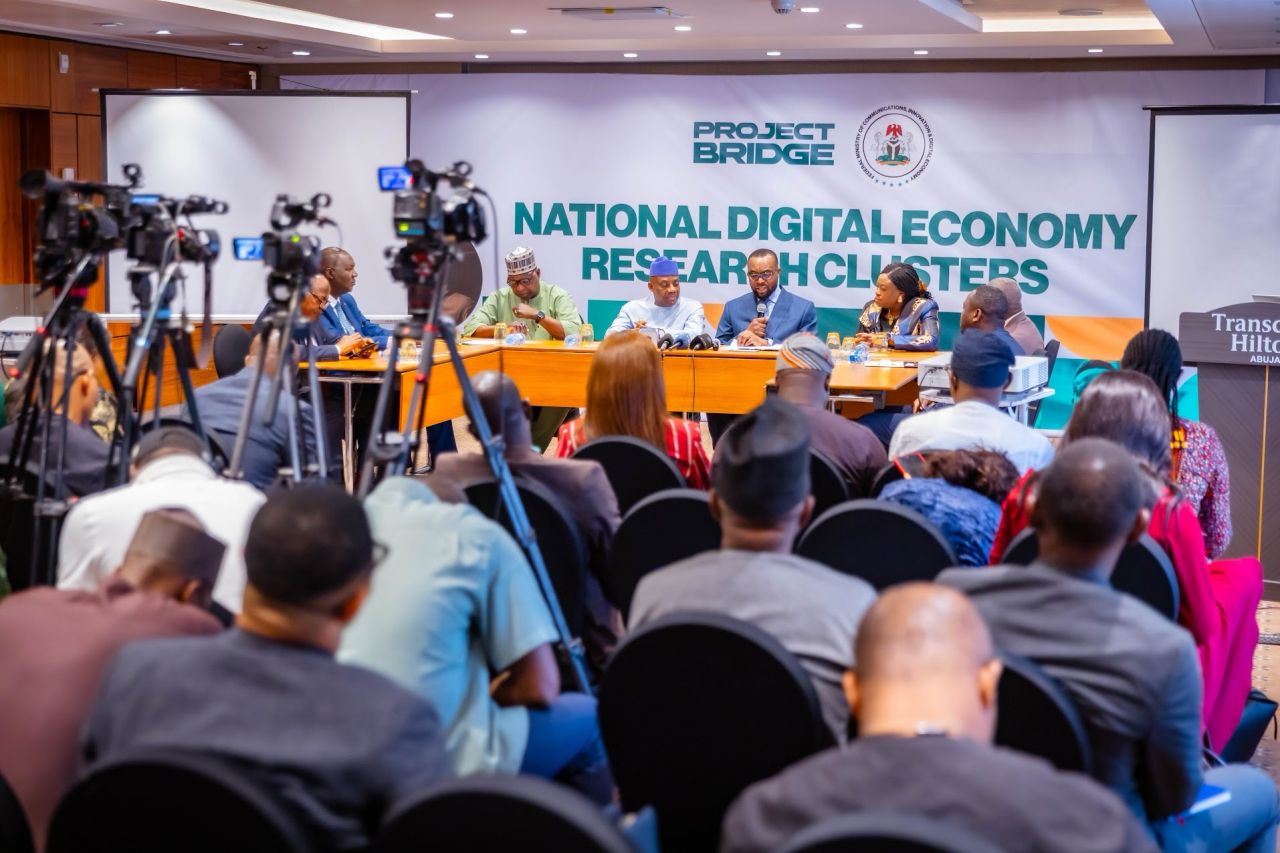






Nigeria is strengthening efforts to address social and economic gaps in its digital transformation by placing greater emphasis on research-driven policymaking and collaboration with academic institutions.
Dr. Bosun Tijani said engagement with members of the press on the National Digital Economy Research Clusters provided an opportunity to outline how the government intends to ensure that digital development initiatives are guided by local insights and evidence-based approaches.
The initiative brings together universities and research institutions across the country to generate practical solutions to challenges in areas such as connectivity, digital public infrastructure, digital skills, job creation, public trust in technology, and emerging technologies.
Officials say the program is designed to ensure that Nigeria’s digital transformation does not only focus on infrastructure expansion but also addresses underlying social issues such as unequal access to digital opportunities, skills gaps, and regional disparities in connectivity.
The effort is being implemented alongside broader infrastructure projects, including Project BRIDGE, which aims to expand digital connectivity nationwide. However, policymakers emphasize that infrastructure alone is insufficient without investments in human capital and inclusive systems that allow citizens to fully benefit from digital services.
The initiative also underscores the role of higher education institutions in national development, with academic stakeholders from within and outside Nigeria participating in the discussions. Their involvement reflects a growing recognition of universities as key contributors to innovation, research, and workforce development.
Collaboration with the education sector has been supported by the Tunji Alausa, highlighting a coordinated approach between ministries to align education, innovation, and economic planning.
Observers note that Nigeria’s focus on integrating research into policymaking reflects broader concerns about ensuring that digital growth translates into inclusive outcomes, particularly in expanding access to opportunities, improving digital literacy, and bridging socio-economic divides.
As the country works toward long-term economic targets, including ambitions for a $1 trillion economy, stakeholders emphasize that sustained investment in knowledge, talent, and innovation will be critical to ensuring that digital progress benefits a wider segment of the population.