



Lagos — Renewable energy stakeholders have renewed calls for stronger financing mechanisms and deeper collaboration to accelerate access to clean and sustainable energy in Nigeria, following a series of high-level industry engagements focused on de-risking renewable energy projects.
At the maiden edition of the Nigeria Solar Forum, industry experts convened to discuss pathways to unlocking an estimated $9 billion opportunity in the solar and renewable energy sector. Conversations centered on how to bridge financing gaps and scale investments in a way that supports broader energy access and economic development.
A key outcome of the discussions was the recognition that concessional funding, while valuable, is insufficient on its own to meet growing demand. Participants emphasized the urgent need to mobilize institutional capital, particularly local currency financing, as a critical step toward expanding sustainable energy infrastructure.
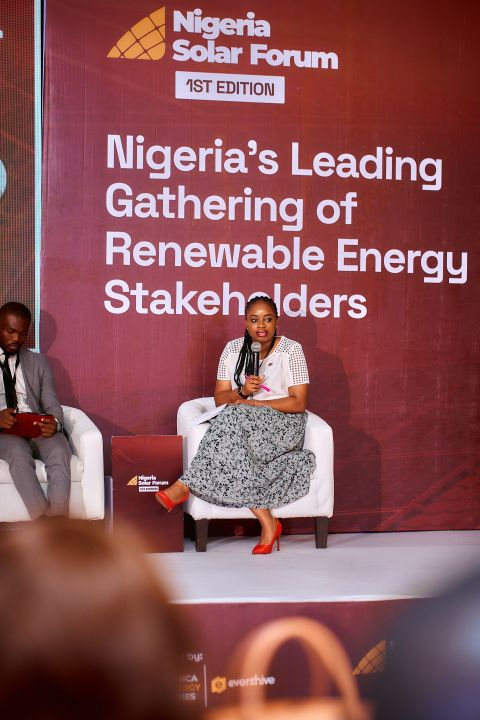
Stakeholders also highlighted the importance of developing innovative financing structures, including blended finance models, to attract private sector participation. As these models mature, experts noted the need to establish clear frameworks that can support additional approaches such as portfolio financing, enabling broader and more efficient capital deployment across multiple projects.
The conversations further underscored the complexity of renewable energy financing, pointing to the interplay of multiple stakeholders, risks, and regulatory considerations. Participants agreed that stronger coordination among public institutions, private investors, developers, and development partners will be essential to unlocking capital and scaling impact.
At the AMDA Capital Connect, discussions explored the concept of “bankability” and its role in determining whether renewable energy projects can attract investment. Experts examined how investors assess project viability, the challenges developers face in meeting financing requirements, and the critical role of due diligence in improving transparency, credibility, and investor confidence.
The engagements concluded with an ecosystem tour organized by the Africa Minigrid Developers Association (AMDA) and the Lagos Climate Network, providing participants with firsthand exposure to renewable energy infrastructure. The tour highlighted the practical realities of solar and minigrid deployment, as well as their potential to improve energy access, support local communities, and drive inclusive economic growth.
Overall, the discussions reinforced a shared commitment among stakeholders to strengthen financing ecosystems, promote innovation, and accelerate the delivery of renewable energy solutions that can positively impact communities and advance Nigeria’s sustainable development goals.