


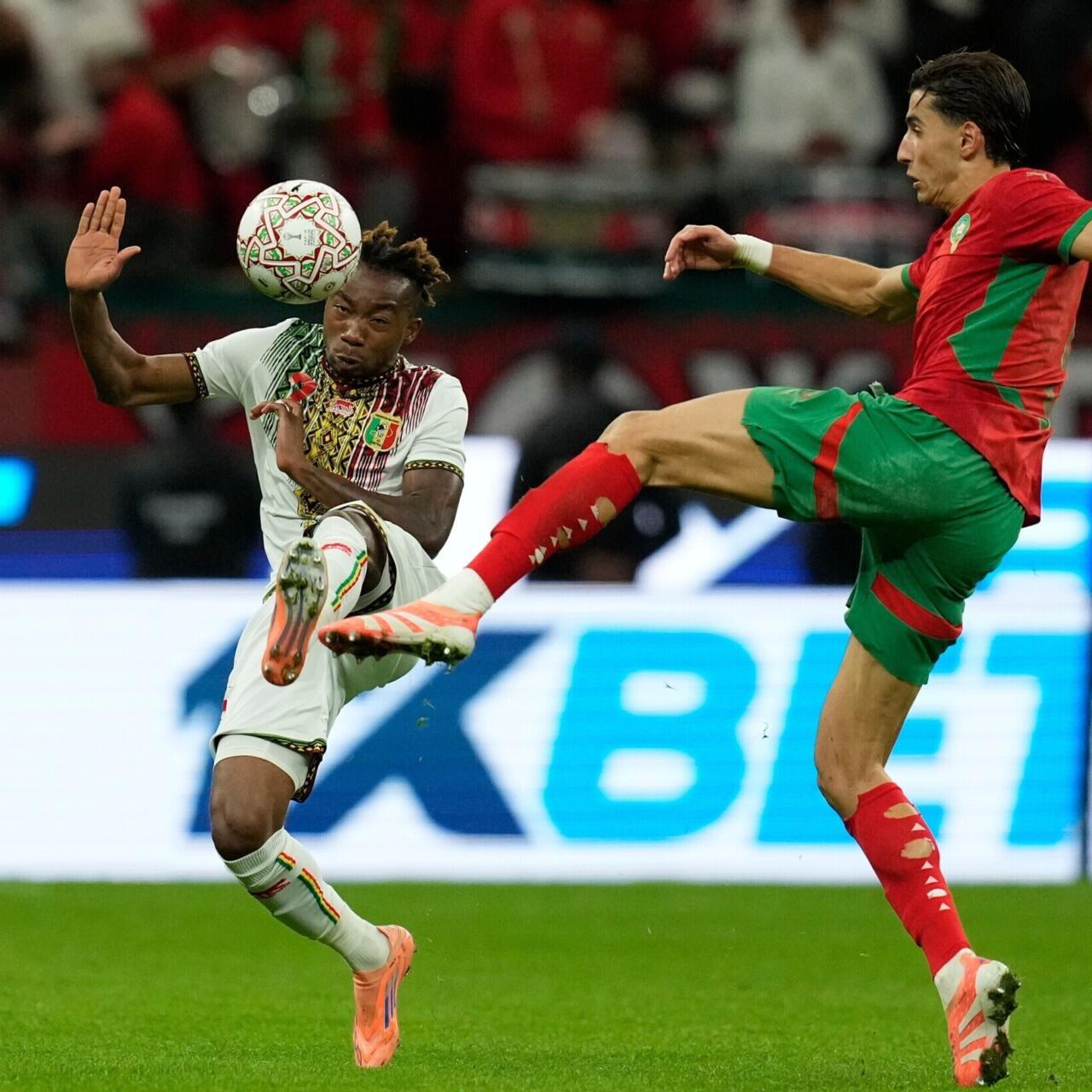






A viral and unverified social media claim attributed to activist Dr. Etuka C. Obinwa has sent shockwaves across football discussions online after alleging that Moroccan star Achraf Hakimi rejected an AFCON trophy in protest of an allegedly unfair decision.
The widely circulated post claimed that Hakimi refused to accept the trophy, urged teammates to follow suit, and suggested that Senegal were deserving winners of a tournament final. However, no official statement from CAF, the player, or any football governing body supports these claims, and there is no verified record of such an incident taking place.
Internet Erupts as Unverified Story Spreads
Despite the absence of evidence, the story spread rapidly across social media platforms, triggering intense reactions from fans and commentators. Many users expressed shock at the alleged scenario, while others immediately questioned its authenticity, pointing out inconsistencies and lack of official confirmation.
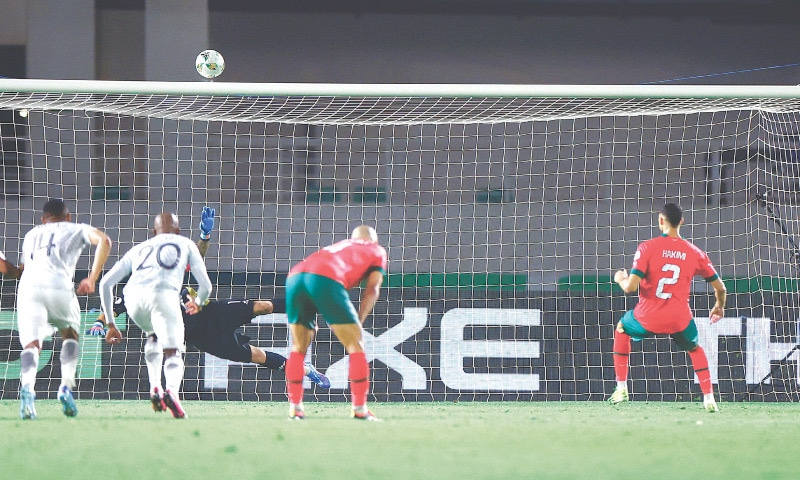
The viral nature of the post has once again highlighted how quickly misinformation can spread in modern football discourse, especially when it involves high-profile players and major tournaments.
CAF Drawn Into Heated Online Debate
Although the Confederation of African Football (CAF) has not responded to the claim, the viral story has nonetheless fueled renewed criticism and debate around the body’s governance and public perception.
Some online commentators used the moment to revive long-standing concerns about officiating standards, transparency, and credibility in African football administration. Others, however, warned that attaching serious institutional criticism to an unverified story risks unfairly damaging reputations and misleading the public.
No Evidence, No Confirmation
At present, there is no credible evidence that the alleged incident occurred. Neither Hakimi nor any official CAF communication has confirmed the story, and it remains firmly in the category of social media misinformation.
While the story continues to trend online, it serves as another reminder of how quickly false or unverified narratives can escalate in the digital age—especially when they involve major football figures and continental competitions. For now, the claims remain unsubstantiated, despite the heated discussions they have generated around African football governance and credibility.