


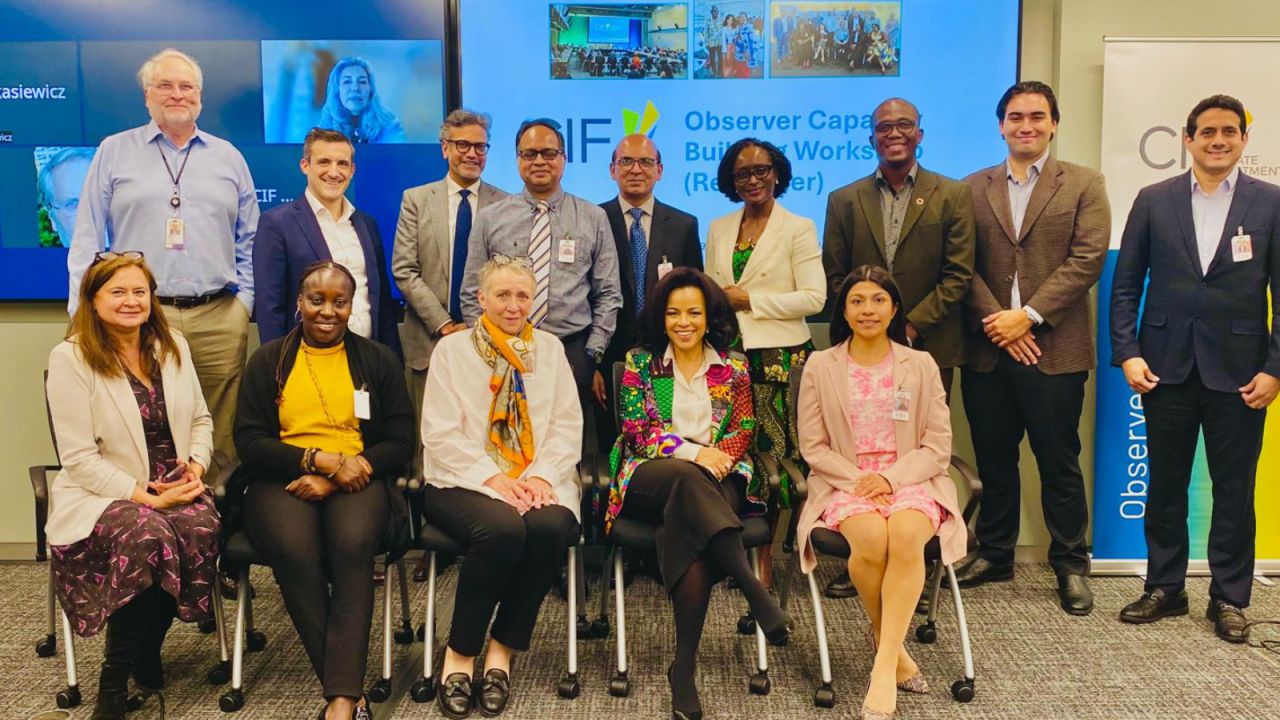






Tariye Gbadegesin, Chief Executive Officer of the Clean Technology Fund and the Strategic Climate Fund, has underscored the importance of international collaboration following a series of high-level meetings held in the U.S. capital over recent weeks.
The engagements, which brought together global climate finance stakeholders, included Trust Fund Committee meetings, strategic consultations with multilateral development banks (MDBs), and discussions with observer groups. These sessions are seen as central to shaping investment priorities and strengthening coordination across climate initiatives worldwide.
Gbadegesin noted that the meetings provided an opportunity to see the Climate Investment Funds’ governance structure operating at full capacity. This framework unites both contributor nations and developing countries, ensuring that funding decisions reflect a balance of global perspectives and on-the-ground needs.
A key feature of the discussions was the broad participation beyond government representatives. Civil society organizations, youth groups, Indigenous Peoples, and private sector stakeholders were actively involved, reinforcing calls for inclusive and transparent climate governance.
Major MDB partners present at the meetings included the World Bank, African Development Bank Group, European Bank for Reconstruction and Development, Inter-American Development Bank, Asian Development Bank, and the International Monetary Fund.
According to Gbadegesin, the interactions were “energizing,” highlighting renewed momentum among partners to accelerate climate investments, particularly in developing economies most vulnerable to climate change. Analysts say such coordination is critical as global institutions seek to scale up financing for clean energy transitions, climate resilience, and sustainable development.
The meetings in Washington are part of ongoing efforts by the Climate Investment Funds to align international financing mechanisms with evolving climate goals and ensure that resources are deployed efficiently and equitably across regions.