

By Anthony Emeka Nwosu
The Governor of the Central Bank of Nigeria (CBN), Olayemi Cardoso, has reaffirmed that Nigeria’s ongoing economic reforms are laying a solid foundation for long-term financial stability and inclusive growth.
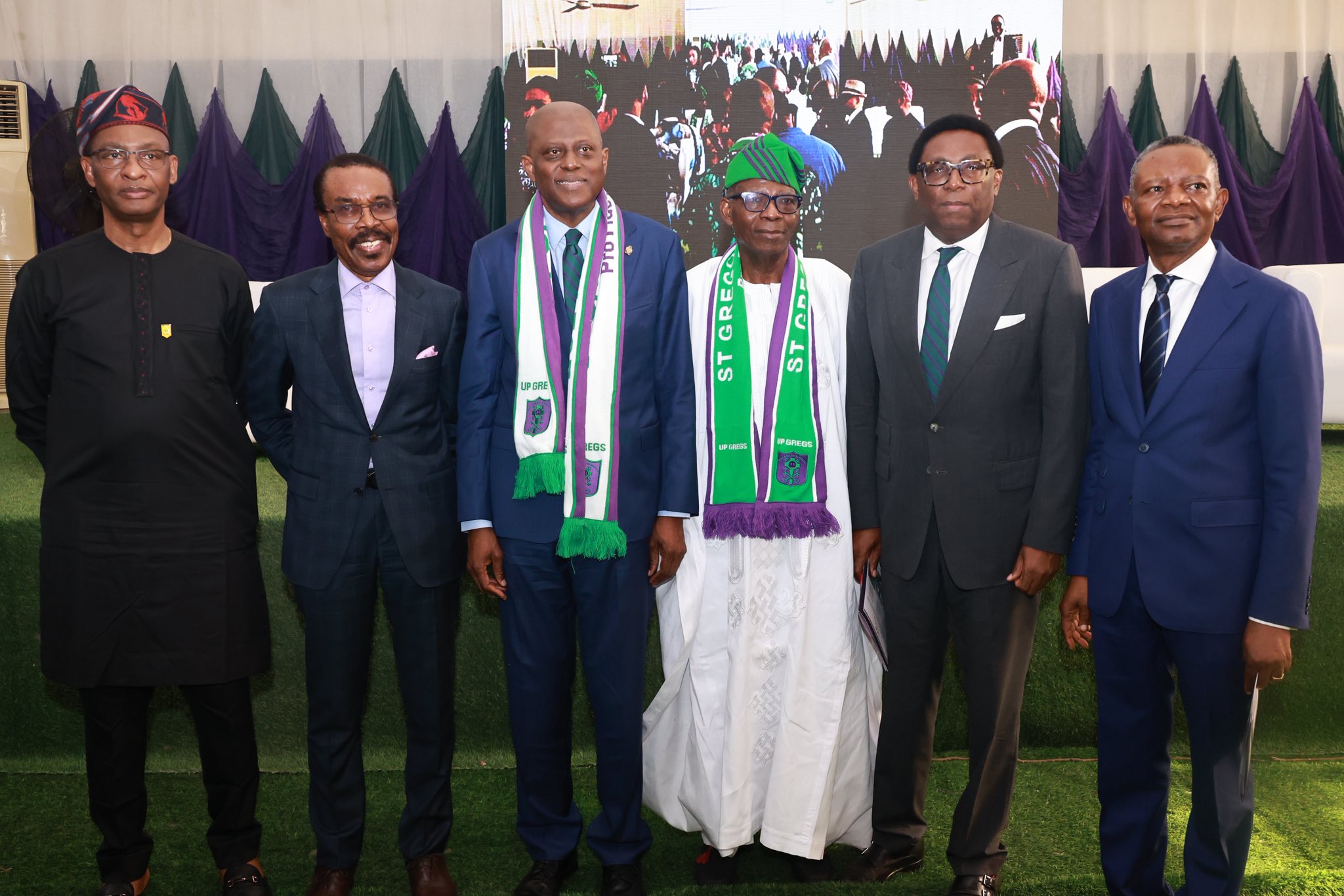
Speaking at the 2026 Distinguished Alumni Lecture of St. Gregory’s College Old Boys’ Association, held as part of the Founders’ Day celebration of St. Gregory’s College in Lagos, Cardoso delivered a message that resonated beyond the school community—one that speaks directly to the future of Nigeria’s economy and the role of institutions in shaping it.
In a lecture that blended economic insight with social responsibility, the CBN Governor stressed that the macroeconomic reforms implemented over the past two years are already strengthening Nigeria’s resilience in the face of global and domestic uncertainties.
“The macroeconomic reforms and policy buffers we have built over the past two years have placed Nigeria in a far stronger position to navigate challenges. The storms may come, but our house will stand firm. Strong foundations matter—whether for individuals, institutions, or nations,” Cardoso stated.
His remarks come at a time when many Nigerians continue to grapple with economic pressures, underscoring the broader social impact of sound financial governance. Analysts note that stable monetary policies and credible institutions are essential not only for investor confidence but also for protecting livelihoods, curbing inflation, and enabling inclusive opportunities.
Cardoso further emphasised that the responsibility of nation-building transcends government alone, calling on educational institutions, private sector leaders, and citizens to embrace discipline, integrity, and long-term thinking.
“If we build those foundations well—in our schools, in our institutions, and in our financial system—then Nigeria’s future will be not only promising, but secure. And that is the responsibility of every generation,” he said.
Highlighting the intersection of technology and finance, the CBN Governor pointed to the need for a balanced approach that merges innovation with ethical standards. According to him, Nigeria must leverage digital transformation while safeguarding trust and accountability within the financial system.
“By combining innovation with discipline, technology with integrity, and opportunity with responsibility, we can ensure that Nigeria’s financial system not only adapts to the digital age but thrives in it. This is the bridge between strong foundations today and sustainable growth tomorrow,” Cardoso added.
The lecture, attended by alumni, students, and stakeholders, served as a reminder that education and values remain central to national development. For many young Nigerians in attendance, the message was clear: the strength of tomorrow’s economy will depend on the principles upheld today.
As Nigeria continues its reform journey, voices like Cardoso’s are shaping a narrative that places accountability, resilience, and shared responsibility at the heart of economic transformation—offering hope that sustainable growth can translate into real social impact for millions.