


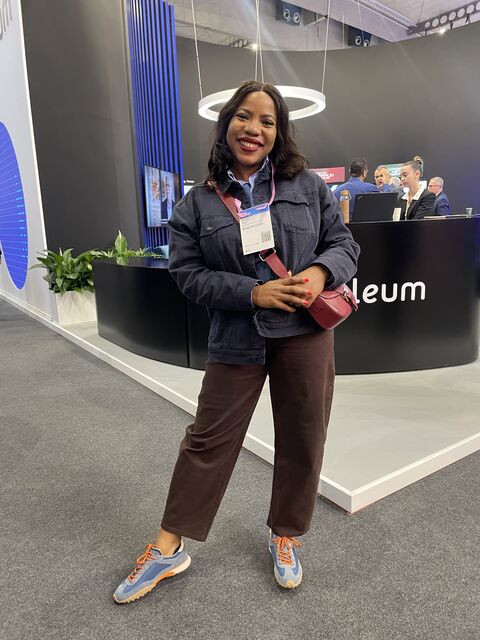
Global technology leaders, policymakers, and industry innovators gathered in Barcelona last week for Mobile World Congress 2026, one of the world’s largest technology and connectivity conferences. Among the voices emphasizing Africa’s growing role in the digital future was policy strategist Nnenna Irebisi-Okoli, who described the event as a platform for critical conversations about connectivity, artificial intelligence, and the infrastructure shaping tomorrow’s digital economy.
Irebisi-Okoli, a government strategy and digital transformation expert focused on Sub-Saharan Africa, said the conference provided an important opportunity to engage with global leaders on the policies required to support next-generation technologies. Discussions brought together government ministers, telecommunications regulators, and private-sector executives to examine how emerging technologies such as 5G, Artificial Intelligence, and satellite connectivity will reshape the global communications landscape.
According to her, the policy and government-focused sessions stood out as a major highlight of the conference. These discussions explored how governments and industry can work together to create regulatory environments that support innovation while ensuring responsible and inclusive technology deployment.
For Irebisi-Okoli, the conversations also reinforced a key message: Africa stands at a significant turning point in its digital transformation journey.
As next-generation networks and AI-enabled infrastructure continue to develop globally, she stressed that the priority must be ensuring these technologies deliver real, measurable benefits for emerging markets. Expanding digital access, strengthening infrastructure, and building inclusive ecosystems will be essential if African countries are to fully benefit from the next wave of technological innovation.
“Africa has a major opportunity in this moment,” she noted, emphasizing that the challenge now is translating global technological advancement into meaningful economic and social impact across developing economies.
Beyond formal sessions, the conference also served as a hub for networking and collaboration among leaders in the global technology community. Irebisi-Okoli described reconnecting with colleagues and building new professional relationships as another highlight of the week.
One particularly memorable moment was her meeting with Bitange Ndemo, a Kenyan academic and former policymaker widely recognized for his contributions to Africa’s digital development.
That meeting was part of a personal initiative she shares with Stella Gichuhi, which began in Morocco in 2023. The two set a goal to connect with every person of colour they encountered at major global technology gatherings—an effort aimed at building stronger networks and representation within international tech spaces that often lack diversity.
What started as a simple goal has since grown into a meaningful tradition, leading to numerous connections, conversations, and collaborations across the global tech ecosystem.
Reflecting on the experience at Mobile World Congress, Irebisi-Okoli said these moments of community and connection are just as valuable as the formal discussions on stage.
As conversations about the future of digital infrastructure continue globally, she expressed optimism about the partnerships emerging from the event and the role Africa can play in shaping the next chapter of technology innovation.
With growing momentum around connectivity, AI, and policy development, leaders like Irebisi-Okoli believe collaboration between governments, industry, and global partners will be key to unlocking the continent’s digital potential.