

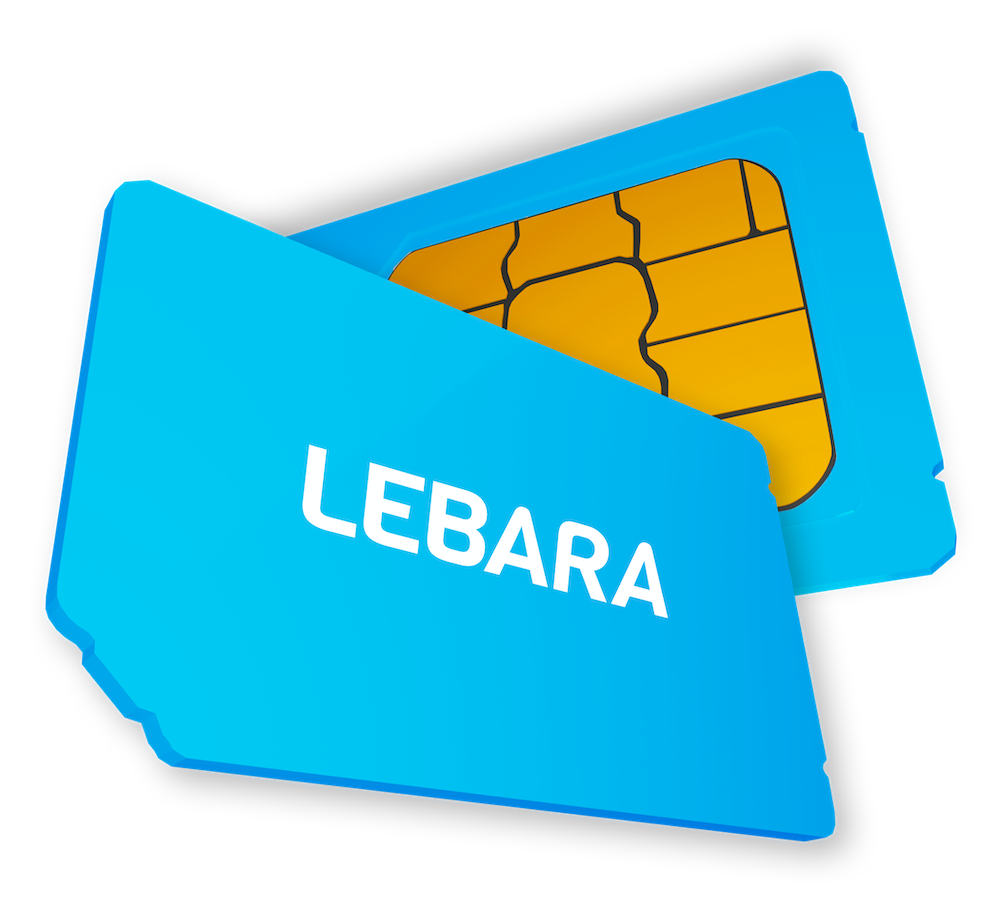
The entry of global telecommunications brand Lebara into Nigeria is emerging as a powerful testament to the effectiveness of the regulatory reforms championed by the Nigerian Communications Commission (NCC), reinforcing the Commission’s growing reputation as a catalyst for foreign direct investment (FDI) in Africa’s largest telecommunications market.
Industry experts say the development underscores the NCC’s strategic commitment to building a competitive, investor-friendly telecom ecosystem capable of attracting global technology companies seeking expansion into high-growth digital markets.
The milestone was marked during a private launch event attended by stakeholders across the telecommunications, legal, and technology sectors, where legal adviser Michael Isokpehi acknowledged his involvement in providing legal support on the project. According to him, the expansion represents an exciting convergence of technology, connectivity, and regulatory innovation within Nigeria’s telecom space.
NCC’s Regulatory Vision Driving Global Confidence
Over the past decade, the Nigerian Communications Commission has steadily repositioned the country’s telecom industry through forward-looking regulatory frameworks designed to encourage innovation, expand market participation, and stimulate investment.
One of the Commission’s most impactful policy initiatives has been the introduction of the Mobile Virtual Network Operator (MVNO) licensing framework, a regulatory model that allows new telecom operators to deliver services by leveraging the infrastructure of existing network providers.
This initiative significantly lowers the barrier to entry for international telecom brands seeking to operate in Nigeria, while simultaneously encouraging competition and service innovation.
Lebara’s arrival is widely seen as one of the clearest indicators that these reforms are working.
By opening the market to MVNO operators, the NCC has created a pathway for global telecom companies to enter Nigeria without the enormous capital requirements traditionally associated with building nationwide network infrastructure.
Unlocking Foreign Direct Investment in the Telecom Sector
Nigeria’s telecommunications sector remains one of the most critical drivers of the national economy, contributing billions of dollars annually and supporting millions of digital jobs across industries.
Through regulatory clarity, transparency, and policy consistency, the NCC has been instrumental in attracting sustained foreign investment into the sector.
Lebara’s entry therefore represents more than the launch of a new telecom brand—it signals growing international confidence in Nigeria’s regulatory environment.
Analysts say this confidence is particularly significant at a time when global investors are carefully evaluating emerging markets for stability, scalability, and regulatory predictability.
With Nigeria’s population exceeding 220 million people and internet penetration continuing to rise, the country offers enormous opportunities for telecom and digital service providers.
Strengthening Competition and Expanding Consumer Benefits
Lebara’s participation in the Nigerian telecom ecosystem will introduce additional competition in a sector currently led by operators such as MTN Nigeria, Airtel Nigeria, Globacom, and 9mobile.
The NCC has consistently emphasized that competition remains essential for improving service quality, reducing costs, and stimulating innovation within the telecommunications market.
By enabling new entrants through progressive licensing frameworks, the regulator is ensuring that Nigerian consumers benefit from broader choices, improved connectivity solutions, and more affordable telecommunications services.
Supporting Nigeria’s Digital Economy Ambitions
Lebara’s expansion also aligns with Nigeria’s broader ambition to build a thriving digital economy supported by robust telecommunications infrastructure.
Telecom connectivity remains the backbone of critical sectors including fintech, digital media, e-commerce, education technology, healthcare technology, and cloud-based enterprise services.
The NCC’s regulatory initiatives are therefore playing a pivotal role in enabling the infrastructure needed for Nigeria’s digital transformation.
With increased international participation in the telecom space, the country stands to gain not only investment capital but also technological expertise, global best practices, and advanced digital service platforms.
A Clear Signal of Regulatory Success
For industry watchers, Lebara’s entry offers compelling evidence that Nigeria’s telecom regulator is successfully balancing two key priorities: protecting consumers while creating an enabling environment for global investment.
The Nigerian Communications Commission’s sustained regulatory reforms—from MVNO licensing to spectrum management and quality-of-service enforcement—are gradually transforming the country into one of Africa’s most attractive telecommunications destinations.
As more international telecom brands explore opportunities in the Nigerian market, the impact of these regulatory strides is expected to deepen, bringing new investments, expanded connectivity, and accelerated digital innovation.
Ultimately, Lebara’s arrival is not just a corporate expansion—it is a powerful affirmation that Nigeria’s telecom regulatory framework is working, positioning the nation as a leading hub for telecommunications investment and digital growth across the African continent.
Anthony Emeka Nwosu