








As the world marks International Women’s Day, investors and business leaders are drawing attention to the often-unrecognized contributions of women working across challenging environments—from underserved communities to conflict zones.
Among those advocating for greater support is Surayyah Ahmad, who used the occasion to spotlight women whose efforts rarely receive public recognition. She emphasized the resilience of women managing multiple responsibilities daily, including those operating businesses and supporting families under difficult circumstances.
Ahmad noted that these realities continue to shape the mission of investment initiatives such as Sabou Capital and YEIB Investment Funds, which focus on expanding access to capital for women and young female entrepreneurs.
According to Ahmad, half of Sabou Capital’s investment portfolio is directed toward women-led businesses in underserved regions. She explained that the strategy is not only about inclusion but also financial performance, pointing to research indicating that female-led enterprises can generate strong returns for investors.
The organization’s approach includes bringing funding opportunities directly to communities where women operate, aiming to reduce barriers such as limited networks, mobility constraints, and restricted access to financial systems.
Meanwhile, YEIB Investment Funds target young women entrepreneurs—an often overlooked demographic that faces compounded barriers related to both gender and age. By supporting early-stage opportunities, the initiative seeks to broaden economic participation and create pathways for emerging female leaders.
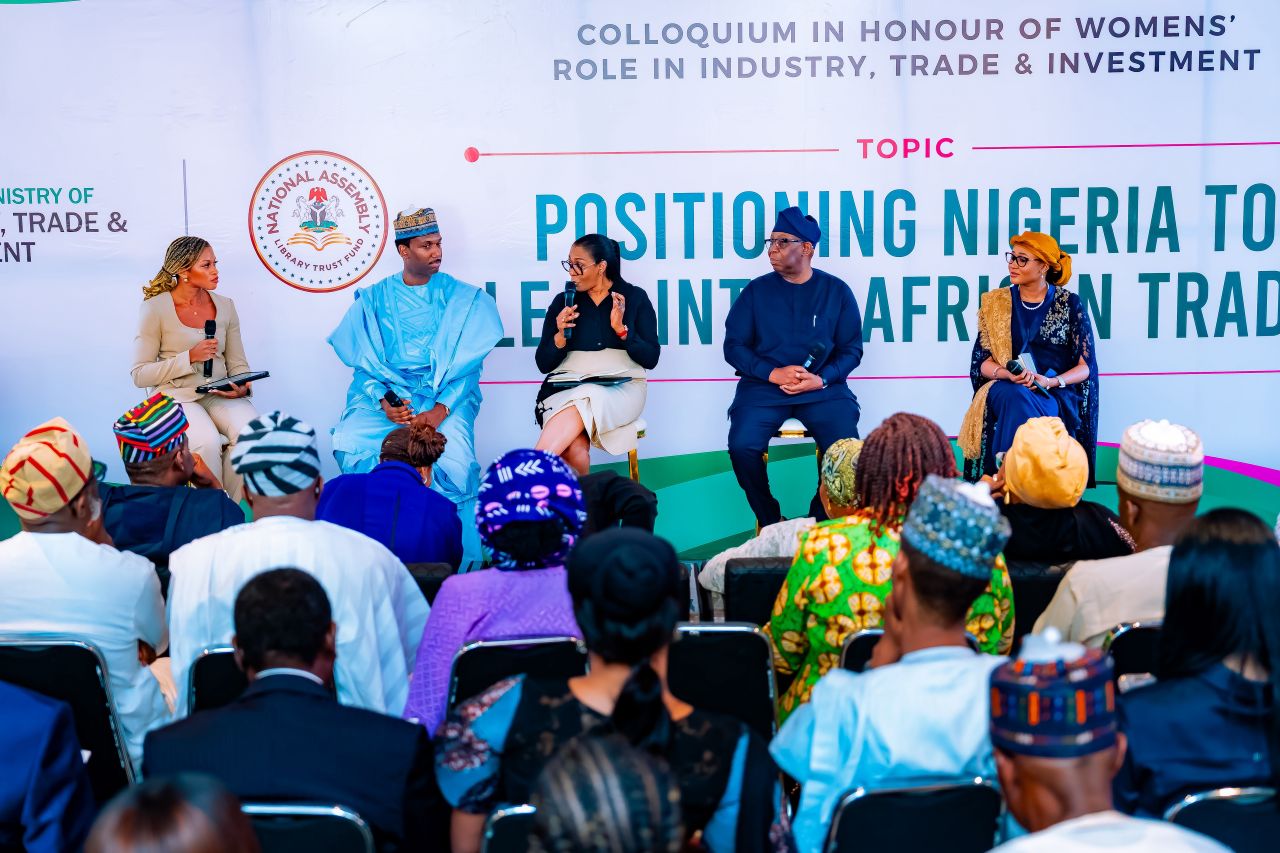
The issue of gender equity in business financing was also discussed at a recent International Women’s Day panel hosted by Jumoke Oduwole. The discussion brought together policymakers, investors, and entrepreneurs to examine how targeted funding and inclusive policies can accelerate progress for women in business.
Participants at the event—including industry figures such as Kofo Akinkugbe, Wale Adeosun, and Phillipa Osakwe-Okoye—emphasized that women have long been active contributors to economic growth. The challenge, they noted, has been ensuring that their work receives adequate investment and institutional support.
As global conversations around gender equity continue, advocates say the focus is shifting from recognition to action—particularly in funding women-led enterprises that have historically been overlooked.
Observers say initiatives that prioritize access to capital and mentorship could play a crucial role in unlocking the economic potential of women entrepreneurs worldwide.