


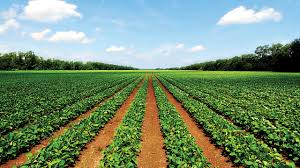






Nigeria’s agriculture sector has solidified its position as the largest contributor to the country’s economy, reaching an estimated value of ₦101.46 trillion in 2025, according to recent economic data highlighting the nation’s leading industries. The figures underscore the sector’s dominant role in Nigeria’s Gross Domestic Product (GDP) and its continuing importance in shaping the country’s economic trajectory.
The latest data indicates that agriculture remains significantly ahead of other major sectors. The trade sector ranks as the second-largest contributor with an estimated value of ₦83.73 trillion, reflecting the strength of commercial activity and market exchanges across the country. Real estate follows in third place with ₦58.16 trillion, supported by continued investment in property development, housing, and land assets.
Other sectors also play key roles in the economy. The information and technology sector contributes ₦40.48 trillion, highlighting the steady growth of Nigeria’s digital economy and the increasing integration of technology across industries. Manufacturing contributes ₦36.46 trillion, demonstrating the importance of industrial production and locally manufactured goods to economic development.
In addition, the construction sector accounts for ₦19.36 trillion, driven largely by infrastructure projects and building developments across the country. The finance and insurance sector contributes ₦14.22 trillion, reflecting activity within banking, financial services, and insurance markets.
Further contributions come from mining and quarrying, which generates ₦12.46 trillion, while public administration contributes ₦12.32 trillion, largely tied to government operations and expenditure. Rounding out the top ten sectors is professional services, which contributes ₦11.40 trillion, encompassing consulting, legal services, accounting, and other specialized professional industries.
The gap between the leading sectors is particularly notable. Agriculture alone exceeds the third-largest sector, real estate, by approximately ₦43 trillion, underscoring the structural strength of the sector within Nigeria’s economic framework.
Speaking on the significance of the figures, economic analyst Emmanuel Emmanuel said the numbers clearly indicate where the country’s economic momentum currently lies.
“₦101.46 trillion is not just a statistic; it shows the scale of agriculture’s impact on Nigeria’s economy,” he said. “For investors and business leaders looking for real opportunities, the GDP numbers make it clear that agriculture remains the backbone of economic activity.”
However, experts note that the most significant opportunities within the sector extend beyond primary farming activities. Much of the untapped potential lies in the infrastructure and systems that support agricultural production and distribution.
Nigeria currently faces significant post-harvest losses estimated at nearly 40 percent, largely due to inadequate storage facilities, limited processing capacity, and inefficient logistics networks. According to Emmanuel, addressing these gaps could unlock massive economic value.
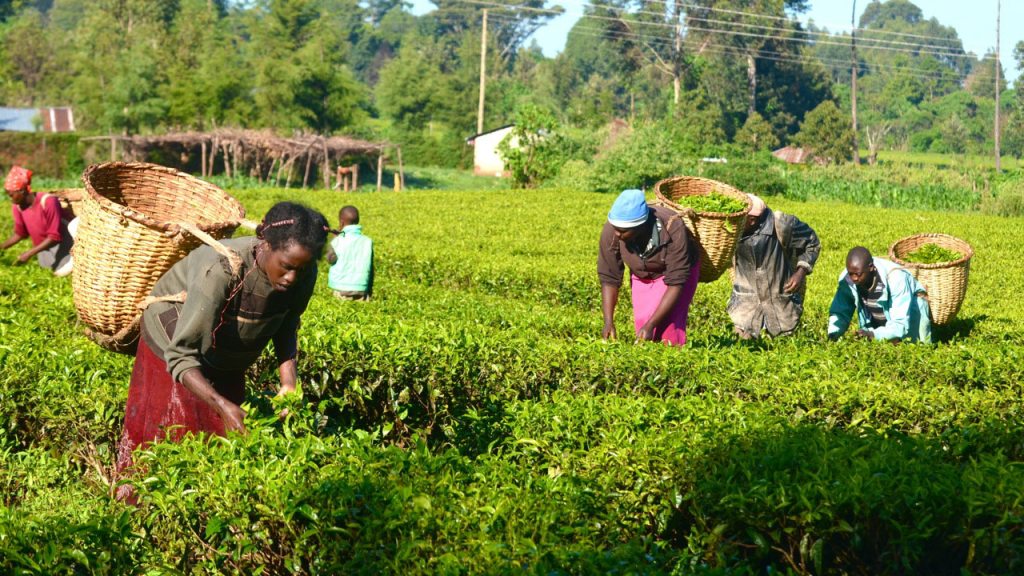
“The biggest opportunities in agriculture are not necessarily on the farm,” he explained. “They are in the systems around agriculture — storage infrastructure, processing facilities, and logistics networks that connect farmers to markets.”
Industry observers say modern storage systems could dramatically reduce food waste and stabilize supply chains, while improved processing capacity would allow Nigeria to export higher-value agricultural products rather than raw commodities.
Technology-driven logistics and digital supply chains are also expected to play a major role in strengthening the sector. These innovations could improve market access for farmers, enhance traceability in food production, and increase efficiency in the movement of goods from farms to consumers.
Emmanuel emphasized that building a strong agricultural ecosystem will require more than increasing the number of farmers in the country.
“Nigeria doesn’t just need more farmers,” he said. “Nigeria needs builders of the agricultural ecosystem — the people creating the infrastructure, technology, and supply chains that make agriculture work at scale.”
As Nigeria continues efforts to diversify its economy and reduce reliance on oil revenues, analysts believe the agricultural sector and its supporting industries will remain central to long-term growth.
Many experts now predict that the next generation of major Nigerian enterprises could emerge from businesses focused on agricultural infrastructure, processing, logistics, and technology — sectors that help transform raw agricultural output into high-value economic activity.