







ANTHONY EMEKA NWOSU
— The Group Chief Executive Officer of NNPC Limited, Bashir Bayo Ojulari (BBO), has called for a fundamental restructuring of Africa’s energy architecture, urging the continent to prioritise accessibility, affordability, and sustainability as pillars of long-term peace and economic stability.
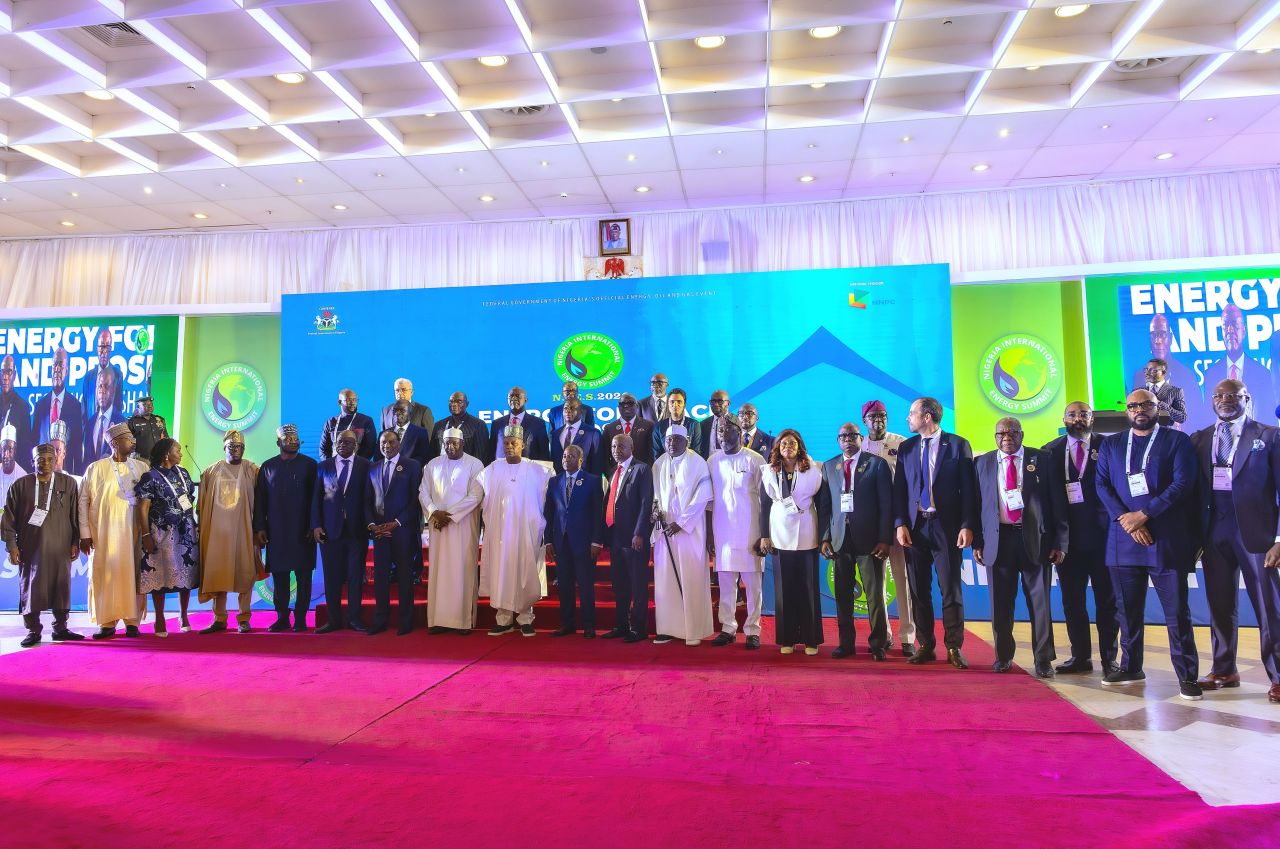
Speaking at the 2026 edition of the Nigeria International Energy Summit (NIES 2026), Ojulari welcomed dignitaries on behalf of NNPC Limited, including Bola Ahmed Tinubu, represented by Vice President Kashim Shettima, and Adama Barrow of The Gambia, alongside policymakers, industry leaders, and international stakeholders.
Energy as a Geopolitical Imperative
In his keynote remarks, Ojulari framed energy not merely as an economic sector but as a stabilising force in global geopolitics.
“Energy is no longer just a sector; it is the lifeblood of global peace,” he stated, underscoring the growing intersection between energy security, economic resilience, and international diplomacy.
His comments come at a time of heightened global energy volatility, supply chain disruptions, and mounting pressure on developing economies to transition toward cleaner energy sources without undermining development goals. For Africa — home to nearly 600 million people without access to electricity — the stakes are particularly high.
The Three Pillars: Accessibility, Affordability, Sustainability
Ojulari proposed a threefold strategic focus for Africa’s energy future:
- Energy Accessibility – Expanding reliable power infrastructure to underserved and rural populations while closing the continent’s electricity access gap.
- Energy Affordability – Ensuring cost-effective supply for households and industries to stimulate economic growth and reduce poverty.
- Energy Sustainability – Advancing cleaner technologies and responsible resource management to align with global climate commitments without stifling industrialisation.
Industry analysts note that balancing these three pillars presents one of Africa’s most complex policy challenges. While the continent holds vast hydrocarbon reserves, it also faces increasing international pressure to decarbonise. The debate over whether Africa should prioritise rapid green transition or leverage its fossil fuel resources for economic transformation remains central to continental energy discourse.
Nigeria’s Leadership Ambition
Ojulari positioned Nigeria as a central driver of this transformation, asserting that the country is prepared to lead Africa’s energy recalibration.
As Africa’s largest oil producer and one of its biggest gas reserve holders, Nigeria occupies a strategic role in shaping continental energy policy. The transformation of NNPC into a limited liability company in 2022 marked a shift toward commercial orientation, governance reform, and increased global competitiveness.
Observers say Nigeria’s ability to lead will depend on several domestic reforms, including:
- Strengthening regulatory certainty under the Petroleum Industry Act
- Addressing infrastructure deficits in refining and gas distribution
- Expanding renewable energy investments
- Enhancing transparency and operational efficiency within the sector
Energy and Continental Peace
A central theme of Ojulari’s address was the link between energy stability and peace. Across Africa, energy poverty has been associated with slowed industrial growth, unemployment, and social instability. By contrast, countries with reliable energy systems often experience stronger economic resilience and improved living standards.
“By achieving this balance,” Ojulari noted, referring to accessibility, affordability, and sustainability, “Africa will anchor a new era of peace and prosperity.”
Policy experts argue that regional cooperation will be critical. Cross-border gas pipelines, integrated power pools, and harmonised regulatory frameworks may determine whether Africa can build a unified energy market capable of competing globally.
A Defining Moment for Africa’s Energy Architecture
The discussions at NIES 2026 reflect a broader continental reckoning: how to power economic expansion, meet climate obligations, and secure energy independence simultaneously.
For NNPC Limited, the summit provided a platform to articulate Nigeria’s intent to act not just as a resource holder, but as a strategic architect of Africa’s energy future.
As global energy systems undergo rapid transformation, Africa’s decisions in the coming decade may shape not only its development trajectory but also its role within the global energy order.