


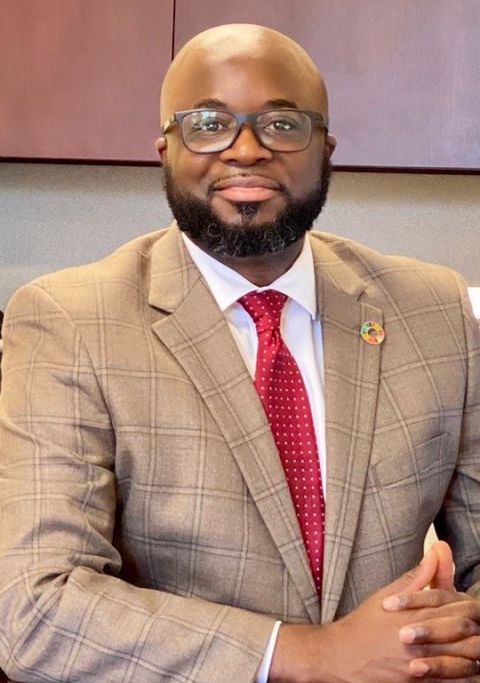






Arrey Obenson, Global Nonprofit CEO and governance expert, has issued a stark warning that the world is at a turning point, urging the creation of a new global framework to replace what he describes as a crumbling international order.
In a statement titled “After Tehran: Why 2026 Demands a New Global Rulebook,” Obenson pointed to recent geopolitical shocks—including the U.S. attack on Iran, the capture of Venezuela’s president, and Russia’s ongoing war in Ukraine—as evidence that powerful nations are increasingly disregarding established multilateral norms.
For eight decades, the United Nations has served as the cornerstone of global cooperation, but Obenson argued its authority is eroding as unilateral actions by major powers undermine its relevance. He stressed that challenges such as pandemics, climate change, human rights, and digital threats are too vast for any single nation to tackle alone.
Obenson called for a shift “from power to principles,” highlighting the growing influence of the private sector. He urged technology firms, investors, and philanthropists to act as accountable partners in advancing dignity, rights, and sustainability worldwide.
His proposed framework includes:
- Updating the UN Charter to prioritize human dignity and sustainability over raw power.
- Mobilizing private wealth for public good, ensuring businesses and philanthropists contribute meaningfully to education, health, human rights, and climate action.
- Radical transparency, leveraging tools such as open data, blockchain, and citizen-driven oversight to hold both governments and corporations accountable.
“The world may not get another chance to rewrite the rules,” Obenson warned. “If we want a future where right matters more than might, we have to build it—together, and now.”
This call reflects growing concern among global leaders that without reform, the international system risks sliding into an era where raw power dictates outcomes, leaving collective challenges unresolved.