



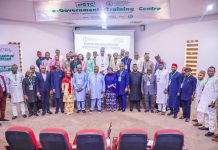





Nigeria’s renewable energy policy debate has gained renewed attention following remarks delivered by Terseer Ugbor, a member of the Nigerian House of Representatives, during the National Stakeholder Engagement on the proposed ban on the importation of solar panels into Nigeria. The event, which brought together policymakers, environmental advocates, and renewable energy stakeholders, was organized by Global Initiative for Food Security and Ecosystem Preservation (GIFSEP) in partnership with Solar Power Nigeria and hosted at the Yar’Adua Foundation.
The proposed ban on solar panel imports has sparked nationwide discussions about Nigeria’s energy independence strategy, industrial policy, and consumer protection concerns. Speaking at the engagement, Ugbor emphasized the need for a carefully managed transition toward local solar component manufacturing rather than an immediate import prohibition. He warned that while supporting local renewable energy manufacturing is important, policymakers must ensure that domestic production capacity is sufficiently developed to meet Nigeria’s growing demand for solar energy solutions.
Ugbor explained that Nigeria’s renewable energy sector is still in a developmental phase, and any abrupt import restrictions could lead to supply shortages, price inflation, and reduced accessibility of clean energy technologies for households and businesses. He stressed that the country’s clean energy transition must be implemented through a balanced policy framework that supports both local industrial growth and consumer affordability. According to him, sustainable energy policies must prioritize market stability while simultaneously encouraging investments in local manufacturing ecosystems for solar technology components.
The lawmaker’s comments also highlighted the broader economic implications of renewable energy policy decisions in developing economies. Solar technology has become a critical component of Nigeria’s energy diversification strategy as the country seeks alternatives to fossil fuel dependency and unreliable grid electricity supply. However, stakeholders at the forum noted that domestic solar manufacturing infrastructure still requires significant investment in research, production technology, and workforce training before it can fully replace imported components.
Ugbor, who serves in several environmental leadership roles within the National Assembly, reiterated his commitment to advancing Nigeria’s environmental sustainability agenda. He currently serves as Deputy Chairman of the House Committee on Environment, Chairman of the Adhoc Committee on Preparedness for the Single-Use Plastic Ban, and Chairman of the Environmental Sub-Committee on Illegal Used Battery Disposal in Nigeria. Through these legislative and oversight roles, he has been actively involved in shaping environmental protection policies and promoting sustainable industrial practices.
Participants at the stakeholder engagement also discussed Nigeria’s broader commitments to global climate goals and the United Nations Sustainable Development Goals. Clean energy transition strategies are increasingly viewed as essential to improving environmental health outcomes, reducing carbon emissions, and expanding access to reliable electricity for underserved communities. However, industry representatives cautioned that policy decisions must be accompanied by targeted investment incentives, local manufacturing support programs, and workforce development initiatives.
Policy analysts have suggested that rather than implementing a full import ban, Nigeria could adopt a phased localization strategy that encourages foreign direct investment in domestic solar manufacturing while protecting consumers from sudden price shocks. Such an approach could allow local manufacturers time to scale production capacity while maintaining steady access to renewable energy technologies in the marketplace.
The stakeholder forum concluded with calls for stronger public-private partnerships in Nigeria’s renewable energy sector, increased investment in green technology innovation, and the development of policies that support both environmental sustainability and economic growth. As Nigeria continues its energy transition journey, policymakers face the challenge of balancing industrial development, environmental protection, and energy accessibility for millions of citizens who depend on affordable power solutions.