


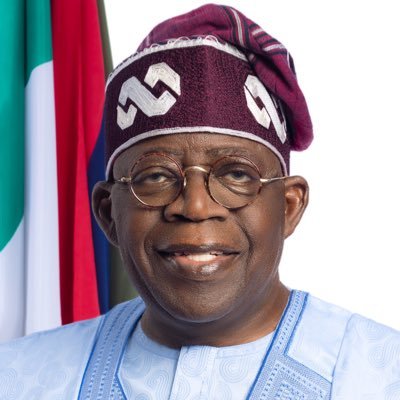
In a decisive move to restructure Nigeria’s oil and gas revenue framework, President Bola Ahmed Tinubu has signed Executive Order 9 of 2026, a directive aimed at eliminating long-standing fiscal distortions that have weakened remittances to the Federation Account.
The Executive Order—formally titled the Presidential Executive Order to Safeguard Federation Oil and Gas Revenues and Provide Regulatory Clarity, 2026—took effect on February 13, 2026, and has been officially gazetted. It mandates that all Royalty Oil, Tax Oil, Profit Oil, Profit Gas, and other government entitlements under Production Sharing Contracts and related agreements be paid directly into the Federation Account.
Ending Revenue Leakages
For years, fiscal experts and subnational governments have raised concerns over deductions applied to oil and gas revenues before funds are transferred to the Federation Account—the constitutionally recognized pool of shared national revenue. Critics argue that layered charges and retention mechanisms have reduced funds available for federal, state, and local governments, affecting development planning and service delivery.
Announcing the reform, President Tinubu described it as a necessary step to restore fairness and constitutional order.
“For too long, excessive deductions, overlapping funds, and structural distortions in the oil and gas sector have weakened remittances to the Federation Account,” the President said. “When revenues meant for federal, state, and local governments are trapped in layers of charges and retention mechanisms, development suffers. That must end.”
Under the new directive, the additional 30 percent management fee and the 30 percent Frontier Exploration deduction will no longer impede the direct remittance of government entitlements.
Strengthening Transparency and Fiscal Discipline
The Presidency said the reform is anchored on transparency, accountability, and strict compliance with constitutional provisions governing public revenue.
“Our objective is transparency, accountability, and full constitutional compliance,” President Tinubu stated. “Oil and gas revenues must serve the Nigerian people first, and this reform is about fairness and fiscal responsibility.”
The administration also signaled plans to review aspects of the Petroleum Industry Act to address structural and fiscal gaps, while an Implementation Committee has been approved to ensure coordinated enforcement of the Executive Order.
Clarifying NNPC Limited’s Commercial Mandate
A key component of the directive reinforces the commercial role of , which was restructured under the Petroleum Industry Act.
“NNPC Limited will operate strictly as a commercial enterprise, as intended under law. The era of duplicative deductions and fragmented oversight is over,” the President declared.
National Interest at the Forefront
Linking the reform to broader national priorities, Tinubu emphasized the need to protect public funds as Nigeria strengthens security, invests in healthcare and education, stabilizes the economy, and advances its energy transition.
“Nigeria can no longer afford leakage where there should be leadership. We are safeguarding the Federation Account. We are strengthening our budget. We are acting in the national interest,” he said.
“This was my promise to Nigerians when I asked for this job. Nigeria First.”
As implementation begins, stakeholders across the oil and gas industry and all tiers of government will be watching closely to assess the impact of the reform on national revenue flows and fiscal stability.