








A globally recognized storyteller and visual producer has revealed how a deeply personal experience during a battle with cancer transformed his professional philosophy and approach to documenting history.
Tolani Alli, a Nigerian creative strategist whose career has spanned work with the Oyo State Governor’s Office, Nigeria’s Presidency, the African Development Bank, and the World Bank, recounted how attending his brother’s wedding years ago became a defining moment in both his life and career.
At the time, Alli was undergoing treatment for cancer and had been given a grim medical prognosis. Determined to defy expectations, he made a personal vow to attend the wedding in Nigeria despite his condition. He fulfilled that promise.
However, when the official wedding album was delivered, Alli discovered he was missing from the family photographs. The photographer had organized group photos without confirming the full list of siblings and family members, capturing only those visibly present without verifying who should be included.
For Alli, the omission carried emotional weight. After fighting for his life and clinging to the wedding as a symbol of survival, being absent from the images felt deeply painful.
“Photographs are not just images,” he reflected. “They are evidence that you were there, that you mattered, that you belonged.”
That experience became a turning point. Alli vowed that if he ever took on the responsibility of documenting events, no individual would be overlooked. He committed to intentionally confirming every participant in group photographs — ensuring siblings, children, and parents were accounted for before capturing moments that could never be recreated.
The conviction has since shaped his professional work, particularly in documenting high-level principals and institutional events. According to Alli, while titles and offices change, family photographs and milestone images become part of a lasting inheritance.
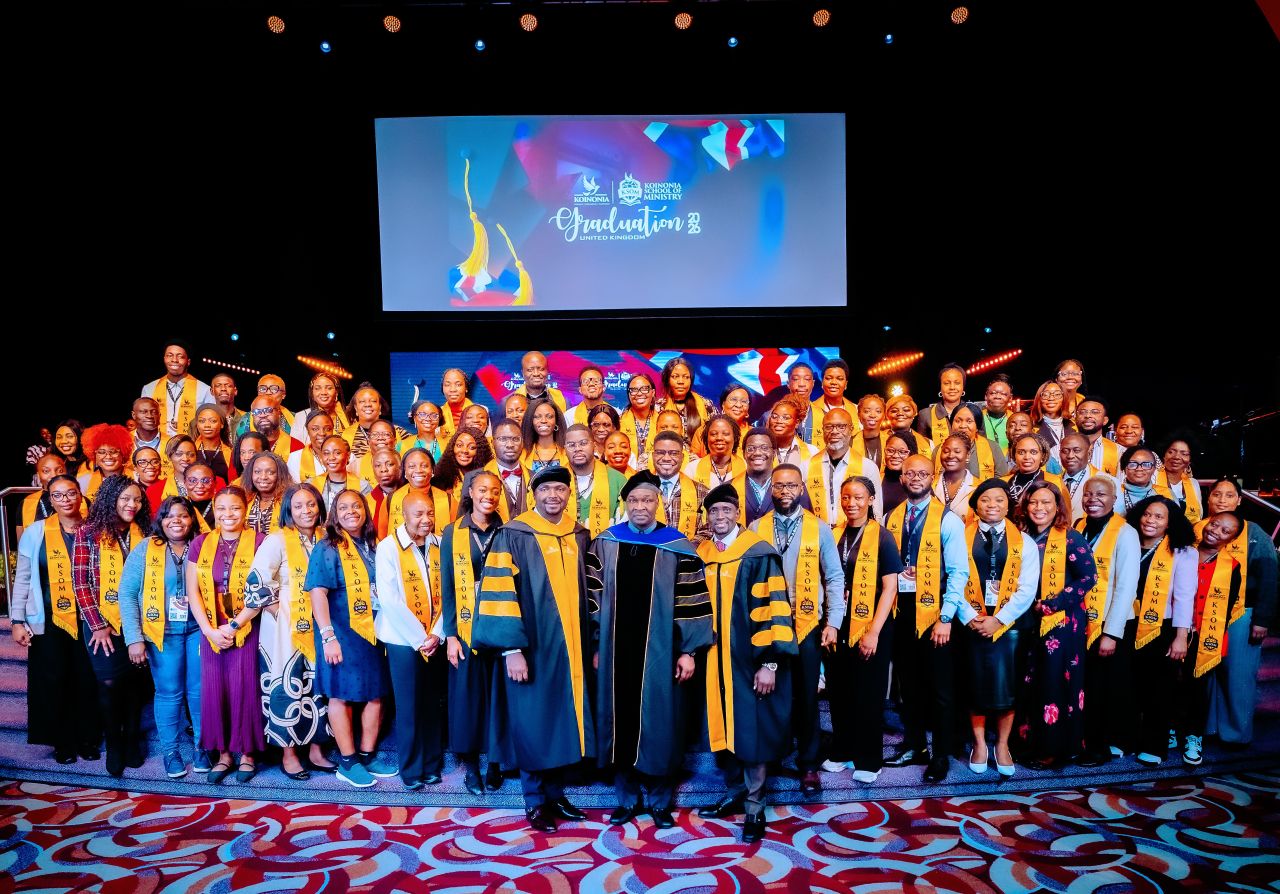
Most recently, at an event hosted by KSOM UK, Alli led a comprehensive documentation effort that ensured more than 1,600 students were fully represented in their graduation images. He said he carefully reviewed past event photos, coordinated lighting logistics, and insisted on maintaining high standards despite time constraints.
“No one missing. No one cropped out of memory,” he emphasized.
Alli described receiving a message from a student expressing gratitude for the photographs as a “full circle moment,” viewing it as redemption for a quiet heartbreak from years earlier.
He maintains that excellence is not about ego, but responsibility — a habit formed through consistent, intentional action.
For Alli, the lesson remains clear: moments pass, but how they are preserved can last for generations.