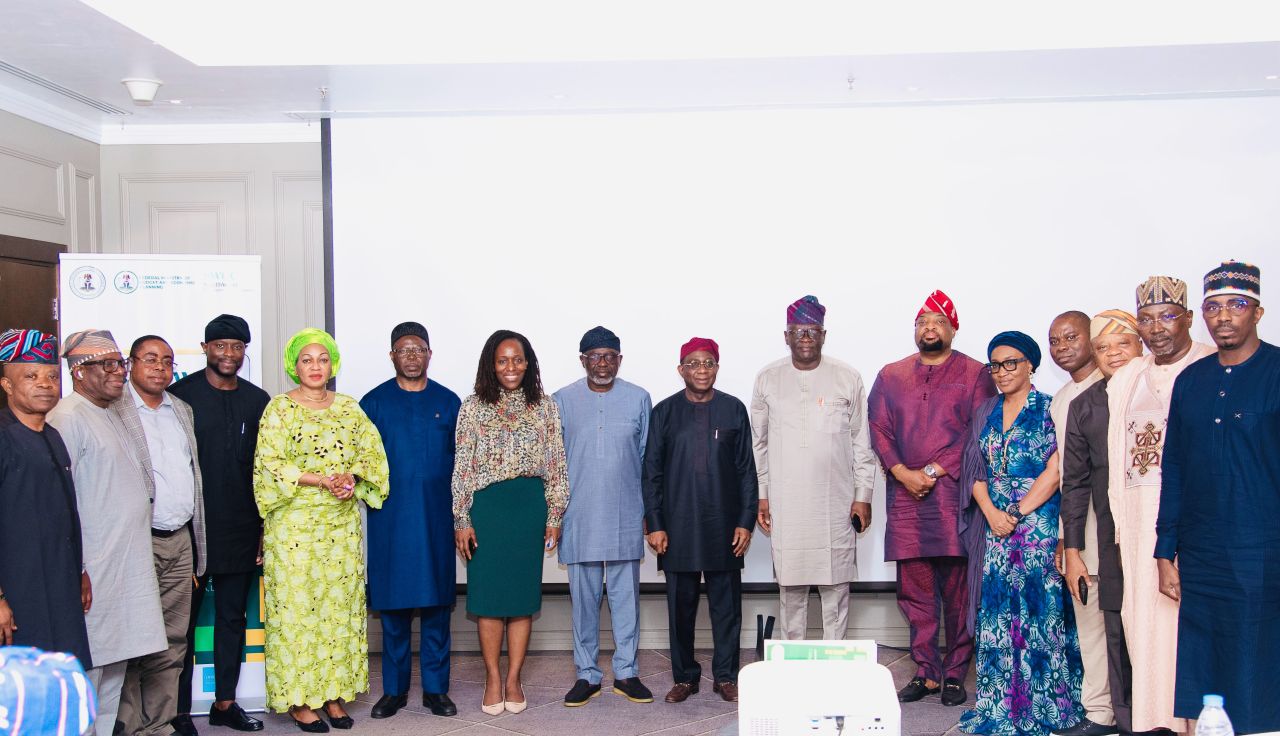
Lagos, Nigeria – At the inaugural Regional Development Clinic for Nigeria’s South West region, global platform and technology executive Daniel Adeboyejo, specializing in banking, payments, and financial infrastructure, addressed the pressing challenge of infrastructure development in high-growth regions. The event was hosted under the auspices of Mariam Temitope Masha, Special Assistant to the Vice President of Nigeria on Regional Development Programs.
In his keynote, Adeboyejo emphasized that while infrastructure debates often begin with funding, the more critical question is whether existing systems can sustain the growing demand. Using a simple yet illustrative story, he explained: a house built for two people with a single bathroom, kitchen, and power line cannot accommodate 50 people by merely repainting or rearranging—capacity must be expanded.
“This structural challenge mirrors what many fast-growing regions face,” he said. “Demand compounds faster than the systems that support housing, mobility, power, water, healthcare, and jobs.”
Adeboyejo outlined the concept of systems thinking in infrastructure development, stressing that roads, power, water, housing, and logistics should not be treated as isolated projects, but as interconnected components of a broader economic engine.
He presented three practical insights for infrastructure planning and financing:
- Capital funds programs, not problems. Bankable projects require clear demand, identifiable payors, thoughtful risk allocation, delivery readiness, and strong governance. Without these fundamentals, projects stall or financial closure is delayed.
- Systems thinking maximizes impact. Before prioritizing interventions, planners should evaluate whether a project strengthens at least two of these areas: food resilience, employment absorption, housing and healthcare, or urban pressure reduction.
- Infrastructure as an economic platform. Well-designed systems increase productivity, enhance employment opportunities, strengthen supply chains, and attract long-term capital.
Adeboyejo lauded the executive leadership of the South West region for their commitment to translating local realities into structured, investable programs and encouraged stakeholders building regional pipelines, financing facilities, or delivery units to engage in dialogue on improving pipeline quality, risk management, and governance practices.
“This is not just about building assets; it is about expanding system capacity over decades,” he noted, highlighting the long-term strategic approach needed to support sustainable development.