


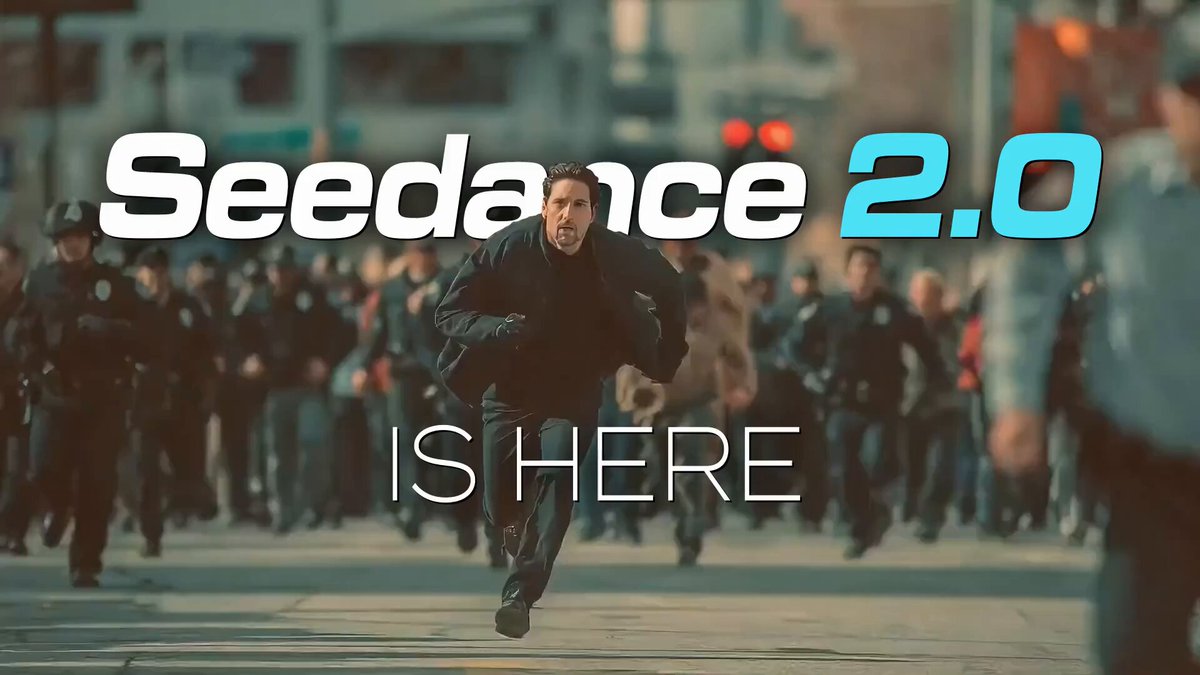
The movie industry has always been shaped by innovation. When sound was introduced, it transformed performance. When color arrived, it reshaped visual storytelling. When CGI matured, it redefined spectacle. Now, with the rise of Seedance 2.0, artificial intelligence is preparing to alter every layer of filmmaking—from scriptwriting to acting, from directing to post-production. This shift is not incremental. It is foundational. And whether the industry embraces it cautiously or aggressively, movies will never be made the same way again.
Seedance 2.0 represents a new generation of AI-powered creative systems capable of generating screenplays, designing characters, simulating performances, building digital environments, and completing complex post-production tasks at unprecedented speed. What once required large crews, expensive equipment, and months of coordination can now be assisted—or in some cases executed—by intelligent algorithms trained on vast libraries of cinematic data. This does not simply streamline filmmaking; it challenges the very definition of who or what creates art.
Scriptwriting is one of the first domains feeling this transformation. Traditionally, storytelling begins with human imagination—writers crafting dialogue, shaping arcs, and refining drafts through months of revisions. With AI systems like Seedance 2.0, a producer can input a concept and receive a structured screenplay within minutes. The AI can analyze popular genres, identify emotional beats that resonate with audiences, and even suggest alternate endings based on data patterns. For studios such as or , this means faster development cycles and potentially lower financial risk. But it also raises pressing questions: if an algorithm can mimic structure and tone, where does human originality stand? Will writers become editors of machine-generated drafts rather than architects of narrative worlds?
Acting, perhaps the most emotionally sensitive craft in cinema, is also entering uncertain territory. Seedance 2.0 can generate digital actors that look astonishingly real. These virtual performers can deliver lines flawlessly, maintain continuity across scenes, and perform physically impossible stunts without fatigue. They do not age, demand contracts, or require reshoots due to scheduling conflicts. For action-heavy franchises, the efficiency is undeniable. However, performance is more than precision. It is vulnerability, spontaneity, and lived experience. A human actor draws from memory and emotion; an AI model draws from data. The difference may be subtle on screen, but it is profound in essence. The fear among performers—and organizations like the have echoed similar concerns for writers—is that digital replication could reduce opportunities for real artists while studios retain control over endlessly reusable virtual likenesses.
Directing, too, is being reshaped. Traditionally, directors interpret scripts, guide actors, collaborate with cinematographers, and shape tone through instinct and vision. With Seedance 2.0, AI can generate multiple visual interpretations of a single scene before a camera even rolls. It can simulate lighting setups, suggest shot compositions based on successful films, and even predict audience engagement metrics. A director may increasingly become a curator of AI-generated possibilities, selecting from options rather than constructing each detail manually. This shift could enhance efficiency and creative exploration, but it also risks diluting the singular artistic voice that defines great cinema. When algorithms suggest “optimal” storytelling choices, will directors feel pressured to follow data over daring instinct?
Cinematography and production design face similar transformations. AI-driven systems can construct entire digital environments without physical sets. A filmmaker in , , or can generate sweeping cityscapes, historical kingdoms, or futuristic planets from a computer. This democratizes spectacle, allowing smaller industries to compete visually with Hollywood blockbusters. Nollywood, for example, could elevate its production scale without ballooning budgets. Yet the tactile magic of real locations—the texture of walls, the unpredictability of natural light—may gradually give way to controlled digital perfection.
Post-production may experience the most dramatic acceleration. Editing, color grading, sound design, and visual effects have traditionally required teams of specialists working painstakingly over months. Seedance 2.0 can automate much of this workflow. It can assemble rough cuts based on emotional pacing, enhance sound quality instantly, remove unwanted objects from frames, and generate high-level visual effects without massive render farms. What once took a year might take weeks. Studios gain efficiency and cost savings, but thousands of behind-the-scenes professionals could see their roles diminished or redefined.
Beyond the technical changes lies a deeper cultural shift. Cinema has always been a collaborative human endeavor—a fusion of talents, personalities, and lived experiences. AI disrupts that collaborative dynamic by introducing a non-human creative participant. It does not tire, argue, or compromise. It processes patterns and predicts outcomes. The danger is not merely job displacement; it is creative homogenization. If AI learns from past successes, it may reinforce formulas rather than challenge them. Cinema’s most groundbreaking moments often came from risk—stories that defied expectations rather than optimized them.
At the same time, it would be simplistic to frame Seedance 2.0 as a villain. Every technological breakthrough once inspired fear. Sound threatened silent film stars. CGI was accused of replacing practical artistry. Streaming was said to end theaters. Yet each innovation expanded storytelling possibilities. AI could become a collaborator rather than a conqueror. Writers might use it to explore alternate plot paths. Directors might experiment with visual concepts previously impossible. Actors could license digital doubles for dangerous scenes while maintaining creative oversight. The industry might evolve into a hybrid ecosystem where human emotion and machine precision coexist.
The question is not whether AI will change filmmaking—it already is. The real question is how much control humans will retain over the creative process. If Seedance 2.0 becomes merely a cost-cutting mechanism, cinema risks losing its emotional core. If it becomes a tool guided by strong artistic values and ethical frameworks, it could usher in a new era of imaginative freedom.
Movies have always reflected humanity’s dreams, fears, and aspirations. Artificial intelligence can simulate those emotions, but it cannot live them. As the industry steps into this new chapter, it must decide whether AI will serve storytelling or reshape it in its own calculated image. Seedance 2.0 is not just another software update. It is a signal that the language of cinema is evolving—and that the future of film will be written not only by human hands, but by intelligent machines working alongside them.