


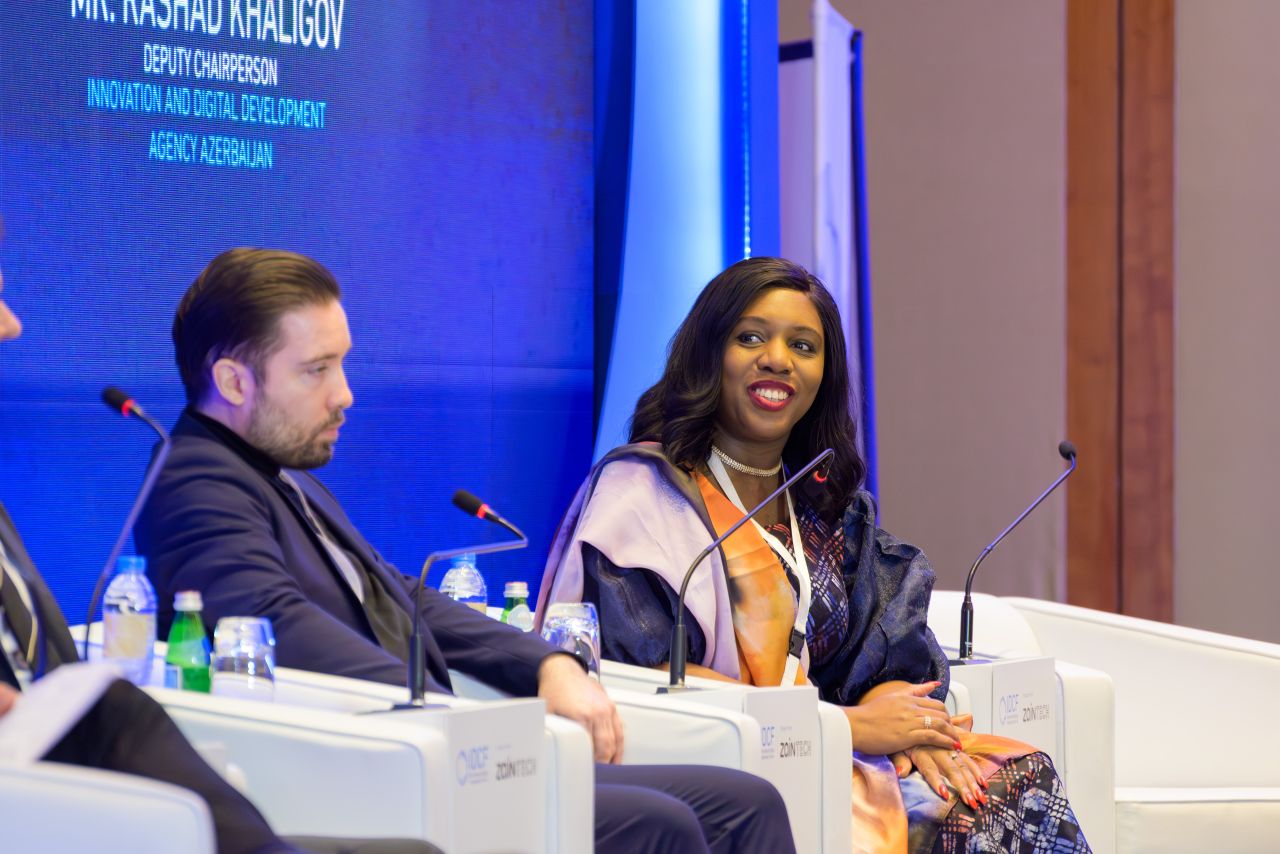






At a high-level side event of the 5th General Assembly of the Digital Cooperation Organization (DCO) in Kuwait City, African tech ecosystem builder and global innovation leader Anna Ekeledo delivered a timely and sobering intervention on the future of AI-driven investment across emerging markets.
Speaking during the International Digital Cooperation Forum panel titled “Fueling Growth: Innovation and Investment as Catalysts for Digital and Social Prosperity,” Ekeledo cautioned that artificial intelligence—while often framed as a neutral and efficient tool—risks reinforcing the very inequities it is expected to solve if deployed without deliberate safeguards.
Her intervention focused on a critical structural challenge: the growing reliance on AI tools to guide investment decision-making, particularly in venture capital and impact finance, at a time when Africa’s innovation ecosystem already suffers from deep and persistent funding asymmetries.
The data, she noted, is stark. Women-led and women-owned businesses across Africa continue to attract less than 10 percent of available venture capital, despite evidence of strong performance and capital efficiency. Geography further compounds this imbalance. Startups operating outside Africa’s dominant innovation hubs—the so-called “Big 4” cities—remain largely invisible to investors, regardless of market relevance or social impact. Entire sectors addressing real economic gaps are sidelined simply because they do not conform to familiar investment templates.
Ekeledo warned that AI systems trained on such skewed historical data risk turning exclusion into infrastructure.
“When biased datasets are fed into automated decision-making systems, discrimination doesn’t just persist—it becomes embedded, invisible, and scalable,” she argued. “At that point, we are no longer just dealing with human bias. We are institutionalising it through technology.”
Rather than rejecting AI outright, Ekeledo made a case for intentional, ecosystem-aware deployment—one that recognises the limitations of algorithms when operating in complex, informal, and rapidly evolving markets like those across Africa.
Central to her recommendations was the role of innovation hubs as critical intermediaries. Unlike automated tools, these hubs engage directly with founders, understand hyper-local market dynamics, and can surface high-potential ventures that fall outside conventional data signals. Treating such hubs as strategic partners, rather than peripheral actors, she argued, is essential for smarter capital allocation.
She also highlighted the importance of pan-African networks such as AfriLabs, which connects innovation hubs across more than 200 cities on the continent. Platforms like Catalytic Africa and AfriLabs Connect Deal Room, she noted, offer investors access to a far broader and more representative pipeline of entrepreneurs, sectors, and regions than traditional sourcing channels allow.
Beyond partnerships, Ekeledo stressed that the long-term solution lies in data justice—the deliberate effort to build AI systems trained on clean, inclusive, and representative datasets. Without this, even well-intentioned investors risk making systematically flawed decisions that undermine both financial returns and social impact.
“Ethical and inclusive AI is not charity,” she emphasised. “It is a strategic advantage. Investors who widen their data lens improve risk assessment, uncover undervalued opportunities, and unlock stronger financial and developmental returns.”
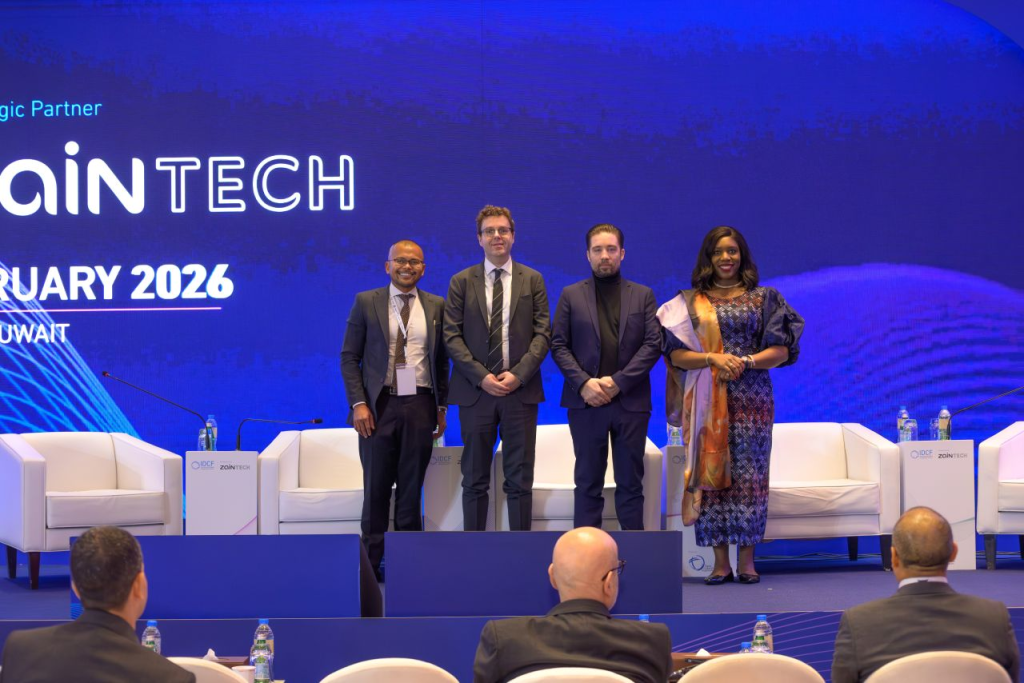
The session, moderated by Richie Santosdiaz, featured contributions from Federico Menna, CEO of 28DIGITAL, and Jascha Stein, Board Chair of People-Centered Internet. Together, the panelists reinforced a growing consensus among global digital leaders: technology alone does not create prosperity—governance, context, and inclusion do.
As AI increasingly shapes the flow of global capital, Ekeledo’s message resonated as both a warning and a roadmap. Without deliberate action, the future of digital finance may simply replicate the inequities of the past—faster and at greater scale. With the right choices, however, AI could become one of the most powerful tools for unlocking Africa’s full innovation potential.