


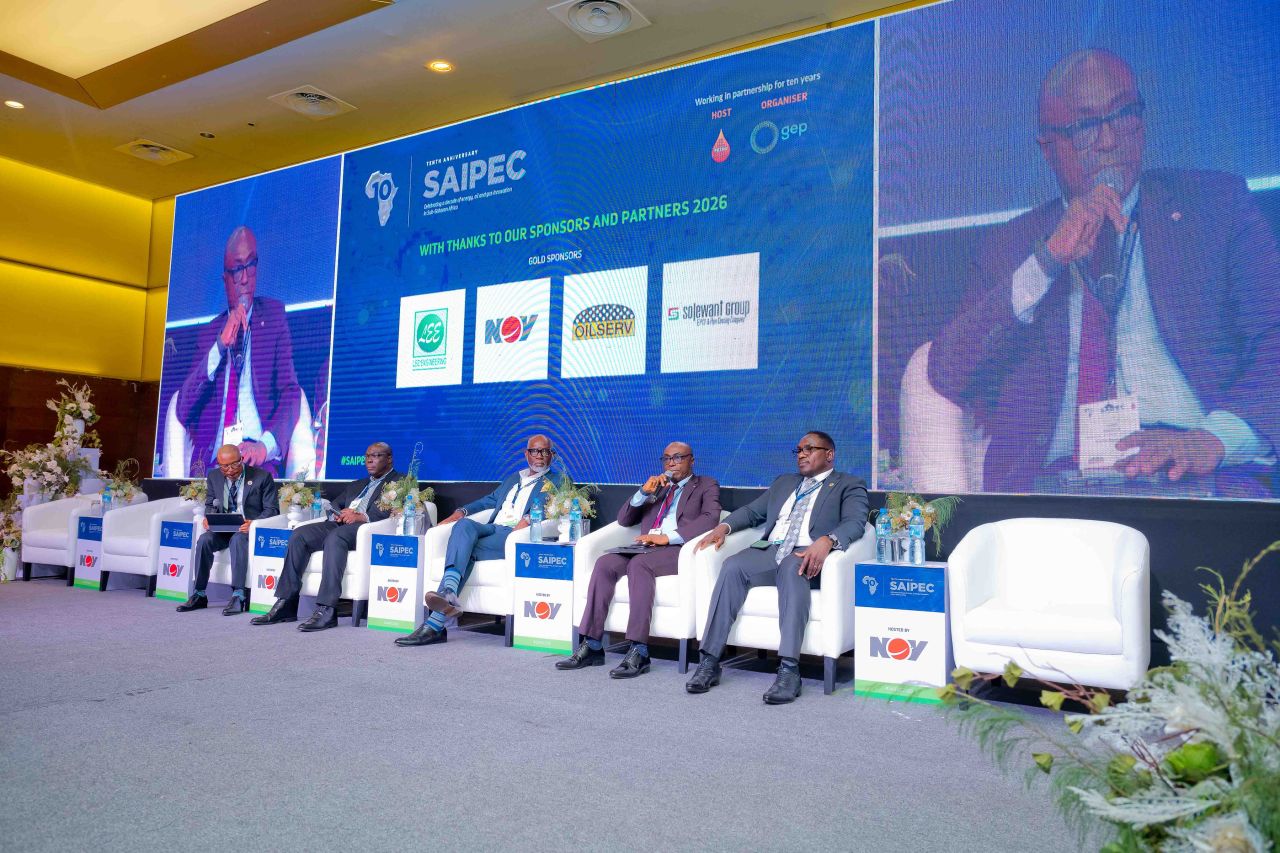




Discussions at the Sub Saharan Africa International Petroleum Exhibition & Conference (SAIPEC) 2026 focused sharply on one of Africa’s most pressing challenges: how indigenous energy producers can bridge the continent’s widening energy gap while meeting the increasingly stringent expectations of global investors.
Addressing industry leaders, policymakers, and financiers, Uzoma Nwokorie, Senior Vice President, Engineering & Projects, framed the conversation around a central issue confronting Africa’s oil and gas sector—the disconnect between strong policy intent and on-ground delivery. He noted that while corporate governance frameworks are essential for building investor confidence, execution remains the true measure of credibility in today’s energy market.
Nwokorie pointed to the persistent power deficit across sub-Saharan Africa as evidence that the continent can no longer afford underperformance in project delivery. According to him, indigenous operators are uniquely positioned to resolve this challenge because of their proximity to assets, communities, and regulators. However, this advantage, he argued, must be matched with discipline, transparency, and operational excellence if local companies are to earn and sustain global capital flows.
Using operational case studies, he highlighted how disciplined execution has translated into tangible results, including the rapid doubling of production at OML 17 in under 100 days and the expansion of gas supply into Nigeria’s domestic network. These outcomes, he said, demonstrate that indigenous operators can deliver at scale while supporting national energy security, industrial growth, and community development across the Niger Delta.
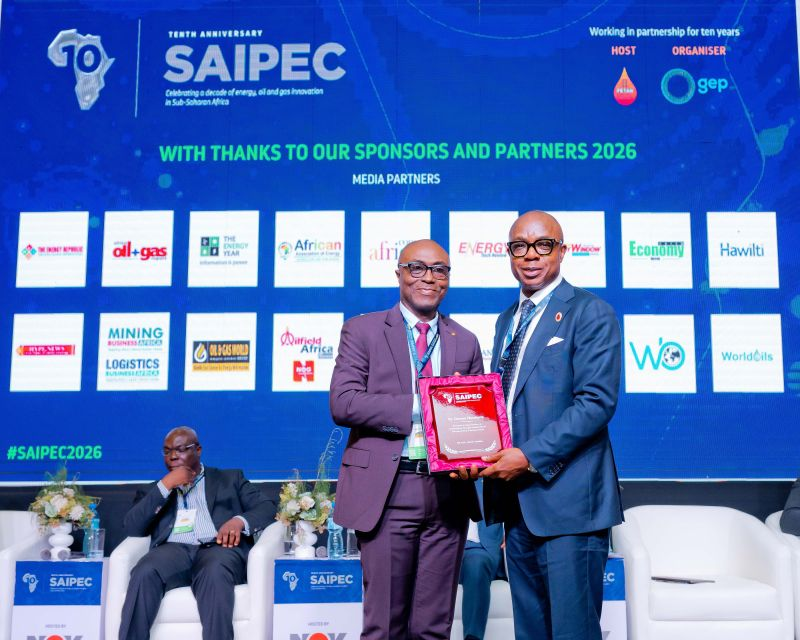
A key issue raised during the session was capacity versus scale. Nwokorie stressed that many indigenous firms make the mistake of pursuing rapid expansion without first building the technical and organisational capacity required to sustain growth. He explained that the company’s strategy deliberately prioritised in-country capability development, workforce strengthening, and the application of a brownfield excellence methodology to optimise existing assets before pursuing aggressive scale.
The conversation also addressed the broader implications for Nigeria and Africa as a whole. With global energy transition pressures intensifying, Africa faces the dual challenge of reducing emissions while still expanding access to reliable and affordable energy. Nwokorie argued that indigenous producers must play a central role in this balancing act by maximising existing infrastructure, accelerating gas development, and embedding environmental and governance standards into daily operations.
He concluded with a cautionary message to industry stakeholders, warning that expectations placed on indigenous operators have never been higher. Governments, investors, and communities, he said, are watching closely. Failure to deliver could deepen Africa’s energy deficit and erode confidence in local participation. Success, however, would position indigenous producers as credible stewards of Africa’s energy future and key drivers of economic resilience across the continent.