


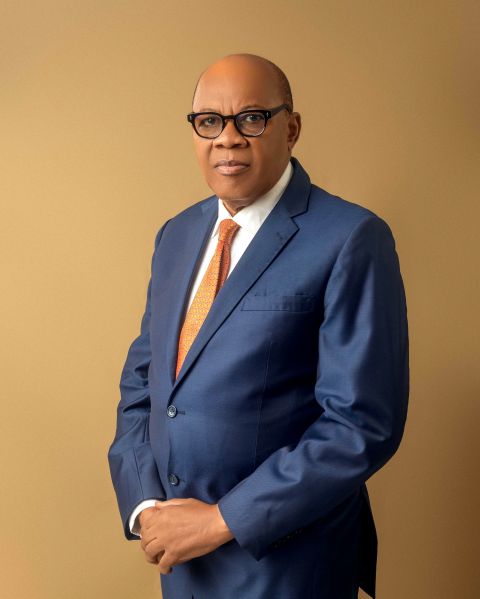
Nigeria has been selected to host the Africa Energy Bank (AEB), a move widely regarded as a major milestone for the continent’s energy sector. Dr. Olisa Agbakoba, SAN, former President of the Nigerian Bar Association and senior advocate, described the development as more than symbolic, emphasizing its potential to transform Africa’s energy financing landscape.
Speaking on the announcement, Agbakoba noted that the AEB represents a strategic response to Africa’s urgent energy challenges. “Africa faces an annual energy financing gap estimated between $31 billion and $50 billion, while 600 million Africans still lack access to electricity,” he said. The Africa Energy Bank, established by the African Petroleum Producers’ Organization (APPO) in collaboration with the African Export-Import Bank (Afreximbank), will provide African-led financing for energy projects, including renewable energy, transitional gas, and hybrid solutions tailored to the continent’s development needs.
Agbakoba underscored the critical legal and governance considerations that will determine the bank’s success. He highlighted several foundational issues:
- Corporate Governance: Ensuring independence from political interference while maintaining accountability to member states through robust board structures, fiduciary duties, and credit committees.
- Risk Management: Developing consistent credit assessment standards, collateral frameworks, and enforcement mechanisms suitable for multiple jurisdictions with differing legal systems.
- ESG Compliance: Establishing environmental and social governance standards that balance Africa’s development priorities with global capital market expectations.
- Regulatory Architecture: Implementing clear dispute resolution mechanisms, applicable law provisions, and sovereign immunity waivers to protect lenders and investors.
According to Agbakoba, the strategic challenge for AEB lies in financing projects that are legally sound, commercially viable, and environmentally defensible. This entails reconciling Africa’s right to energy access with the global decarbonization agenda, not through ideology, but through transparent governance, robust legal structuring, and credible ESG frameworks.
He added that the legal community has a pivotal role in ensuring the bank achieves investment-grade credibility. Key priorities include drafting model constitutional documents with clear mandates and governance safeguards, harmonising energy sector regulations to reduce transaction costs, standardizing project finance documentation to make it enforceable and bankable, and adopting transparent reporting standards aligned with international best practices.
“Congratulations to Nigeria. The technical and legal work begins now,” Agbakoba concluded, emphasizing that the country and its partners must now focus on building the institutional foundations that will make the Africa Energy Bank a success.
The AEB initiative is expected to unlock significant African-led investment in the energy sector, supporting sustainable development and energy access across the continent.
#AfricaEnergyBank #EnergyLaw #ESG #CorporateGovernance #EnvironmentalLaw #ProjectFinance #AfricanDevelopment