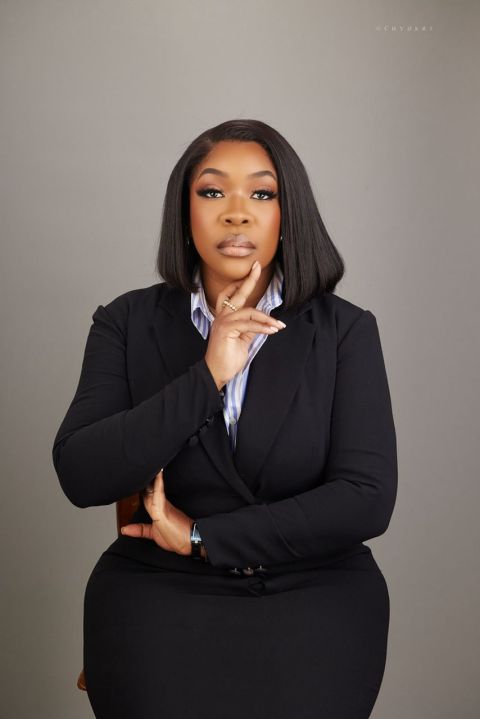
Dr. Bukky George-Taylor, Chief Executive Officer of Robert Taylor Media and Vice President of Nile Luxury Cinema, has said that chief executives are increasingly becoming the most influential voices within their organisations, as leadership visibility takes centre stage in today’s business environment.
In a statement shared on her professional platform, George-Taylor observed a significant shift in corporate influence, noting that trust has moved closer to the top of organisations. According to her, stakeholders now look beyond brands to the leaders behind them for clarity, credibility, and direction.
“Today, the most trusted voice in any organisation is no longer just the brand — it is the leader behind it,” she said.
Drawing from years of working with founders, executives, and leadership teams, the communications strategist explained that the modern era, characterised by transparency and rapid information access, has elevated CEOs into what she described as the “public conscience” of their organisations.
She noted that a chief executive’s ideas, values, and perspectives now play a critical role in shaping brand perception, employee confidence, investor trust, and stakeholder engagement.
George-Taylor emphasised that executive visibility should not be mistaken for self-promotion, but rather understood as intentional leadership presence. According to her, when CEOs communicate thoughtfully and consistently, they humanise their organisations, clarify strategic direction, and strengthen institutional credibility.
Conversely, she warned that leadership silence can create room for speculation, misalignment, and reputational risk.
Through her work in strategic communications, public relations, and leadership positioning, George-Taylor said she has witnessed organisations gain “disproportionate trust” when their leaders actively engage with stakeholders, share insights, take responsibility, and articulate long-term vision beyond short-term financial performance.
“Influence is not about being loud,” she stated. “It is grounded. It is earned.”
She added that modern leadership demands more than operational competence, arguing that a CEO’s voice has become a strategic asset capable of shaping corporate culture, strengthening partnerships, and influencing industry-wide conversations.
According to her, the debate is no longer about whether chief executives should maintain public visibility, but how intentionally they are choosing to lead the narrative — both within the boardroom and in the broader public sphere where trust is ultimately built.