The Lagos State Government has launched a statewide initiative to identify, document and formalise informal land assets estimated to be worth about ₦3 trillion, in a move aimed at boosting revenue and unlocking dormant economic value.
The initiative was announced in a statement shared on the state government’s official X (formerly Twitter) account on Thursday. According to the statement, the project is designed to curb land misuse, reduce revenue leakages and integrate undocumented land assets into the state’s formal economic system.
Under the programme, informal land spaces across Lagos will be mapped, valued and officially recorded. Many of these lands have remained undocumented and underutilised for decades, limiting their contribution to economic growth and government revenue.
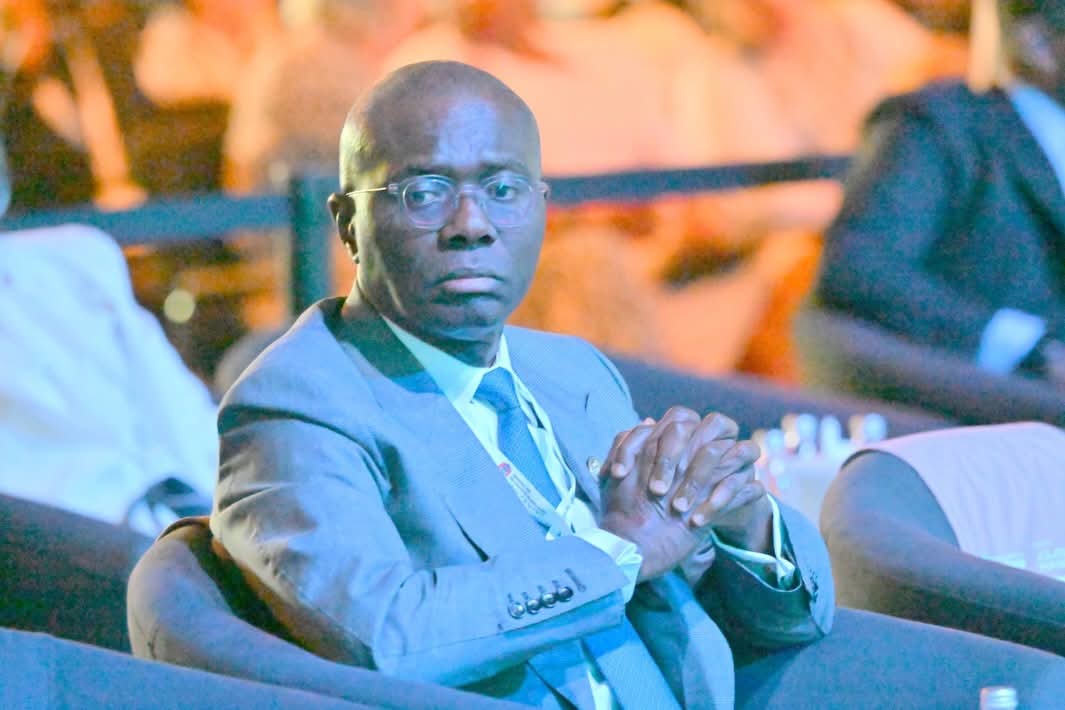
The project received approval from Governor Babajide Sanwo-Olu, with Octragon Multi Projects appointed as the lead consultant. The firm will work in collaboration with relevant Ministries, Departments and Agencies (MDAs) to carry out the exercise.
“The Lagos State Government has announced a comprehensive project to identify, document, and revitalise all informal land spaces across the state. The initiative aims to curb misuse, unlock economic value, and boost revenue generation,” the statement said.
The government also noted that the formalisation process would help ensure proper compensation where applicable and create a more transparent and accountable land administration system.
The land formalisation drive is expected to have far-reaching economic and social impacts on Lagos State. By bringing informal lands into the formal system, the government stands to significantly increase its internally generated revenue through land-related taxes, fees and charges.
For landowners and occupants, formal documentation could improve security of tenure, reduce land disputes and make it easier to use land as collateral for loans, thereby supporting small businesses and real estate development.
The initiative could also strengthen urban planning and infrastructure development by providing accurate data on land use across the state. This would help the government make better decisions on housing, transportation and public services.
Overall, the ₦3 trillion land formalisation project signals a major step toward improving land governance in Lagos and unlocking hidden economic value that could support long-term growth and development.