







London — Amid growing concerns over the worsening impacts of climate change on developing nations, senior leaders at the Commonwealth Secretariat and the Climate Investment Funds (CIF) have held high-level talks aimed at tackling persistent gaps in climate finance and accelerating clean energy transitions across Commonwealth countries.
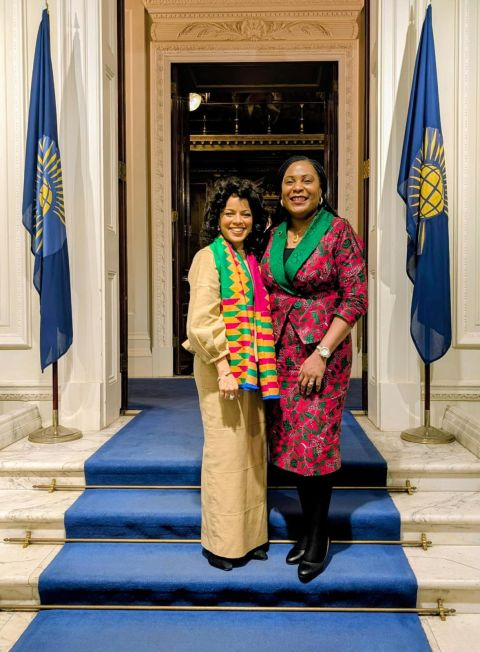
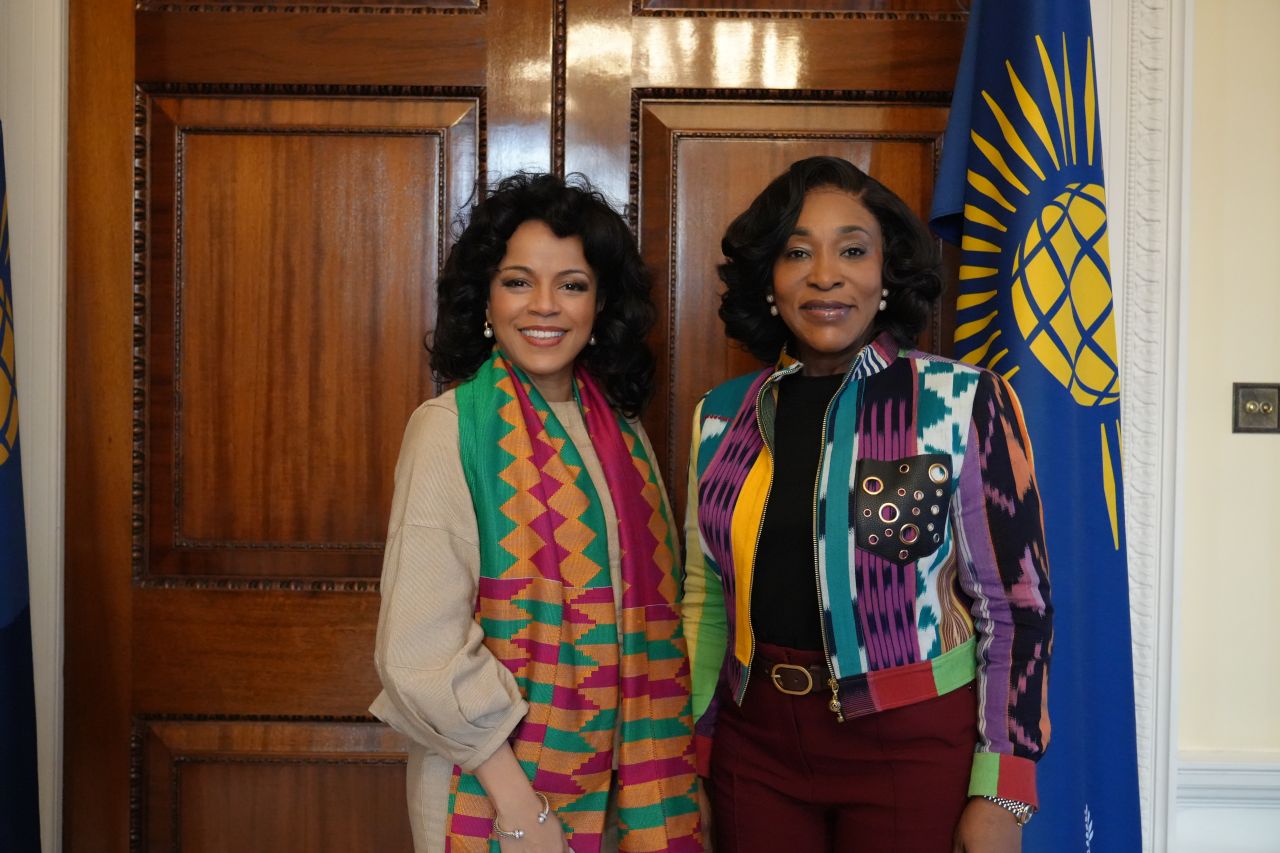
The meeting, held this week at the Commonwealth Secretariat, brought together Commonwealth Secretary-General, Hon. Shirley Botchwey, and Tariye Gbadegesin, Chief Executive Officer of CIF, to examine practical solutions to the financial and structural barriers limiting climate action in vulnerable member states.
At the centre of the discussions was the challenge of scaling climate finance to meet the growing needs of countries facing rising temperatures, extreme weather events, and environmental degradation. Many Commonwealth nations, particularly small island and low-income states, continue to struggle with limited access to affordable climate funding despite being disproportionately affected by climate change.
The leaders also addressed the urgent need to accelerate the renewable energy transition, noting that dependence on fossil fuels remains a major obstacle to sustainable development. Expanding access to clean, affordable energy was identified as critical not only for reducing emissions but also for driving economic growth, job creation, and energy security.
Another key issue was adaptation and resilience, especially for countries already experiencing climate shocks such as flooding, droughts, and sea-level rise. The discussions emphasized that climate action must go beyond mitigation to include investments that strengthen infrastructure, protect livelihoods, and build long-term resilience for vulnerable communities.
The engagement builds on an ongoing collaboration between the Commonwealth Secretariat and the Climate Investment Funds, focused on delivering tangible, results-driven impact through partnerships, blended finance, and inclusive investment frameworks. Both parties underscored the importance of aligning global climate finance mechanisms with the specific needs and realities of Commonwealth countries.
Leadership and inclusivity also featured prominently, with renewed emphasis on inclusive finance and women’s leadership as essential drivers of effective climate solutions. Stakeholders agreed that empowering diverse voices in climate decision-making enhances accountability and improves development outcomes.
The meeting concluded with a shared commitment to deepen cooperation and mobilize resources to support the Commonwealth’s climate agenda, as member states work to balance development priorities with the urgent demands of climate action.