


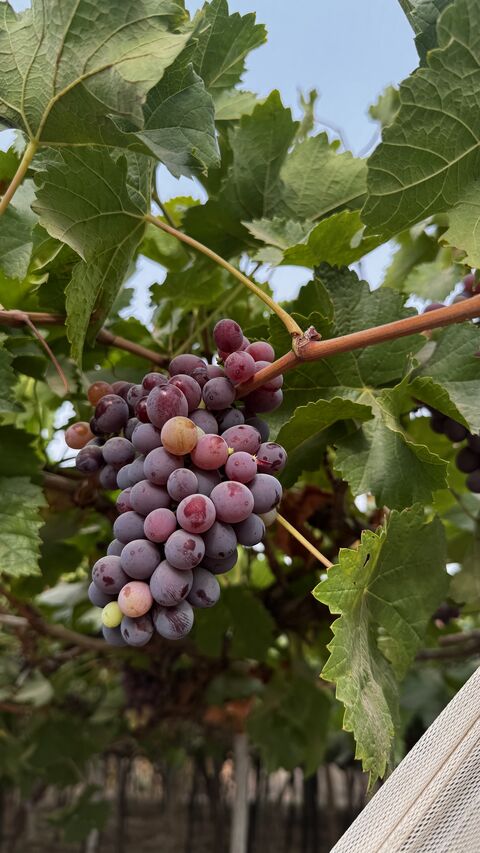






Nigerian-grown grapes are drawing renewed attention as agribusiness founder and food systems advocate Ajoke Amusat highlights the untapped potential of local viticulture and value-added processing within the country’s agricultural sector. Amusat, founder of The Grocery Lady Nigeria, recently showcased grapes cultivated in Nigeria, challenging long-held assumptions that grapes are exclusively imported from Europe or Southern Africa.
According to Amusat, grapes have been successfully grown in Nigeria for more than three decades, particularly in cooler regions such as Kaduna and Plateau states, where the climate and soil conditions support grape cultivation. She explained that limited public awareness, rather than agricultural feasibility, has been the primary barrier to wider recognition of Nigerian-grown grapes.
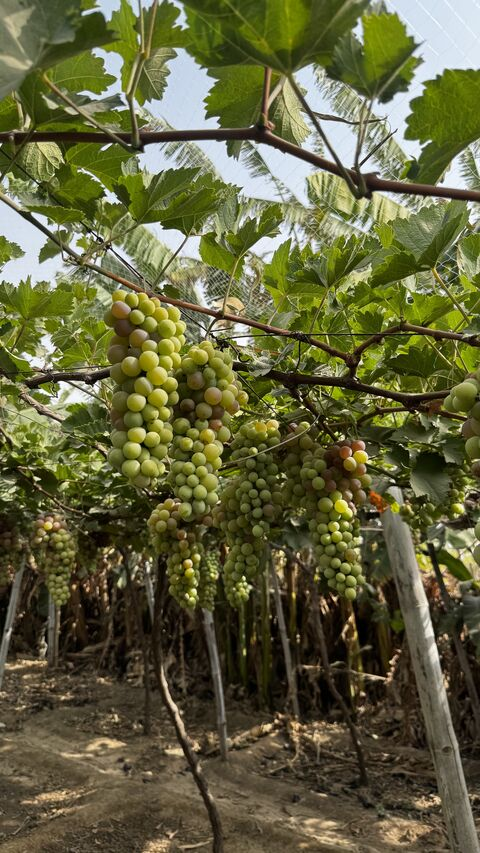
“When most Nigerians think of grapes, they often picture Europe or South Africa,” Amusat said. “What many people don’t realize is that grapes have been grown in Nigeria for over 30 years, especially in areas like Kaduna and Plateau State where the environment supports viticulture.”
During a recent visit to a grape farm in Kaduna State, Amusat said she sampled eight different grape varieties, including both seeded and seedless types. She described the fruits as naturally sweet and rich in flavour, emphasizing that quality remains a defining feature of locally grown grapes.
“We tasted eight varieties on the farm, and every single one was full of flavour,” she said. “These grapes are not just good; they are high quality, naturally sweet, and grown with deep agricultural knowledge.”
She noted that Nigerian-grown grapes are cultivated largely by small-scale farmers and are harvested twice a year. While production volumes may be lower compared to imported grapes, Amusat stressed that local farmers prioritize quality over scale, a factor she believes gives Nigerian grapes a competitive edge.
“Each harvest represents years of experience, careful planning, and hands-on expertise,” she explained. “Yields may be smaller, but quality is the priority, and that is what truly sets Nigerian-grown grapes apart.”
Beyond fresh consumption, Amusat argued that Nigeria has the capacity to expand into grape processing and agro-industrial development if the right systems and infrastructure are put in place. She said value-added processing could significantly improve farmer incomes, reduce post-harvest losses, and cut down on the country’s reliance on imported grape products.
“We have all the resources to move beyond selling raw produce alone,” she said. “With the right infrastructure, Nigerian-grown grapes can be processed into value-added products that preserve quality, increase income for farmers, and reduce dependence on imports.”
Amusat said this vision aligns with the mission of The Grocery Lady Nigeria, which focuses on building a sustainable food system by strengthening local value chains, reducing food loss, and improving access to safe, locally sourced produce.
“This is the work we are committed to,” she said. “From the farm up, we are focused on reducing post-harvest losses and making it easier for consumers to access safe, locally grown food while supporting Nigerian farmers.”
Industry observers say the renewed attention on grape farming reflects a broader shift toward local sourcing, sustainability, and agricultural innovation in Nigeria. As discussions around food security, agro-processing, and ethical sourcing continue to gain momentum, advocates like Amusat believe Nigerian-grown produce can play a larger role in reshaping the country’s food narrative.
“Nigeria has the land, the knowledge, and the people,” Amusat added. “What we need now is intentional investment and belief in what we can grow and build locally.”