


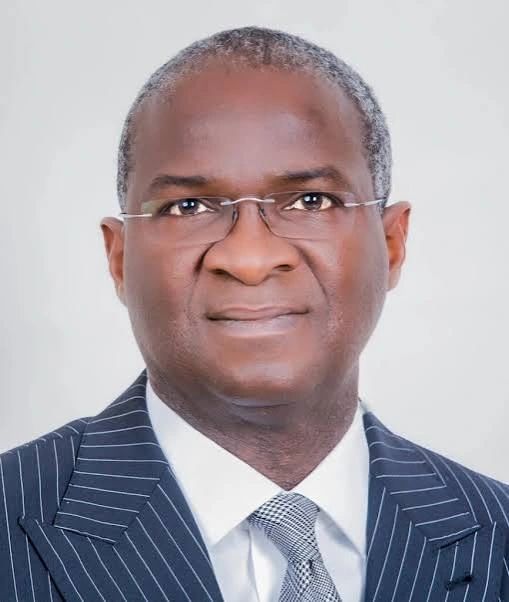




ABUJA — Former Governor and Minister Babatunde Raji Fashola, SAN, has challenged Nigerians to adopt a sense of “common ownership” over the nation’s global standing, asserting that while citizens have every right to criticize their leaders, they must never “throw Nigeria under the bus.” Speaking as the keynote orator at the First Nigeria Reputation Summit 2026 held at the Yar’Adua Centre on Tuesday, Fashola addressed a diverse audience on the theme “Better Nigeria, Better Reputation,” emphasizing that the country’s image is a shared asset that requires intentional protection.
During his address, Fashola noted that while every society faces internal challenges, Nigerians often tend to valorize the accomplishments of other nations while diminishing their own due to personal frustrations. He urged the public to follow the philosophy of late sage Obafemi Awolowo by focusing on the “right-thinking people” within the country. According to Fashola, when Nigerians are abroad, they are frequently questioned about the country’s geniuses in sports, academia, and the arts, yet they often lead the conversation with stories of frustration rather than these global success stories.
The former minister specifically called for a change in national messaging, urging citizens to correct others who refer to Nigeria as “your country” by insisting on the phrase “our country.” He warned that subconscious errors in the way Nigerians speak about their homeland can have a devastating impact on international perception. “I am a proud Nigerian and I am very arrogant about it,” Fashola declared, adding that a revisit to national self-esteem is necessary to ensure that the actions of a few individuals do not stain the reputation of the entire population.
To reinforce the legal weight of this civic duty, Fashola cited Subsection 24(b) of the Nigerian Constitution, which explicitly states that it is the duty of every citizen to help enhance the power, prestige, and good name of the country. He argued that this duty extends to daily conduct and attitude, such as traffic compliance and personal integrity. He stressed that a reputation for being a law-abiding society is built through the small, consistent actions of the many rather than just the grand gestures of the few.
In his closing remarks, Fashola highlighted the importance of Nigeria’s “two sets of ambassadors.” He identified the first group as the informal ambassadors—the athletes, creatives, and entrepreneurs who have naturally exported Nigerian culture through their excellence. He advised the government to leverage the soft power of these individuals more effectively. Conversely, he noted that the second group, comprising formal diplomats and officials, must be more thoroughly tutored on the country’s values before being sent to their duty posts. The summit, which featured prominent industry figures including Dr. Omoniyi Ibietan of the African Public Relations Association, concluded with a call for Nigeria to be recognized globally as a land of opportunity and law.