







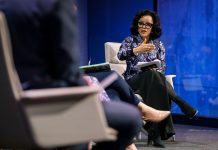

The Lagos Business School’s Breakfast Club closed out the year with a high-profile dinner and fireside chat featuring two of Nigeria’s most influential voices: industrialist Alhaji Aliko Dangote, GCON, and economist Bismarck Rewane.
The session, themed “Challenges and Opportunities for Making Nigeria the Leading Manufacturing and Services Hub in Africa,” brought together c-suite executives, policymakers, and members of the diplomatic community to reflect on Nigeria’s economic outlook for 2026 and the structural reforms needed to position the country as a continental leader in industry.
Dangote, Africa’s richest man and a symbol of indigenous industrial ambition, underscored the urgency of tackling infrastructure bottlenecks, energy deficits, and policy inconsistencies that continue to constrain Nigeria’s manufacturing sector. Rewane, known for his incisive economic analysis, highlighted the importance of macroeconomic stability, fiscal discipline, and investment in human capital as prerequisites for sustainable growth.
The dialogue resonated with participants as more than a ceremonial close to the year—it was a strategic conversation about Nigeria’s industrial future. With global supply chains shifting and Africa’s population projected to double by 2050, the speakers emphasized that Nigeria must seize the opportunity to become a hub for both manufacturing and services, leveraging its market size, entrepreneurial energy, and resource base.
The LBS Breakfast Club has become an exclusive platform for business leaders, policymakers, and diplomats to engage in high-level discussions on trends shaping Africa’s business landscape. By convening voices like Dangote and Rewane, the forum continues to provide actionable insights for decision-makers navigating complex economic realities.
Sponsors including First Bank of Nigeria Ltd., Optimus Bank, Cowry Asset Management Limited, and Afrinvest (West Africa) Limited were recognized for their support in fostering dialogue and advancing executive education.
As Nigeria prepares for 2026, the session reinforced a central message: industrial leadership will not be achieved by rhetoric alone, but through deliberate collaboration between government, business, and finance. The Breakfast Club’s December gathering was a reminder that shaping the future of business and policy in Africa requires both vision and execution.