






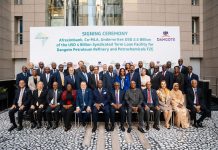

In a move set to transform mobile access across the country, Airtel Nigeria has announced plans to roll out Starlink’s Direct-to-Cell satellite connectivity nationwide. This initiative follows the landmark partnership between its parent company, Airtel Africa, and Elon Musk’s satellite internet venture, Starlink.
The service aims to bridge Nigeria’s persistent digital divide by delivering connectivity to remote, underserved, and unconnected regions where building traditional cell towers has been difficult or economically unviable.
Speaking to senior journalists at Airtel Nigeria’s Lagos headquarters, CEO and Managing Director Dinesh Balsingh outlined the transformative potential of the technology. “This initiative will unlock mobile connectivity in parts of Nigeria where deploying terrestrial network infrastructure is impractical,” Balsingh stated. “By integrating satellite capability with our existing network, we are reinforcing our commitment to ensure no community is left behind.”
The Direct-to-Cell technology will enable compatible smartphones to connect directly to Starlink’s constellation of low-Earth orbit satellites. This approach extends Airtel’s network reach far beyond physical towers and aims to strengthen connectivity resilience, particularly for rural and remote communities.
Commercial service is slated to begin in 2026, starting with basic text messaging and selected data services. The rollout will then scale in phases to include high-speed broadband, pending necessary regulatory approvals from Nigerian authorities.
This ambitious satellite project builds upon Airtel Nigeria’s aggressive terrestrial expansion. The company reports that 99% of its sites are now 4G-enabled, with over 700 new sites deployed across the country in just the last five months.
The integration of satellite connectivity marks a significant step in Nigeria’s telecommunications landscape, promising to bring millions of Nigerians into the digital fold and create new opportunities for education, business, and communication in the nation’s most hard-to-reach areas.