


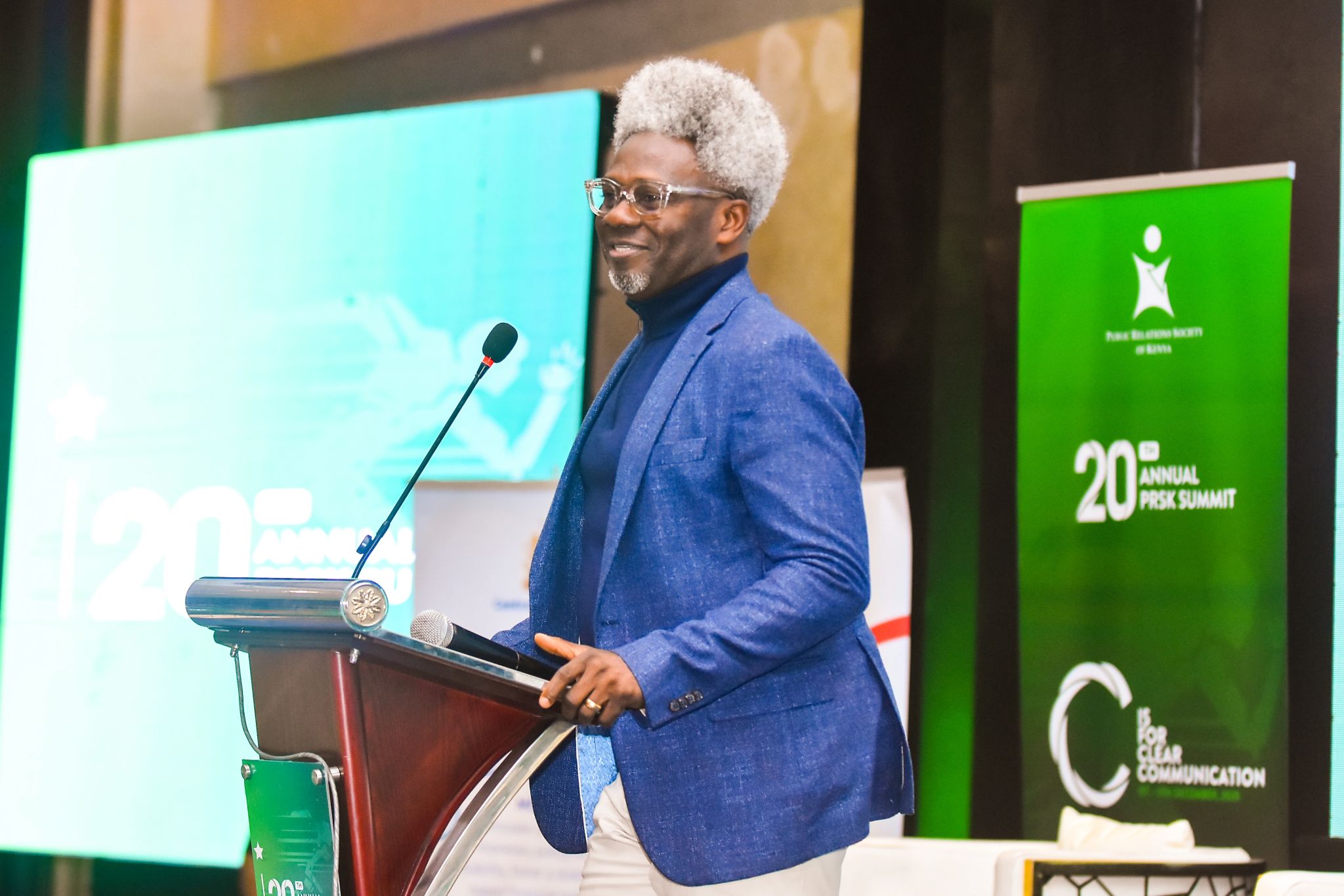






The road from Eldoret to Kisumu is long enough to slow your thoughts. Wide enough to invite reflection. For me, that journey last week became more than a drive—it became a reminder of why communication, at its core, is about people.
Kenya is familiar territory. It is the African country I have visited most over the years. Yet this visit felt different. It was my first time returning since the introduction of visa-free entry for Africans by President William Ruto’s administration. There was a quiet satisfaction in moving across borders without paperwork, a small but powerful symbol of an Africa trying—however imperfectly—to come closer to itself.
I had been in Kenya at the invitation of the Public Relations Society of Kenya (PRSK) for their 20th Annual Summit in Eldoret. Over the course of the event, I delivered a keynote, moderated sessions, and served on panels. It was energising—rooms full of professionals asking hard questions about the future of communication in an age that no longer waits for us to catch up.
But it was after the summit, away from the stage lights, that the most meaningful exchange happened.
A Driver, a Road, and Honest Talk
On the road to Kisumu, my driver turned out to be a thoughtful conversationalist. We talked—really talked—about Africa, leadership, communication, and where artificial intelligence is pushing our profession.
I shared a belief I’ve held for years: we must love our countries more than we hate our leaders. That doesn’t mean silence in the face of failure. It means caring deeply enough to demand clarity, empathy, and accountability from those who lead us.
We spoke about inclusion—how communication must reflect diversity, fairness, and access, especially as digital tools expand. Technology moves fast, but people move at different speeds. If we’re not careful, progress can leave many behind.
AI Is Powerful—But It Isn’t Human
AI came up, as it always does these days. I reflected on how essential it is for communicators to read widely and think critically. Generative AI can sound confident while being wrong. It can produce answers without understanding context.
What keeps us grounded, I believe, are the human skills: emotional intelligence, ethical judgment, cultural awareness. These are not things machines possess.
AI can help detect misinformation and flag manipulation, yes. But it cannot feel responsibility. Humans remain the final firewall.
Visibility Is Changing—So Must Strategy
One reality many communicators underestimate is how visibility now works. Up to 90 percent of AI-driven recognition is shaped by citations and earned media. That means media mentions are not the finish line—they’re the starting point.
Total dependence on influencers is risky. Empowering colleagues and internal voices matters just as much.
We also discussed the idea of “zero-click” reality—where people no longer scroll or click, because answers are delivered instantly. Search is evolving. SEO is giving way to Generative Engine Optimisation (GEO). Today, nearly 60 percent of search results are shaped by generative tools.
That shift should make every communication professional pause and rethink strategy.
Technology Assists. Humans Decide.
AI is now a medium in itself. But measurement still matters. Data still matters. Proof still matters—especially if communication professionals want and deserve a seat at the C-suite table.
Public relations is not decoration. It is leadership. It is management.
AI can help us work faster and smarter, but it cannot replace judgment, conscience, or truth. In the partnership between technology and humans, the human side must remain central.
Because AI has no emotions. It doesn’t understand trust. It cannot carry values.
As we drove closer to Kisumu, I was reminded that the future of communication in Africa will not be determined by tools alone—but by how responsibly we use them, and how deeply we remain human while doing so.