



By Anthony Emeka Nwosu
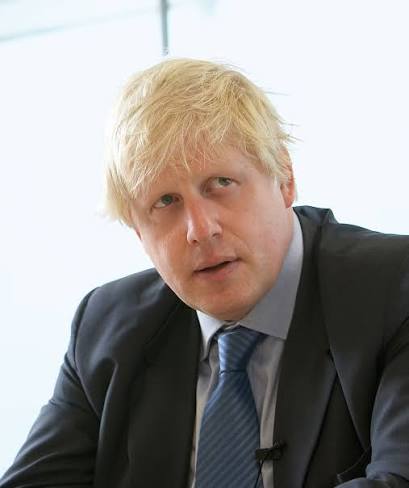
Former United Kingdom Prime Minister, Boris Johnson, has declared that he feels “perfectly safe” in Nigeria, directly challenging widespread media reports portraying the South-East—particularly Imo State—as unsafe. Johnson made the statement on Thursday at the Imo State Economic Summit 2025 held in Owerri, the regional heartland and capital of Imo State.
The former British leader noted that before his trip, he was confronted with several alarming reports suggesting that Nigeria, especially the South-East, was unsafe for visitors. “When I decided to come to Owerri, I read some things, and there were people saying, ‘There may be some security problems in Nigeria.’ Have you heard that?” he asked the audience.
He explained that despite the warnings, he refused to cancel his visit. “And I said, ‘Well, I am going to go anyway.’ Do you feel safe here today in this conference? Yes, we all feel safe. And I feel perfectly safe. Thank you, Governor, for what you are doing.”
Johnson’s remarks stand in stark contrast to many media reports—both local and international—which frequently highlight instability in the South-East. His public dismissal of these claims is seen by observers as a notable departure from the dominant narrative that portrays the region as volatile and unsafe.
During his address, Johnson also praised Imo State Governor Hope Uzodimma for spearheading major development initiatives, particularly the plan to provide uninterrupted 24-hour electricity across the state. He described reliable power as essential for economic transformation.
He further emphasised the growing importance of artificial intelligence, stating that AI will play a central role in shaping the state’s developmental aspirations. According to him, embracing AI-driven innovation remains crucial for any region seeking rapid progress, noting that “artificial intelligence is the future.”
Johnson’s visit and positive comments offer a significant image boost for the South-East at a time when the region’s security realities are often overshadowed by negative portrayals in the media.