


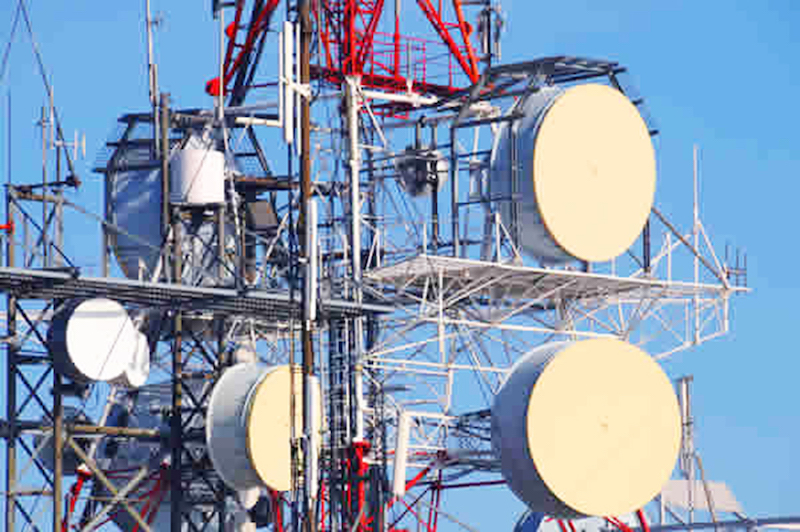






The Nigerian Communications Commission (NCC) has reiterated its strong commitment to implementing President Bola Ahmed Tinubu’s Executive Order designating telecommunications infrastructure as Critical National Information Infrastructure (CNII) — recognizing telecom networks as vital national assets that require priority protection.
This designation includes key assets such as fibre‑optic cables, mobile network base stations, data centres and other core ICT systems whose disruption could negatively affect national security, economic stability and everyday services across the country.
Coordination with Stakeholders to Safeguard CNII
At recent strategic meetings attended by industry players and government officials, NCC executives emphasised that telecom infrastructure must be defended against threats such as vandalism, theft, fuel supply interruptions and other disruptions that can paralyse communications and digital services.
The regulator has been actively working with bodies such as the Office of the National Security Adviser (ONSA) and industry associations to build a collaborative framework for CNII protection — including public awareness campaigns, infrastructure mapping exercises and engagement with security agencies.
Industry Challenges Highlight Urgency of CNII Protection
Despite progress, challenges persist: telecom operators continue to report high levels of fibre‑optic cable cuts, access denials and theft incidents that put network reliability at risk. Analysts warn that these recurring attacks amount to thousands of weekly incidents, underscoring the urgent need for coordinated CNII safeguards.
To support broader infrastructure resilience, the NCC is also expanding advocacy programmes — including planned SMS campaigns and stakeholder engagements — to cultivate a nationwide culture of protecting CNII assets and ensuring uninterrupted connectivity. (The Economic Times)
Broad Impact of NCC’s CNII Agenda
The NCC’s efforts to protect CNII have wide‑ranging implications for Nigeria’s digital economy:
- Stronger national security: By defending telecom systems against sabotage and disruption, Nigeria ensures that essential services — such as emergency communications, banking systems and government operations — remain reliable.
- Growth in investor confidence: Clear regulatory backing for CNII protection signals to investors that Nigeria is serious about safeguarding critical infrastructure, which supports long‑term sector growth.
- Improved service quality: When core networks are better protected, operators can focus more on expanding coverage and enhancing service quality rather than constantly repairing damage.
- Collaborative regulatory model: By bringing together government agencies, operators, security stakeholders and the public, the NCC is fostering a shared sense of responsibility for Nigeria’s digital backbone.
As Nigeria’s digital ecosystem continues to evolve, the NCC’s proactive role in CNII protection remains central to building a resilient, secure and forward‑looking telecommunications industry that can confidently support economic development and societal needs.